Lilac Wood
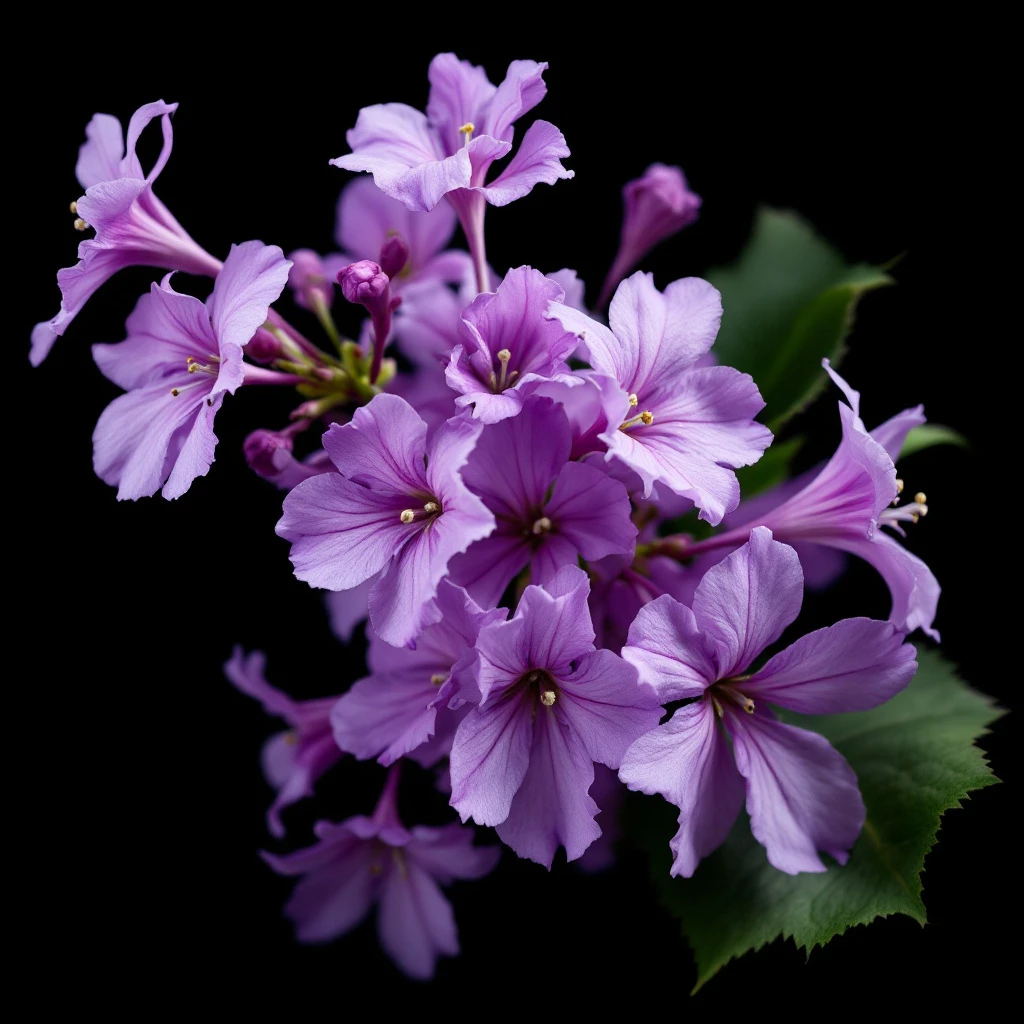
Lilac Wood offers a rare, delicate floral-woody note prized in fine perfumery. True lilac essence remains one of perfumery's hardest captures, often reproduced through masterful synthetic artistry.
Character
How it smells
Spring's most elusive bloom, bottled.
True lilac flowers yield almost no usable oil through traditional extraction methods, making genuine lilac absolute one of perfumery's rarest materials.





Origin
Ottoman Empire / Persia
The lilac's path into Western perfumery began in the 16th century when the plant traveled from Ottoman territories into Spain via Arab trade routes. Its name itself traces back to Persian, from the words Lîlak or Nîlak, meaning bluish. Once established in European gardens, the flowers found early use in pomanders, scented balls worn to mask body odor and ward off illness during an era when bathing was infrequent.
By the Victorian era, lilacs had become symbols of spring renewal and were grown across Europe and North America. Yet despite their popularity in gardens, the flowers resisted perfumers' efforts for centuries. The breakthrough came indirectly. As the modern synthetic fragrance industry emerged in Paris between 1889 and 1921, chemists began isolating and recreating floral molecules that nature refused to yield.
These synthetic reconstructions democratized lilac as a perfume note. What was once reserved for the wealthy became accessible, and lilac-themed fragrances proliferated through the 20th century. Today, the note carries both nostalgia and technical achievement, a flower that never yielded its secrets willingly, yet now defines countless compositions.
Wears it best
Fragrances featuring Lilac Wood
Brands
Brands known for Lilac Wood
Good to know
Questions, answered
The essentials on Lilac Wood in perfumery: how it smells, where it comes from, and how it behaves on skin.
What does Lilac Wood smell like?
Lilac Wood combines a soft, green floral note reminiscent of fresh Syringa blossoms with a dry, pale woody undertone. The accord balances delicate sweetness against clean, slightly powdery wood, evoking both spring garden air and the tree's fine-grained timber.
Is Lilac Wood a natural fragrance ingredient?
The floral component is almost always synthetic or reconstructed. Genuine lilac absolute exists but is produced in minuscule quantities due to the flower's near-zero essential oil content, making natural lilac extracts extremely rare and costly.
Why is lilac so difficult to extract naturally?
Lilac flowers contain almost no volatile oil that steam distillation can capture, and the delicate aroma molecules break down under heat. Solvent extraction yields a concrete, but at volumes too small for mainstream perfumery.
Where did the lilac plant originate?
The common lilac (Syringa vulgaris) originates from the Balkan Peninsula and Central Europe. The plant's name derives from Persian Lîlak or Nîlak, reflecting its introduction into Western gardens through Ottoman trade routes.
When was lilac first used in perfumery?
Lilacs entered European fragrant use in the 16th century primarily through pomanders. Modern lilac accords became widely available after the 1889-1921 development of synthetic fragrance chemistry in Paris.
Which synthetic molecules recreate lilac's scent?
Perfumery reconstructs lilac using aroma chemicals including lilial, hydroxycitronellal, phenylacetaldehyde, and indole. These molecules combine to approximate the living flower's complex, honeyed-green character.
What is Lilac Wood commonly paired with in perfumes?
Lilac Wood pairs naturally with other spring florals like lily of the valley and hyacinth, green notes such as violet leaf, and soft woody bases including sandalwood and white cedar for added longevity.
How does Lilac Wood differ from pure lilac floral notes?
Lilac Wood incorporates genuine woody material from the Syringa tree alongside reconstructed florals, adding warmth, depth, and staying power that a purely synthetic or highly volatile floral accord cannot achieve alone.



