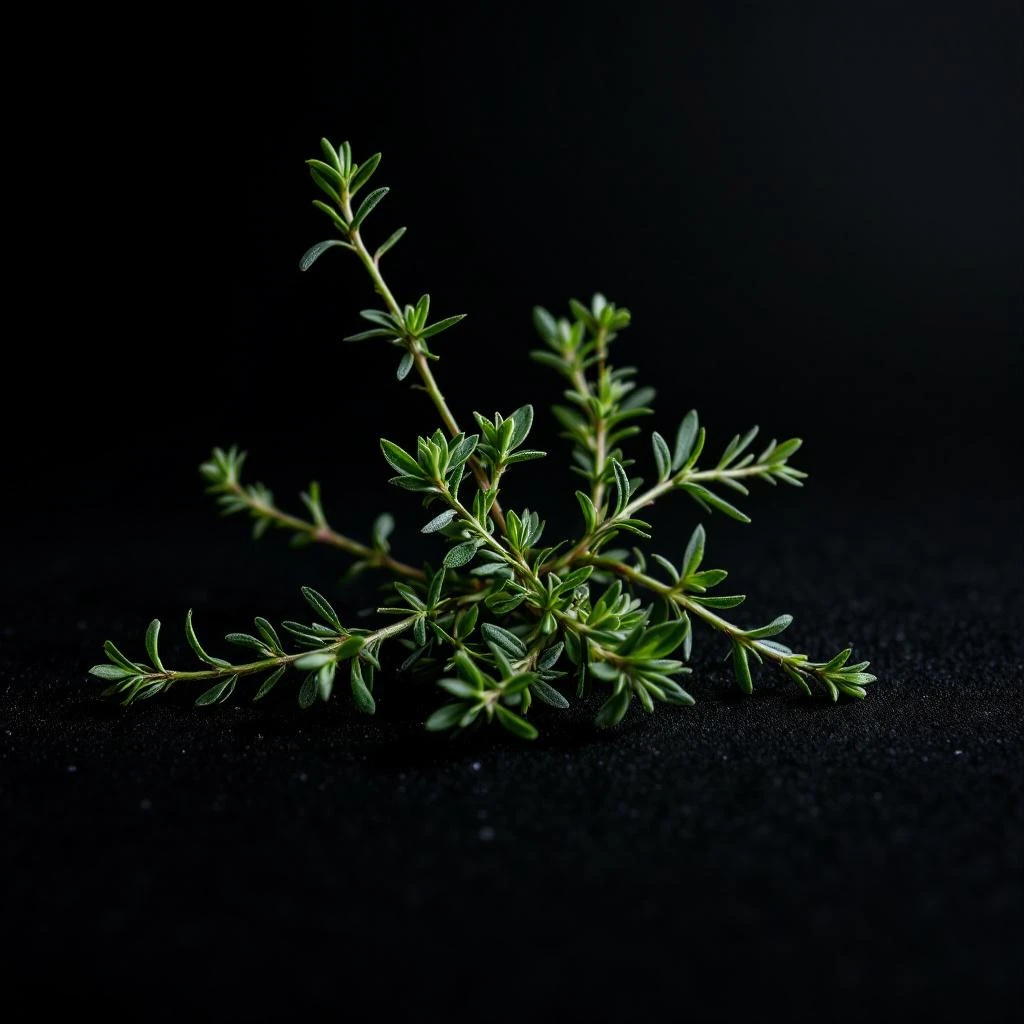
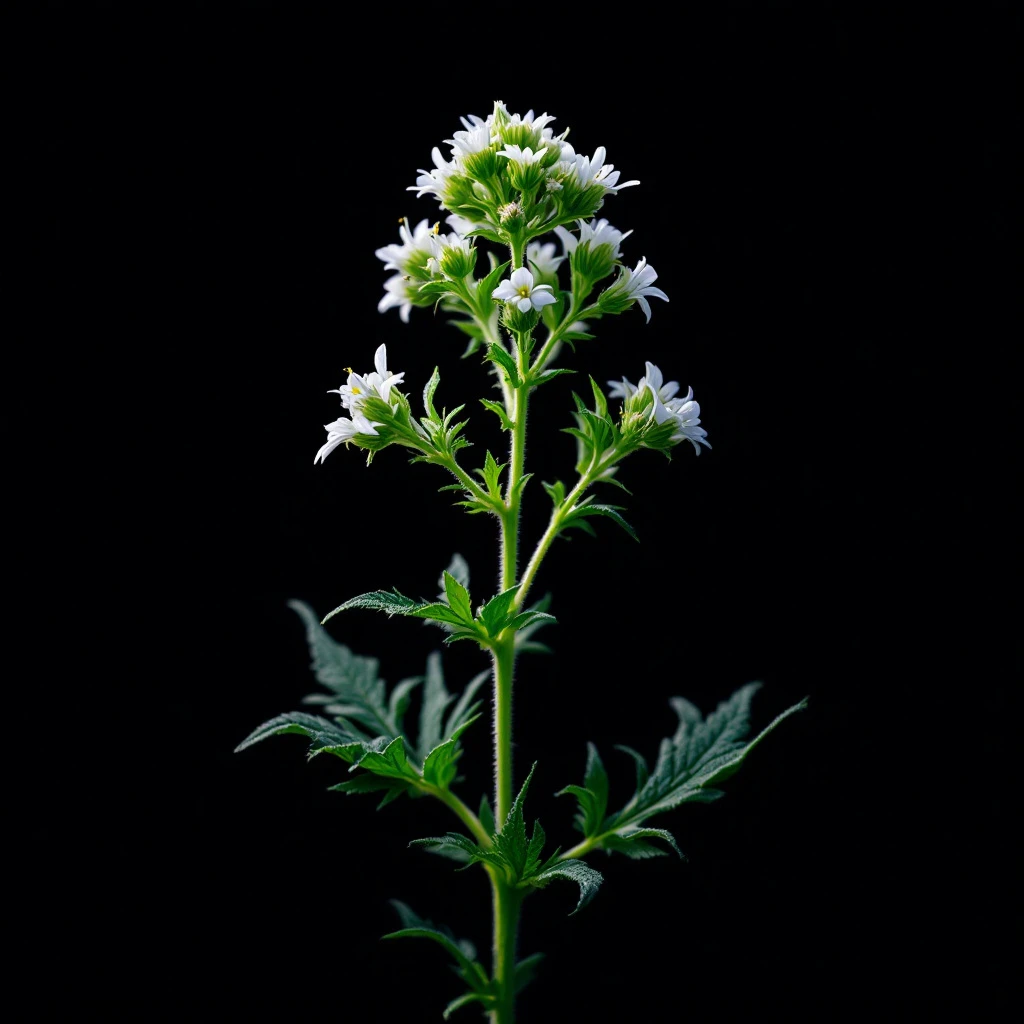
Lesser Calamint
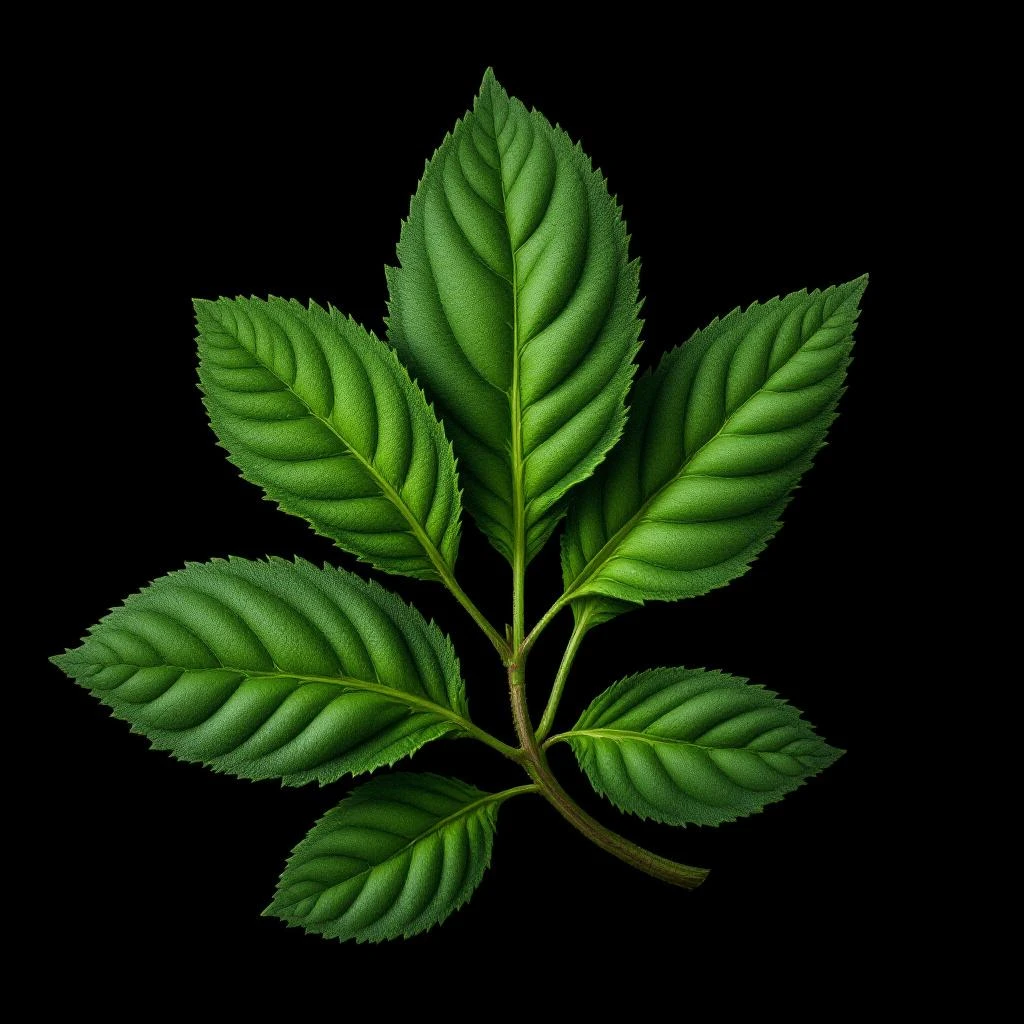
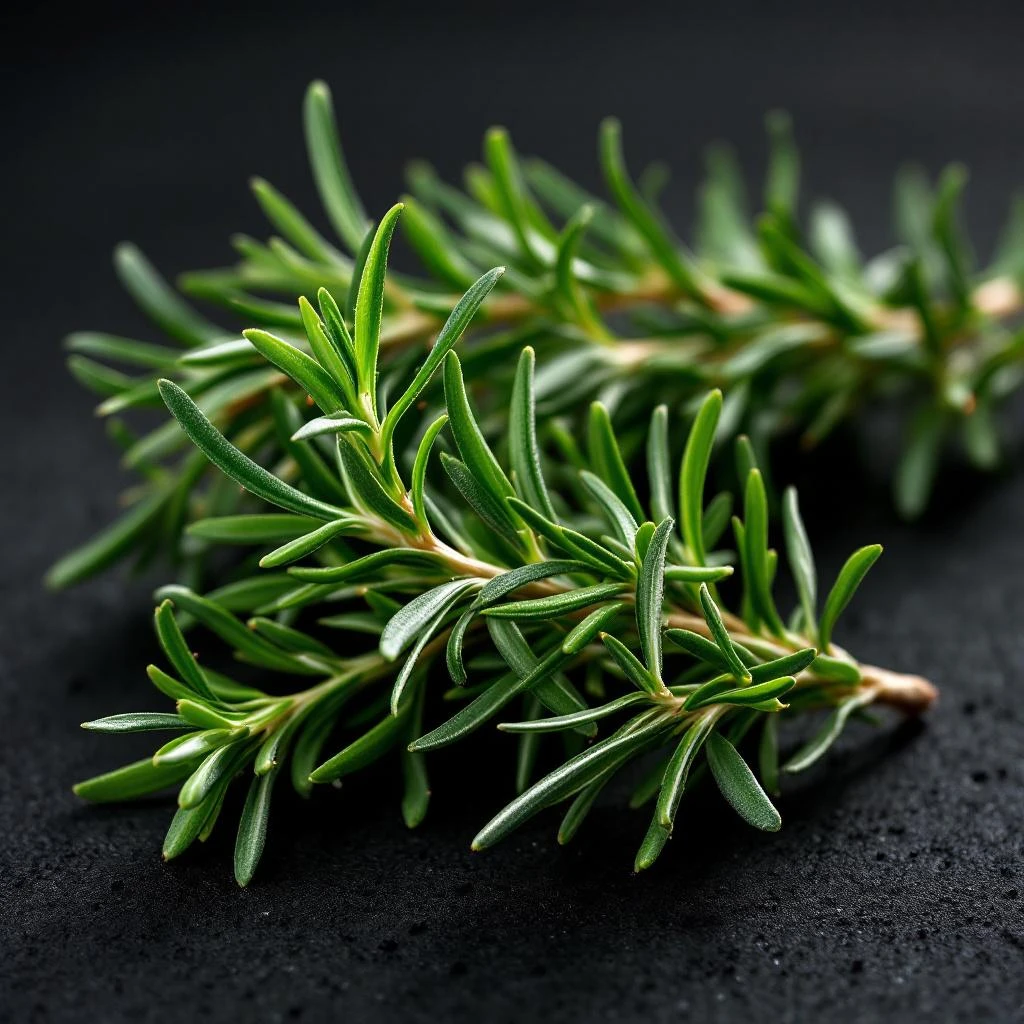
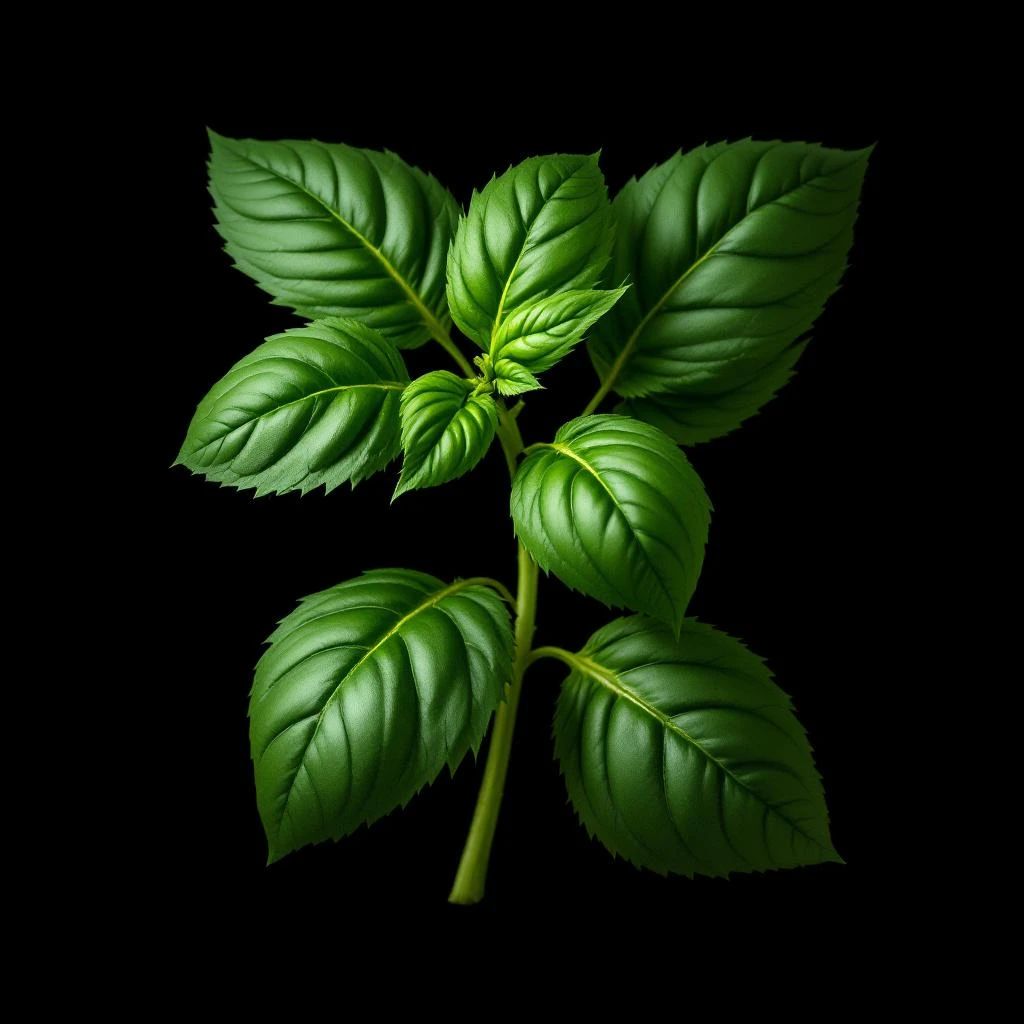
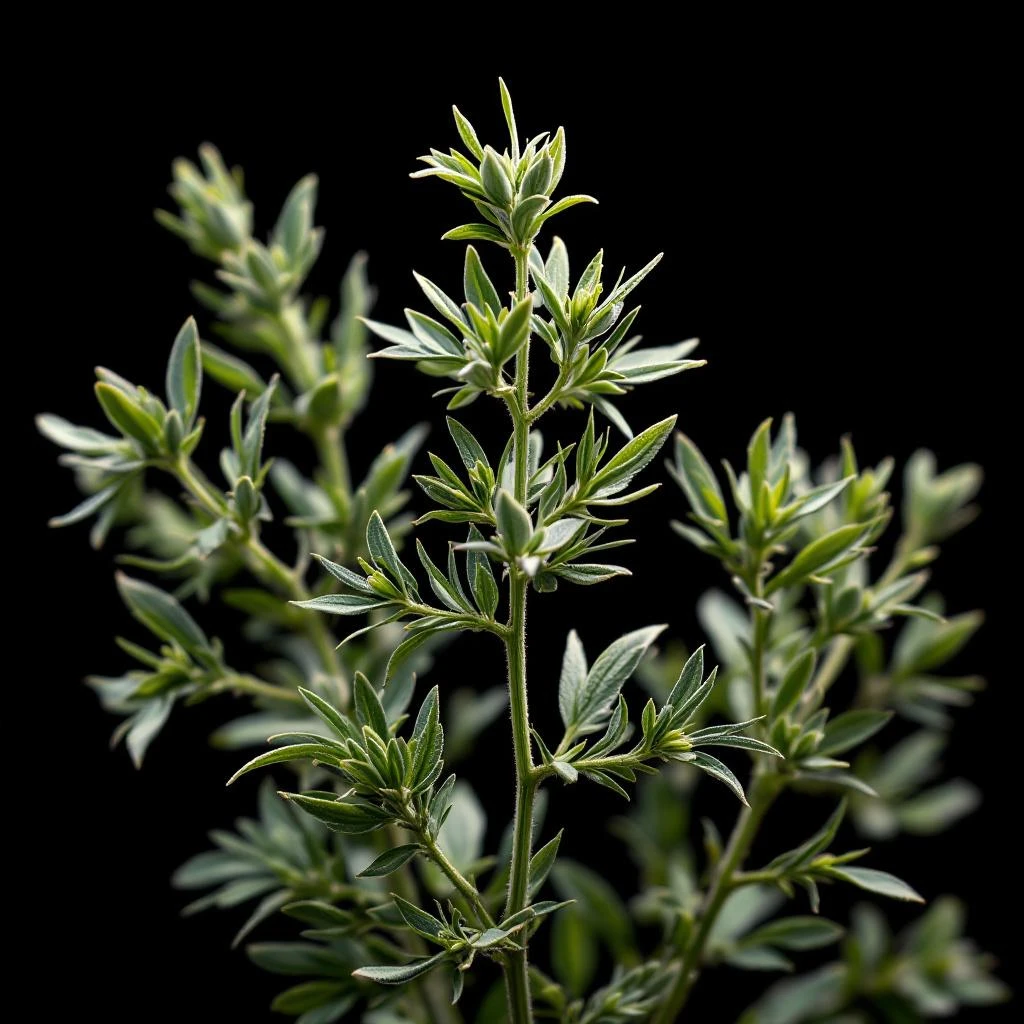
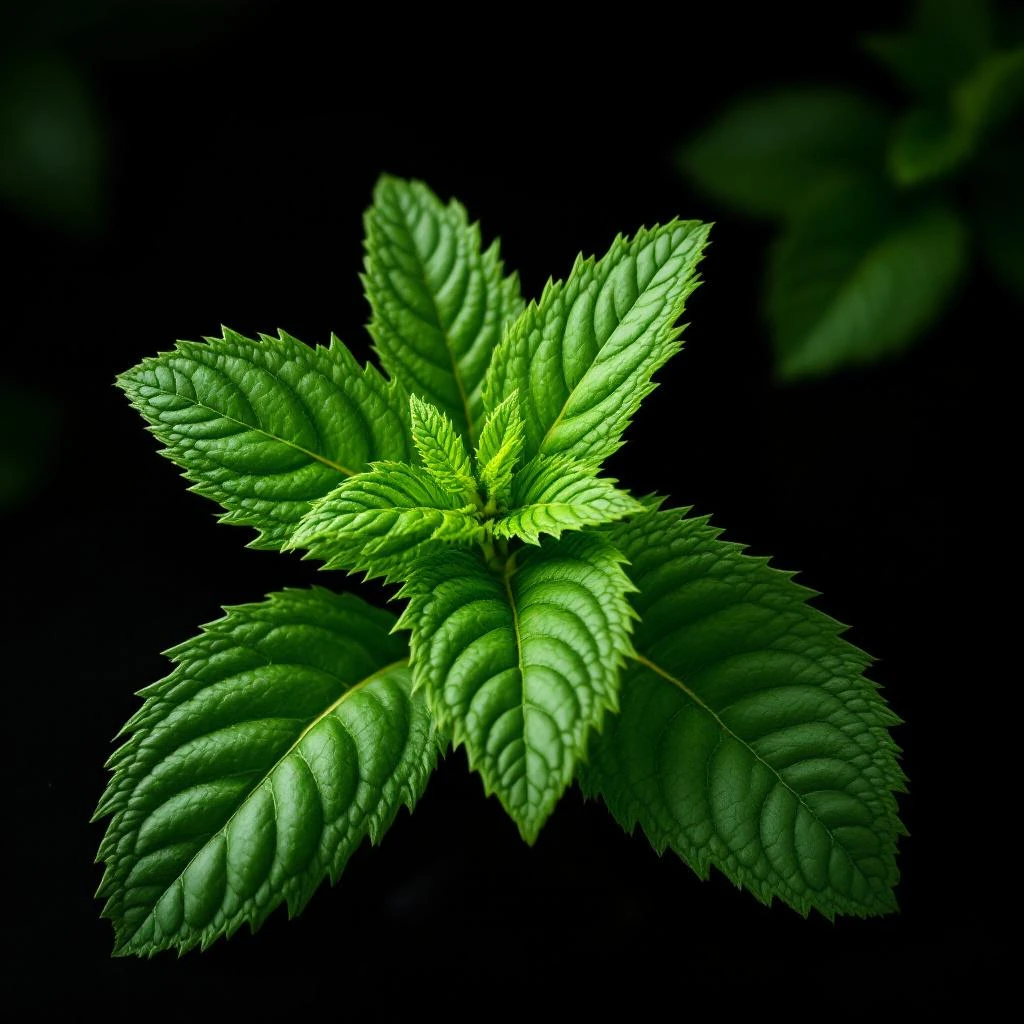
Lesser calamint brings a cool, minty-meets-herbal intensity to perfumery, a Mediterranean wildflower whose chemistry echoes both pennyroyal and peppermint in a single aromatic profile.
Character
How it smells
Cool herbal intensity from a Mediterranean wildflower
Its dominant molecule, pulegone, is named after Mentha pulegium (pennyroyal), once used to repel fleas in Mediterranean households.


Origin
Italy
Lesser calamint grows wild across the Mediterranean basin, from Portugal to Turkey, and has been gathered for centuries as a folk remedy and culinary herb. Ancient Romans used it in cooking and as a strewing herb to freshen rooms.
The plant shares a close botanical relationship with pennyroyal (Mentha pulegium), and early botanists grouped them by scent similarity long before modern chemistry confirmed their shared pulegone content. In Mediterranean folk medicine, lesser calamint tea treated colds, digestive complaints, and nervous tension.
Its entry into formal perfumery is relatively recent; most references appear in 20th-century aromatherapy literature before niche perfumers began incorporating it into herbal and fougère compositions during the early 2000s. Today, it appears primarily in artisan and natural-perfumery contexts, valued for the clarity it brings to green, aromatic, and chypre structures.
Wears it best
Fragrances featuring Lesser Calamint
Brands
Brands known for Lesser Calamint
Good to know
Questions, answered
The essentials on Lesser Calamint in perfumery: how it smells, where it comes from, and how it behaves on skin.
What does lesser calamint smell like?
Lesser calamint offers a sharp, cooling herbal scent with strong minty overtones and subtle notes of pennyroyal and camphor. Its intensity places it firmly in the aromatic-herbal family, more assertive than true mint but drier than lavender.
Is lesser calamint the same as calamint?
Lesser calamint (Clinopodium nepeta) is a distinct species, often confused with greater calamint (Clinopodium grandiflorum). Lesser calamint contains higher pulegone levels, giving it a sharper, more penetrating minty profile.
Is lesser calamint safe in perfume?
Lesser calamint essential oil contains pulegone, which has documented toxicity concerns at high doses. In perfumery it is used at low concentrations, typically well below 1 percent of the final formula, to stay within safe usage limits.
Where is lesser calamint grown for perfumery?
Wild harvests concentrate in Italy, southern France, Greece, and North Africa. Cultivated plots exist in Tuscany and Provence, where growers supply niche perfumers seeking consistent, high-pulegone oil.
What fragrance families feature lesser calamint?
Lesser calamint appears most often in aromatic, fougère, and herbal-green compositions. It adds cooling brightness to Mediterranean-style colognes and depth to natural perfumery structures built around rosemary, sage, and thyme.
How is lesser calamint essential oil extracted?
Producers use steam distillation of the freshly cut aerial parts during peak flowering. Typical oil yields range from 0.3 to 0.7 percent by weight, which contributes to its premium positioning in fragrance supply chains.
Can lesser calamint replace peppermint in a formula?
It can substitute for peppermint when a more herbaceous, less sweet character is desired, though the two differ chemically. Peppermint relies on menthol; lesser calamint leans on pulegone, producing a drier, more medicinal coolness.
Why is lesser calamint uncommon in commercial perfumes?
Low extraction yields, regional sourcing, and pulegone regulation limit its commercial scale. Most mainstream houses avoid it in favor of synthetic mint alternatives, leaving lesser calamint largely in artisan and natural perfumery.