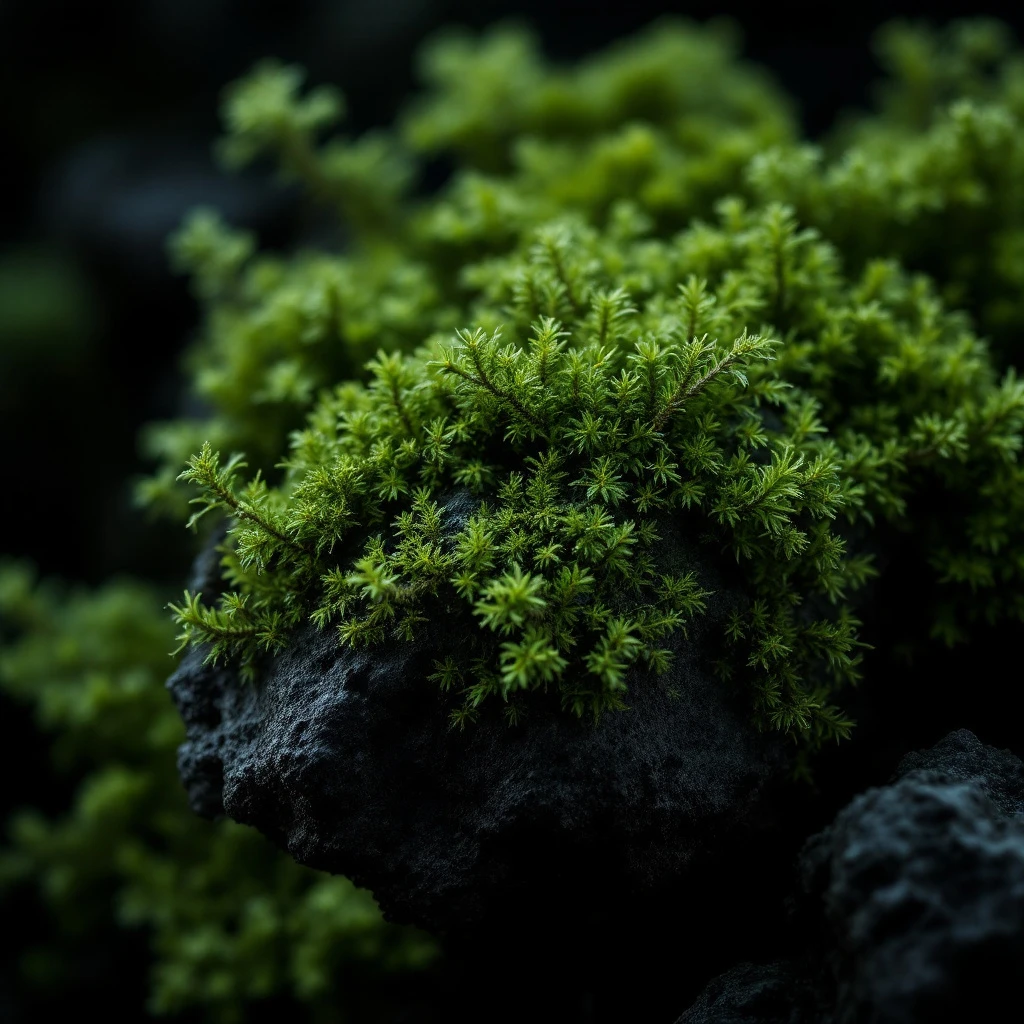
Kiawah Tree Moss
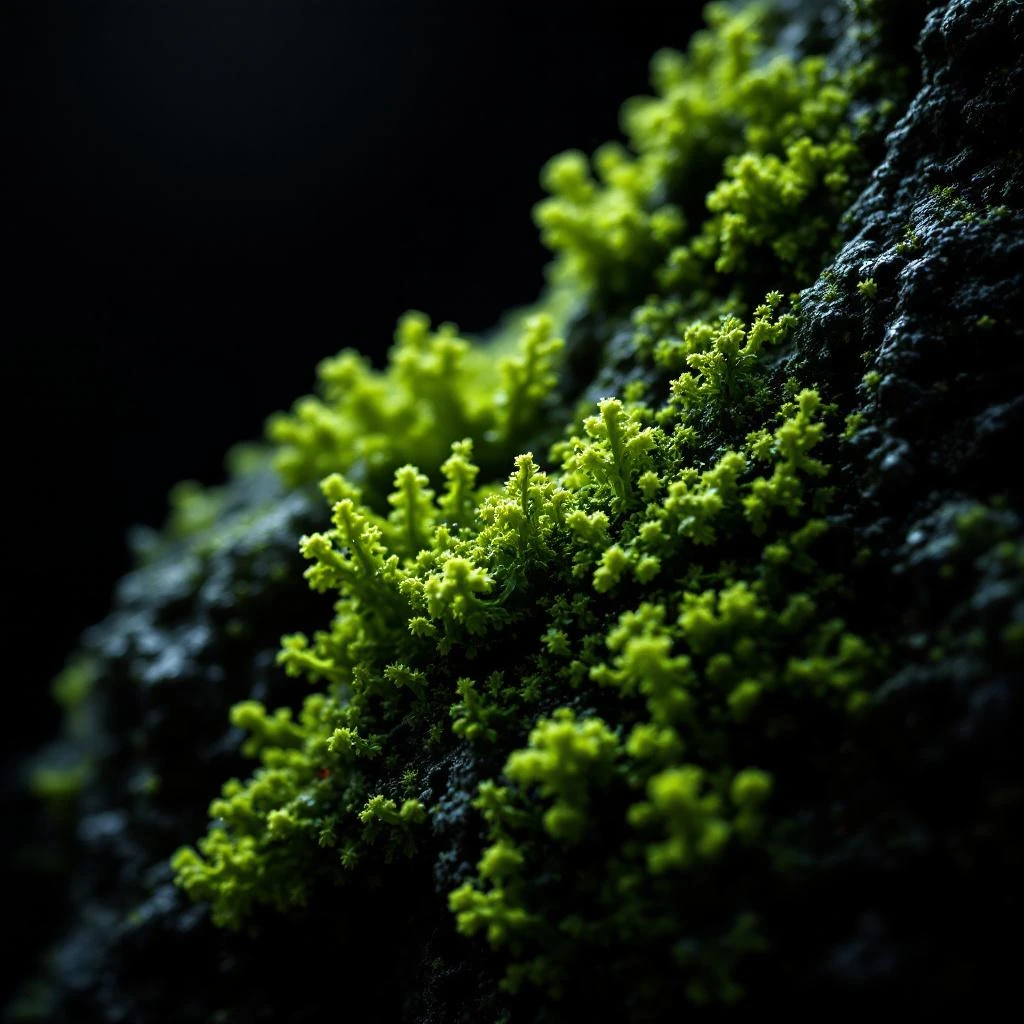
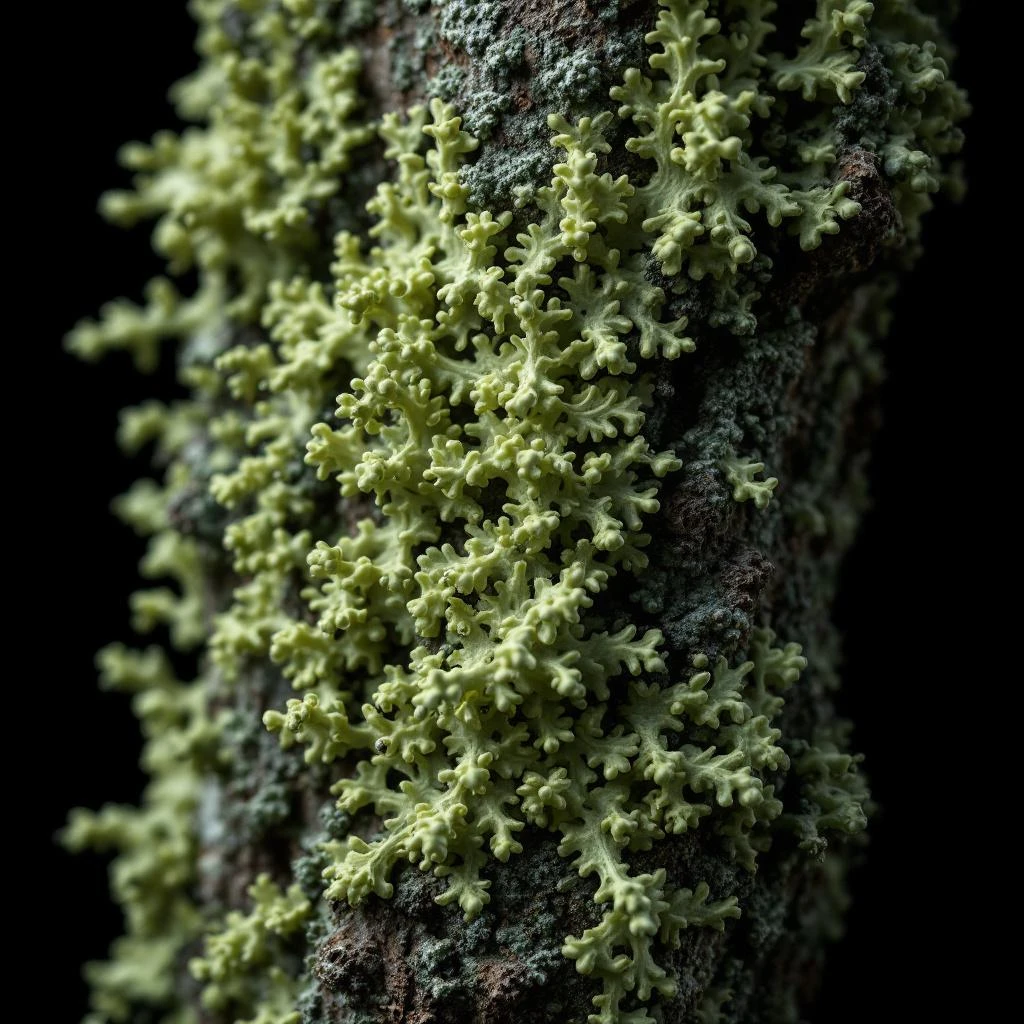
Tree moss harvested from the bark of pines and firs carries the cool, resinous breath of northern forests. Its solvent extracts anchor chypre and fougère compositions with an unmistakable damp, earthy depth.
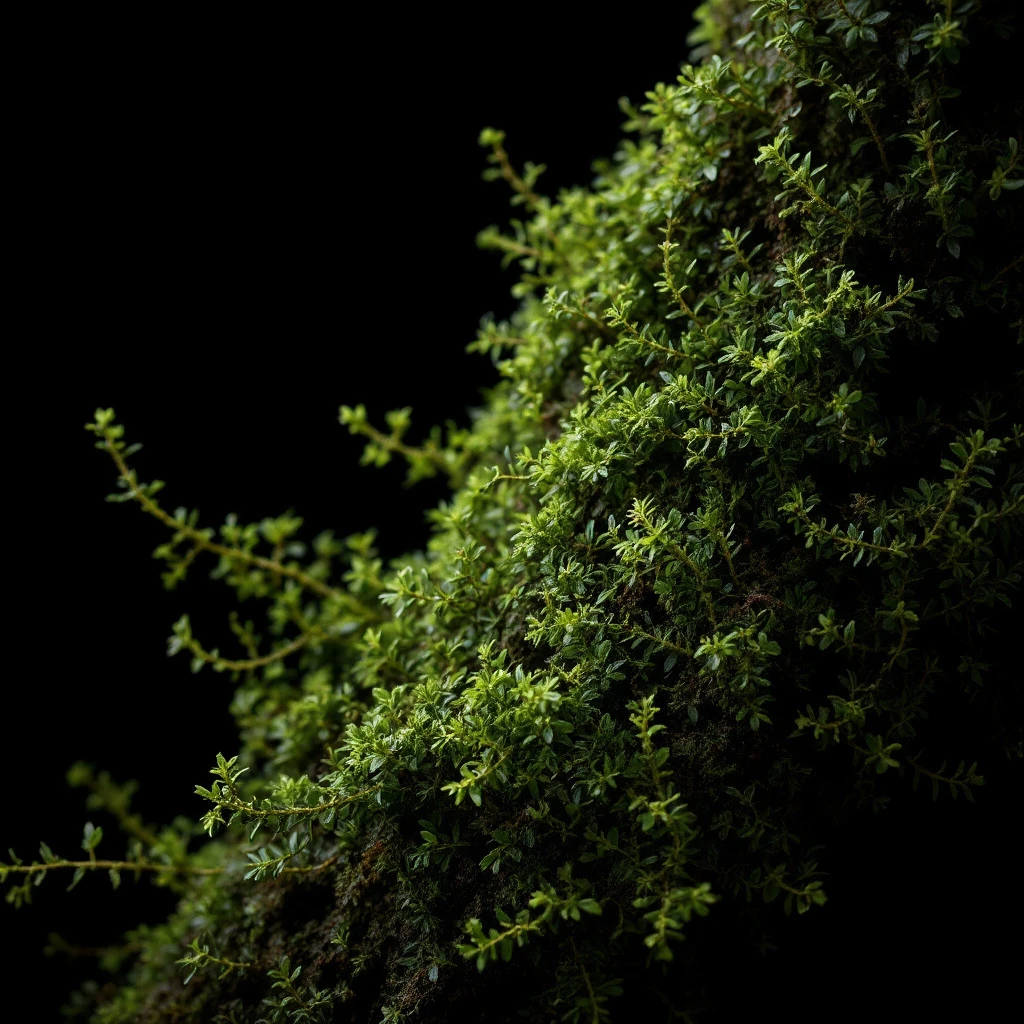
Character
How it smells
The forest floor, bottled.
Tree moss is technically a lichen, not a moss, and produces no roots or flowers of its own.





Origin
France
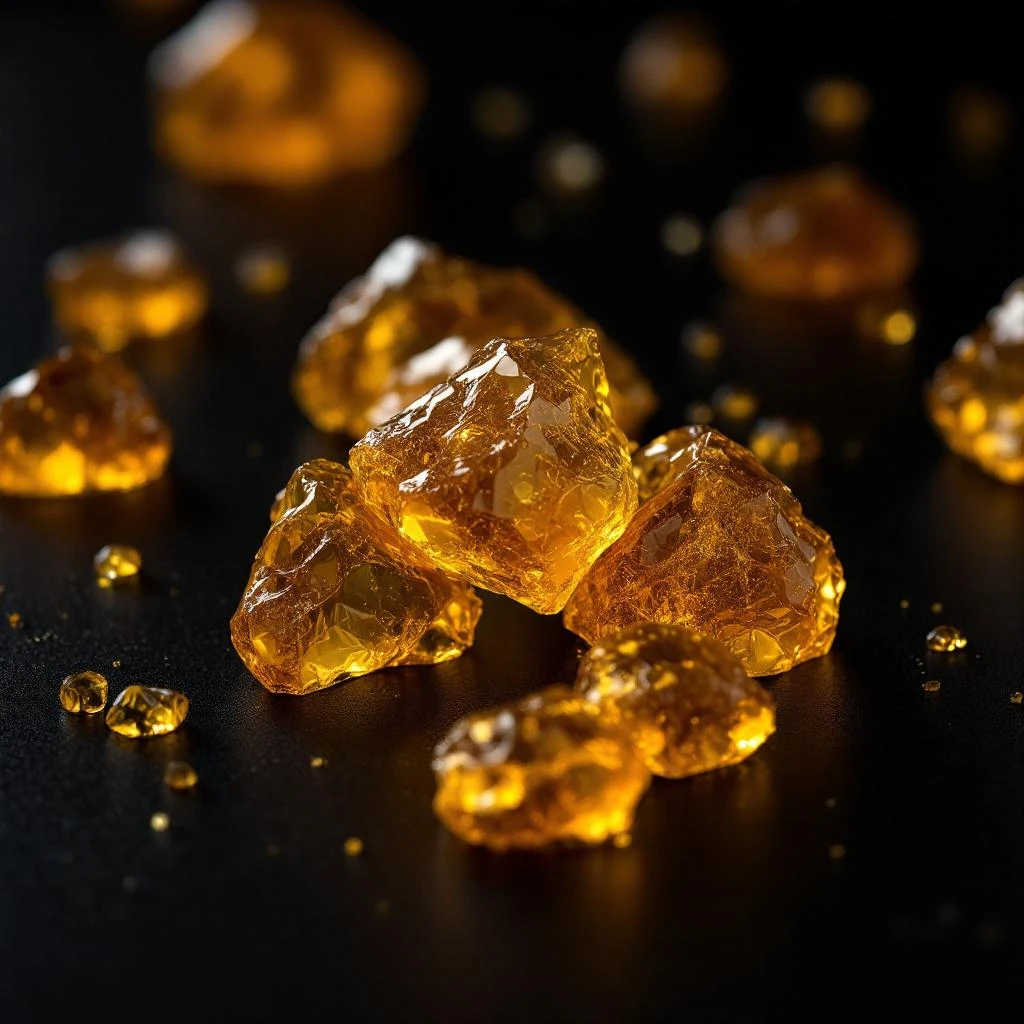
Tree moss and its cousin oakmoss anchored classical perfumery long before synthetic alternatives existed. Coty's Chypre in 1917 catapulted moss-type ingredients into mainstream attention, defining an entire fragrance family built around mossy, woody, and citrus accords. Earlier still, nineteenth century French and British perfumers relied on these lichen extracts to add depth and longevity to their compositions.
Harvesting centered on France and Eastern Europe, where collectors hand-gathered lichen from oak, pine, and fir trunks. The 2001 IFRA restriction on atranol and chloroatranol forced reformulations across the industry, since these natural constituents posed sensitization risks. Modern tree moss extracts must undergo purification to reduce these compounds to safe thresholds.
This single regulatory shift reshaped chypre construction for an entire generation of perfumers.
Wears it best
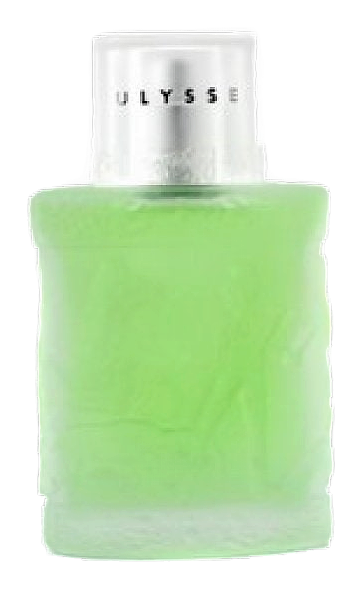
Fragrances featuring Kiawah Tree Moss
Brands
Brands known for Kiawah Tree Moss
Good to know
Questions, answered
The essentials on Kiawah Tree Moss in perfumery: how it smells, where it comes from, and how it behaves on skin.
What does Kiawah tree moss smell like in perfume?
It smells damp, woody, and resinous, with cool green notes that evoke forest undergrowth. Tree moss lends depth and a subtle earthy sweetness to chypre and fougère compositions.
Is tree moss the same as oakmoss?
No. Oakmoss comes from Evernia prunastri lichen growing on oak trees, while tree moss derives from Evernia furfuracea on pines and firs. Their aroma profiles overlap but differ in sharpness and intensity.
Is tree moss safe to use in fragrance?
Yes, when properly purified. IFRA standards since 2001 require reduced levels of atranol and chloroatranol, the natural allergens responsible for sensitization concerns in untreated extracts.
Where is tree moss harvested for perfumery?
Most commercial supply comes from France and Eastern Europe, where collectors gather lichen from conifer bark by hand. Smaller volumes also arrive from China and the Balkans.
Why did IFRA restrict oakmoss and tree moss?
Research identified atranol and chloroatranol as strong skin sensitizers. IFRA set limits on these compounds in 2001, requiring suppliers to refine extracts before they enter fragrance formulations.
What fragrance families use tree moss?
Chypre, fougère, and classic masculine compositions rely heavily on tree moss. It pairs with bergamot, lavender, and patchouli to create the mossy backbone these structures require.
How is tree moss absolute produced?
Producers use solvent extraction, typically hexane or ethanol, on dried lichen. After evaporation and a second alcohol wash, the resulting absolute contains the concentrated aromatic fraction free of most waxy residue.
Can tree moss be synthetically replicated?
Partially. Materials like Evernyl replicate certain mossy facets, but perfumers note the natural absolute retains a forest-like complexity that single-molecule alternatives struggle to match fully.