Karak Tea
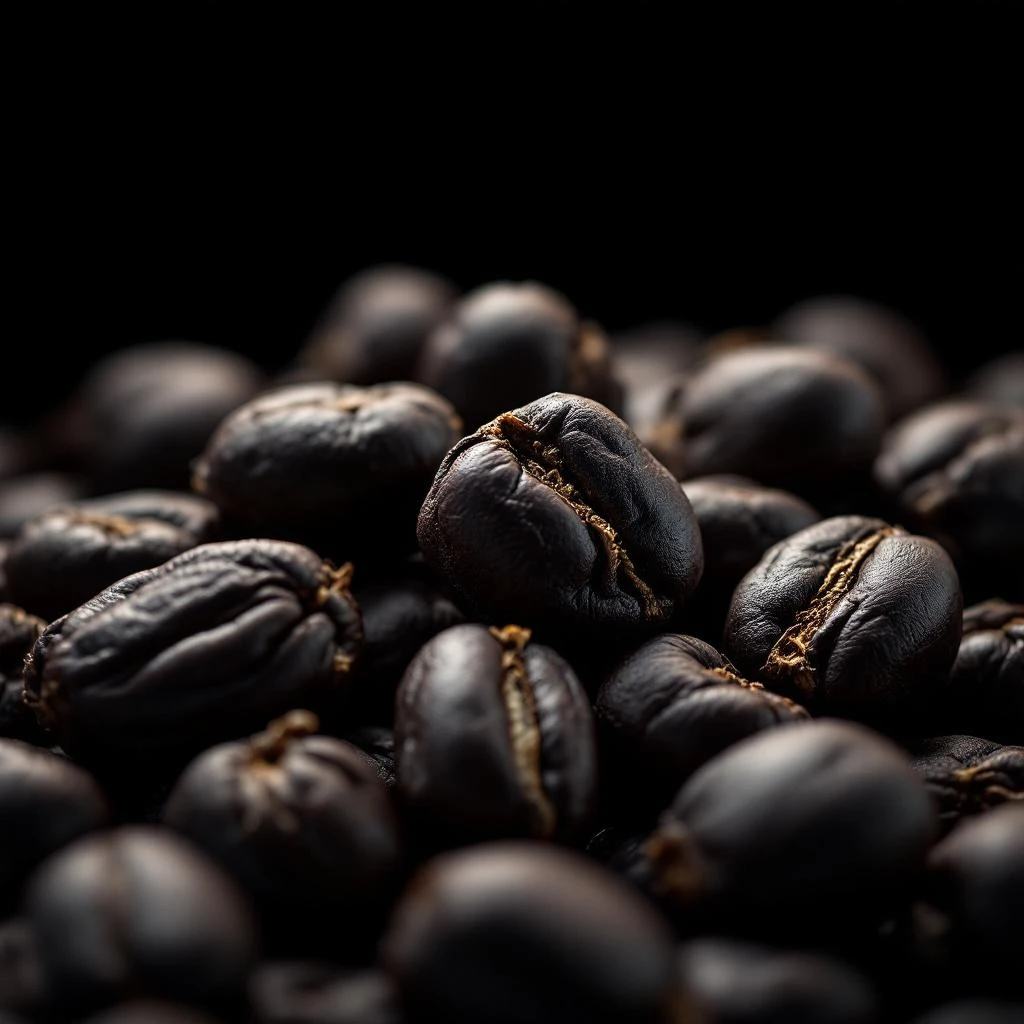
A bold, aromatic concentrate distilled from black tea leaves, capturing the essence of South Asian chai culture. Karak tea extract delivers warm, malty, slightly smoky nuances that add remarkable depth to fragrance compositions.
Character
How it smells
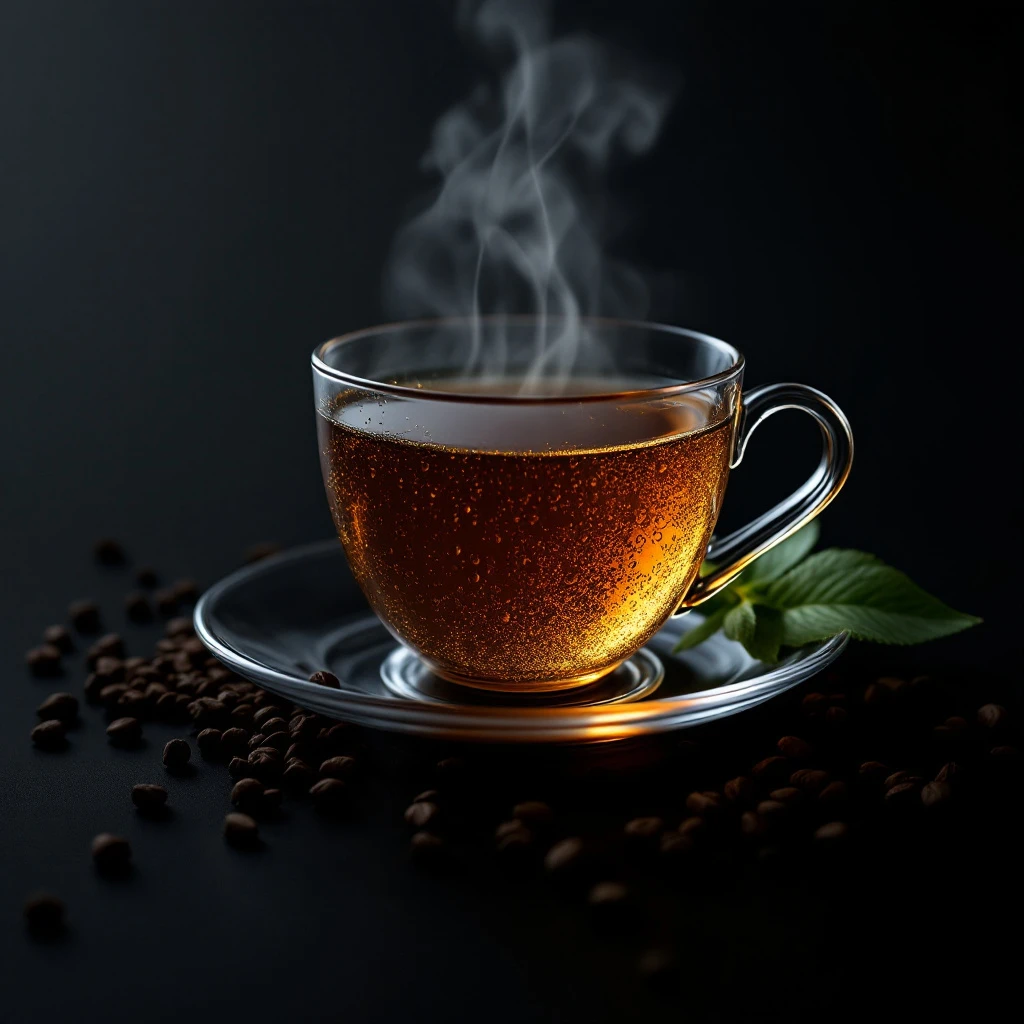
Strong brewed tea warmth, now in a bottle.
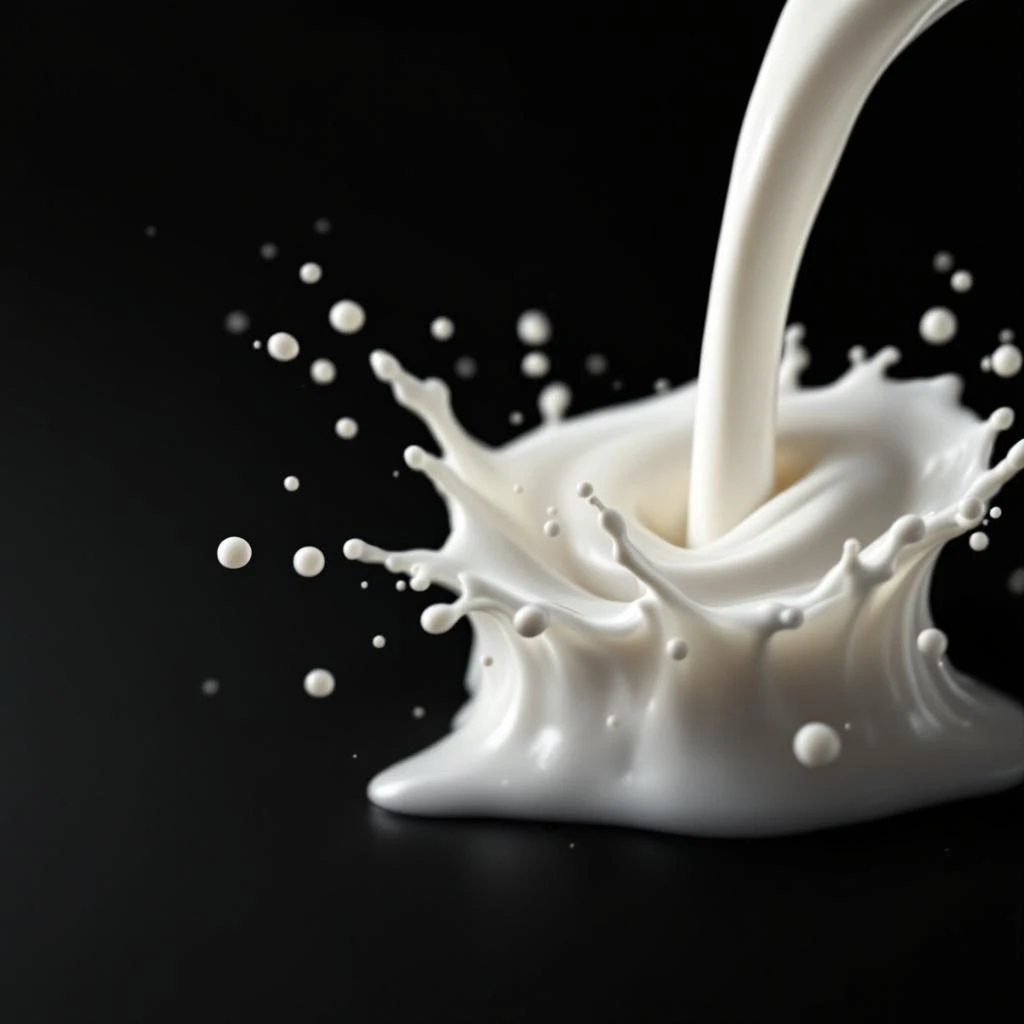
The word "karak" means "strong" in Urdu, and the drink is traditionally brewed with condensed milk, giving it a distinctive creamy richness that translates into perfumery as a comforting, enveloping warmth.




Origin
India
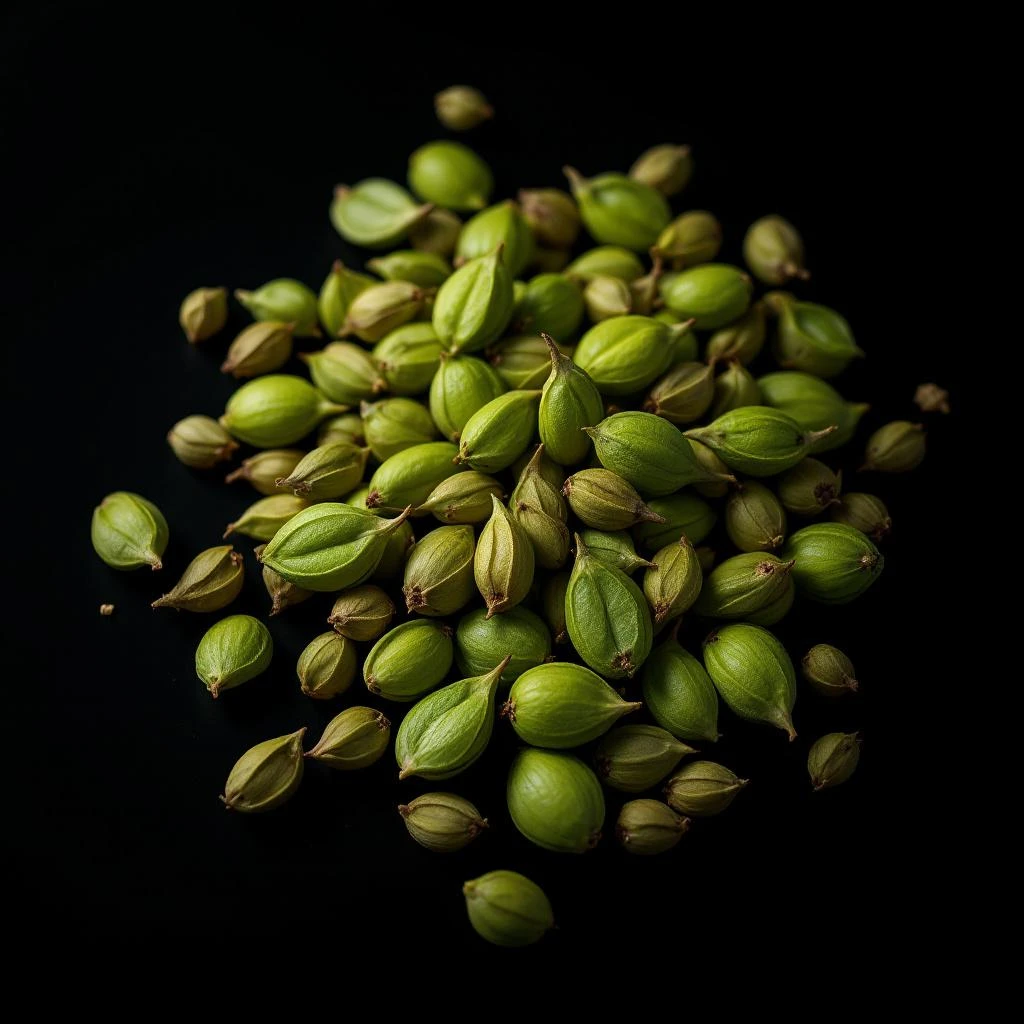
Tea cultivation originated in China over 3,000 years ago, though black tea as we know it emerged later in the 17th century during Chinese Ming dynasty experiments with oxidation. The British colonial establishment of tea gardens in Assam, India during the 1840s transformed tea from a luxury import into a mass commodity, reshaping South Asian culture profoundly. In response, local communities developed their own tea traditions, brewing strong, spiced chai with cardamom, ginger, and condensed milk that became the karak chai served from street-side stalls across India and Pakistan.
This style of tea reflects a post-colonial reclamation, taking a crop imposed by colonial powers and reshaping it into something entirely local. Karak tea entered Western perfumery relatively recently, recognized for its complex aromatic profile that evokes warmth, domestic comfort, and cultural richness beyond what green or white tea extracts offer.
Wears it best
Fragrances featuring Karak Tea

Brands
Brands known for Karak Tea
Good to know
Questions, answered
The essentials on Karak Tea in perfumery: how it smells, where it comes from, and how it behaves on skin.
What does karak tea smell like in a fragrance?
Karak tea adds warm, malty, slightly smoky, and astringent qualities to fragrance. It evokes the scent of a strong brewed cup with notes of dried leaves, gentle bitterness, and a creamy undertone from the milk traditionally used in the drink.
How does karak tea differ from green tea in perfumery?
Green tea extracts are lighter, vegetal, and fresh, while karak tea delivers deeper, maltier, smoky warmth. Black tea oxidation creates theaflavins and thearubigins absent in green tea, giving karak extracts richer, more complex aromatic depth.
Where does karak tea for perfumery come from?
Assam, India is a primary source, producing roughly 50% of India's tea output. The region's warm, humid climate and rich soil give Assam tea its characteristic strong, malty flavor profile that perfumers value.
Is karak tea a natural or synthetic ingredient?
Karak tea extract is a natural ingredient obtained through solvent extraction or steam distillation of fermented Camellia sinensis leaves. Some perfumers also use nature-identical isolates to reinforce specific aromatic facets.
What fragrance families pair well with karak tea?
Karak tea works well in oriental, woody, and fougère compositions. It anchors warm, comforting fragrances alongside notes like vanilla, amber, sandalwood, and spices such as cardamom and ginger.
What extraction technique produces karak tea absolute?
Solvent extraction is the standard method. Dried, oxidized tea leaves are treated with a solvent like hexane to pull aromatic compounds, yielding a concrete that is further processed into an absolute with a rich, concentrated tea scent.
Why did karak tea become culturally significant in South Asia?
British colonial tea plantations in the 19th century made tea widely available in India and Pakistan. Local populations transformed it into spiced, milky karak chai, creating a distinct cultural drink that symbolized community gathering and everyday ritual.
What part of the tea plant is used to produce karak tea extract?
Only the dried, fermented leaves of Camellia sinensis are used. The stems and twigs are typically discarded during processing, as the leaf tissue contains the highest concentration of aromatic compounds responsible for the malty, warm character.




