Israeli Grapefruit
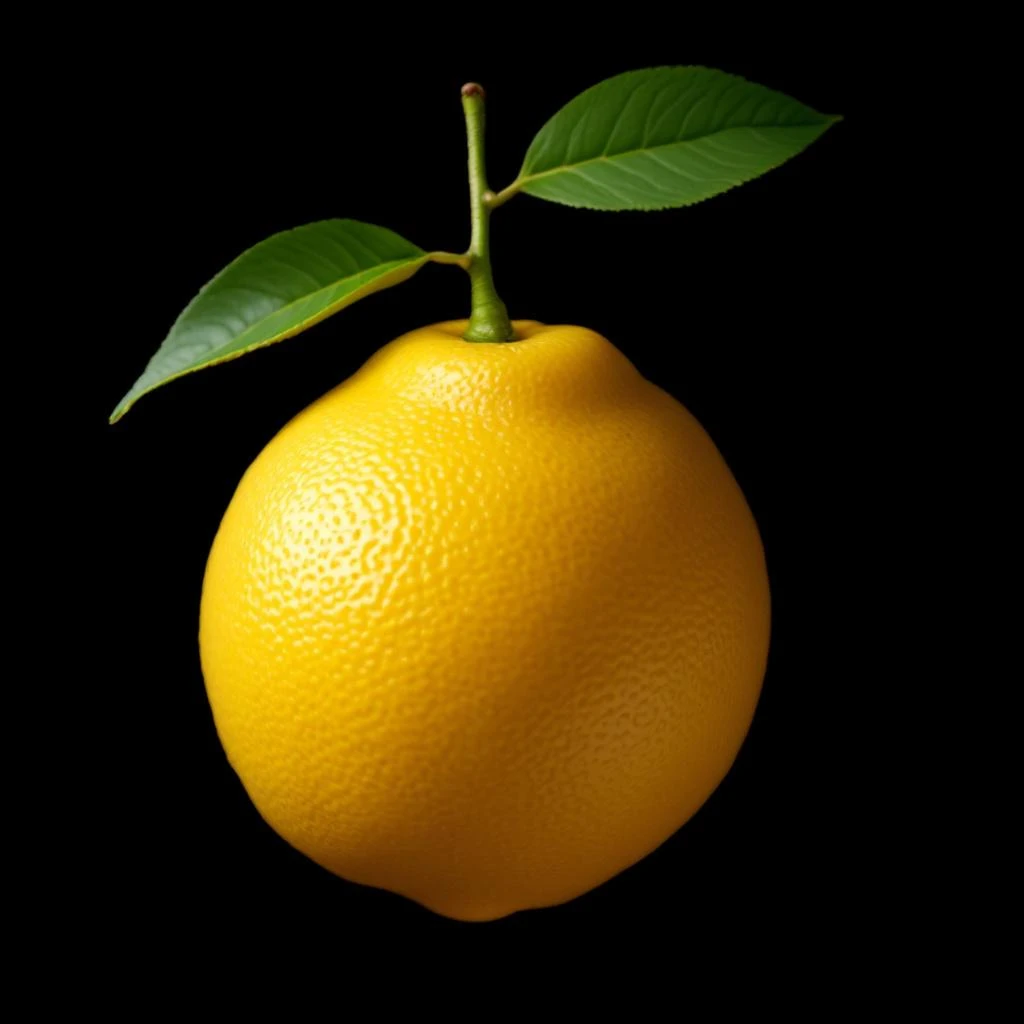
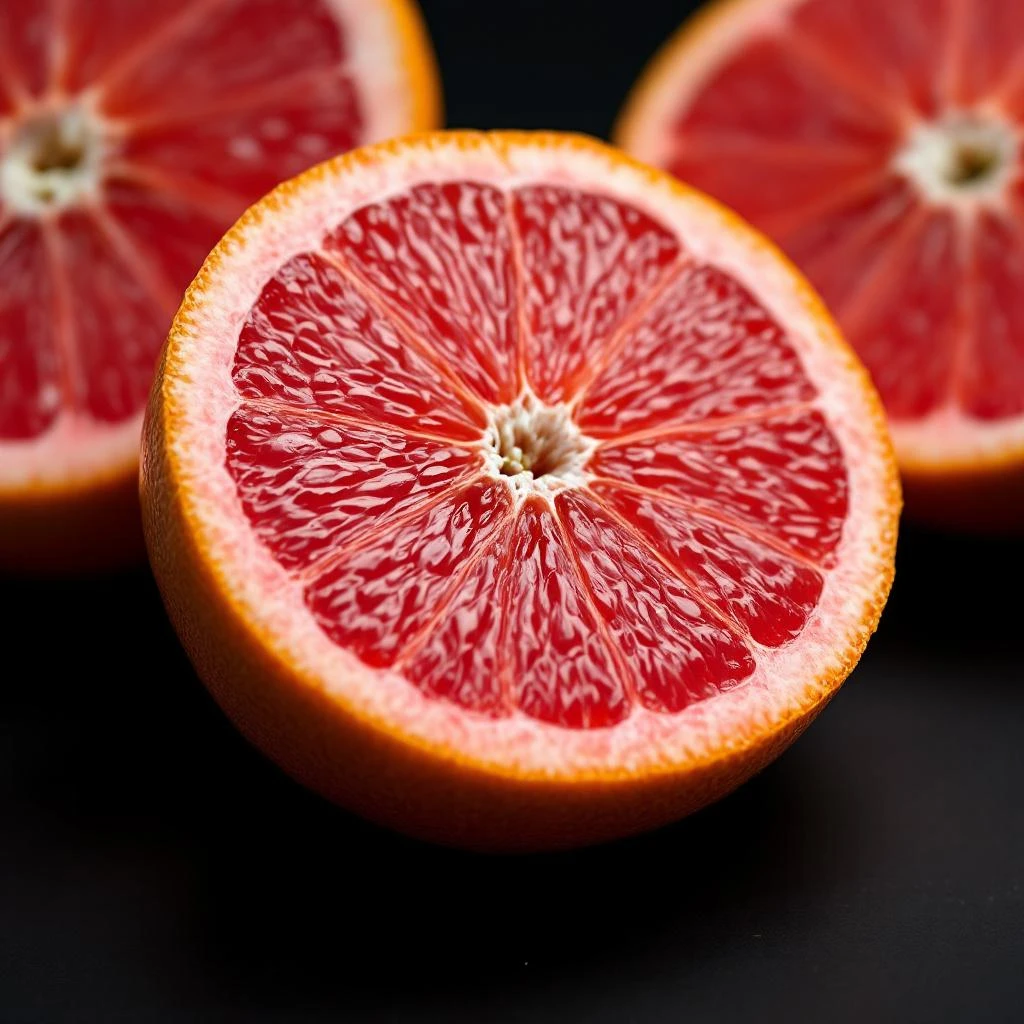
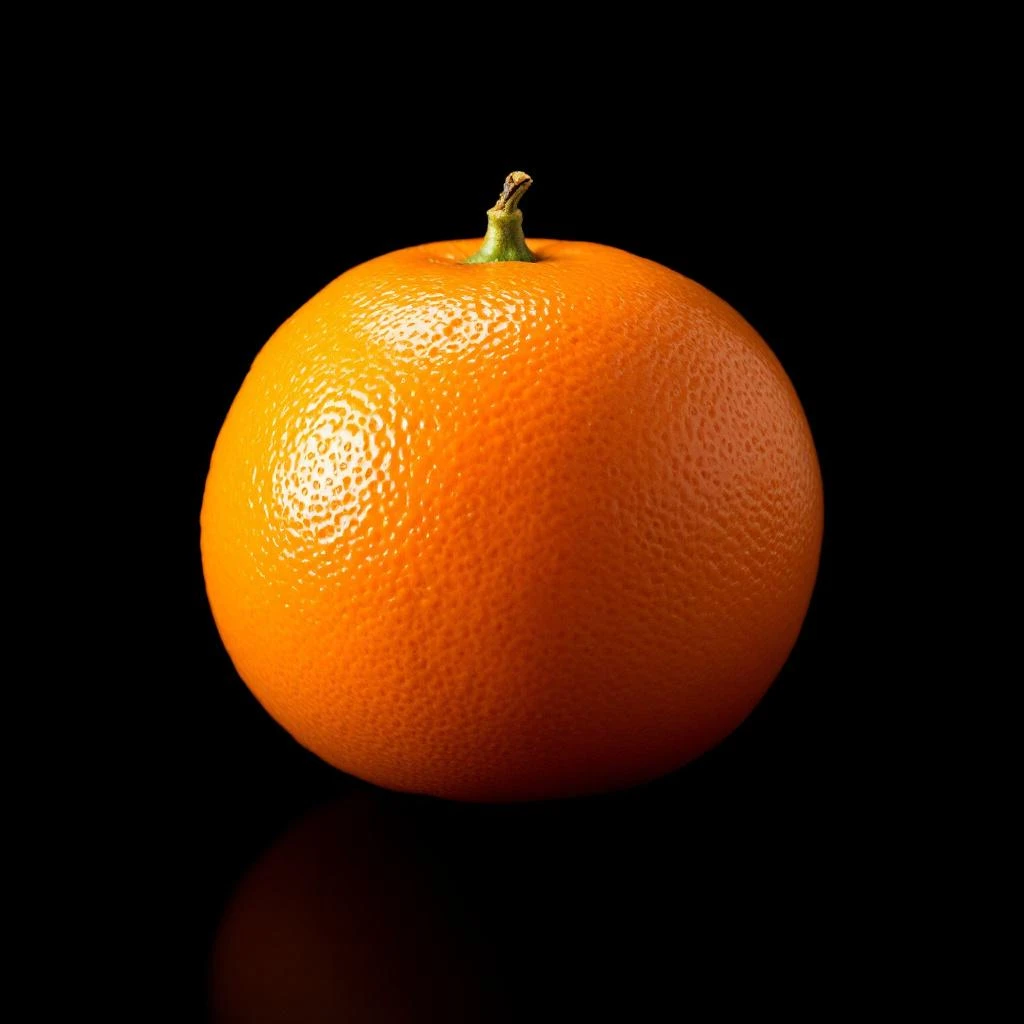
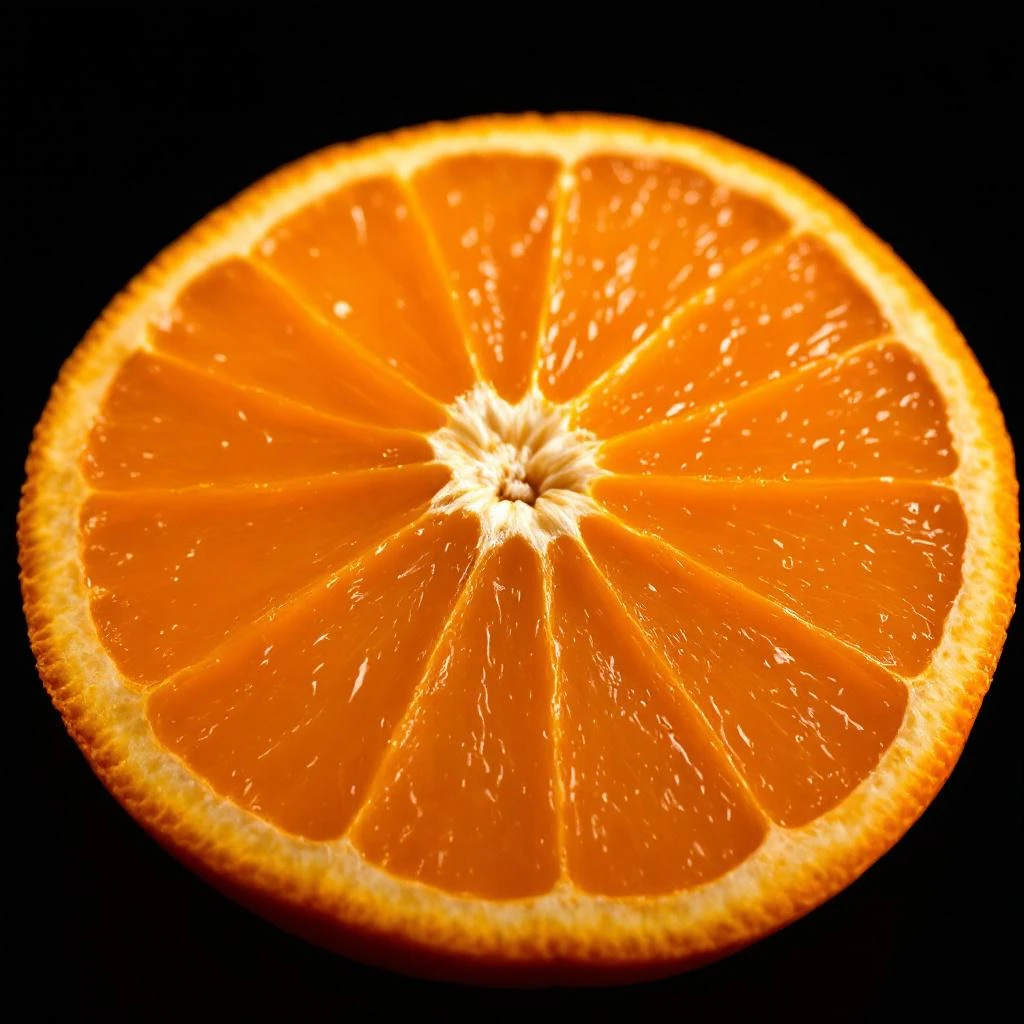
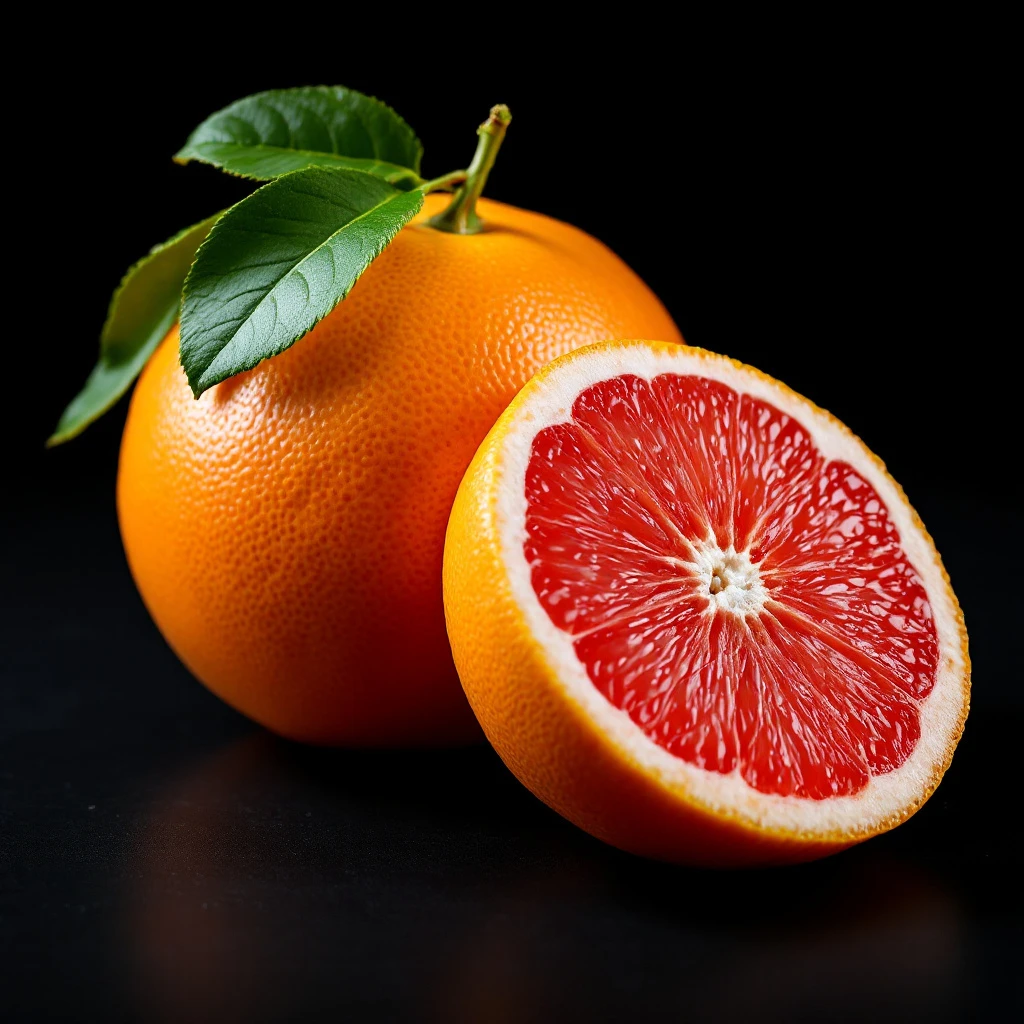
Israeli Grapefruit delivers a sharp, sun-warmed citrus brightness prized in modern colognes and Eau de Toilettes. Grown in the Mediterranean's intense light, this variety offers a cleaner, less sweet zest than its Florida cousins, opening compositions with crisp bitterness and green lift.
Character
How it smells
Mediterranean sun captured in cold-pressed zest
Israel's Negev and Galilee groves produce grapefruit with thinner peels and higher oil yields than subtropical varieties, making cold-press extraction especially efficient.

Origin
Israel
The grapefruit itself is a relatively young species, a natural hybrid of pomelo and sweet orange first documented in Barbados around 1750. It reached Europe through botanical collections and spread to the Mediterranean by the early nineteenth century. Grapefruit entered perfumery gradually; Florida's first commercial grapefruit oil production dates to 1933, establishing the fruit as a viable aromatic raw material.
Israel began cultivating citrus on a large scale during the British Mandate period, with Jewish agricultural settlements planting orchards in the coastal plain and Galilee from the 1920s onward. After 1948, citrus exports became a cornerstone of the new state's economy. Israeli grapefruit earned a reputation for thick rinds, vivid color, and intensely aromatic zest.
By the 1980s, Israeli producers began supplying essential oil houses in Grasse and beyond, introducing a distinctly Mediterranean character to grapefruit notes. Today, the country hosts several firms specializing in biotech and natural fragrance ingredients, cementing its role in modern perfumery supply chains.
Wears it best
Fragrances featuring Israeli Grapefruit

Brands
Brands known for Israeli Grapefruit
Good to know
Questions, answered
The essentials on Israeli Grapefruit in perfumery: how it smells, where it comes from, and how it behaves on skin.
What does Israeli Grapefruit smell like in perfumery?
Israeli Grapefruit offers a sharper, more bitter-green aroma than Florida grapefruit, with pronounced zest character and minimal sweetness. The Mediterranean growing conditions yield oil rich in nootkatone and fresh thiols, producing that crisp, sun-bitten citrus note that opens many modern colognes.
How is Israeli Grapefruit oil extracted?
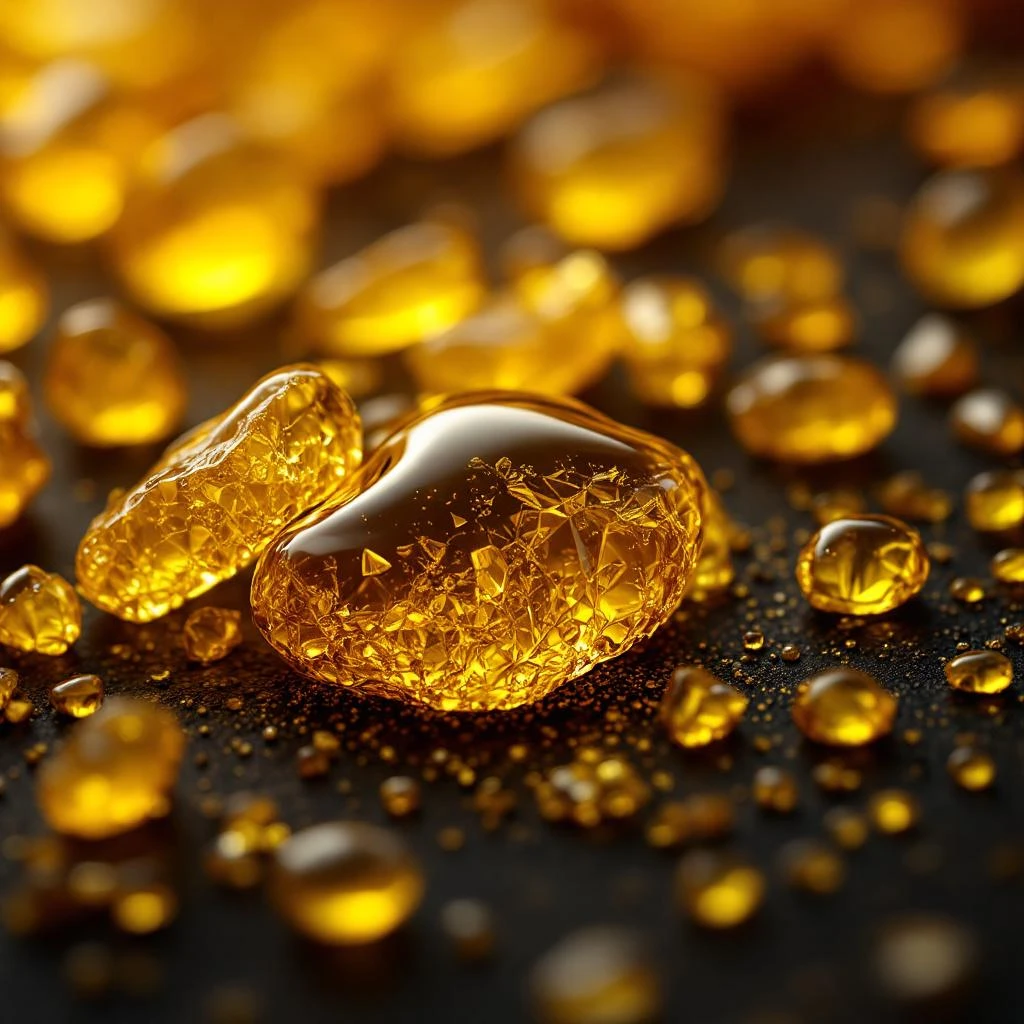
Producers use cold expression, mechanically pressing the outer rind to release oil without heat. This method preserves volatile compounds that steam distillation would destroy, capturing the fruit's full aromatic profile within hours of harvest.
Where does Israeli Grapefruit grow best?
The Jordan Rift Valley, coastal plain, and Galilee produce most Israeli grapefruit. Limestone soils, abundant sun, and mineral-rich irrigation create fruit with thinner peels and concentrated oil glands compared to subtropical varieties.
Is Israeli Grapefruit different from Florida Grapefruit?
Yes. Israeli grapefruit typically shows more bitter, green-leaning facets, while Florida grapefruit tends toward sweeter, juicier tones. The difference traces to climate, soil composition, and peel thickness between the two growing regions.
When was grapefruit first used in perfumery?
Commercial grapefruit oil production began in Florida in 1933. Israel entered the market decades later, by the 1980s, supplying Mediterranean-grown fruit to European fragrance houses seeking a brighter, more austere citrus profile.
Why is grapefruit oil so expensive?
Yield is low. Approximately 300 kilograms of fresh fruit yield one kilogram of cold-pressed oil. Combined with refrigerated shipping requirements and seasonal availability, these factors keep grapefruit oil among the pricier citrus materials.
Is grapefruit essential oil phototoxic?
Yes, grapefruit oil contains furocoumarins that can increase skin sensitivity to UV light. Most modern formulations use furocoumarin-free (FCF) versions to reduce this risk while preserving the aromatic profile.
What perfume types feature Israeli Grapefruit most?
Israeli Grapefruit dominates top notes in fresh colognes, aromatic fougères, and clean unisex fragrances. Its bitter-green sharpness pairs particularly well with vetiver, cedarwood, and white musks in contemporary minimalist compositions.