Incense Fusion
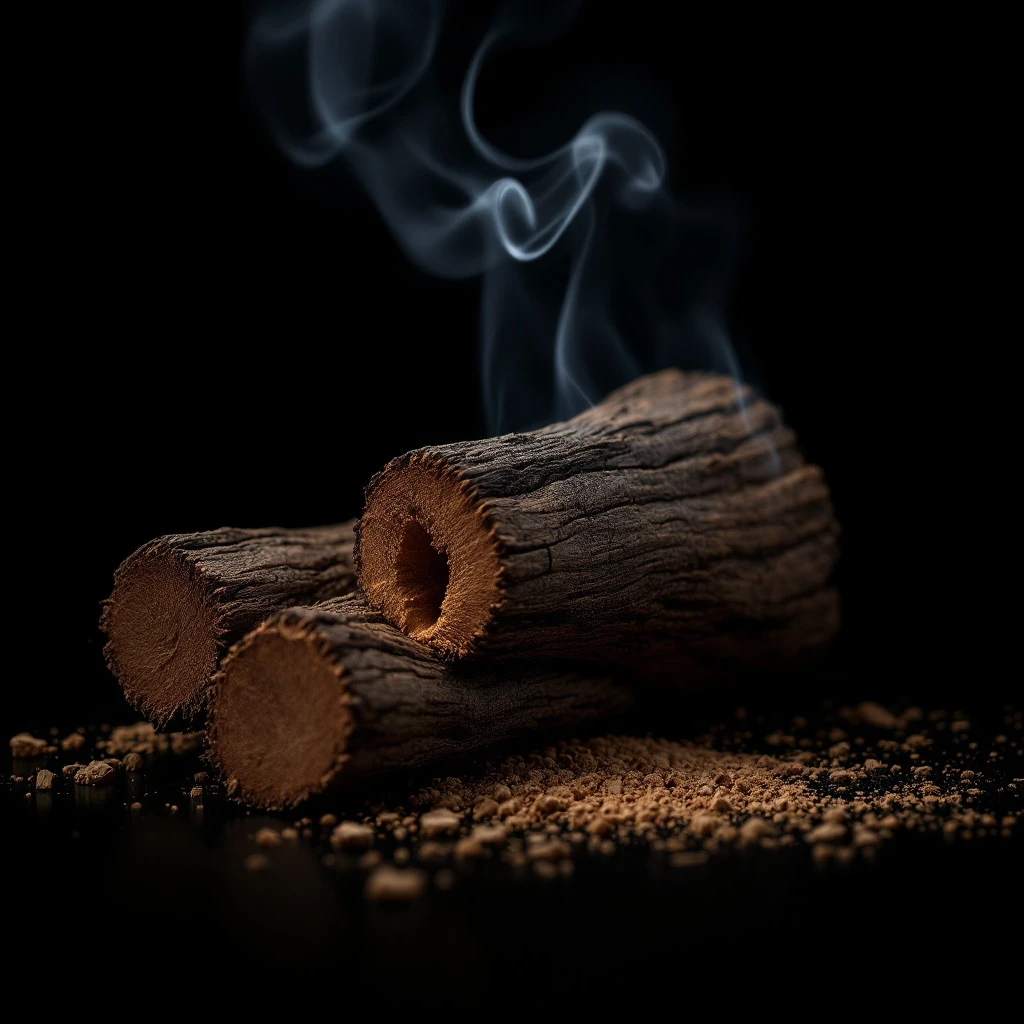
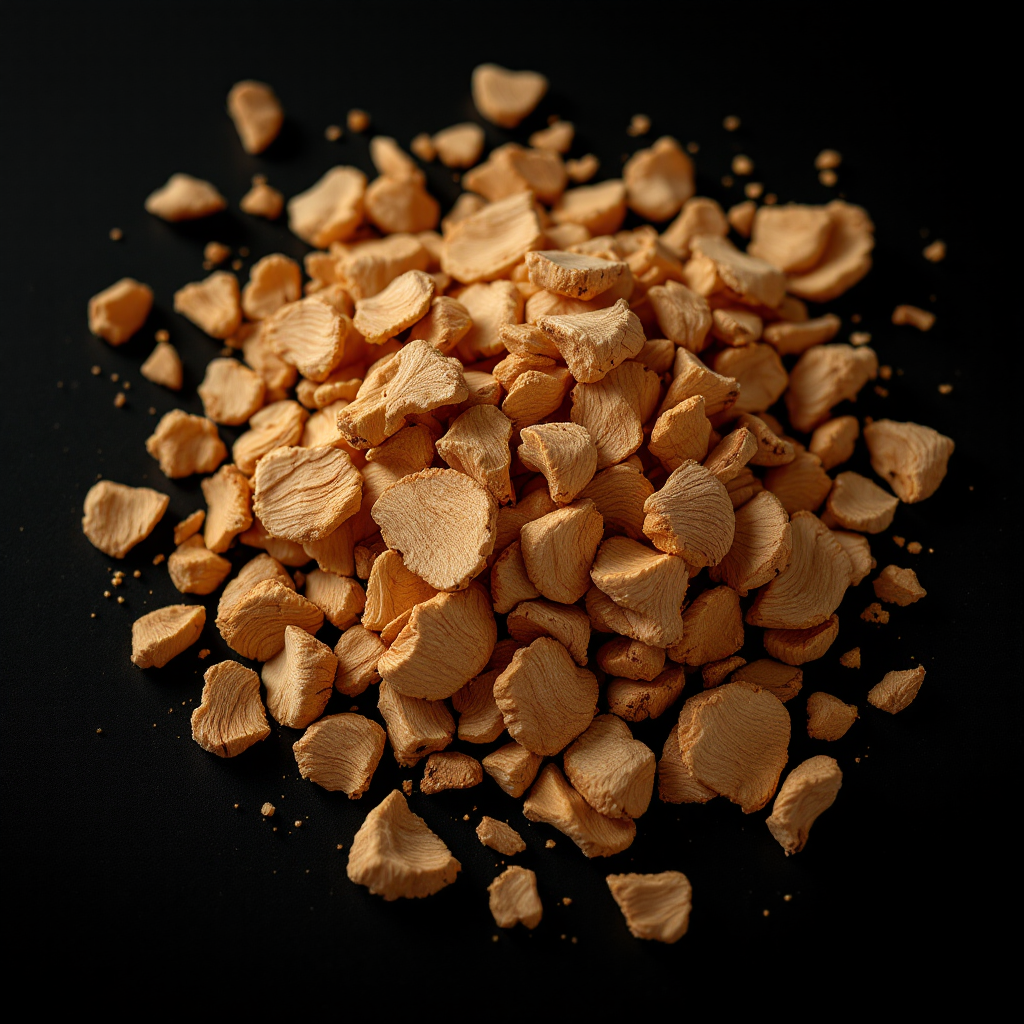
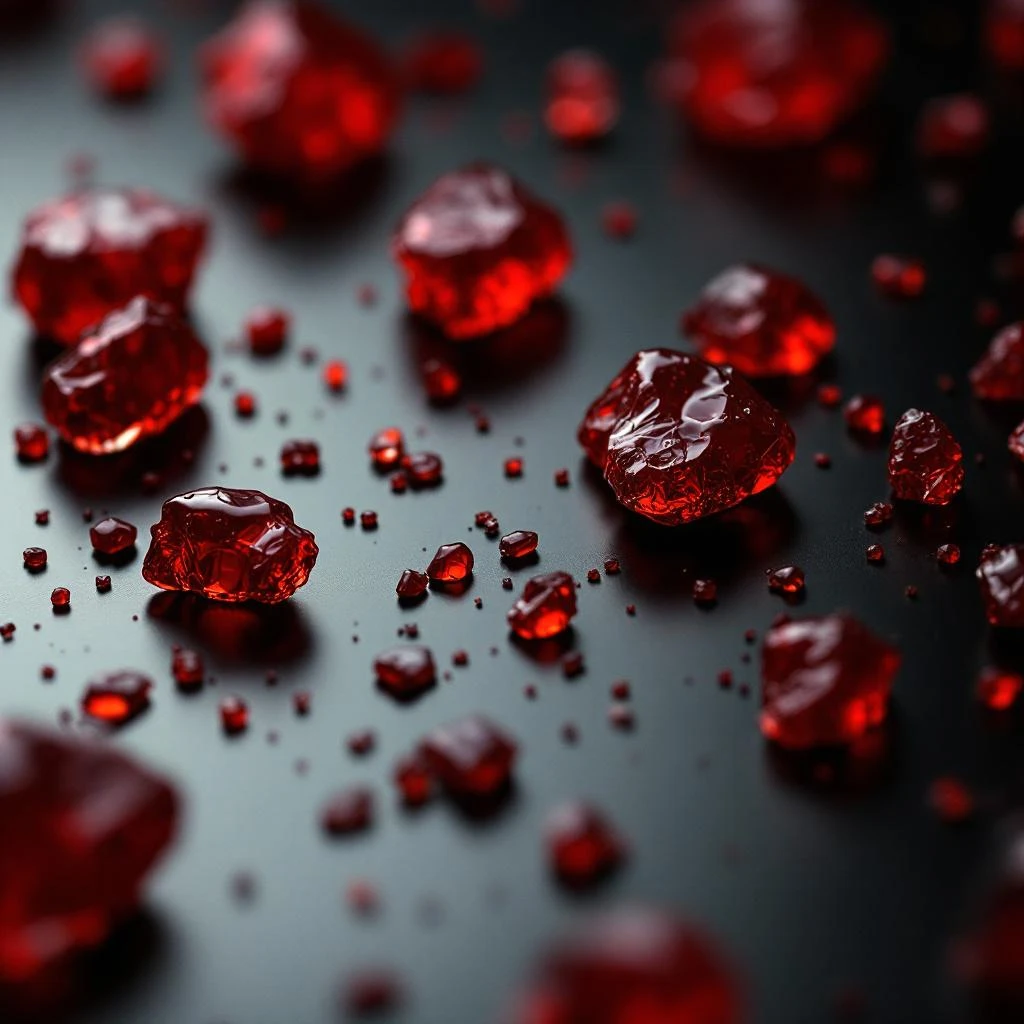
Incense Fusion blends resinous incense materials with aromatic woods and spices, recalling ceremonial smoke softened for contemporary perfume composition.
Character
How it smells
Resinous smoke, softened for the skin.
Incense use reaches back more than 6,000 years, emerging alongside early civilizations in Mesopotamia and Egypt.
Origin
Oman
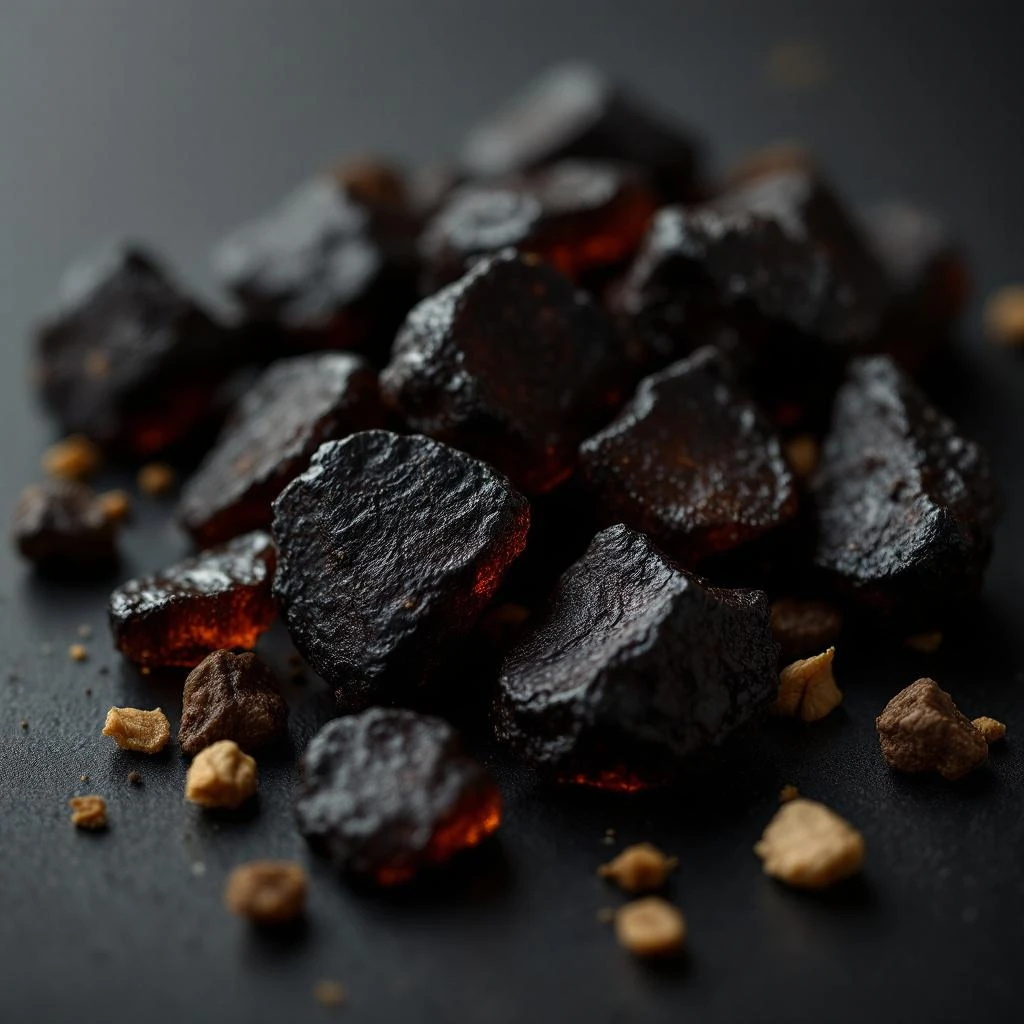
Incense shaped human ritual and perfumery for more than 6,000 years. Its use is closely associated with early Mesopotamia and Egypt, where aromatic resins were burned in temples and funerary practices. Frankincense and myrrh became valued trade materials, connecting regions through ancient incense routes.
Ancient perfumers also incorporated these resins into scented oils, placing incense close to perfume history rather than treating it only as a source of smoke. Egyptian and Arabian practices influenced later aromatic traditions, while distillation methods developed in the medieval Islamic world made it possible to study volatile plant materials more closely. In modern perfumery, Incense Fusion distills that varied history into a composed accord.
It can suggest church incense, dry cedar, warmed resin, pepper, and a trace of charred wood without reproducing one historical recipe. Its significance lies in this layering: ceremonial depth meets contemporary clarity, with roots across multiple regions rather than one definitive origin.
Wears it best
Fragrances featuring Incense Fusion
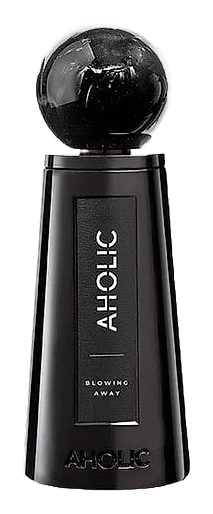
Brands
Brands known for Incense Fusion
Good to know
Questions, answered
The essentials on Incense Fusion in perfumery: how it smells, where it comes from, and how it behaves on skin.
What is Incense Fusion in fragrance?
Incense Fusion is a fragrance accord that combines resinous, smoky, woody, and sometimes spicy notes. It works as a composed effect rather than one plant, often balancing resinous depth with citrusy or dry aromatic facets.
Which materials are commonly used in an incense accord?
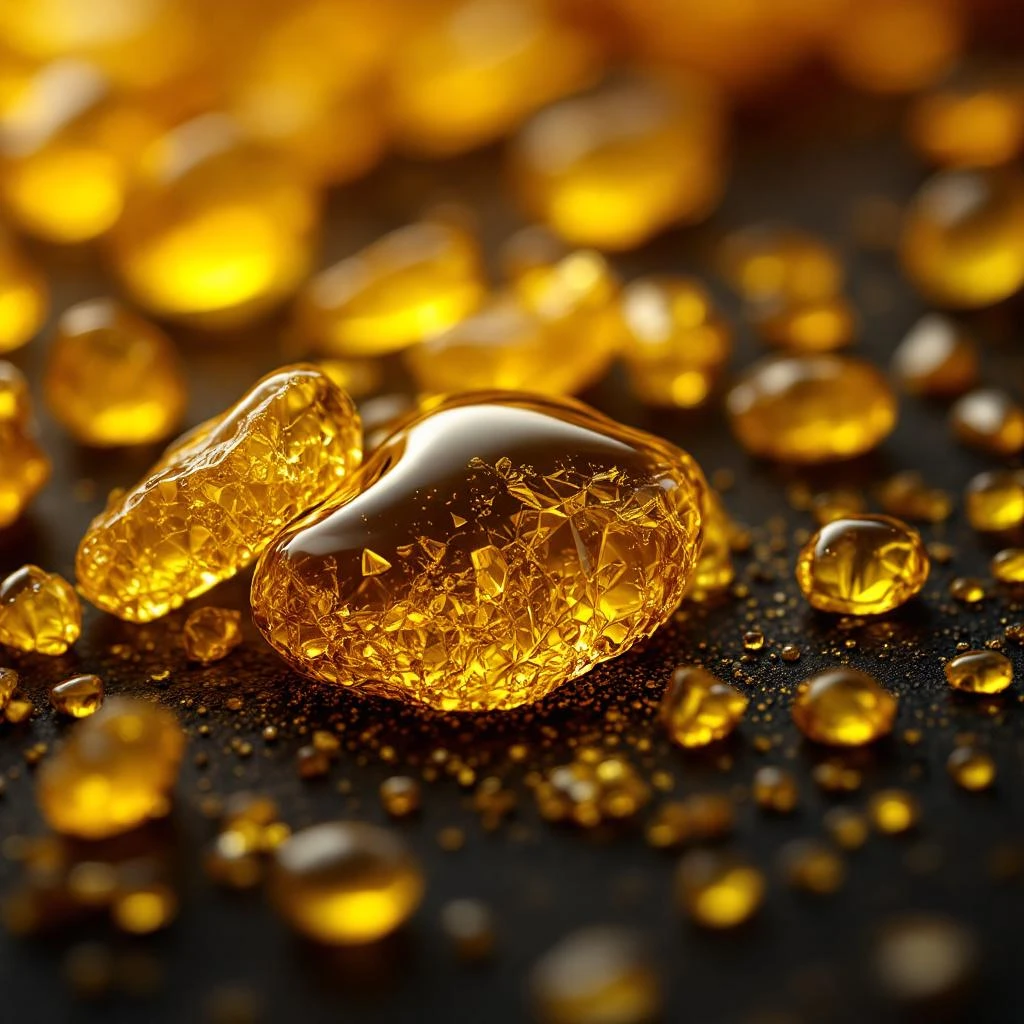
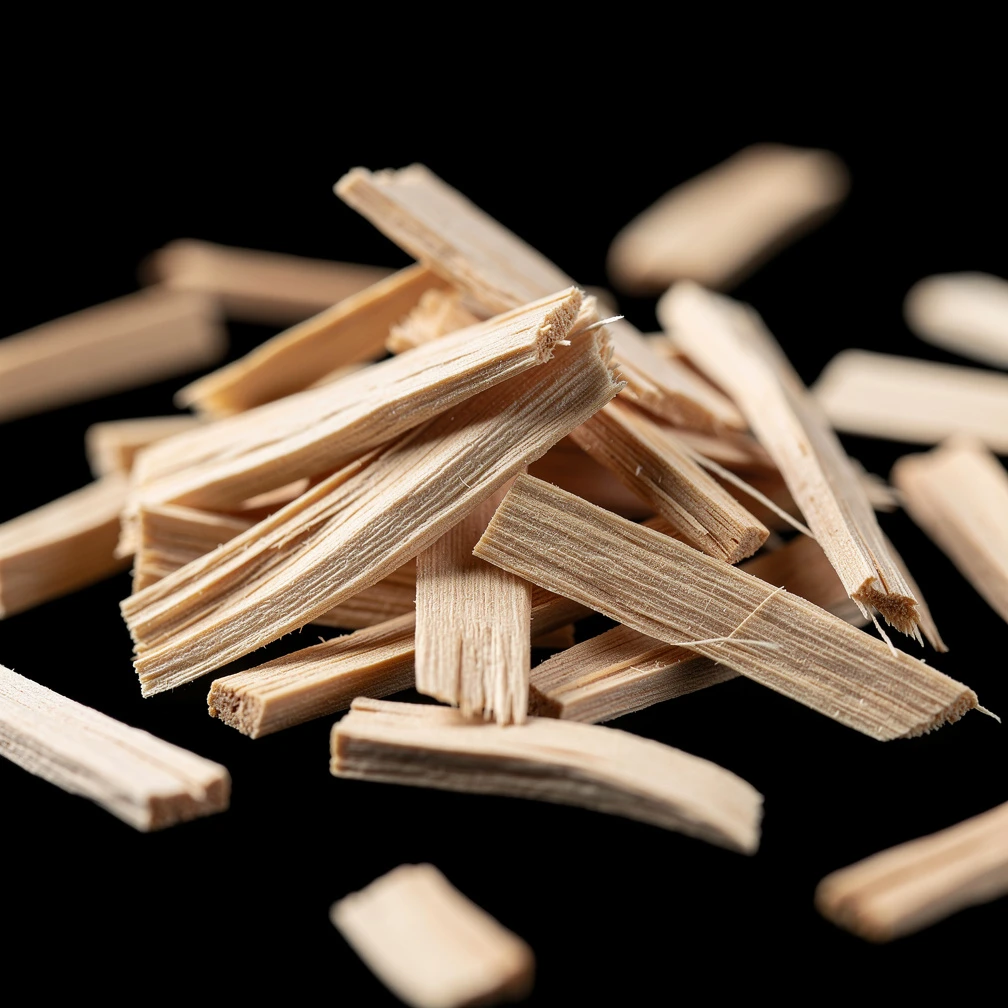
Common materials include frankincense, myrrh, elemi, labdanum, incense wood, oud, and spices. Formula composition varies, because each material contributes a different balance of resinous, balsamic, smoky, or woody character.
Does Incense Fusion mean that incense is a single ingredient?
No. Incense Fusion usually describes a fragrance construction made from several natural materials and synthetic molecules. Perfumers use these components to create a stable, controllable impression of incense on skin.
What does incense smell like in a fine fragrance?
In fine fragrance, incense may smell resinous, dry, balsamic, citrusy, smoky, or woody. The perceived effect depends on its ingredients, concentration, and surrounding notes, so it can feel airy rather than heavily smoky.
Where did incense traditions begin?
Incense traditions are documented more than 6,000 years ago in early Mesopotamia and Egypt. These societies burned aromatic resins in religious and funerary settings, establishing incense as a longstanding ritual material.
Is frankincense the same thing as incense?
Frankincense is an important incense material, but incense is not a single botanical substance. The term can refer to burned resin, a perfumery material, or a composed fragrance accord built around resins, woods, spices, and smoke effects.
How are natural incense resins extracted for perfumery?
Natural resins are harvested from trees or shrubs, then dried and processed through steam distillation, solvent extraction, or CO2 extraction. The method changes the aroma profile, with distilled oils often appearing cleaner and solvent extracts retaining broader resinous character.
Can Incense Fusion suit everyday wear?
Yes, especially when balanced with citrus, florals, woods, or translucent amber notes. A lighter concentration can read as dry smoke and resin, while heavier compositions may emphasize balsams, woods, and warm spice.