Hungarian Tobacco
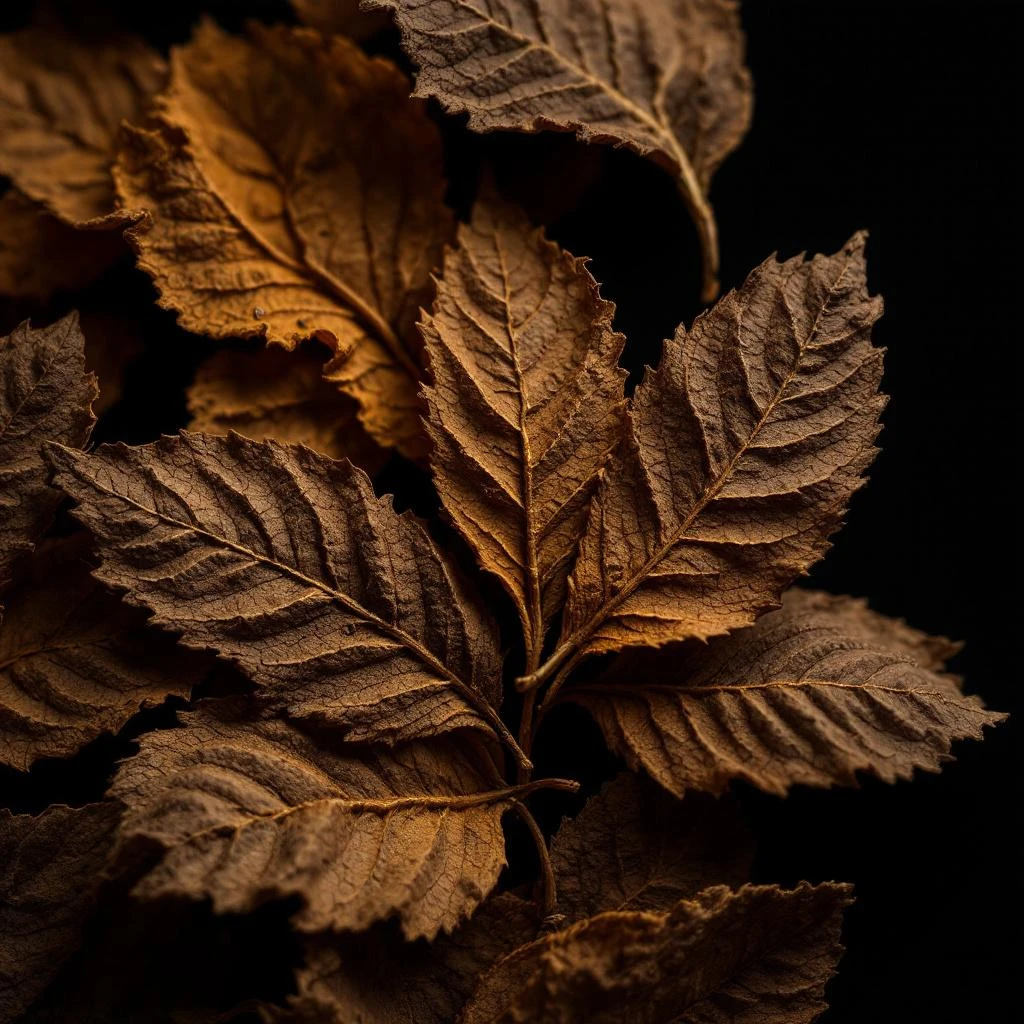
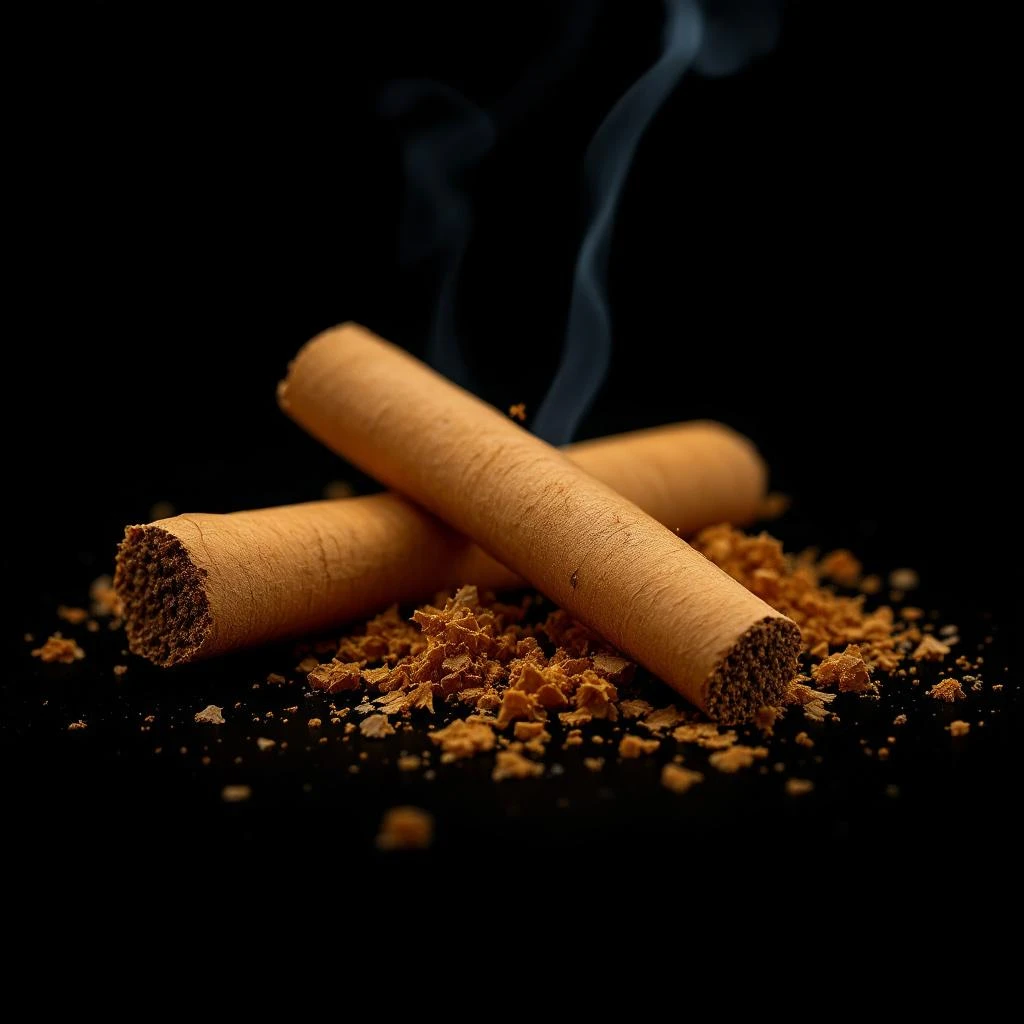
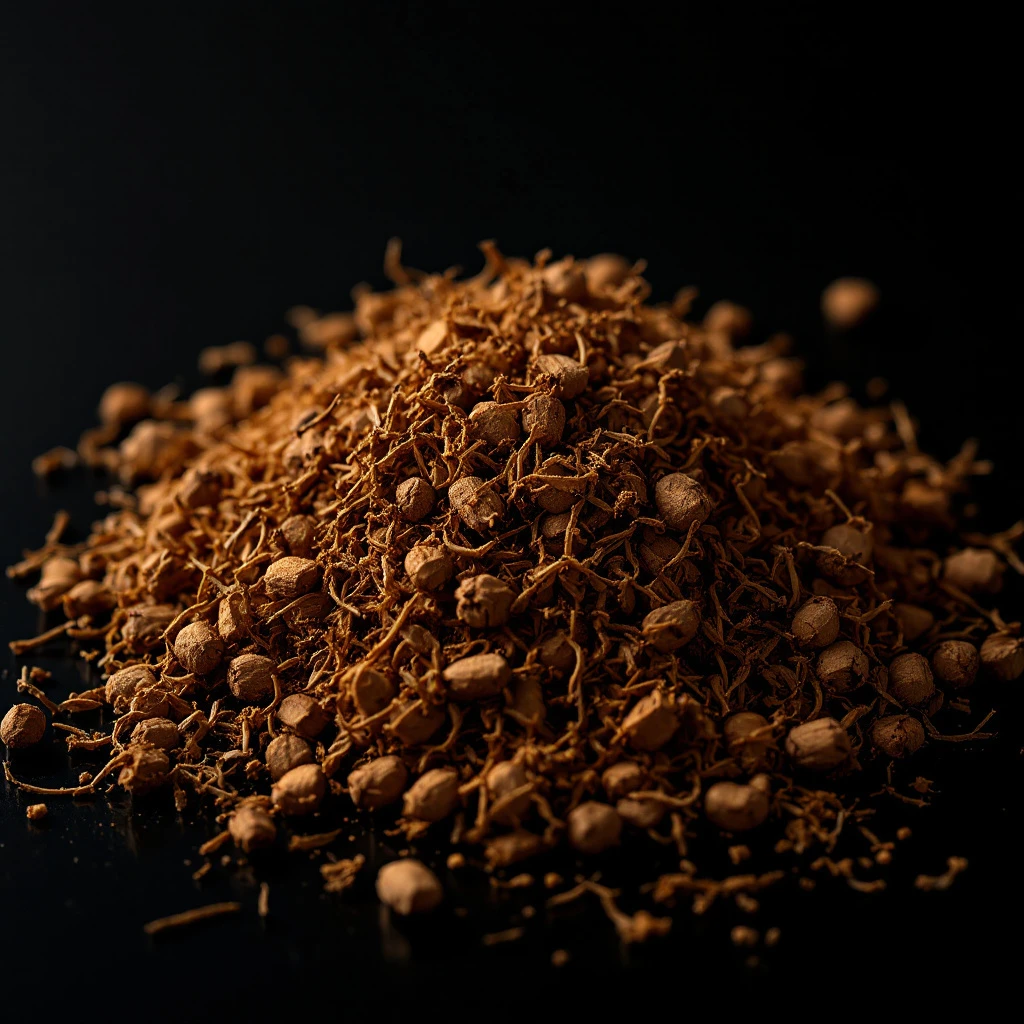
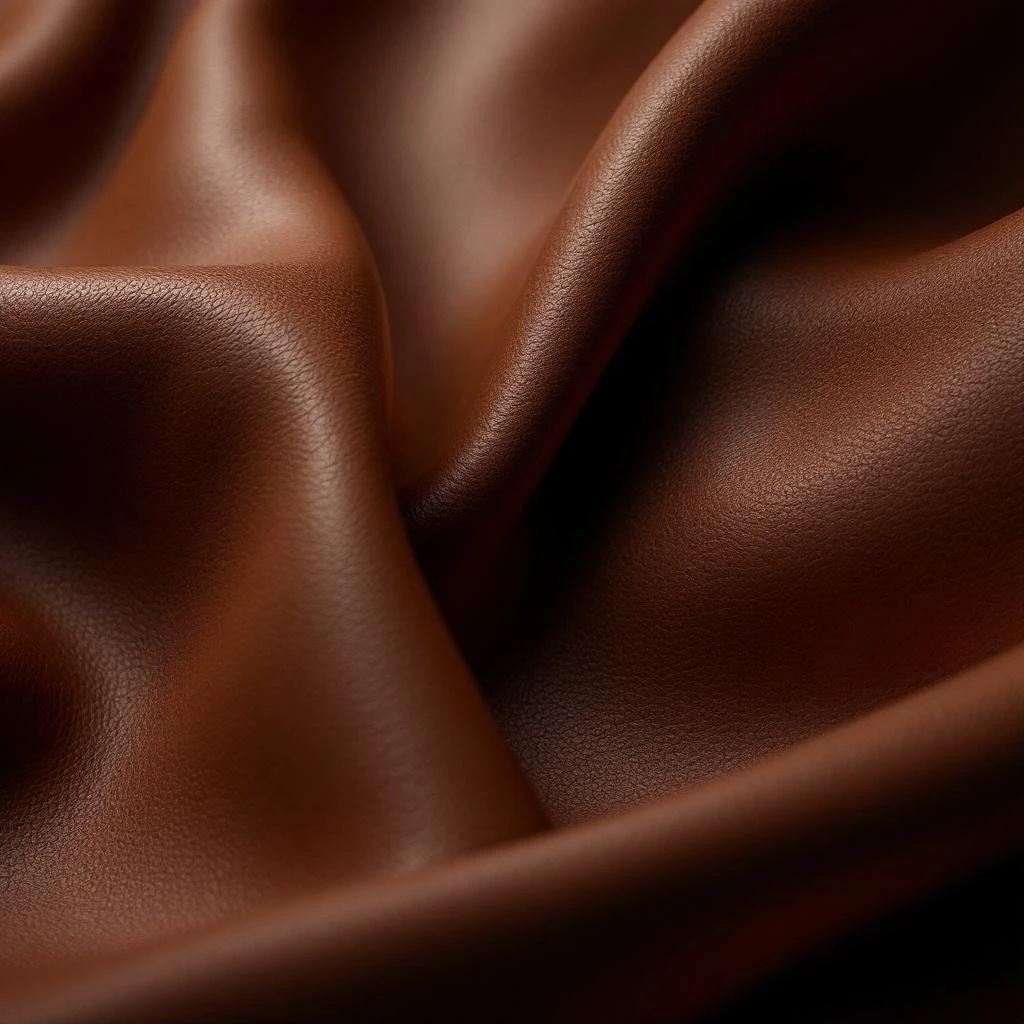
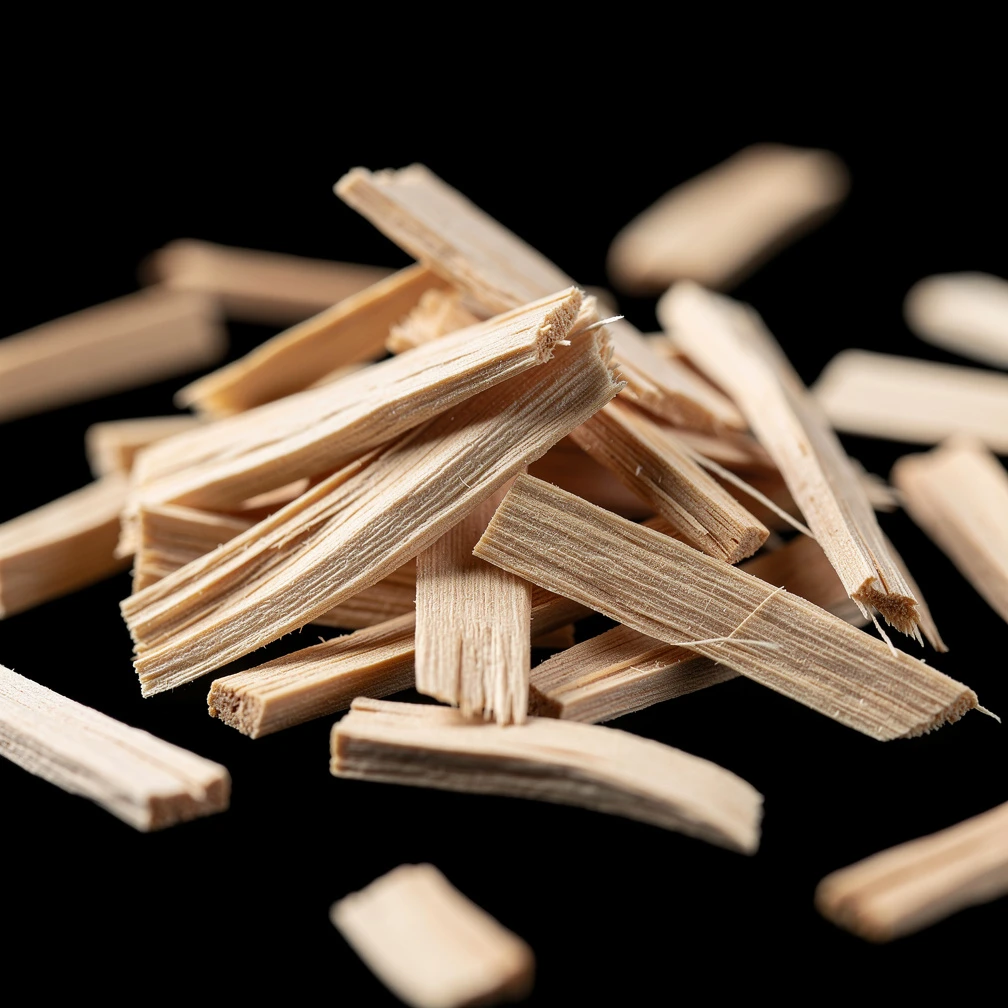
Hungarian Tobacco offers a warm, resinous sweetness drawn from sun-cured leaves grown in Central Europe. Its aroma carries honeyed, dried-fruit depth with a smooth hay-like dryness that anchors oriental and gourmand compositions.
Character
How it smells
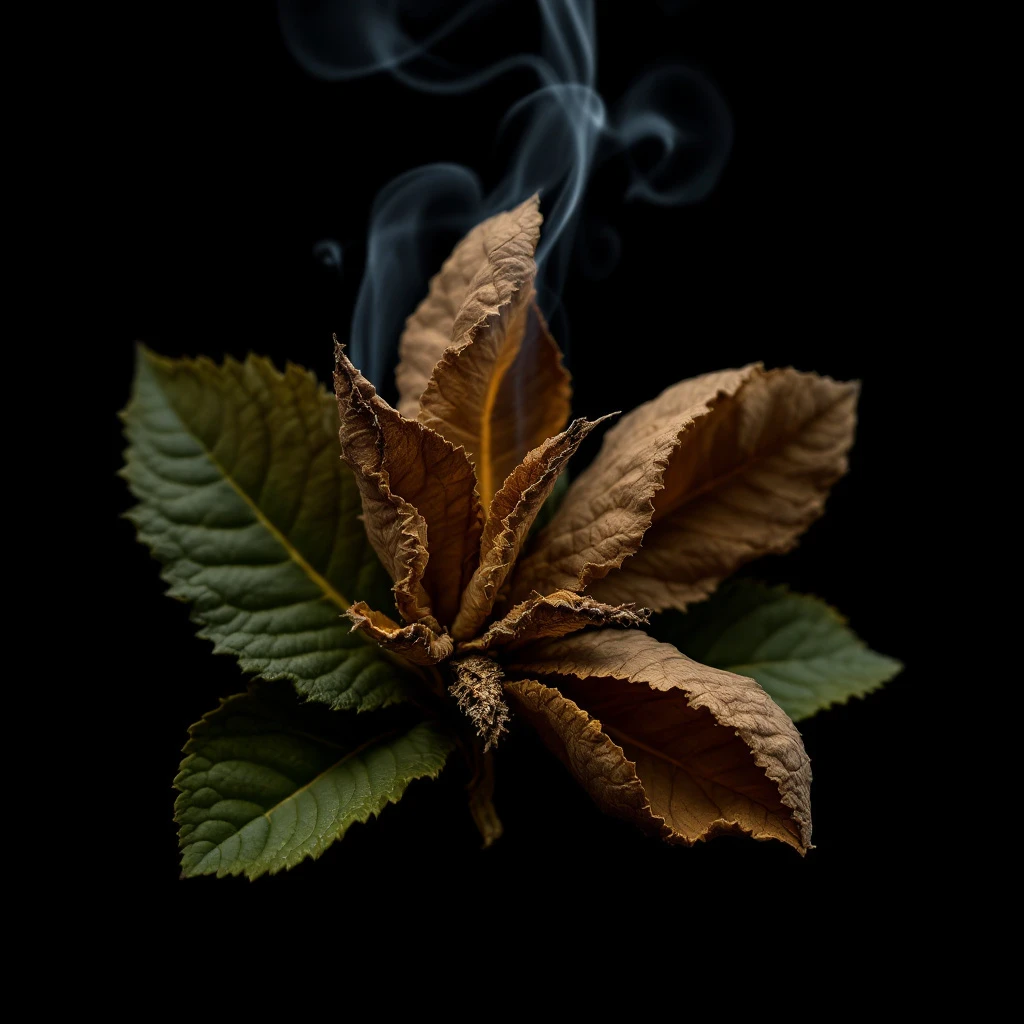
Sun-cured warmth with a sweet, smoky finish.
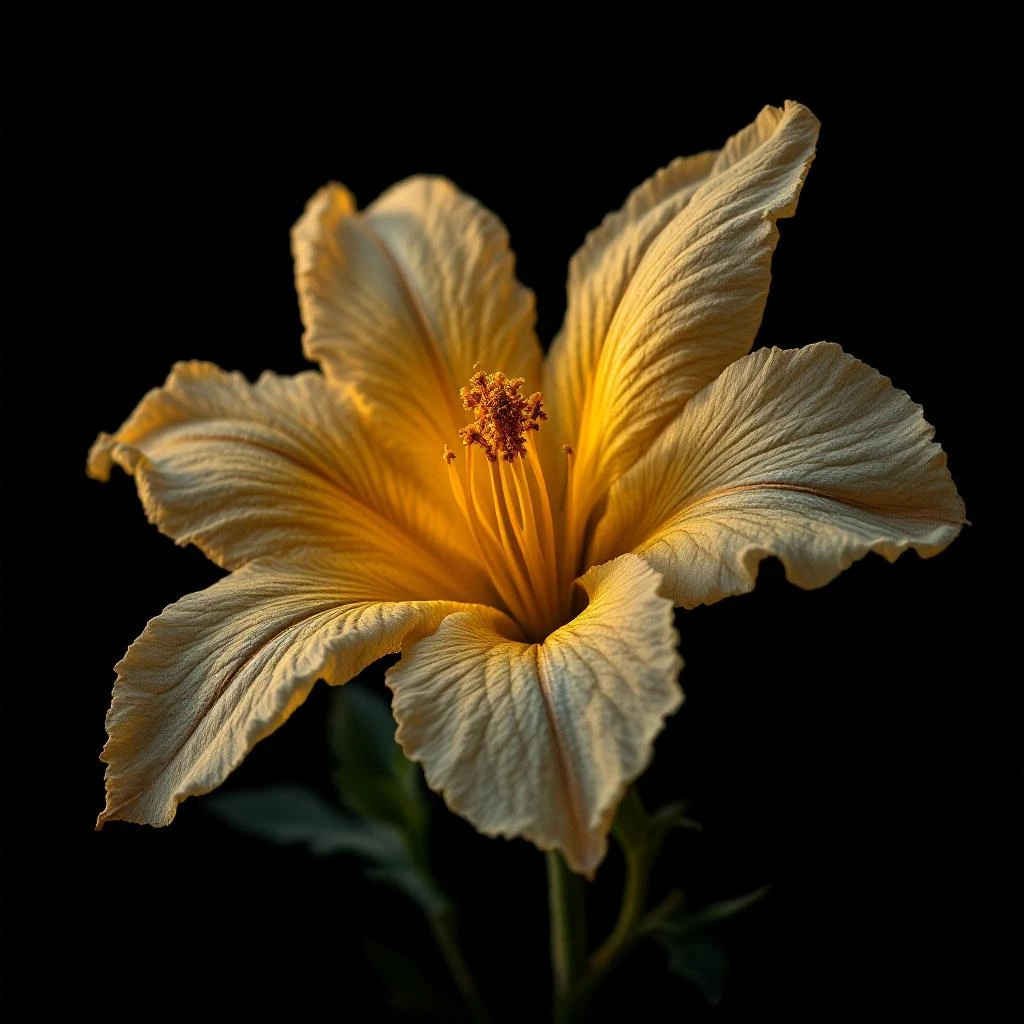
Tobacco flowers open at dusk and close by midday, a survival trait that influences the leaf curing conditions prized in perfumery.

Origin
Hungary
The word tobacco traces to the Taíno word tabako, used for the rolled leaves Central American Indigenous peoples offered to Europeans around 5000 BC. By the time Christopher Columbus reached the Caribbean, tobacco had already woven itself into ritual and medicine throughout Mesoamerica. Hungary became a significant European tobacco region after the Ottoman introduction of Nicotiana varieties during the 16th and 17th centuries, with Szeged eventually earning recognition as the continental hub for high-quality leaf production.
Tobacco entered mainstream perfumery in 1919 when Caron released Tabac Blond, the first composition to treat tobacco leaf as a central accord rather than a masculine novelty. That same era saw Hungarian Water, the scented oil and alcohol blend first documented around 1370, reinvent itself through amber and spice compositions that complemented warm tobacco bases. Today, Hungarian-grown tobacco remains a reference point for perfumers seeking a rounder, sweeter tobacco character compared to the sharper, more acrid Virginian varieties.
Wears it best
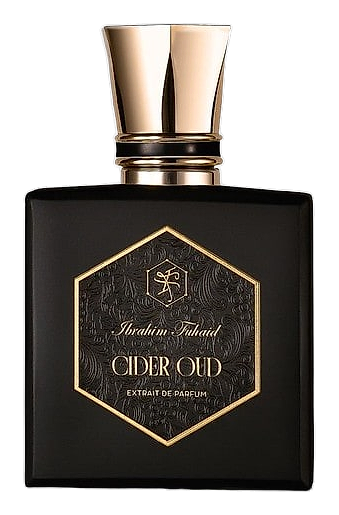
Fragrances featuring Hungarian Tobacco
Brands
Brands known for Hungarian Tobacco
Good to know
Questions, answered
The essentials on Hungarian Tobacco in perfumery: how it smells, where it comes from, and how it behaves on skin.
What does Hungarian Tobacco smell like in a fragrance?
Hungarian Tobacco carries a warm, honeyed sweetness layered over dried-fruit richness and a soft hay-like dryness. Compared to sharper Virginian tobacco, it reads rounder, sweeter, and more balsamic, making it a favored base note for gourmand and oriental compositions seeking depth without harshness.
How is Hungarian Tobacco absolute produced?
Producers solvent-extract sun-cured Pannonian Basin leaves to produce a concrete, then wash it with ethanol to yield a dark absolute rich in isovaleric acid. Many modern formulas use synthetic isolates like coumarin instead, since coumarin was first characterized in 1868 and offers reliable tobacco-honey facets.
Where does Hungarian Tobacco originate?
Hungarian Tobacco traces to the Pannonian Basin around Szeged, where continental climate and mineral-rich soils yield leaves with elevated sugar content. Ottoman merchants introduced Nicotiana varieties to the region during the 16th and 17th centuries, and Szeged later emerged as Europe's premier tobacco processing center.
When was tobacco first used in perfumery?
Tobacco appeared as a central perfumery accord in 1919 with Caron's Tabac Blond, the first major fragrance built around tobacco leaf rather than floral or citrus leads. Hungarian Tobacco as a regional distinction developed alongside that movement, drawing on centuries-old Pannonian curing expertise.
Is Hungarian Tobacco natural or synthetic?
Both options exist. Natural Hungarian Tobacco absolute comes from solvent extraction of cured Pannonian leaves, while many perfumers use synthetic reconstructions combining coumarin, HDMF, and other isolates for consistency. Natural absolutes contain trace nicotine and show more variation from harvest to harvest.
What fragrance families feature Hungarian Tobacco?
Hungarian Tobacco anchors oriental, gourmand, and fougère compositions, where its honeyed warmth supports notes like vanilla, tonka, and dried fruits. It also pairs effectively in tobacco-floral hybrids, balancing rose or immortelle with its resinous sweetness without overpowering delicate top notes.
How does Hungarian Tobacco differ from Virginian Tobacco?
Hungarian Tobacco reads sweeter and rounder due to higher sugar content in Pannonian-grown leaves and slower air-curing cycles. Virginian Tobacco tends toward sharper, more acrid facets with greener hay tones, shaped by flue-curing methods that preserve more chlorophyll and nitrogen compounds.
Is Hungarian Tobacco safe in perfumery?
Yes, at typical fragrance concentrations Hungarian Tobacco absolute meets IFRA safety standards, though natural absolutes contain trace nicotine requiring standard handling precautions. Synthetic tobacco accords avoid nicotine entirely and are widely approved for leave-on cosmetic applications worldwide.