Hoya Carnosa
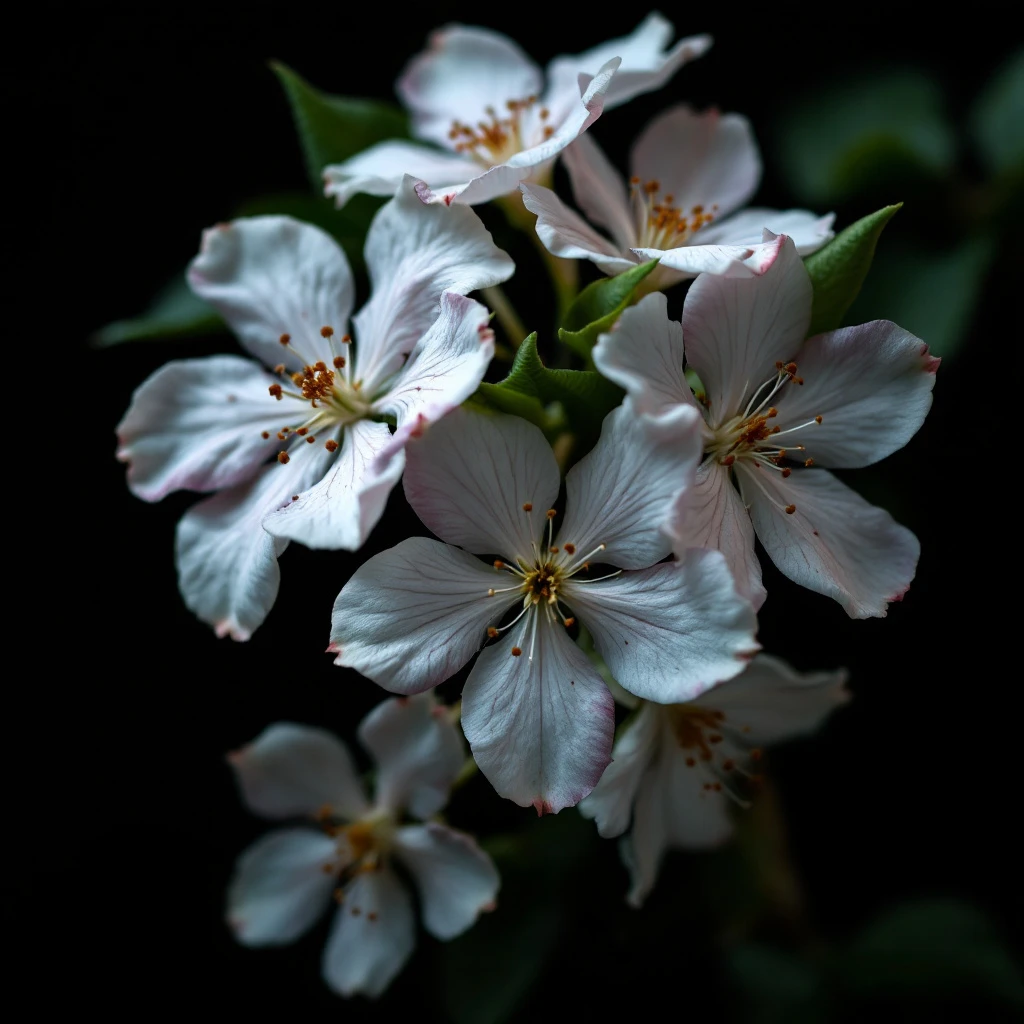
Rare botanical with nocturnal blooms releasing a warm, sweet scent. Native to Southeast Asian rainforests, this wax plant offers a unique extraction opportunity for niche perfumers seeking unconventional floral materials.
Character
How it smells
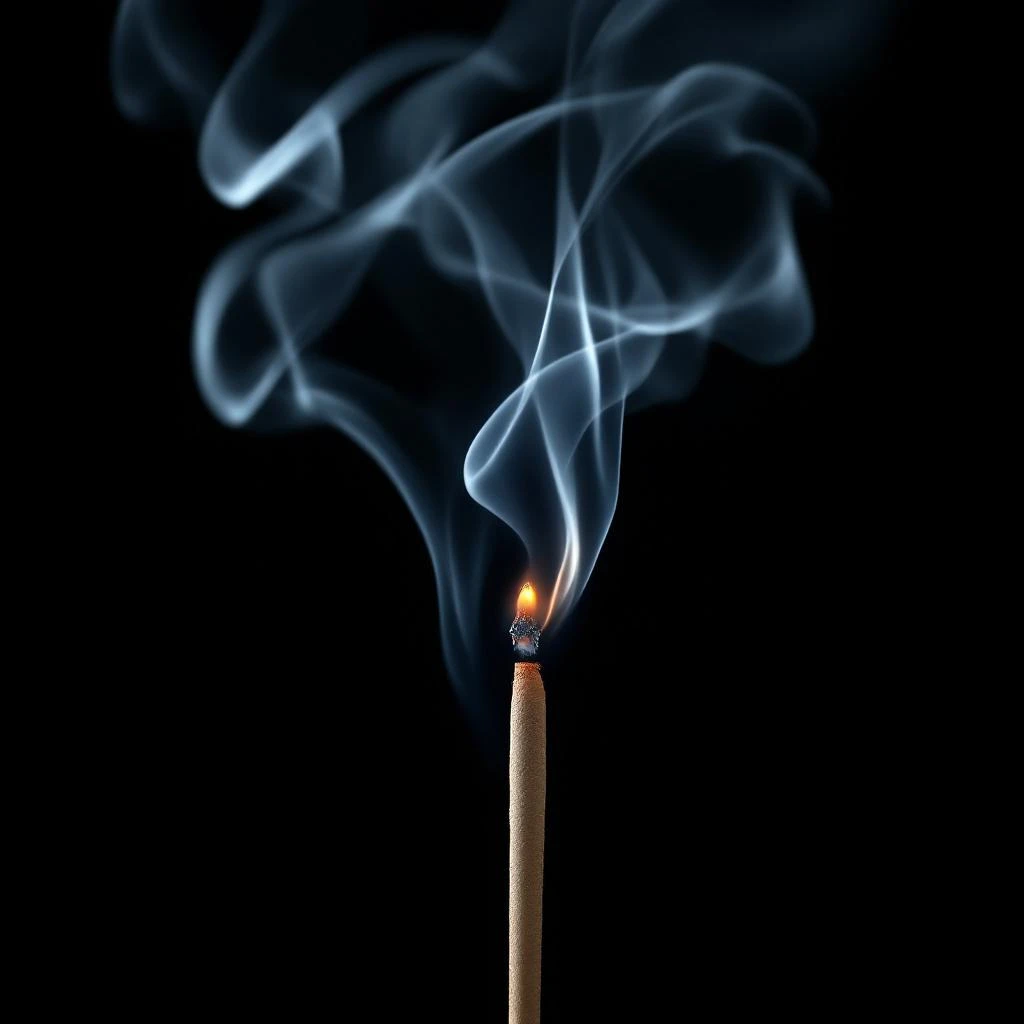
Nocturnal blooms with warm, chocolate-tinged sweetness
Hoya flowers produce nectar that glistens like wax, giving the plant its common name the "wax plant."





Origin
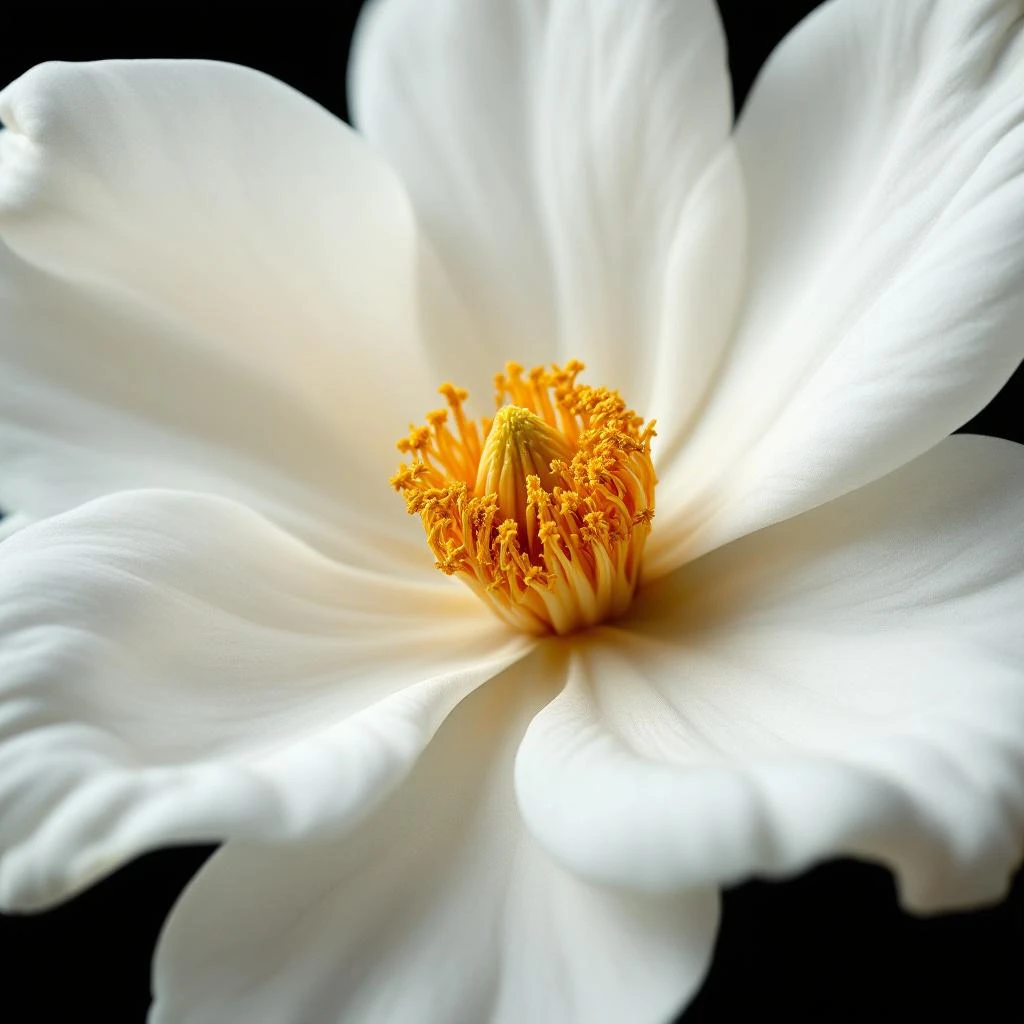
Southeast Asia
Hoya carnosa traces its heritage to the tropical rainforests spanning from Southern China through Vietnam, Thailand, and into Australia. Dutch traders likely introduced the species to European horticulture in the early 1800s, where it became prized as a decorative houseplant rather than a fragrance crop. Indigenous communities in Southeast Asia recognized the blooms' nocturnal fragrance for cultural purposes, though documented use in traditional perfumery remains sparse.
The genus honors Thomas Hoy, an 18th-century British gardener who cultivated specimens for botanical collections. Despite centuries of horticultural appreciation, commercial fragrance production has yet to establish Hoya carnosa as a mainstream aromatic ingredient.
Wears it best
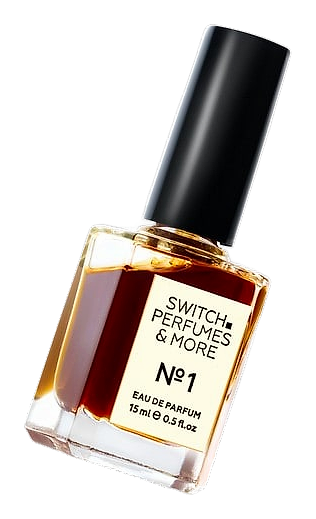
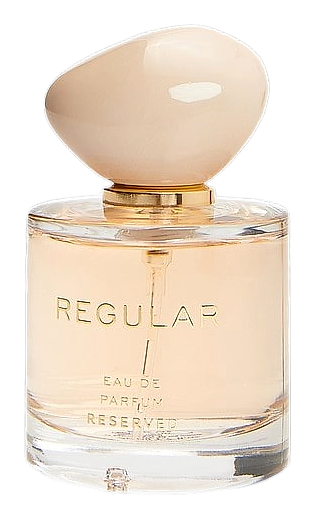
Fragrances featuring Hoya Carnosa
Brands
Brands known for Hoya Carnosa
Good to know
Questions, answered
The essentials on Hoya Carnosa in perfumery: how it smells, where it comes from, and how it behaves on skin.
Is Hoya Carnosa a common perfumery ingredient?
No. Hoya carnosa remains rare in commercial perfumery, appearing primarily in niche or experimental fragrance creations. Its low aromatic yield makes large-scale production impractical.
What does Hoya Carnosa smell like?
The blooms release a warm, sweet fragrance at night. Descriptions range from chocolate and honey notes to tropical fruits like mango, depending on the specific Hoya variety and growing conditions.
Can I extract fragrance from Hoya at home?
Yes. Fresh blooms can be steeped in high-proof alcohol for several weeks to create a fragrant tincture. Enfleurage using cooled fat also works but requires more time and material.
Is Hoya Carnosa related to any perfumery ingredients?
Hoya belongs to the Apocynaceae family, which includes fragrant genera like frangipani and stephanotis. These share similar sweet, waxy floral characteristics in their scent profiles.
When does Hoya produce its strongest fragrance?
Hoya carnosa releases its scent primarily after dark, coinciding with natural pollination by night-active moths. Morning light diminishes the fragrance intensity significantly.
Does the entire plant produce fragrance?
Only the waxy star-shaped flowers produce the characteristic scent. The thick, succulent leaves and vines are scentless, directing all aromatic compounds to the reproductive blooms.
What extraction method works best for Hoya?
CO2 supercritical extraction preserves the broadest range of aromatic compounds from the delicate blooms. Traditional enfleurage also captures the subtle scent effectively but yields smaller quantities.
Why isn't Hoya Carnosa more widely used in perfumery?
The flowers are small and produce low concentrations of aromatic compounds. Combined with slow growth and seasonal blooming, commercial-scale extraction remains economically challenging.




