Hollyhock
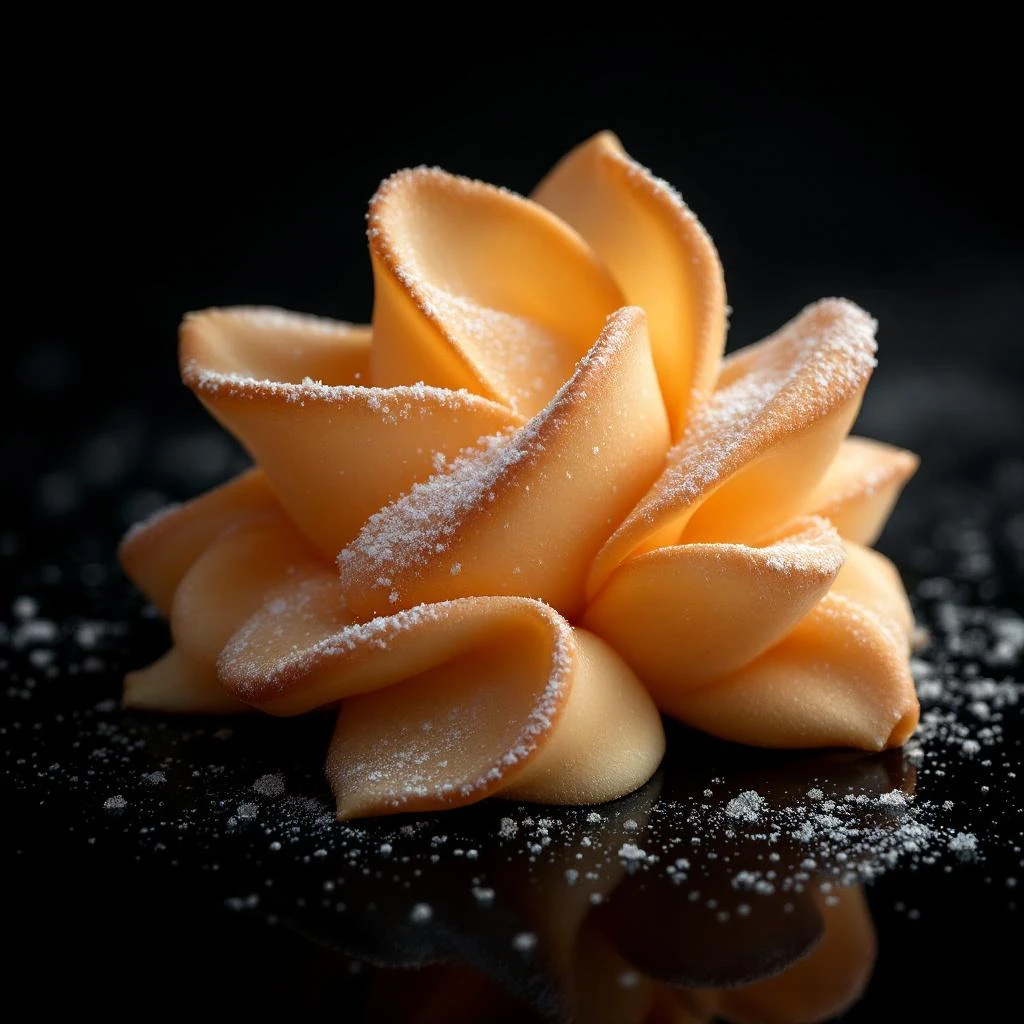
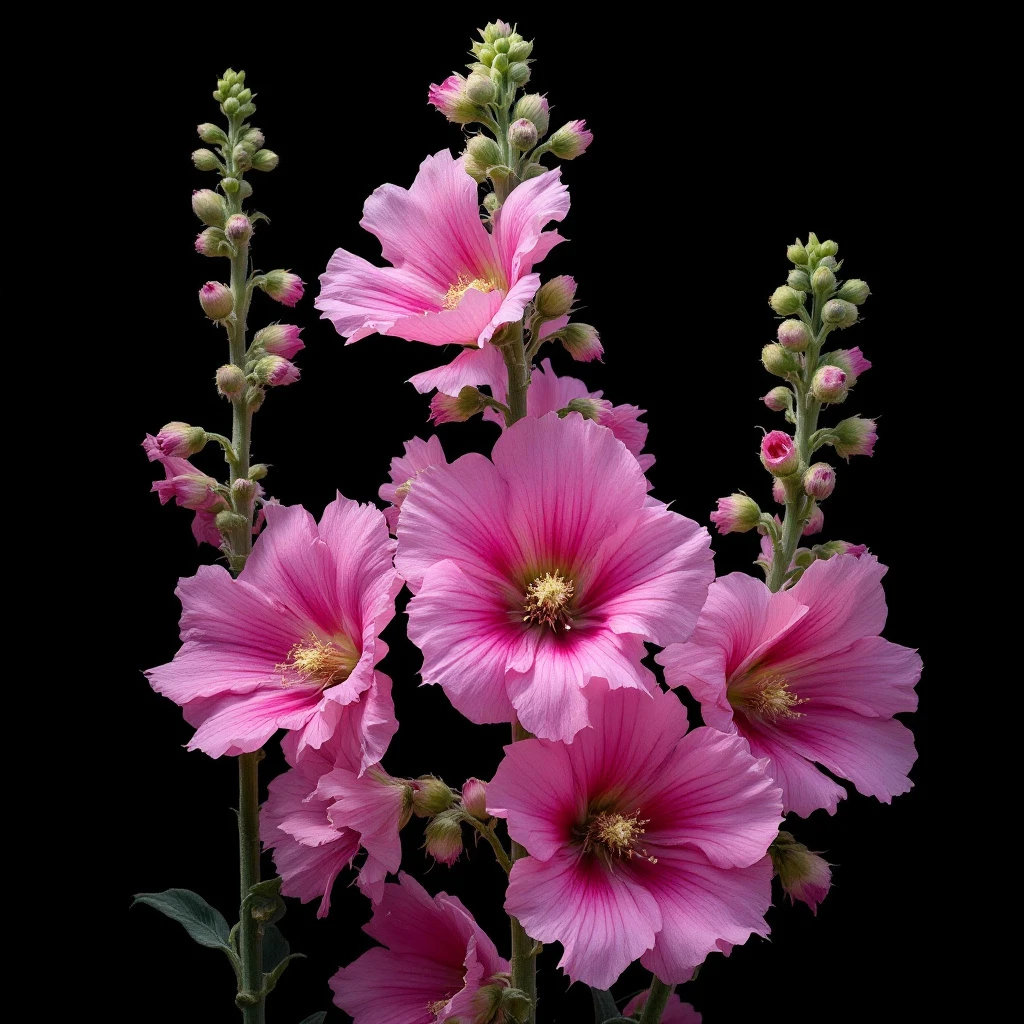
Hollyhock lends fragrance a sweet, powdery floralcy with soft musky undertones. This garden staple, cultivated since antiquity, brings gentle romantic warmth to feminine compositions.
Character
How it smells
Soft, powdery florals with romantic warmth
Hollyhock belongs to the mallow family alongside marshmallow root, sharing their characteristic sweet, slightly viscous quality.






Origin
China
Native to China and likely Central Asia, hollyhock (Alcea rosea) traveled ancient trade routes westward to reach Europe by the 15th century. Medieval gardens across the continent embraced this dramatic flowering spike, particularly in monastery and cottage gardens where it symbolized abundance and fruitfulness. The plant's botanical name derives from the Greek 'alkea,' meaning mallow, acknowledging its kinship with marsh mallow and other medicinal members of the Malvaceae family.
While hollyhock served various folk medicine purposes across its native and adopted ranges, its perfumery application developed only recently as fragrance houses expanded beyond traditional florals. Contemporary perfumers value hollyhock as a soft, romantic floral that bridges bolder garden notes like rose and lily with powdery, skin-like musks, bringing quiet sophistication to modern compositions.
Wears it best
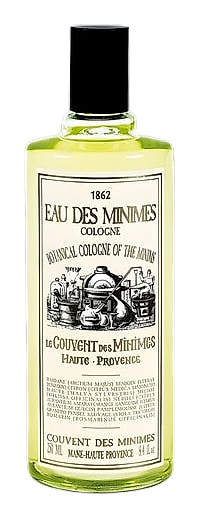
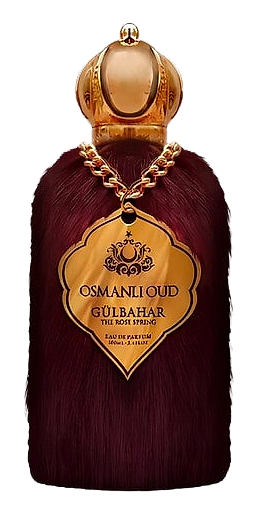
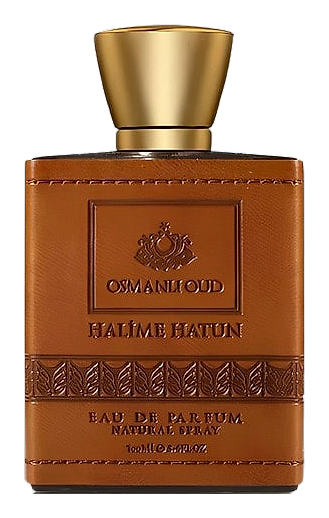
Fragrances featuring Hollyhock
Brands
Brands known for Hollyhock
Good to know
Questions, answered
The essentials on Hollyhock in perfumery: how it smells, where it comes from, and how it behaves on skin.
What does hollyhock smell like in fragrance?
Hollyhock delivers sweet, powdery florals with soft musky undertones. It reads as a gentler cousin to rose, with subtle mallow-like warmth and a romantic, slightly powdery finish.
Is natural hollyhock absolute available for perfumery?
Yes, but it remains uncommon. Most hollyhock-scented materials are natural-identical synthetics, which offer consistent quality and accessibility compared to limited natural extraction.
What fragrance families feature hollyhock?
Hollyhock appears primarily in floral and soft chypre compositions. It serves as a supporting heart note, adding powdery warmth to romantic, feminine fragrances.
How does hollyhock blend with other ingredients?
Hollyhock pairs naturally with rose, peony, iris, and mallow. It complements musks, sandalwood, and light woods that ground its sweetness without overwhelming the blend.
What part of the plant do perfumers use?
Perfumers extract the flower petals. The petals contain mucilaginous compounds alongside aromatic molecules, contributing to hollyhock's characteristic soft, slightly viscous absolute.
Where did hollyhock originate?
Hollyhock is native to China and likely Central Asia. Trade routes carried it to Europe by the 15th century, where it became a garden staple across the continent.
How long has hollyhock been used in gardens?
Documented cultivation spans centuries in China, with European garden records dating to at least the 1500s. Its use in perfumery developed only in recent decades.
How does hollyhock compare to mallow in scent?
Hollyhock shares mallow's sweet, slightly musky character but adds distinct powdery florals. Mallow tends toward green, aquatic qualities while hollyhock reads warmer and more romantic.