The Story
Why it exists.
The beginning
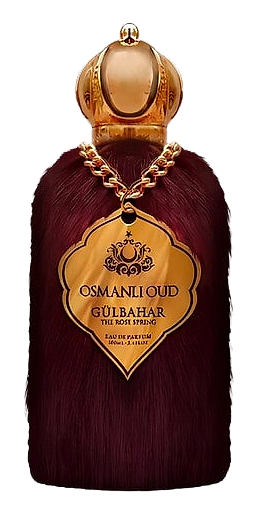
Gülbahar is a name that carries weight in Ottoman history. Gülbahar means "rose spring" in Turkish, and the fragrance draws on that imagery. It belongs to Osmanli Oud's Sultanlar / Sultans collection, a series that names compositions after figures of the Ottoman court and the places they inhabited. The house approaches perfumery as a form of historical storytelling. Gülbahar The Rose Spring translates a sensory memory of palace gardens, water channels, and spice air. The rose sits at the center of the composition, framed by materials that give it depth and warmth without softening its character. What emerges is a portrait of an Ottoman garden: the cool shade of stone channels, the dry heat rising from stone tiles warmed by afternoon sun, and petals caught between bloom and wilt.
What gives this composition its edge is the placement of the rose itself. Rather than letting the flower dominate from the first spray, the perfumer surrounds it with pepper and saffron at the opening, then lets lavender and a less common note, hollyhock, support it in the heart. The base crosses sandalwood, tonka, amber, and oud, which grounds the rose in something warmer and less powdery than a traditional soliflore. That tension between floral softness and deep-warm base reflects Osmanli Oud's broader approach. The architecture of the scent rewards attention.
The evolution
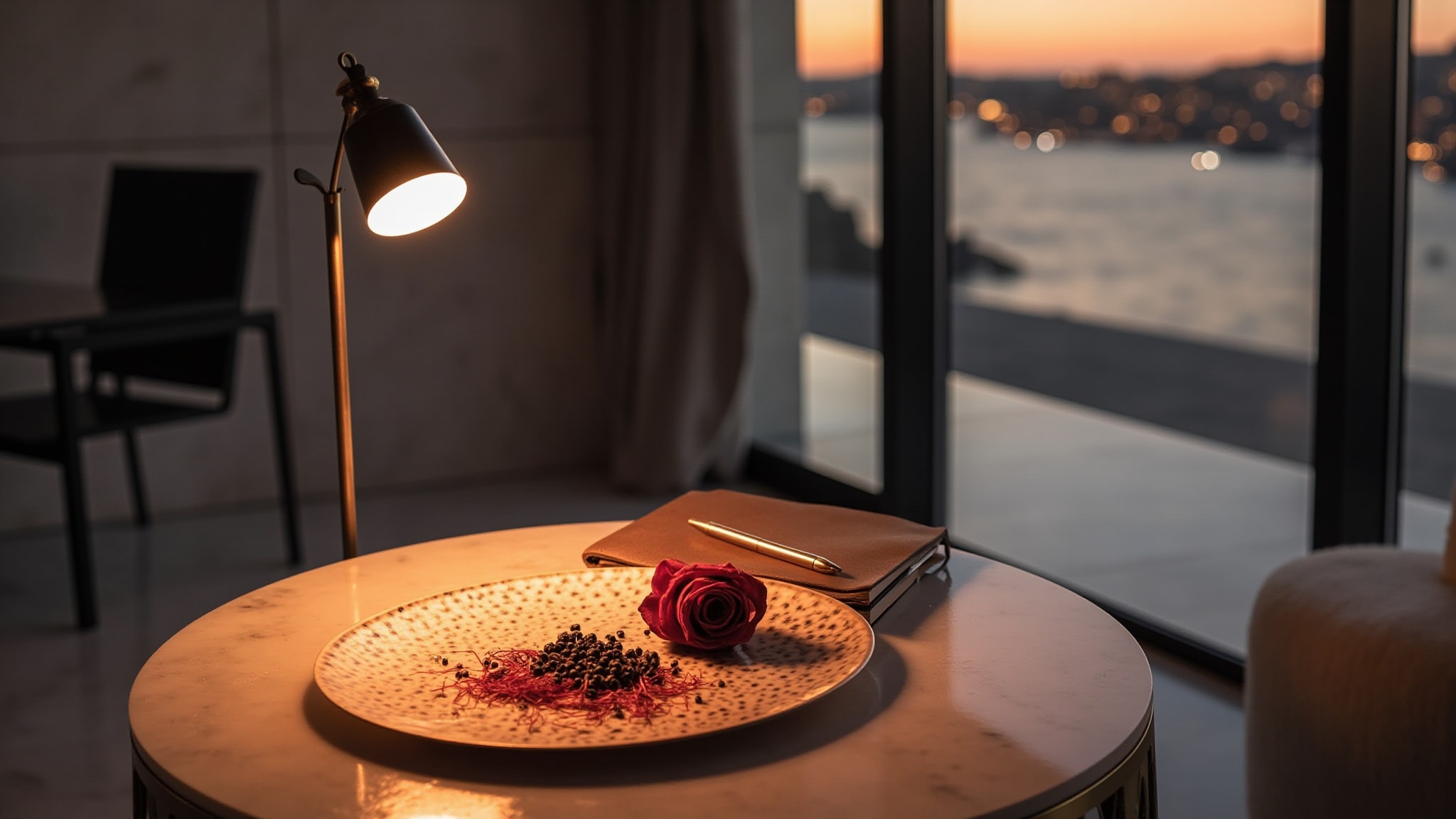
The first spray announces itself with friction. Black pepper and pink pepper meet saffron, and the effect is dry, almost mineral, like spice warming in a copper pan before anything sweet arrives. That dry-spice opening holds for the opening phase, keeping the composition grounded in heat before any floral softness arrives. Then the rose enters, but it does not arrive alone. It comes wrapped in lavender and hollyhock, and the heart reads cool and slightly herbaceous rather than syrupy. There is a dusty quality, petals still on the stem, that sits comfortably beside the earlier heat. This phase runs deep, stretching through the middle of the wear and refusing to collapse into the powdery sweetness that many rose compositions fall into. The drydown shifts the weight toward sandalwood, tonka bean, amber, and oud. The pepper recedes. The rose softens but does not vanish.
Cultural impact
Gülbahar The Rose Spring sits within Osmanli Oud's Sultanlar / Sultans collection, a series of compositions named after figures and places from Ottoman history. The collection itself is part of what makes this release notable. Rather than leaning purely on oud-forward constructions, the Sultanlar line treats Ottoman history as a starting point for composition, with each release using a historical figure or location as the thematic anchor. For wearers interested in rose-led compositions from houses working outside the most common Western and Gulf perfume traditions, the Sultanlar line offers something specific.