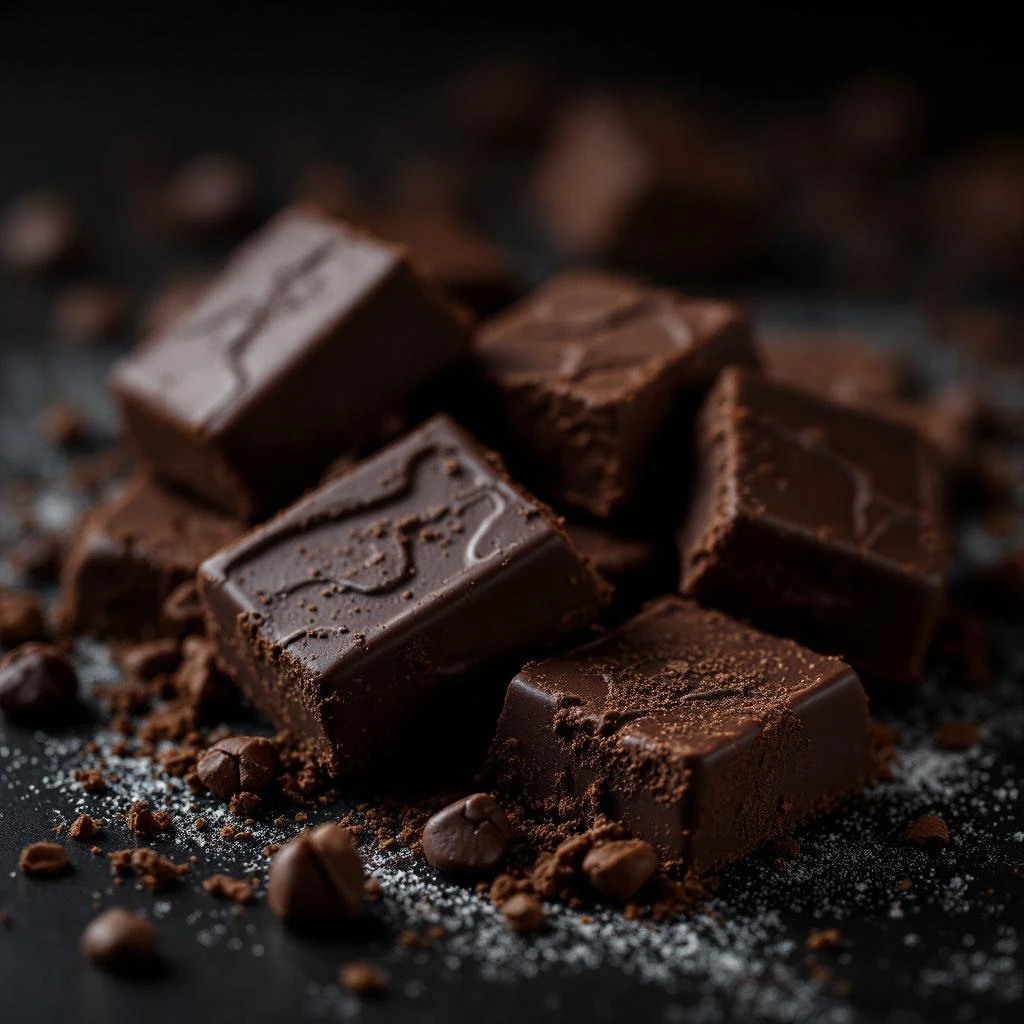
Hazelnut Macaron
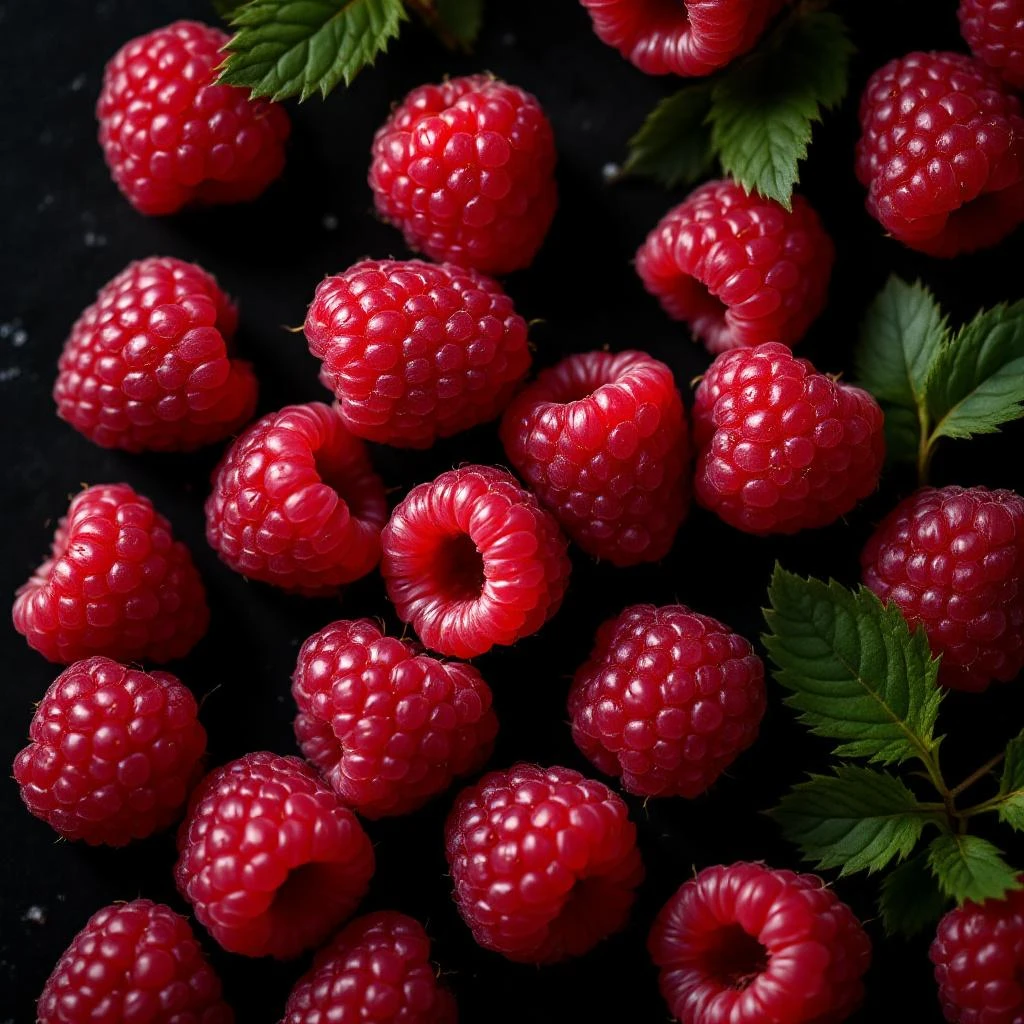
Hazelnut Macaron is a gourmand fragrance note that recreates the warm, nutty sweetness of roasted hazelnuts blended with the delicate almond-vanilla character of French macaron shells. Perfumers layer aroma chemicals to capture this beloved pastry accord.
Character
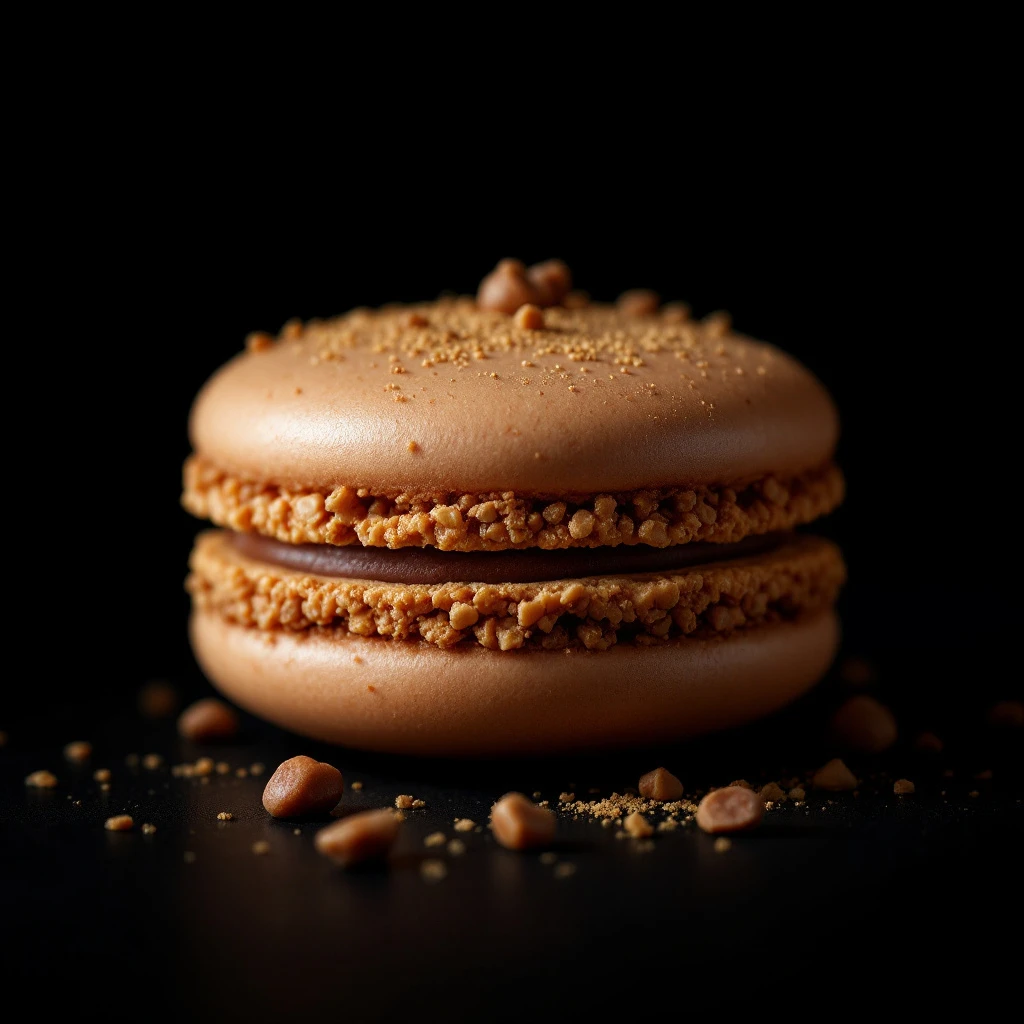
How it smells
A warm embrace of nuttiness and sweetness.
The macaron itself traces back to 9th-century Middle Eastern cuisine before arriving in France via Catherine de Medici in 1533.





Origin
France
The Hazelnut Macaron note draws from two rich traditions. Hazelnuts have grown wild across the Mediterranean for millennia, prized by ancient Greeks and Romans.
The macaron itself originated in the Middle East around the 9th century as an almond-based confection. Catherine de Medici introduced it to France upon her marriage to the future King Henry II in 1533.
French patissiers eventually transformed the simple cookie into the iconic double-disc confection with ganache filling. Hazelnut macarons emerged as a celebrated French pastry variant, their warm nutty sweetness inspiring perfumers to capture this edible delight in fragrance form.
Wears it best
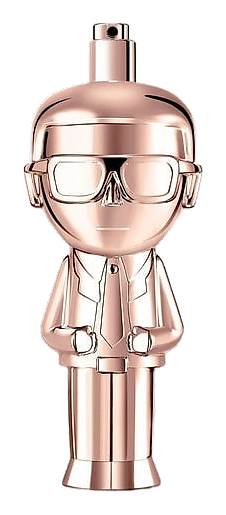
Fragrances featuring Hazelnut Macaron
Brands
Brands known for Hazelnut Macaron
Good to know
Questions, answered
The essentials on Hazelnut Macaron in perfumery: how it smells, where it comes from, and how it behaves on skin.
What does Hazelnut Macaron smell like?
Hazelnut Macaron smells like biting into a warm hazelnut macaron: roasted hazelnut with sweet, buttery, and delicate almond-vanilla shell notes.
Is Hazelnut Macaron a natural or synthetic ingredient?
Hazelnut Macaron is a concept note constructed from synthetic aroma chemicals. Natural hazelnut absolute is too fatty and unstable for perfumery.
Where does the macaron originate from?
The macaron traces to 9th-century Middle Eastern cuisine. Catherine de Medici brought it to France in 1533, where patissiers refined it into the modern confection.
Why doesn't perfumery use natural hazelnut absolute?
Solvent extraction of hazelnuts produces absolute that is too fatty and unstable for most fragrance applications. Perfumers rely on synthetic reconstruction instead.
What aroma chemicals create the hazelnut note?
Furaneol and maltol create the warm, sweet, nutty character. Heliotropin and benzaldehyde add almond and marzipan qualities.
How do perfumers capture the macaron shell effect?
Vanillin provides sweet vanilla creaminess while coumarin adds a delicate, cookie-like warmth that mimics the macaron shell texture.
What fragrances feature Hazelnut Macaron notes?
Gourmand and sweet fragrance families commonly feature this note. Many designer fragrances in the vanilla-amber category incorporate hazelnut macaron accords.
Is Hazelnut Macaron suitable for sensitive skin?
Synthetic hazelnut macaron materials avoid the allergenic proteins found in natural hazelnuts, though individual sensitivities to component chemicals remain possible.