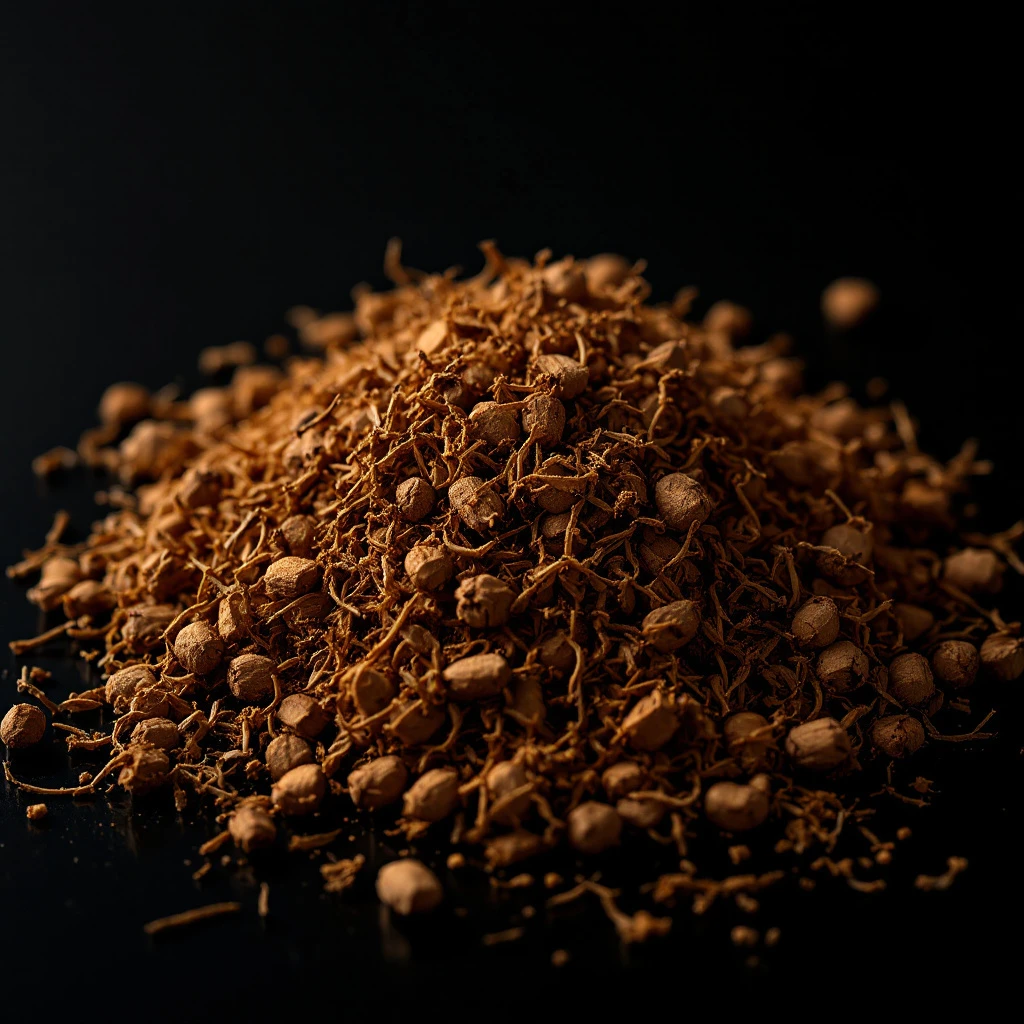
Havana Tobacco
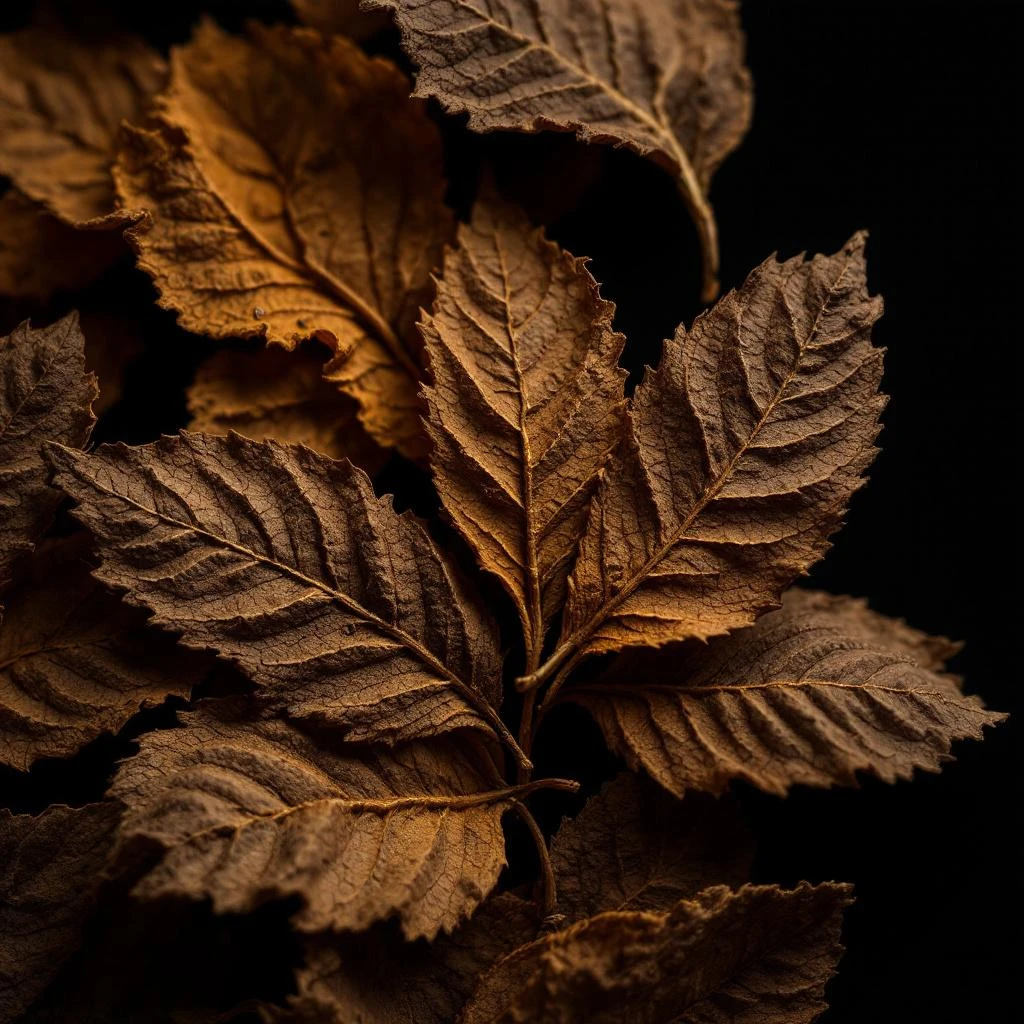
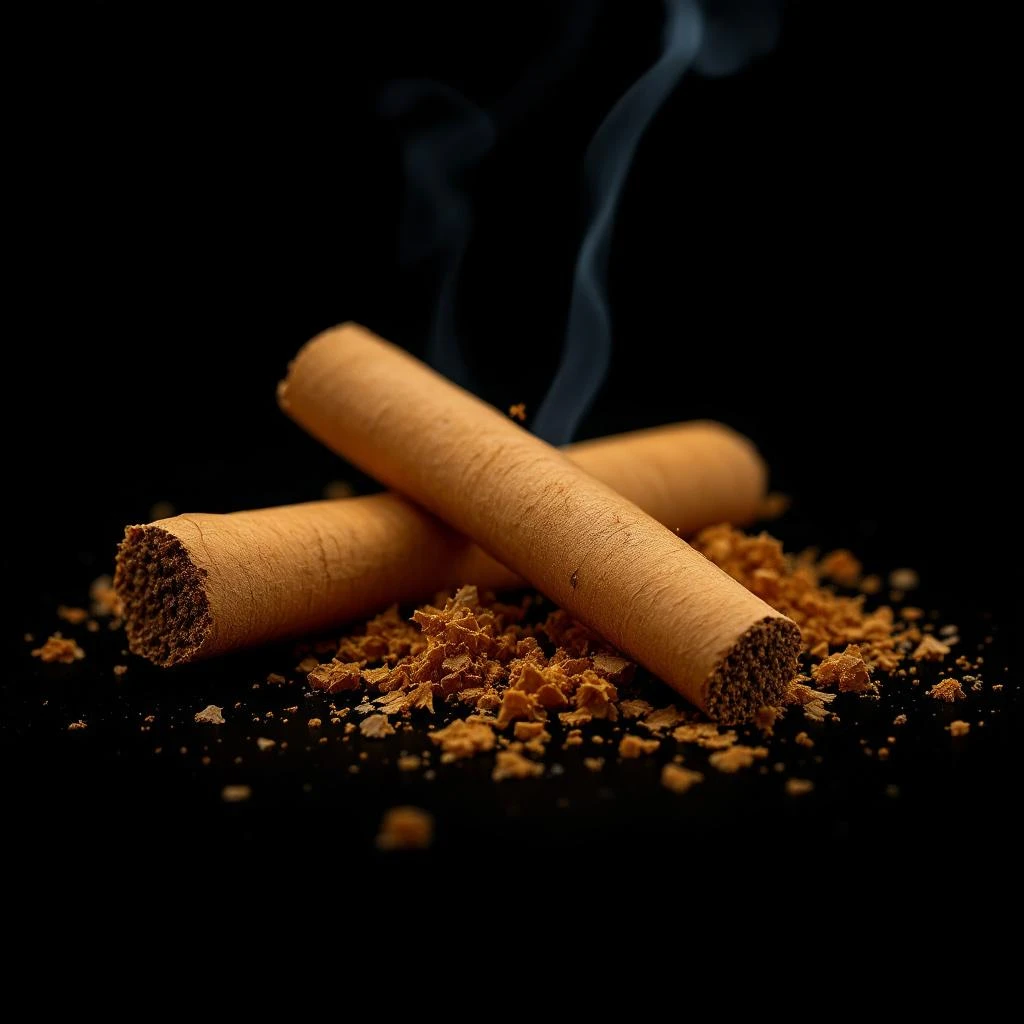
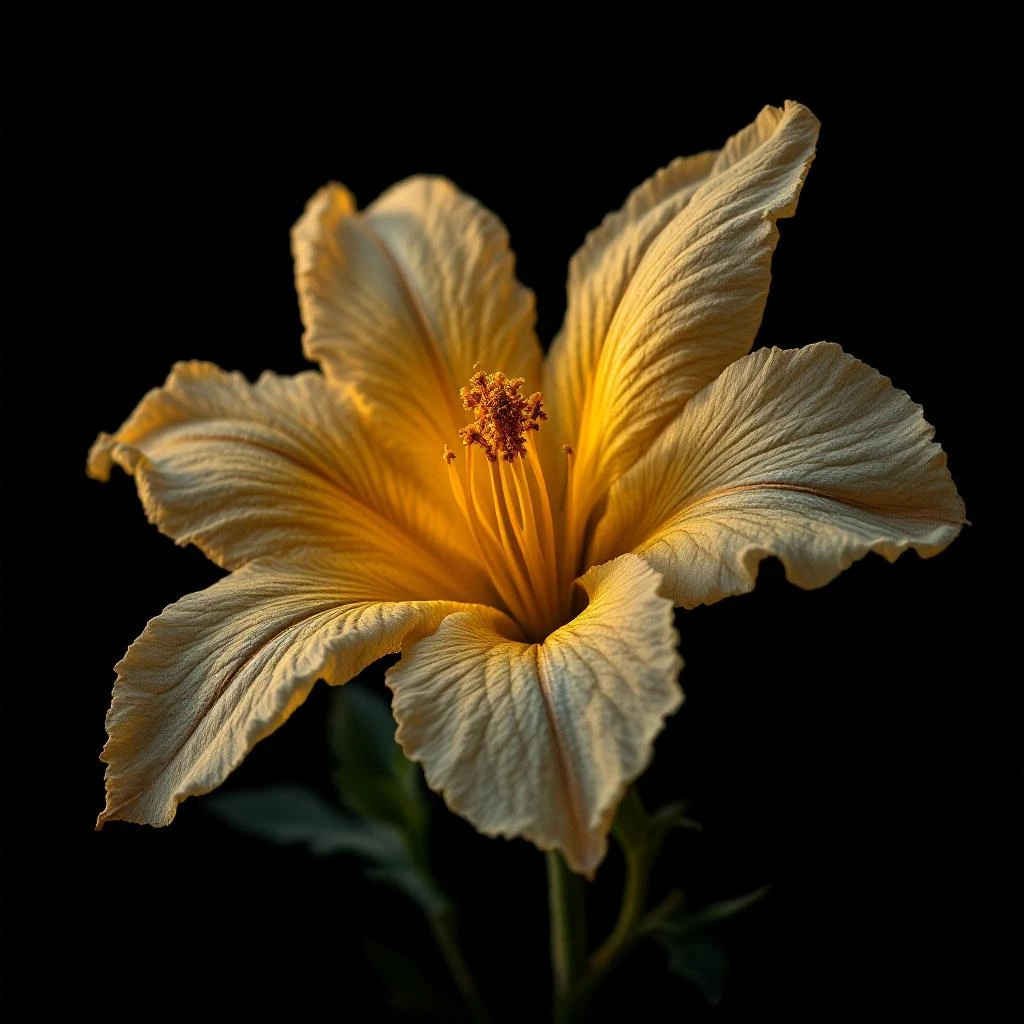
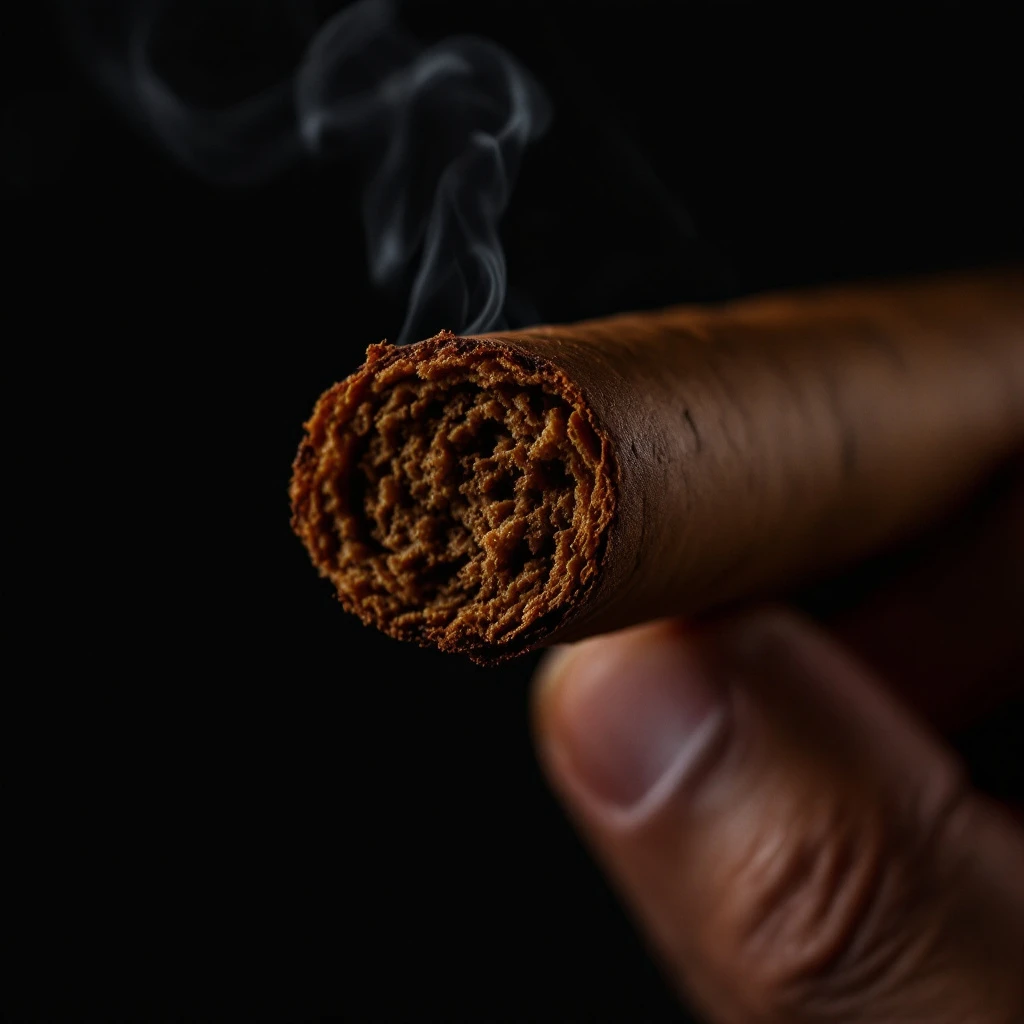
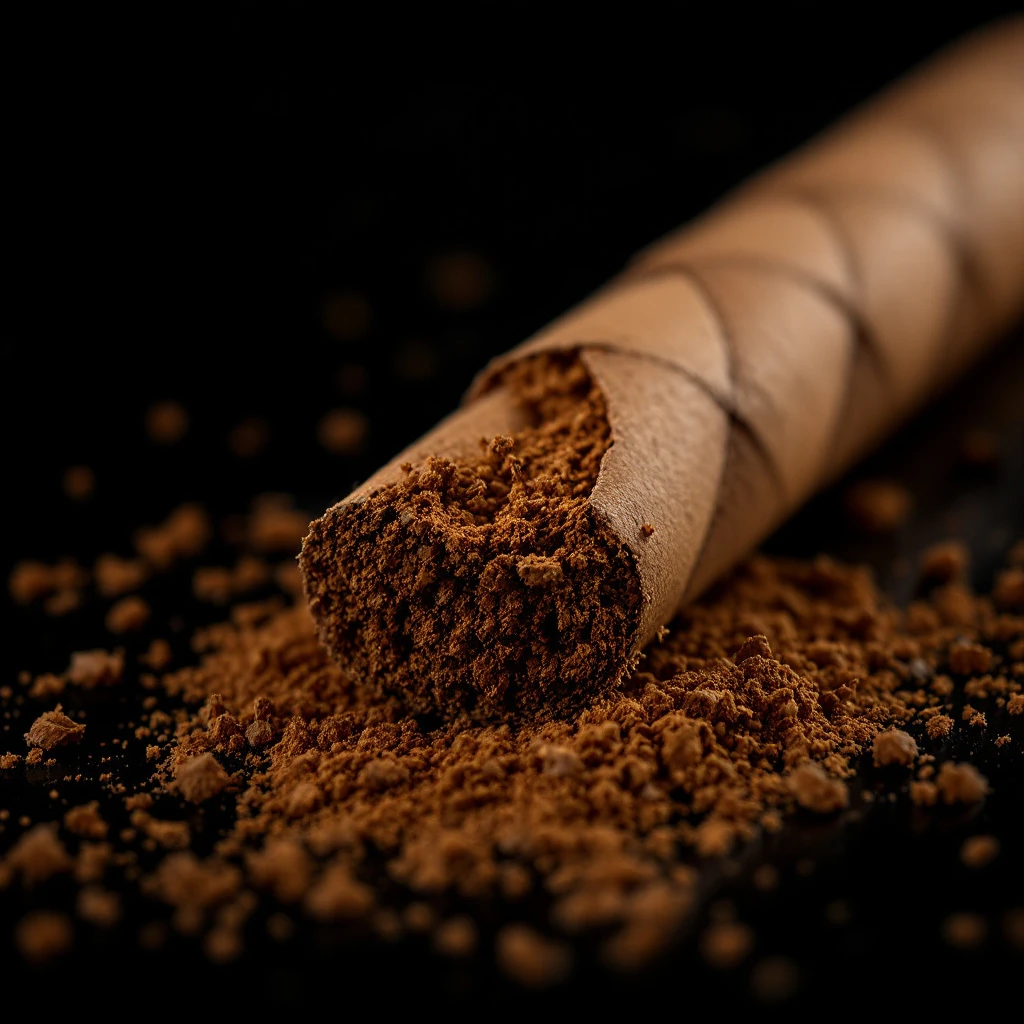
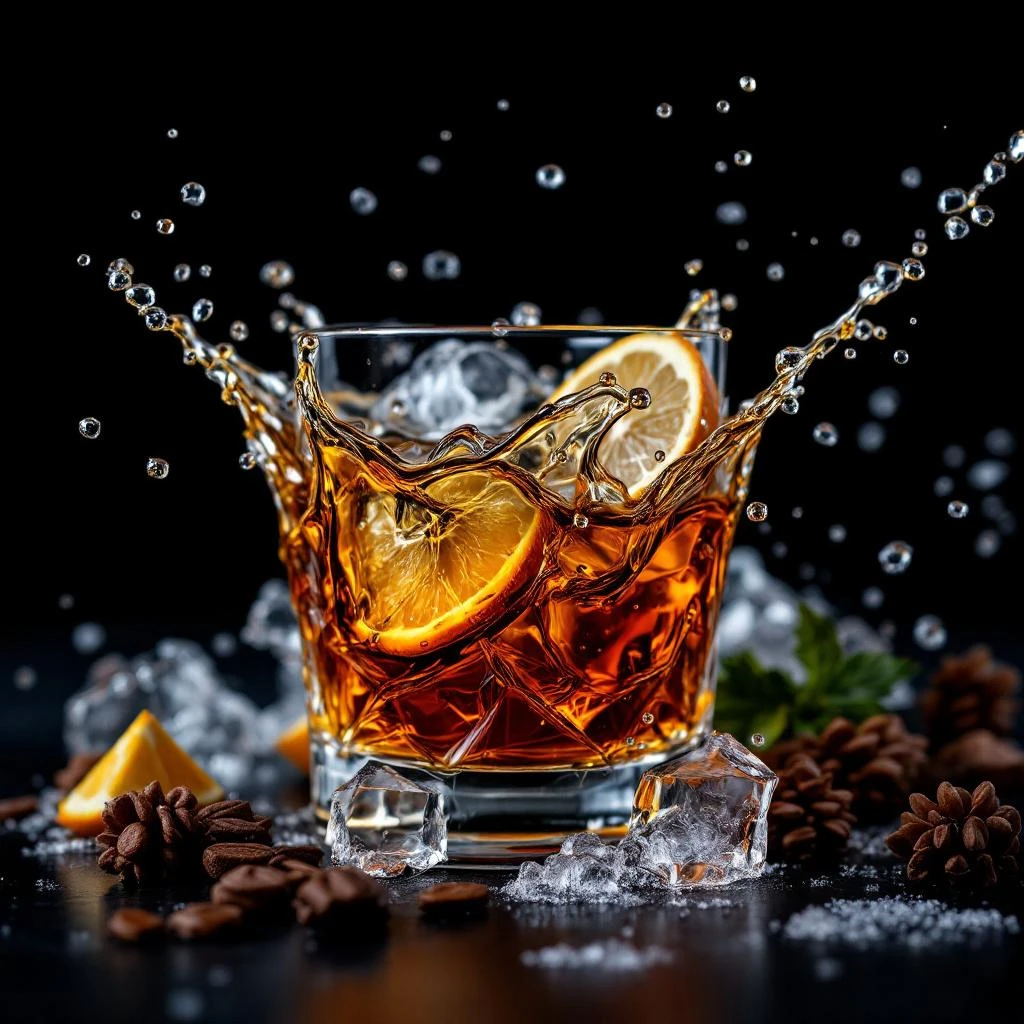
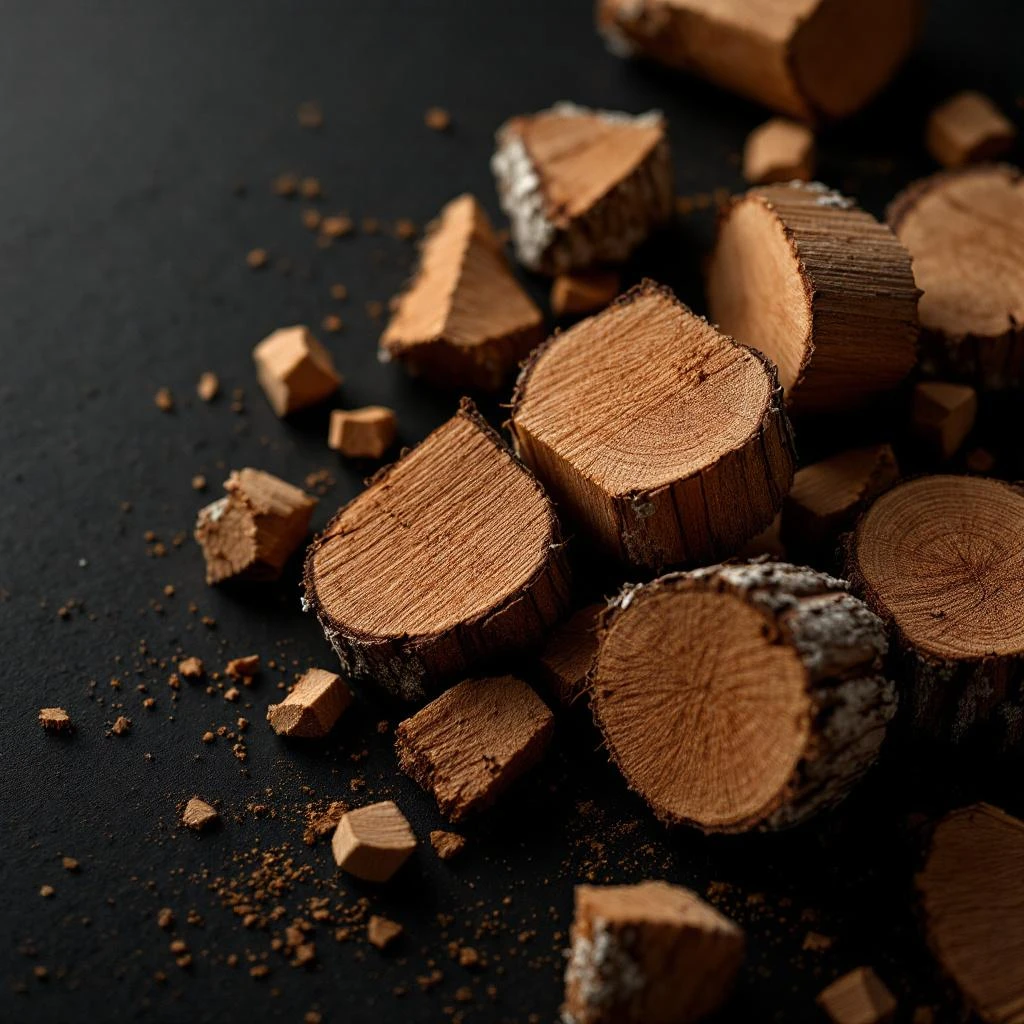
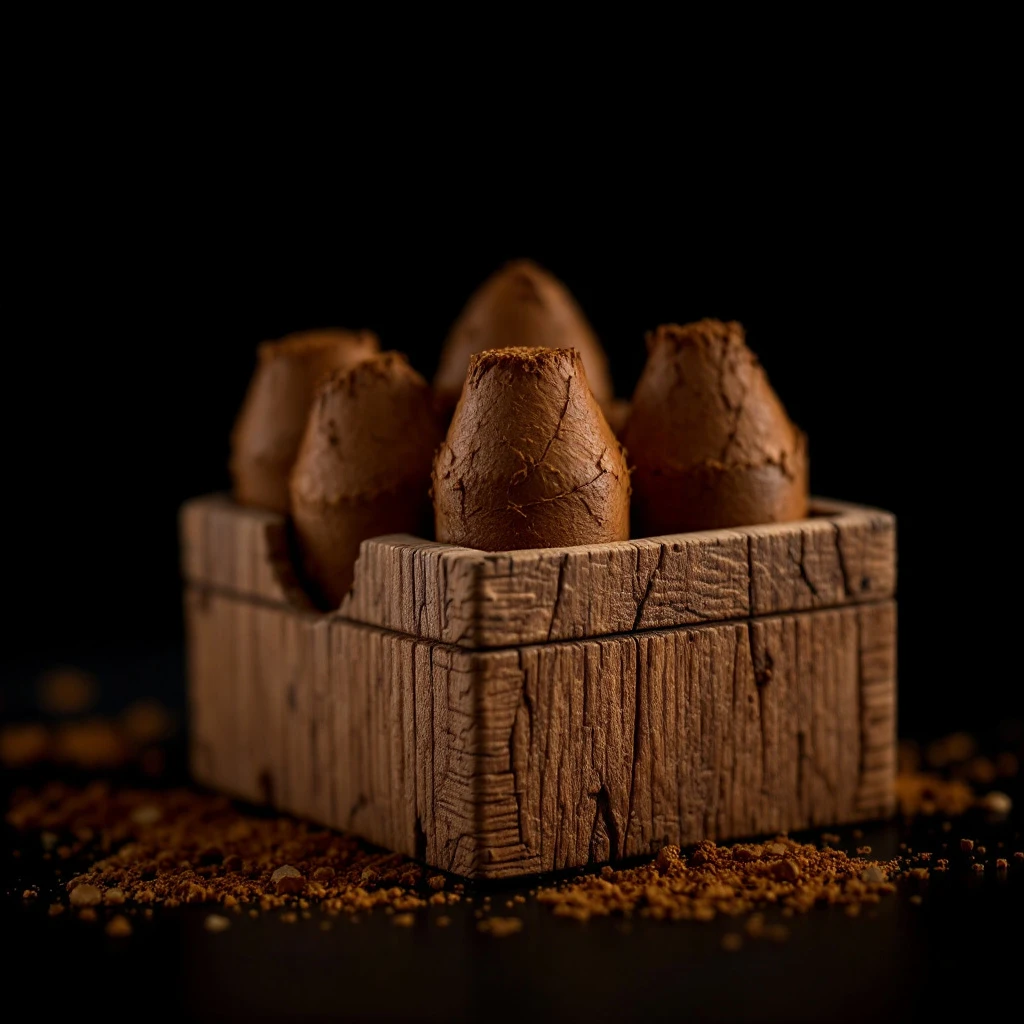
Warm, smoky-sweet Havana tobacco brings a cured-leaf richness to perfumery. Aromatic with hints of dried fruit, hay, and a smooth, almost caramel-like depth.
Character
How it smells
Cured leaves, golden warmth
Tobacco's name traces to the Spanish word 'tabaco,' likely originating from indigenous Caribbean and Mesoamerican cultures long before it ever scented skin.
Origin
Cuba
Tobacco held sacred and ceremonial status across indigenous American cultures for centuries, used in rituals, medicine, and social gatherings. Spanish colonizers encountered the plant in the Caribbean and carried it to Europe in the 16th century, where its leaf name, derived from the Spanish 'tabaco,' became universal. By the 19th century, cured tobacco was prized for its aromatic richness.
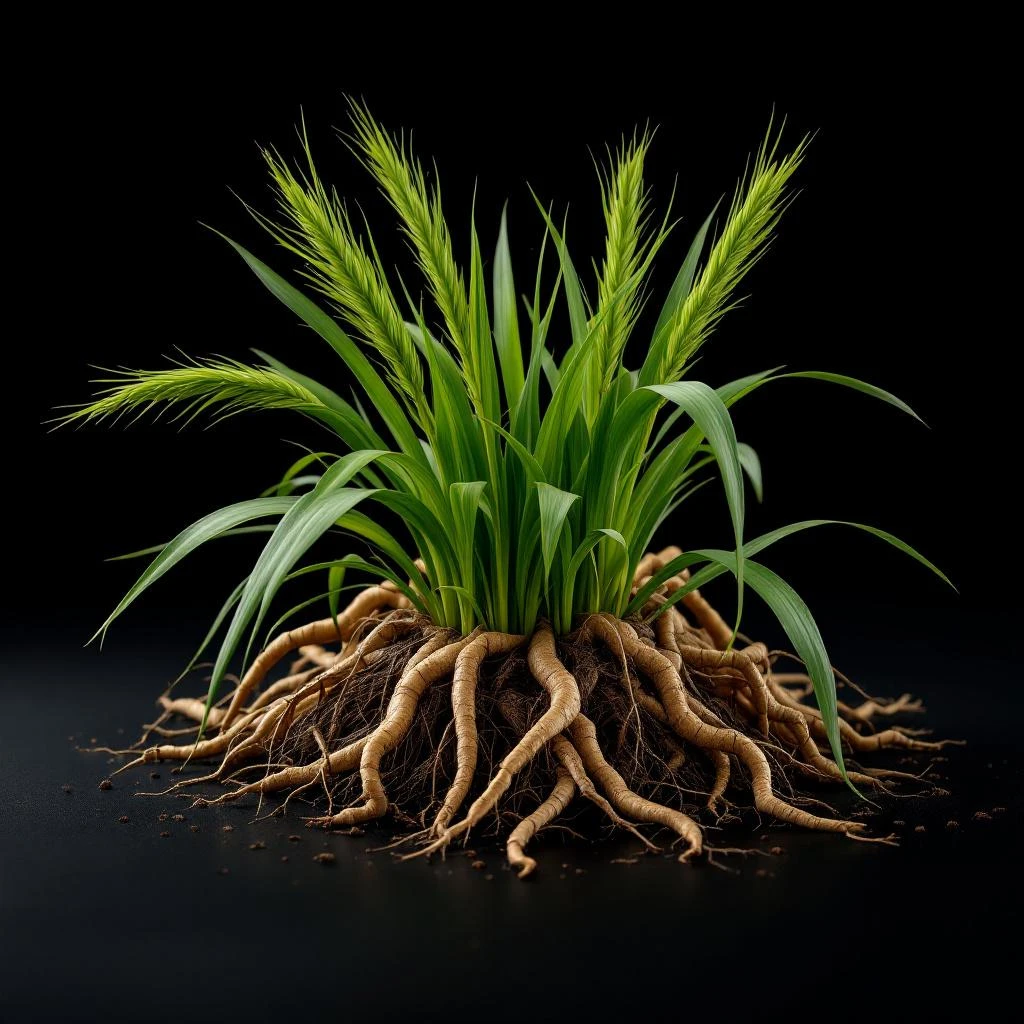
The breakthrough moment in perfumery arrived in 1919 with Caron's Tabac Blond, widely regarded as the landmark tobacco-centric fragrance. Its success inspired generations of spinners. Tobacco's perfumery profile expanded further in 1983 with Molinard Habanita, originally designed to scent women's cigarettes and rich with vetiver, leather, and floral accords.
From the mid-1980s onward, tobacco notes surged in mainstream perfumery, appearing in masculine, unisex, and niche compositions. Today, Havana tobacco remains shorthand for warmth, sophistication, and an unmistakable old-world glow.
Wears it best
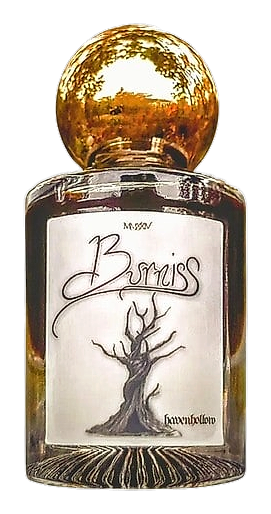
Fragrances featuring Havana Tobacco
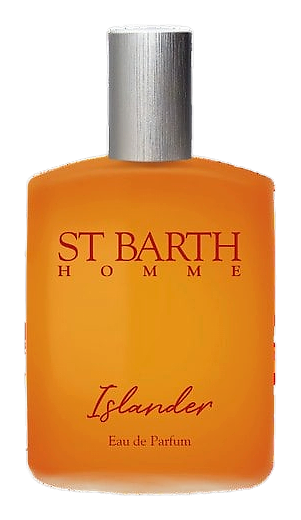
Brands
Brands known for Havana Tobacco
Good to know
Questions, answered
The essentials on Havana Tobacco in perfumery: how it smells, where it comes from, and how it behaves on skin.
What does Havana tobacco smell like in perfume?
Havana tobacco absolute carries warm, cured-leaf richness with sweet, hay-like, and faintly smoky facets. Underlying notes of dried fruit and caramel emerge from compounds such as solanone and furaneol, giving the ingredient a smooth, golden character that pairs well with vanilla, leather, and spice.
When was tobacco first used in perfumery?
Tobacco appeared as a major perfume ingredient in 1919 with Caron's Tabac Blond, widely credited as the first tobacco-centric fragrance. Its success established cured-leaf notes as a distinct perfumery category and inspired decades of subsequent tobacco compositions.
How is natural tobacco absolute extracted?
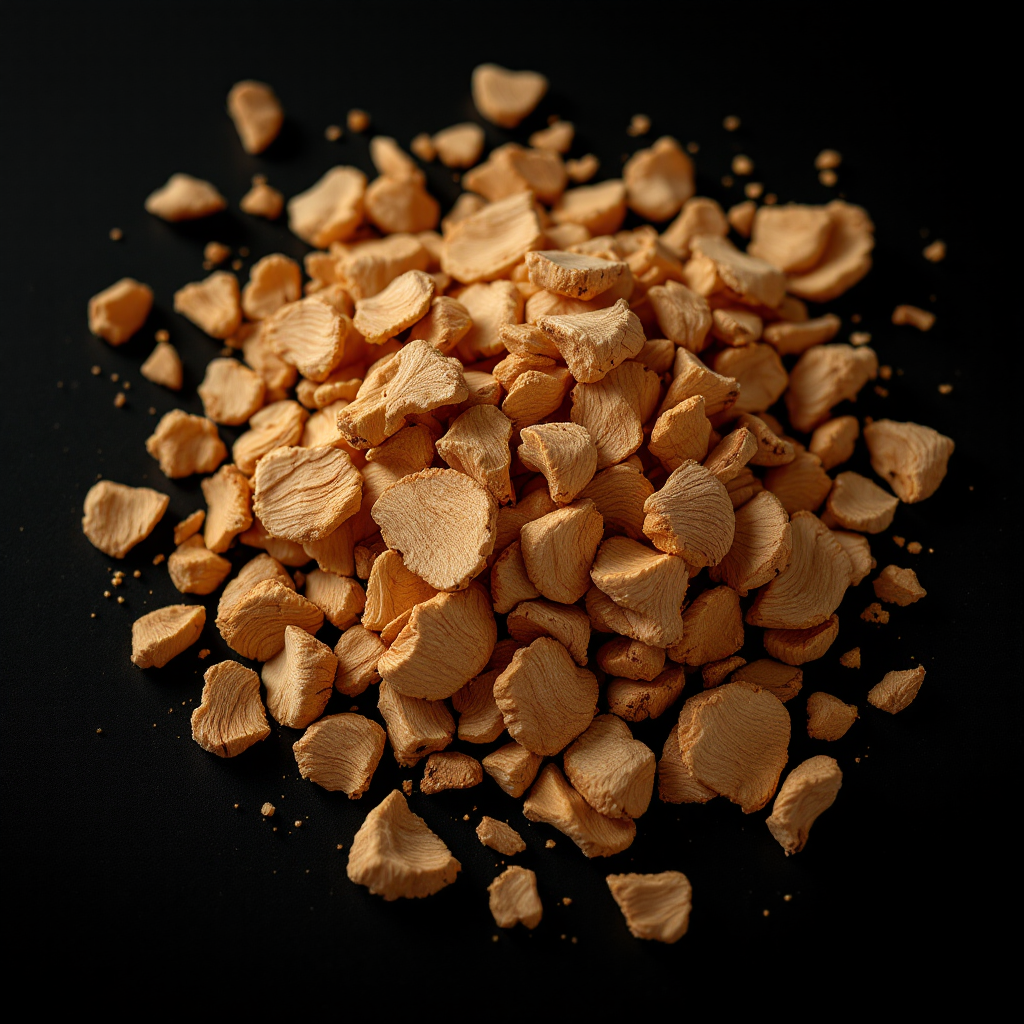
Producers extract tobacco absolute through volatile hydrocarbon solvents applied to cured Nicotiana tabacum leaves. The resulting concrete is then washed with ethanol to isolate a dark, viscous absolute rich in pyrazines and solanone, the molecules responsible for its distinctive warm, sweet, and slightly smoky aroma.
Is Havana tobacco natural or synthetic in modern perfumes?
Most modern tobacco notes blend natural tobacco absolute with reconstructed accords using molecules such as coumarin and tobacco-derived pyrazines. This hybrid approach ensures aromatic consistency while preserving the warmth and complexity that natural cured leaves provide.
What ingredients pair well with tobacco in fragrances?
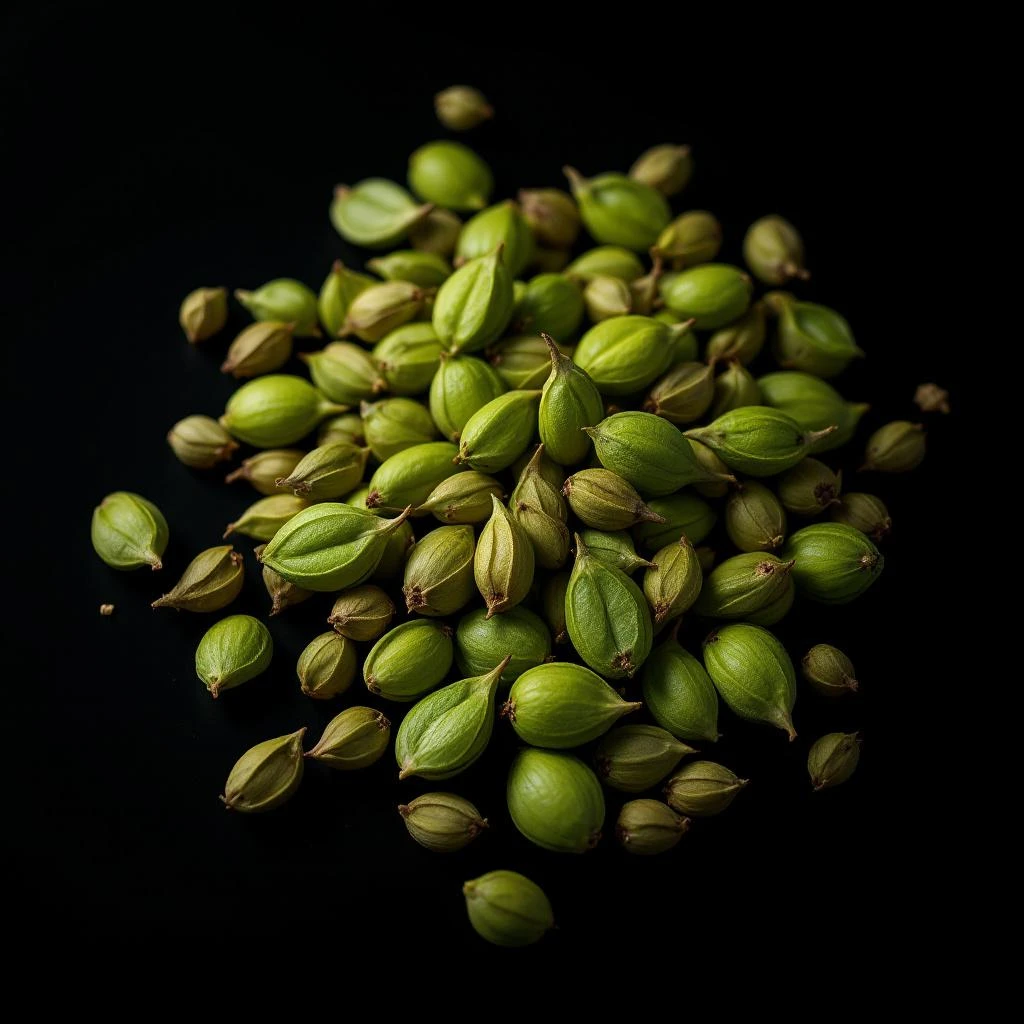
Tobacco harmonizes with vanilla, tonka bean, leather, oud, bourbon, and dried fruit accords. Warming spices such as cinnamon and clove complement its sweetness, while vetiver and patchouli ground the note with earthy depth in masculine and unisex compositions.
Where does Havana tobacco originate?
Havana tobacco refers to cured leaves historically cultivated in Cuba's Vuelta Abajo area, renowned for rich, aromatic qualities. Tobacco itself traces to indigenous cultures of the Caribbean and Mesoamerica before spreading worldwide in the 16th century.
Is tobacco absolute safe in perfume?
Tobacco absolute is considered safe for use in fine fragrance at regulated concentrations. The finished perfume concentration, typically far lower than raw leaf exposure, means topical use poses minimal risk for most individuals.
Why is tobacco so popular in niche perfumery?
Tobacco offers perfumers unusual versatility, shifting between smoky, sweet, leathery, and hay-like facets depending on pairing. Its complexity and old-world warmth make it a signature note for artisan and luxury fragrance houses seeking depth and character.