



    Brand Profile

    Ligne St. Barth began as a modest family workshop in 1983 and has grown into a niche fragrance house that still feels like a private garden.…More

    France·Est. 1983·Site

    4.3

    Rating

    12
    Vetiver by Ligne St. Barth
    Best Seller
    4.5

    Vetiver

    L'Original by Ligne St. Barth
    Best Seller
    4.5

    L'Original

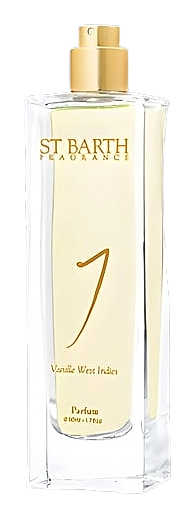
    Vanille West Indies by Ligne St. Barth
    Best Seller
    4.5

    Vanille West Indies

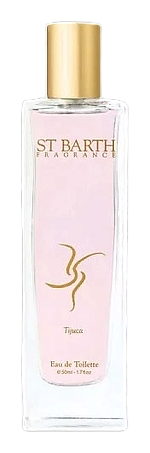
    Tijuca by Ligne St. Barth – Eau de Toilette
    4.3

    Tijuca

    Eau de Toilette

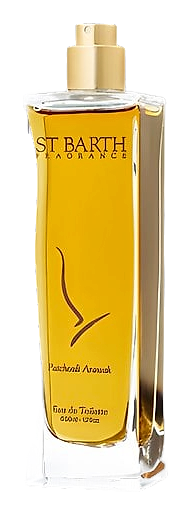
    Patchouli Arawak by Ligne St. Barth
    4.2

    Patchouli Arawak

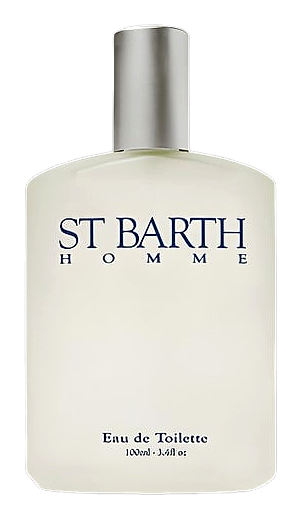
    Homme by Ligne St. Barth
    4.2

    Homme

    Islander by Ligne St. Barth
    4.0

    Islander

    Fleur de Canne a Sucre by Ligne St. Barth
    4.0

    Fleur de Canne a Sucre

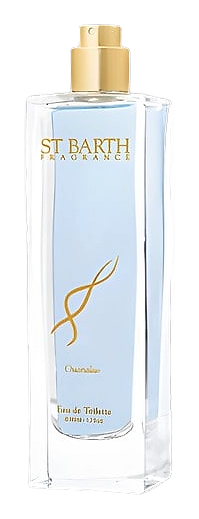
    Ouanalao by Ligne St. Barth
    4.0

    Ouanalao

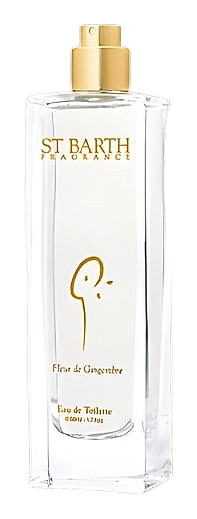
    Fleur de Gingembre by Ligne St. Barth
    3.8

    Fleur de Gingembre

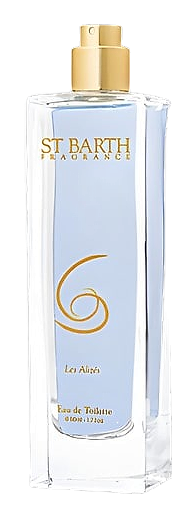
    Les Alizes by Ligne St. Barth
    3.4

    Les Alizes

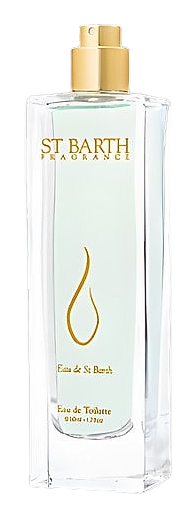
    Eau de St Barth by Ligne St. Barth
    3.3

    Eau de St Barth

    The Heritage

    The Story of Ligne St. Barth

    Ligne St. Barth began as a modest family workshop in 1983 and has grown into a niche fragrance house that still feels like a private garden. The brand draws its scent palette from the Caribbean sea breezes, sugar‑cane fields and tropical woods that line the island of Saint‑Barthélemy. Each bottle offers a moment of sun‑lit calm, whether the wearer is strolling a Parisian boulevard or lounging on a beach. The line balances gourmand sweetness with crisp aromatics, delivering scents that feel both familiar and unexpected, while staying true to a philosophy of natural elegance.

    Heritage

    The story starts in Lorient, France, where Hervé Brin and his wife Birgit opened a small perfumery shop in 1983. Their early collections were inspired by the couple’s vacations in the French West Indies, a region whose flora and light left a lasting impression. By the late 1990s the brand introduced Homme, a masculine fragrance that referenced the clean, marine character of the islands. In 2007 the house launched a cluster of scents that would become reference points: Vanille West Indies, a creamy vanilla that references the island’s sugar‑cane heritage; Patchouli Arawak, a deep earth note; Tijuca, a nod to Brazilian rainforests; and Fleur de Canne à Sucre, a sweet sugar‑cane blossom. These releases cemented the brand’s reputation for translating Caribbean terroir into perfume. The 2010s saw a gradual expansion into body oils and skincare, using avocado, roucou and other island ingredients, while keeping production in small batches. 2023 marked a resurgence of creative output with three new releases—L’Original, Vetiver and Islander—each positioned as a modern reinterpretation of classic Caribbean motifs. Throughout its four‑decade journey, Ligne St. Barth has remained family‑run, with Hervé Brin still overseeing creative direction and his children gradually taking on operational roles. The brand’s longevity rests on a consistent commitment to natural inspiration, modest growth, and a refusal to chase mainstream trends.

    Craftsmanship

    Production takes place in a modest workshop in the north of France, where each batch is measured by hand. The perfumers start with a core of natural absolutes—coconut, vanilla, vetiver, patchouli—then layer synthetic accents only when they enhance stability or lift the scent without compromising authenticity. Ingredients are sourced from verified growers: vanilla from Madagascar, sugar‑cane essence from the French Antilles, and Caribbean rum from distilleries that follow traditional methods. Quality control includes a three‑stage testing protocol: olfactory evaluation by senior perfumers, skin compatibility testing on a panel of volunteers, and stability checks under varied temperature and humidity conditions. Bottles are filled on a slow line to avoid aeration, and each is sealed with a cork that has been treated to resist moisture. The brand’s commitment to small‑batch production means that a single fragrance may be produced only a few thousand times before a new formula is introduced, preserving a sense of rarity. All packaging materials are recyclable, and the company works with a French logistics partner that offsets carbon emissions for each shipment.

    Design Language

    Visually, Ligne St. Barth leans toward clean lines and muted palettes that echo the sea and sand of its island muse. Bottles are typically clear glass with a slender, matte‑finished neck, allowing the perfume’s natural hue to show. Labels feature a simple sans‑serif typeface and a thin gold accent that hints at the sun‑kissed beaches of Saint‑Barth. The brand’s logo—a stylized wave—appears on caps and on the outer box, reinforcing the maritime theme without overwhelming the design. Packaging colors shift with each release: Vanille West Indies arrived in a warm ivory box, while L’Original uses a soft teal that recalls turquoise lagoons. Marketing imagery often shows the fragrances placed on natural textures—driftwood, woven palm mats, or a slice of sugar‑cane—rather than glossy studio sets. This restrained visual language reinforces the brand’s promise of natural elegance and invites the consumer to imagine the scent in a real, tactile setting.

    Philosophy

    Ligne St. Barth treats fragrance as an extension of the environment rather than a separate artifice. The house believes that scent should echo the place where it was born, so every new composition begins with a field trip to a Caribbean garden, a sugar‑cane plantation or a seaside cliff. The brand values transparency; ingredient lists are published on the website and sourcing partners are disclosed whenever possible. Sustainability informs the choice of raw materials: vanilla beans are purchased from small cooperatives in Madagascar that practice shade‑grown cultivation, while vetiver roots come from farms that rotate crops to preserve soil health. The house also prioritises skin‑friendliness, formulating each perfume with a base of natural oils that soften the skin and reduce irritation. Rather than chasing fleeting trends, the creative team aims to capture timeless moments—sunset over the harbor, the scent of rain on limestone, the aroma of freshly cut sugarcane. This approach creates a quiet confidence that invites wearers to pause and notice the world around them.

    Key Milestones

    1983

    Hervé and Birgit Brin open a perfumery shop in Lorient, France, laying the foundation for Ligne St. Barth.

    2000

    Release of Homme, the brand’s first dedicated masculine fragrance, inspired by Caribbean marine notes.

    2007

    Launch of a signature quartet—Vanille West Indies, Patchouli Arawak, Tijuca, and Fleur de Canne à Sucre—expanding the line’s Caribbean focus.

    2015

    Introduction of body oils and skincare products that incorporate avocado, roucou and other island botanicals.

    2023

    Three new fragrances—L’Original, Vetiver, and Islander—debut, marking the brand’s most ambitious release in a decade.

    At a Glance

    Brand profile snapshot

    Origin

    France

    Founded

    1983

    Heritage

    43

    Years active

    Collection

    1

    Fragrances released

    Avg Rating

    4.3

    Community sentiment

    Release Rhythm

    2023
    3
    2007
    8
    2000
    1
    lignestbarth.com

    Did You Know?

    Interesting Facts

    Distinctive details and defining moments that shape the house personality.

    01

    The vanilla used in Vanille West Indies comes from a single cooperative in Madagascar that practices shade‑grown cultivation, a method that enhances bean quality and supports biodiversity.

    02

    Ligne St. Barth’s founder, Hervé Brin, originally trained as a pharmacist, which influences the brand’s emphasis on skin‑friendly formulations.

    03

    The brand’s name references Saint‑Barthélemy, but the company’s production facilities remain in France, allowing tight quality control while preserving the island’s scent inspiration.

    04

    Each bottle is sealed with a cork that is treated with a natural wax derived from Caribbean palm oil, providing a subtle scent that lingers even before the perfume is sprayed.