The Story
Why it exists.
The beginning
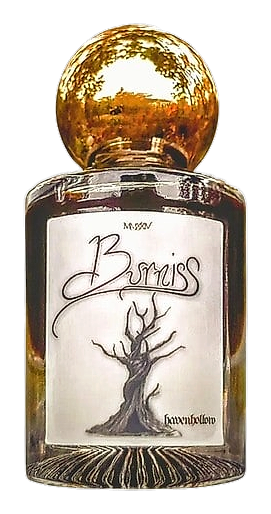
Burniss arrived in 2024 from Havenhollow, where Eric Valentino is listed as the perfume maker and brand owner. Valentino built the scent around a multi-tobacco blend rather than a single-note tobacco treatment. The formula draws on several distinct tobaccos, including Kentucky Dark Burley, Havana Broadleaf, Red Virginia, Louisiana Perique, and Persian Shirazi from the 2024 release, with a blend featuring Turkish Basma, Izmir, Dark Burley, Havana Broadleaf, Criollo, and Red Virginia appearing in the 2025 variant. The rest of the composition reads like a humidor inventory: deertongue leaf, Jamaican rum, bourbon vanilla, acacia honey, rich balsams, and aged castoreum tincture. Cigar-box cedar frames the whole thing, with cocoa, plum, and warm spices as garnish.
Most tobacco compositions center on one dominant leaf. Burniss spreads its weight across five. That decision shapes everything about how the fragrance reads: each varietal contributes a slightly different shade of tobacco, from the sweeter, hay-like warmth of Virginia to the deeper, fermented character of Perique, and the broad-leafed weight of Havana and Criollo types adds body and darkness. The deertongue leaf ties the blend together, contributing a vanilla-adjacent sweetness and an almost root-like earthiness that bridges the lighter and darker tobaccos without flattening them.
The evolution
The opening is the loudest stretch, and it announces what's coming. Multiple tobacco varietals arrive at once, colliding with balsamic sweetness and the darker fruit of plum, and the whole thing leans closer to pipe tobacco than to anything most people would call a perfume. The smoke is dense, almost chewy, and the early going carries the weight of cured leaf rather than any single bright top note. The shift happens gradually rather than all at once. As the tobacco settles, the rum starts to surface, loosening the composition and adding a slightly fermented, woody quality that softens the edges without thinning out the body. The plum deepens, moving from fresh fruit toward something closer to cooked-down jam or dried fruit. The acacia honey thickens, reading as a clean, floral sweetness that doesn't crowd the tobacco but rounds it out.
Cultural impact
Burniss sits at the heavier end of the indie tobacco spectrum, where the leaf itself is treated as the main event rather than a backdrop for vanilla, honey, or boozy sweetness. The five-tobacco blend gives it a layered, almost geological depth that most single-leaf tobacco compositions don't reach, and the inclusion of deertongue and castoreum pushes it past the usual boundaries of the category. The deertongue carries its own kind of credibility with anyone familiar with pipe tobacco, since it's a leaf traditionally used to flavor blends, and its presence here reads as a nod to that heritage rather than a decorative touch.