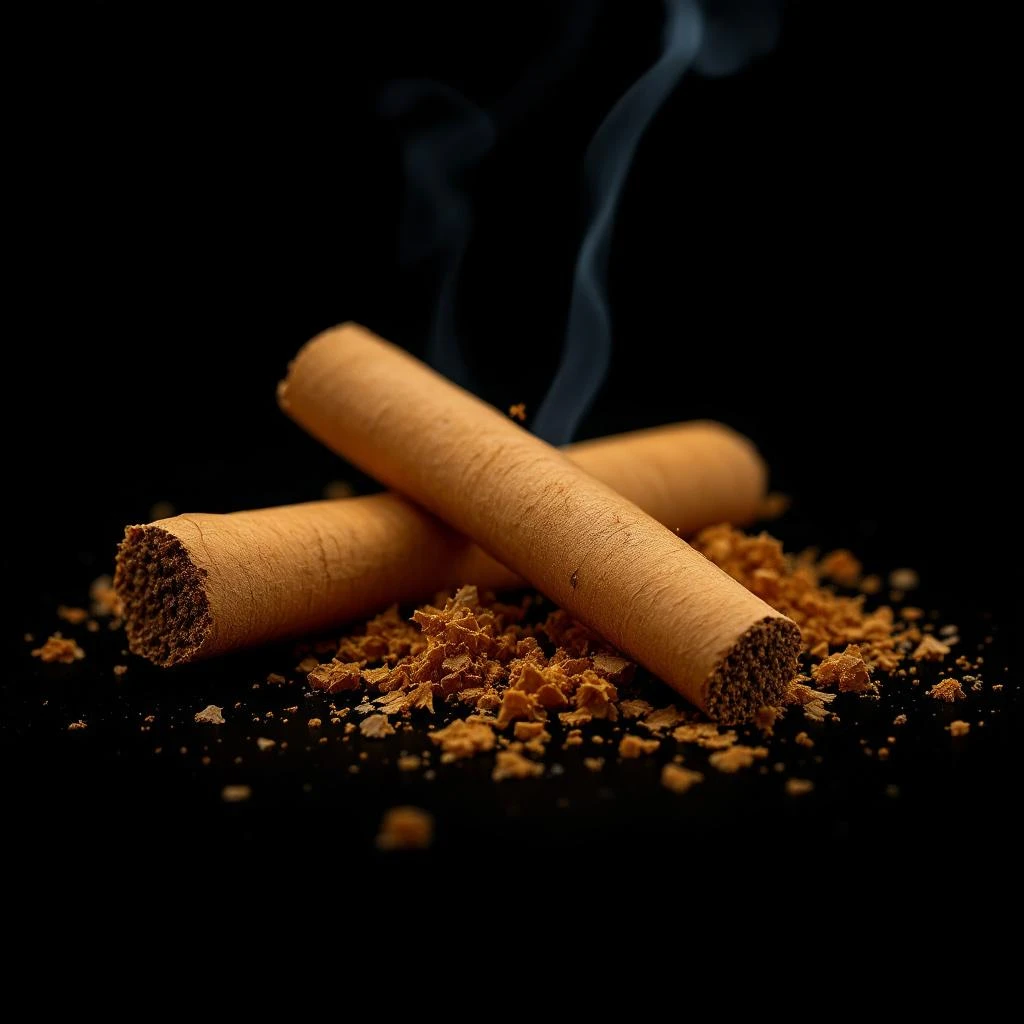
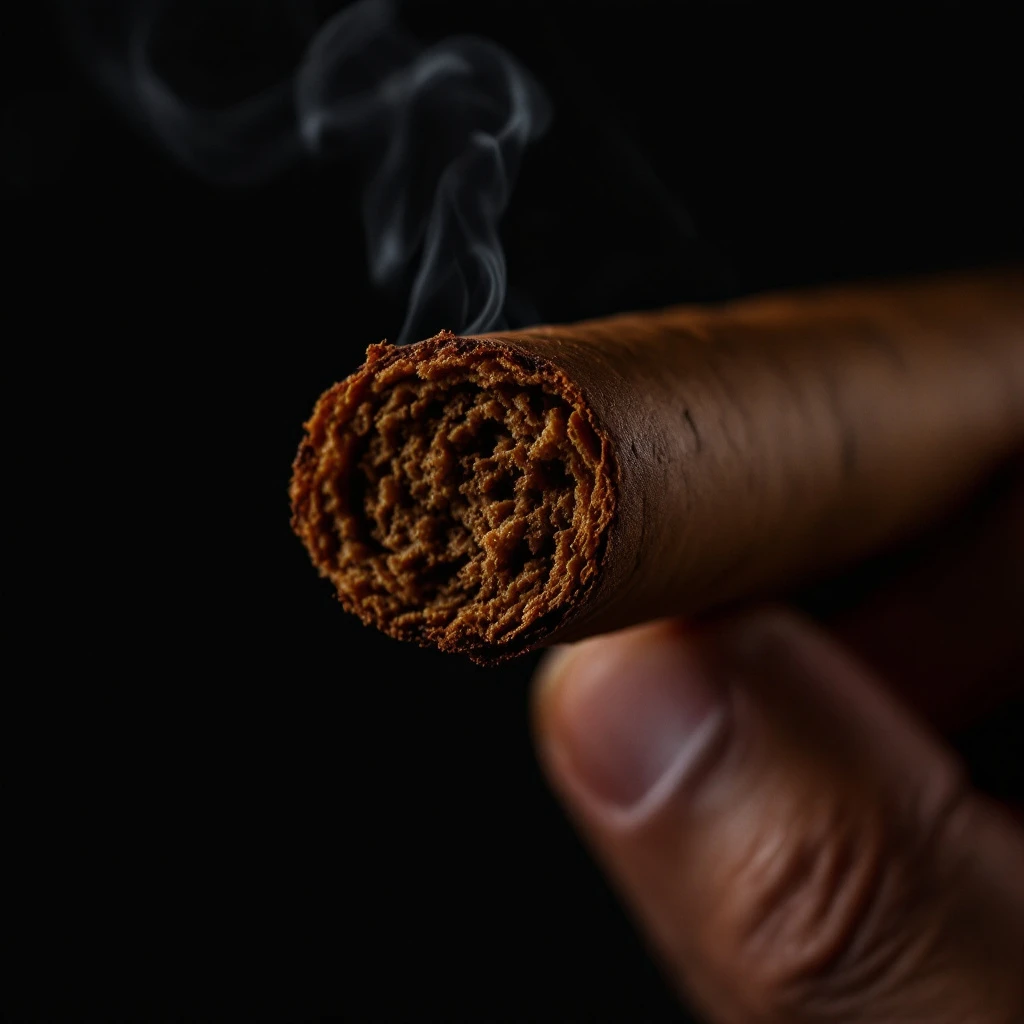
Perique Tobacco
From the humid bayous of St. James Parish, Louisiana comes one of the world's rarest tobaccos—a coveted ingredient that transforms fragrances with its deep, fermented character and centuries of tradition.
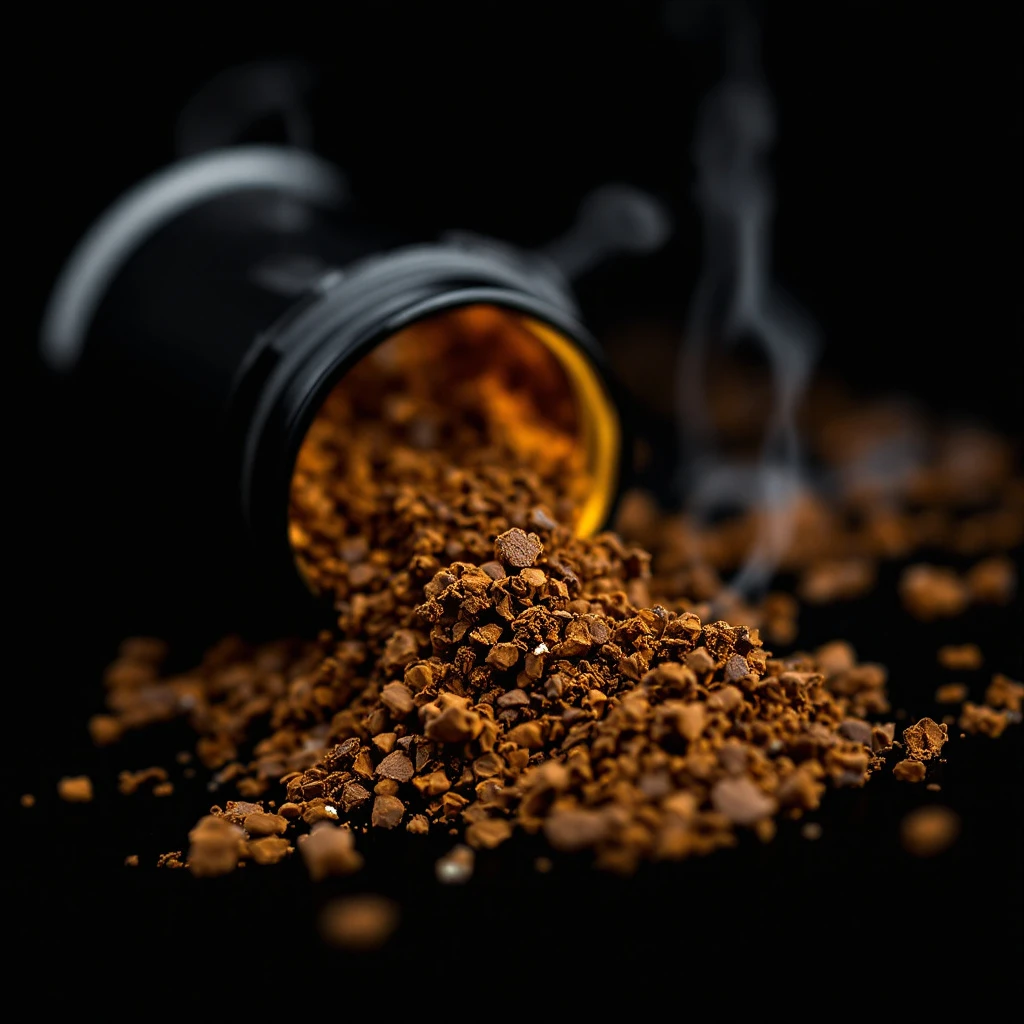
Character
How it smells
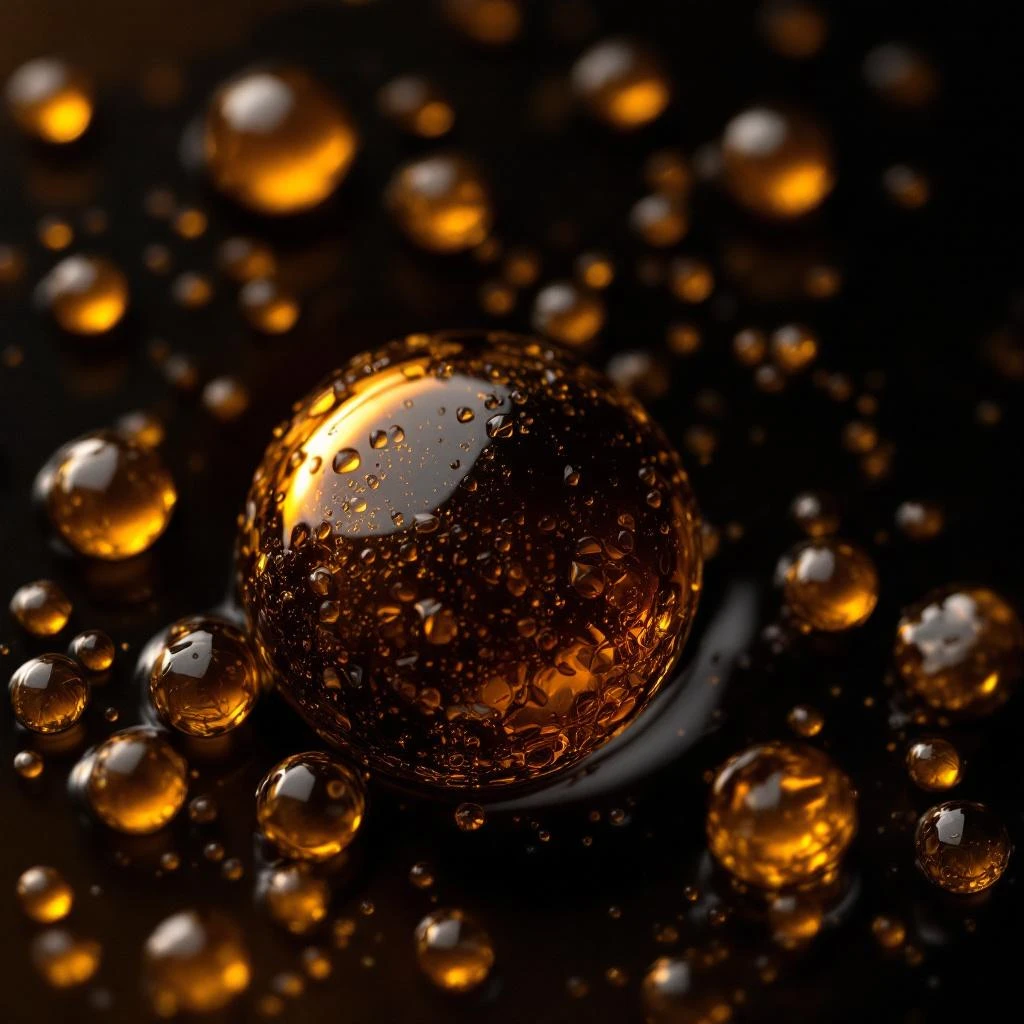
Louisiana's liquid gold from a single parish.
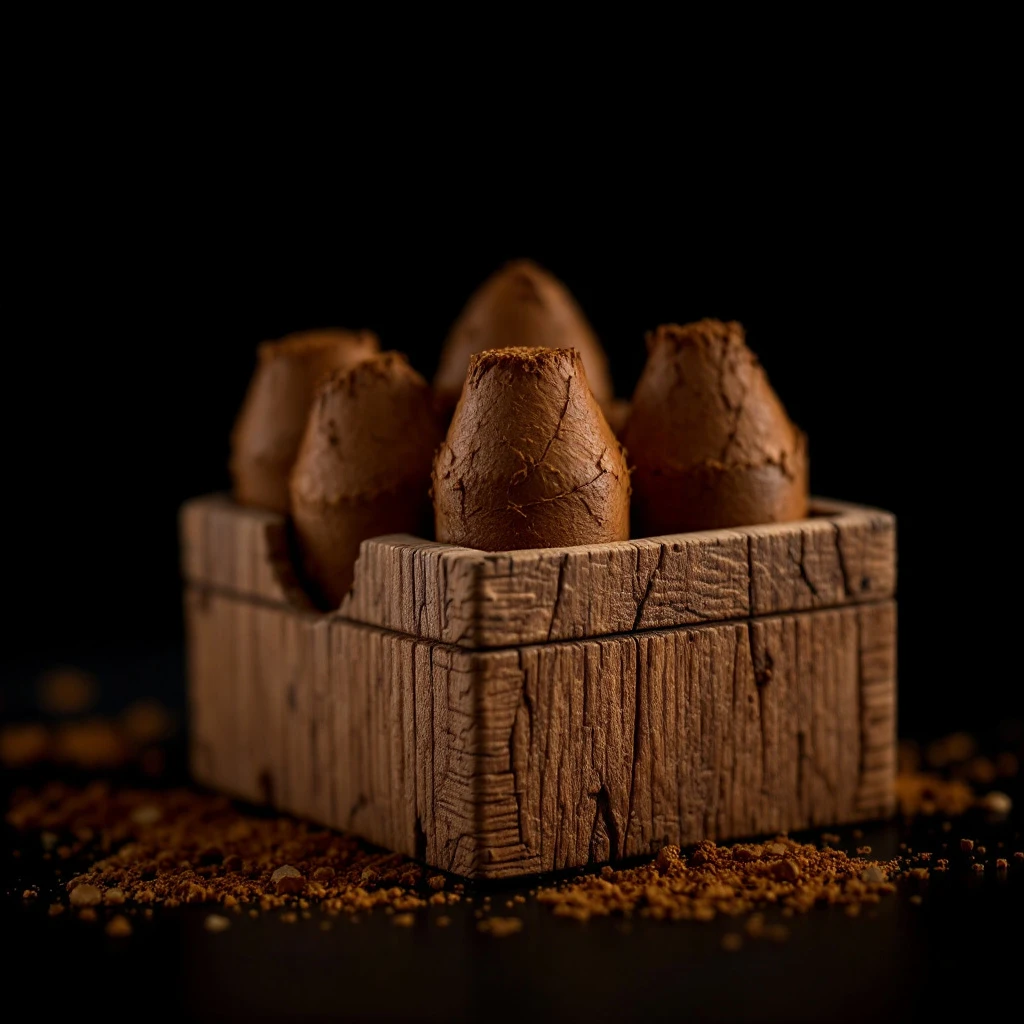
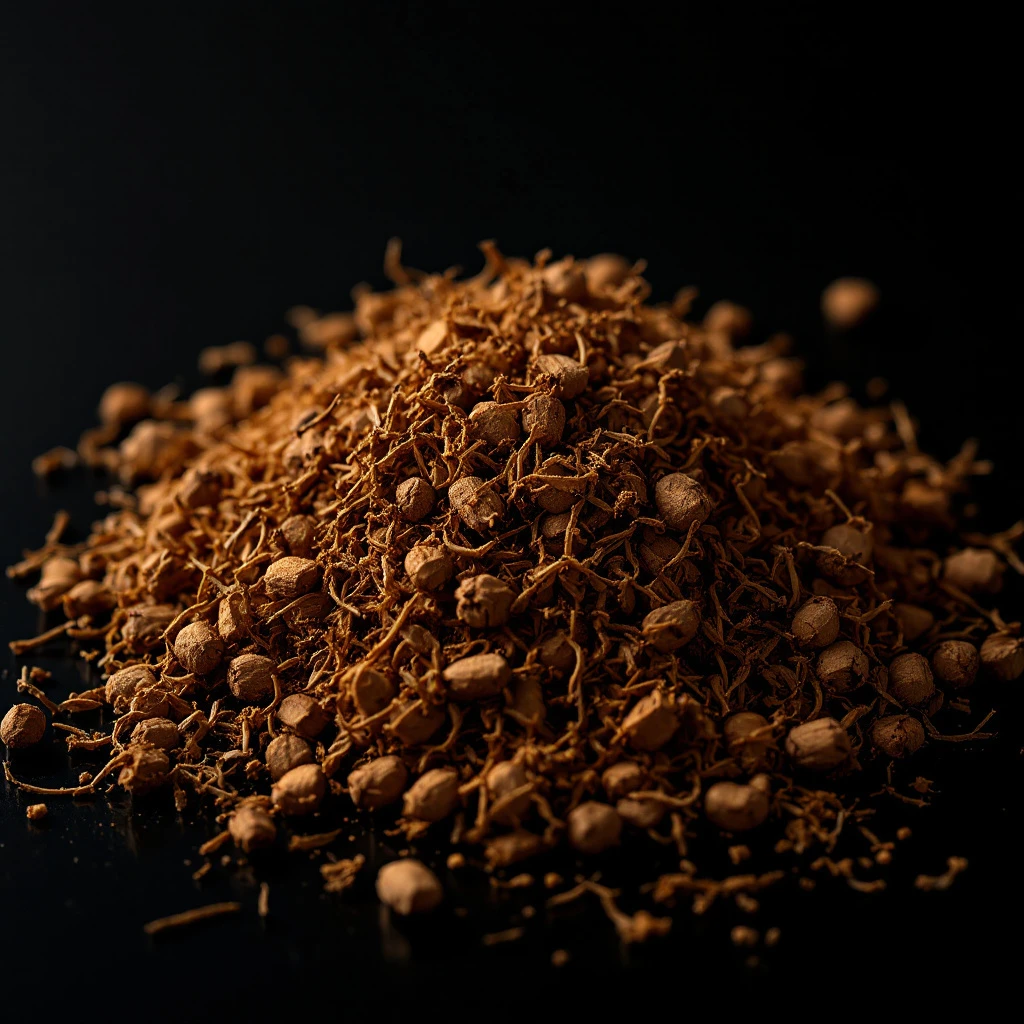
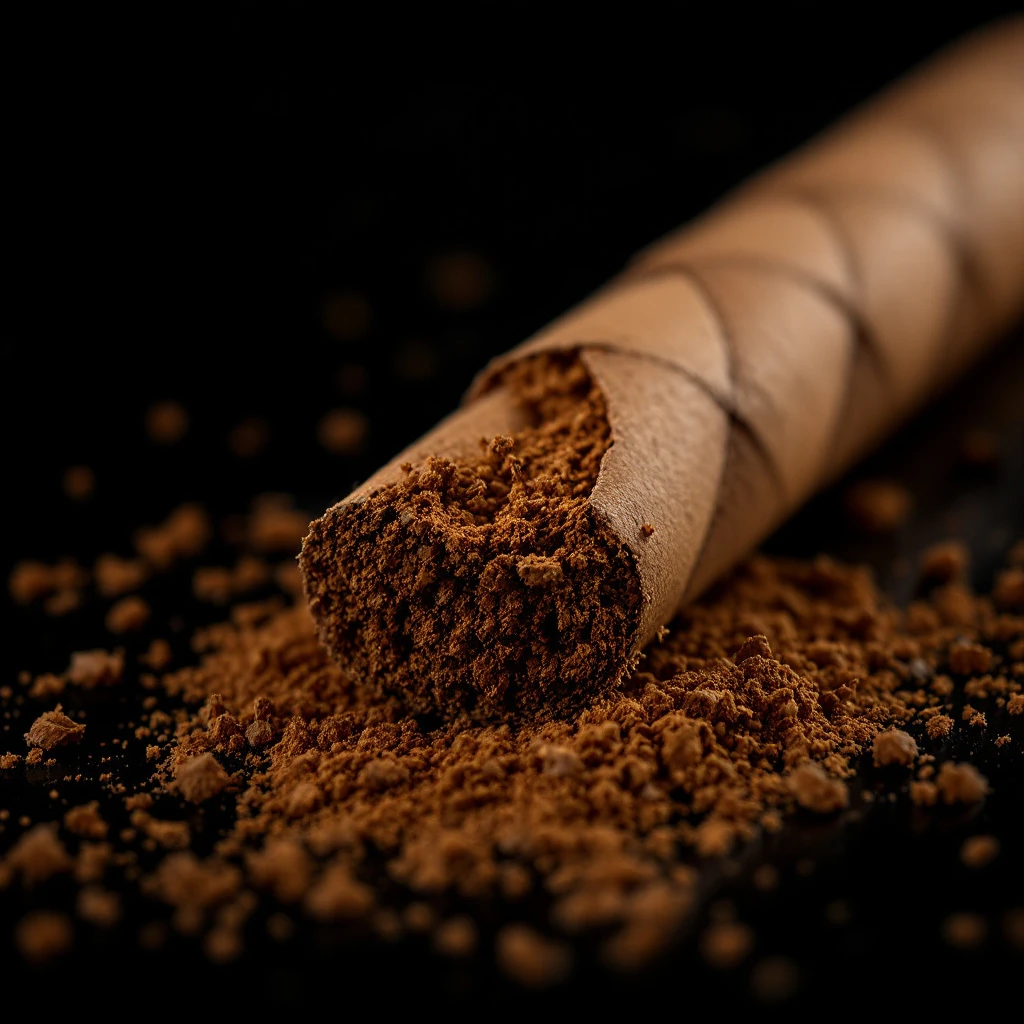
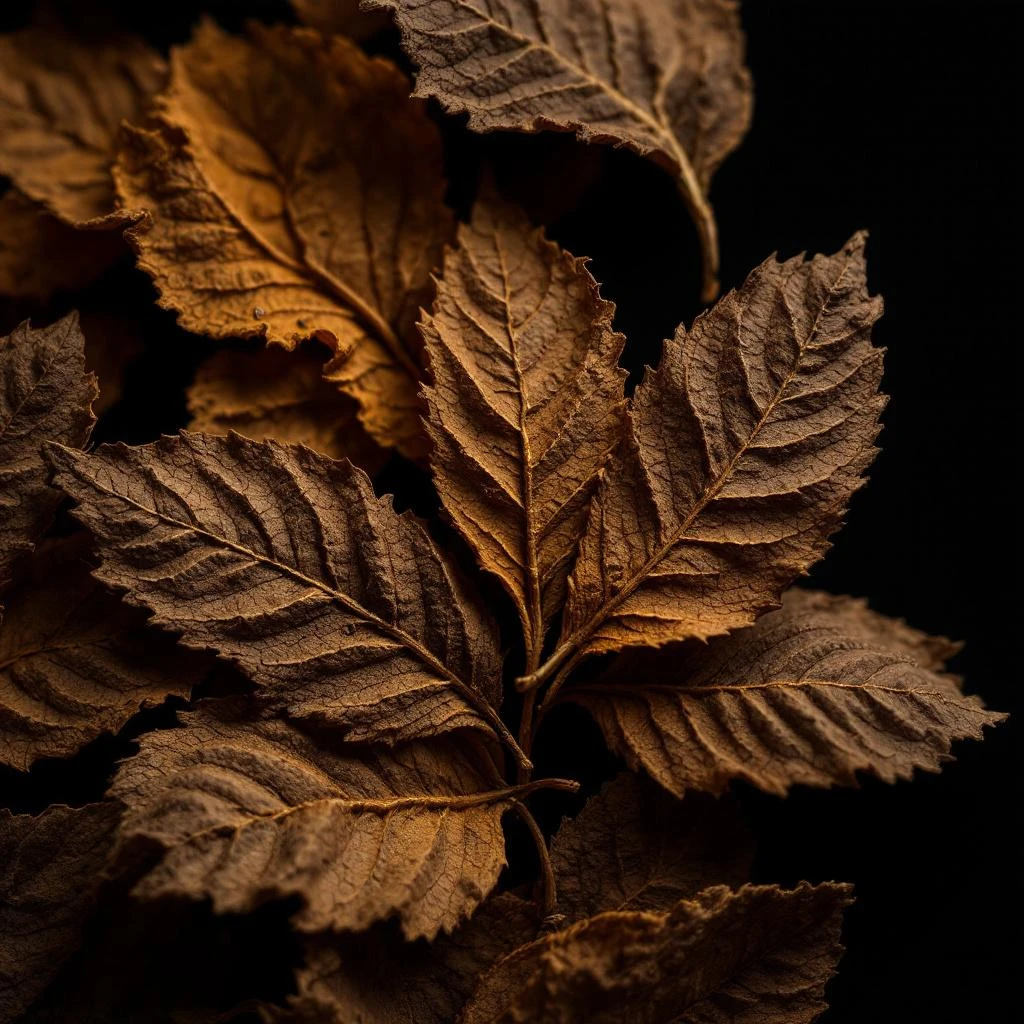
Perique ferments for up to 10 months under 4-ton presses, developing its signature dark, almost black appearance and intensely complex aroma.
Origin
USA
Perique tobacco traces its roots to the late 1700s in St. James Parish, when French settlers from Canada first encountered Indigenous Chickasaw and Choctaw tobacco traditions. These Native American cultures pressed tobacco using wooden mallets and weighted logs, a technique that would prove foundational.
In 1824, a farmer named Pierre Chenet—himself a French-Canadian immigrant—refined these ancestral methods into what we now call Perique, earning credit as its inventor. The 1900s saw the Roussel family industrialize production by fermenting the tobacco in whiskey barrels, adding oak influence to the flavor profile. Today, Perique remains exclusive to St.
James Parish, with only a handful of farms maintaining this centuries-old tradition. The crop's survival represents an unbroken lineage of agricultural expertise stretching back over 200 years, making it both a fragrance ingredient and a living artifact of Louisiana's cultural heritage.
Wears it best
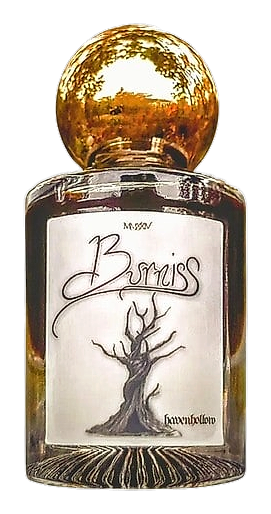
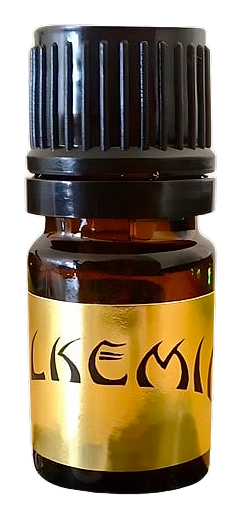
Fragrances featuring Perique Tobacco
Brands
Brands known for Perique Tobacco
Good to know
Questions, answered
The essentials on Perique Tobacco in perfumery: how it smells, where it comes from, and how it behaves on skin.
What makes Perique tobacco rare?
Perique grows exclusively in St. James Parish, Louisiana. Annual cultivation covers fewer than 30 acres, and only a few families maintain the traditional processing knowledge. This geographic limitation and labor-intensive production keep Perique among the world's rarest tobaccos.
How is Perique tobacco processed?
Fresh tobacco leaves are cured for several weeks, moistened with cane syrup, then packed into oak barrels and pressed under several tons of weight. The leaves ferment anaerobically for up to 10 months, developing their signature dark color and complex aroma.
What does Perique tobacco smell like?
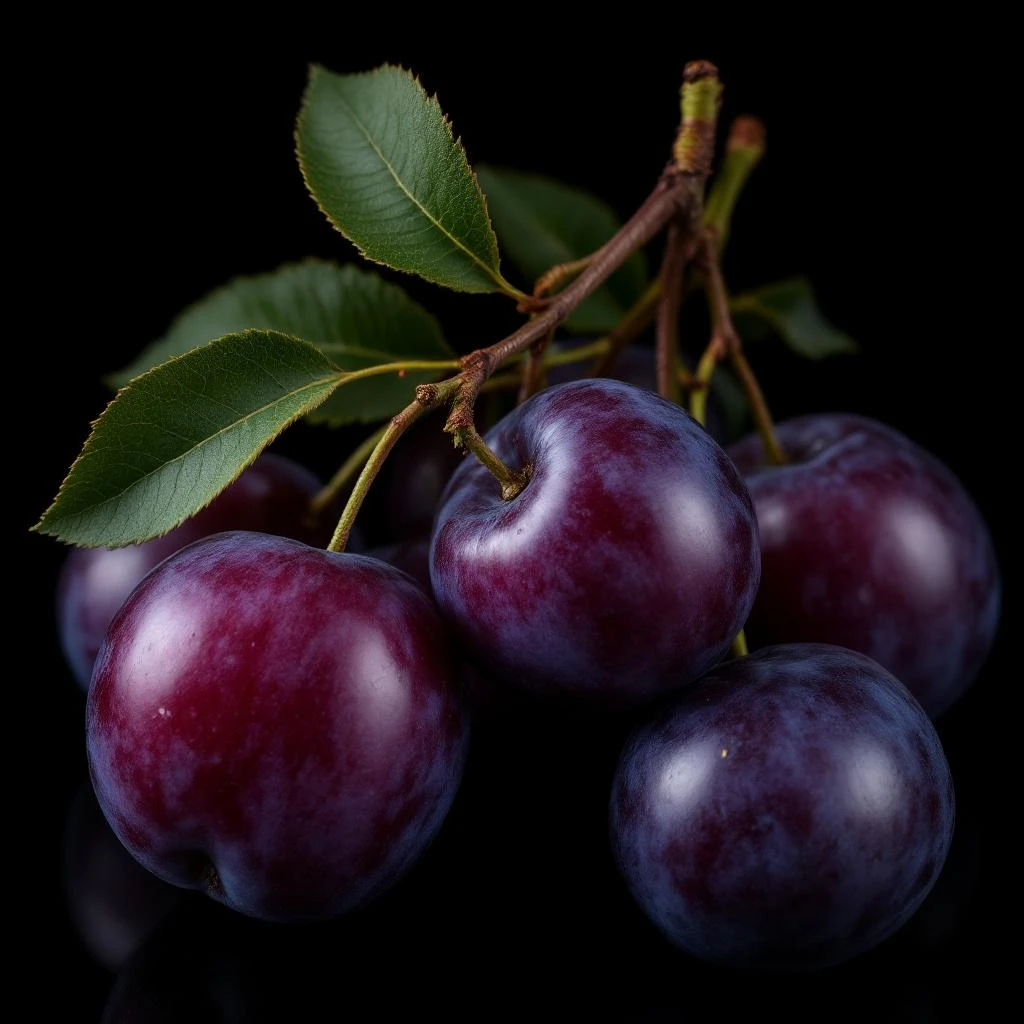
Perique offers a layered sensory profile: fermented, smoky, and woody at its core, with dried fruit sweetness reminiscent of dates and figs. Extended pressing adds a distinctive wine-like quality that distinguishes it from other tobacco varieties.
How did Perique tobacco originate?
Pierre Chenet, a French-Canadian immigrant, developed the modern fermentation technique in 1824 by adapting Indigenous Chickasaw and Choctaw methods of pressing tobacco with wooden tools and heavy weights.
Why is Perique considered prestigious in perfumery?
Perique's rarity stems from its single-origin status and the demanding 10-month fermentation process. Fragrance houses value it for adding depth, complexity, and a sophisticated fermented quality that cannot be replicated synthetically.
What form does Perique take in perfumery?
Perique tobacco absolute, extracted via solvent extraction, appears as a viscous brown liquid. Perfumers use it as a base note in masculine and unisex fragrances, contributing rich, lingering depth with its distinctive fermented character.
How does Perique differ from other tobacco materials?
The pressurized fermentation process distinguishes Perique from standard cured tobacco. This extended fermentation develops stronger, more complex aromatic compounds, yielding a darker material with pronounced fermented, wine-like, and fruity notes.
What is the production timeline for Perique tobacco?
Perique requires approximately one year from harvest to finished product. Curing takes several weeks, followed by up to 10 months of fermentation under pressure. The extended timeline and hands-on labor contribute to its exceptional scarcity.