Cigar-box Cedar
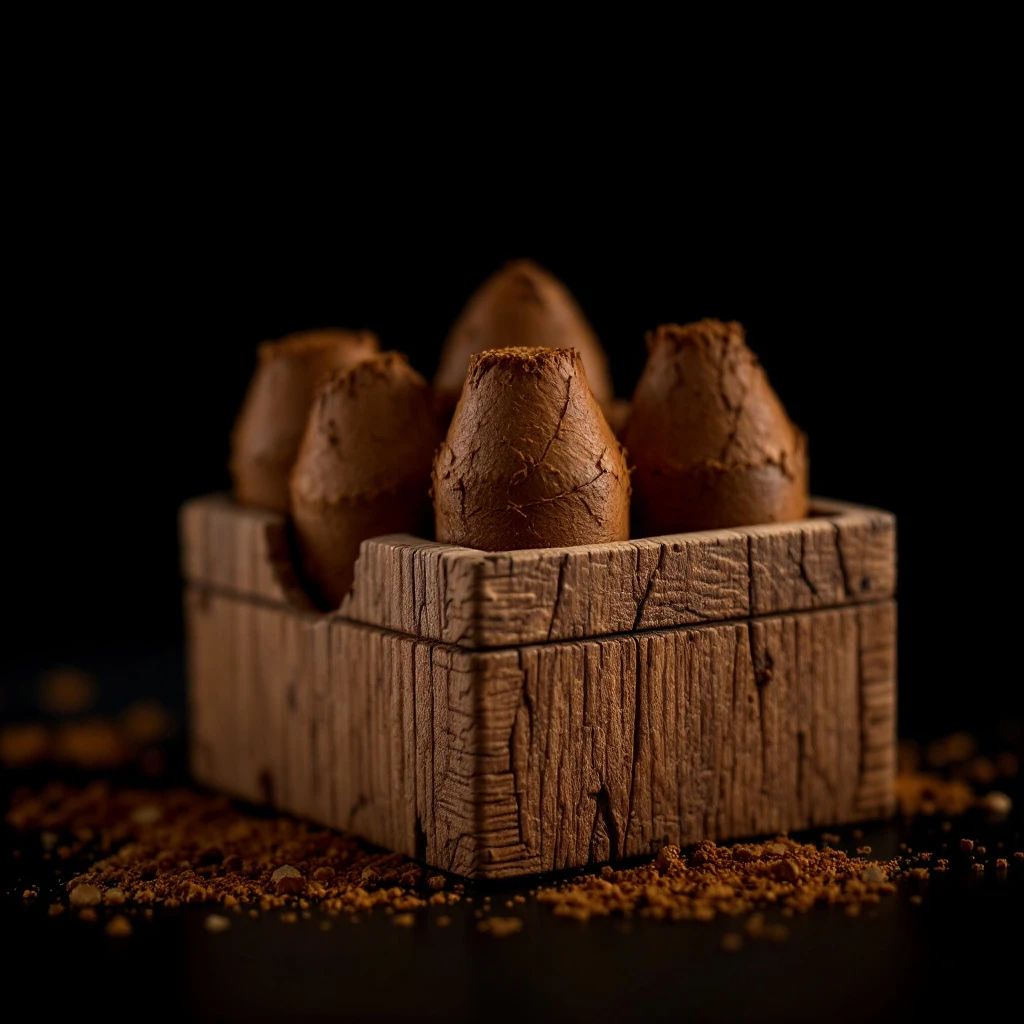
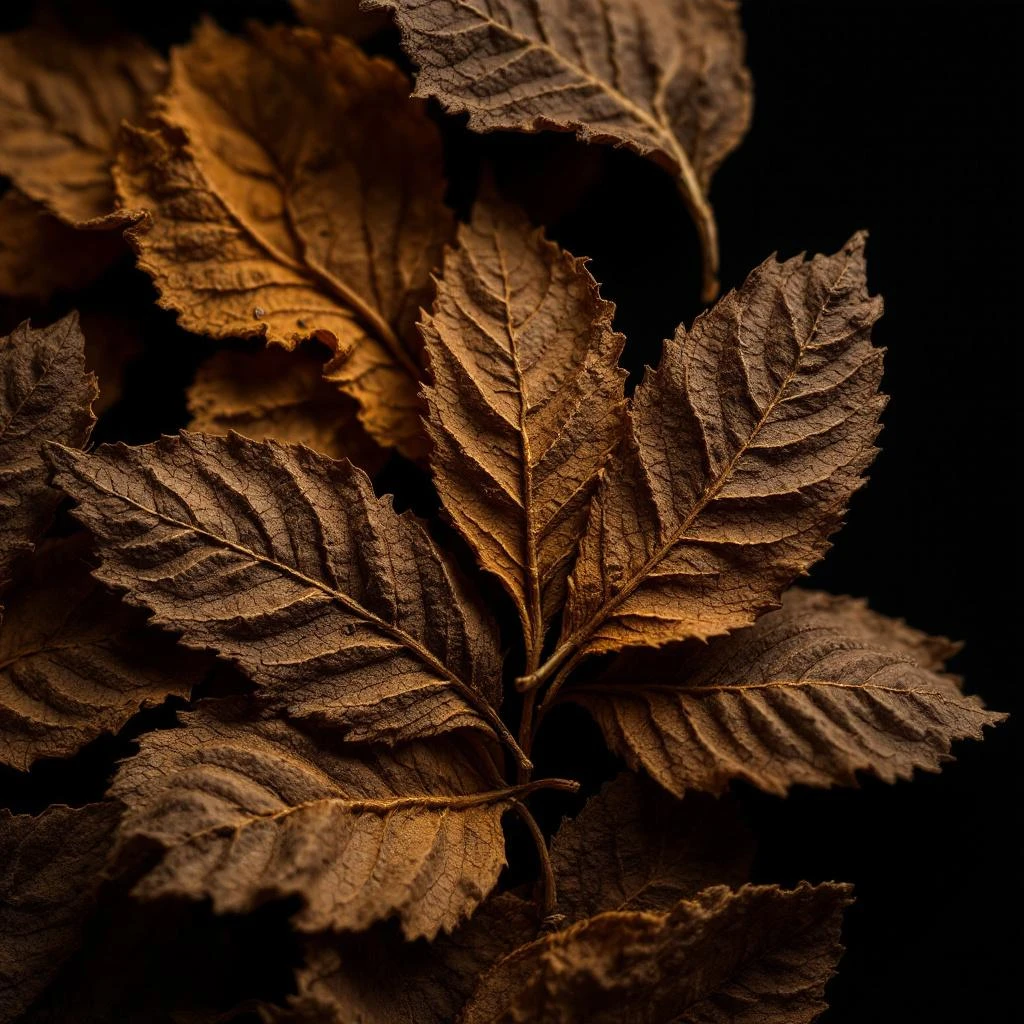
Aged Virginia cedar heartwood with the warm, dry soul of a perfectly maintained humidor. Think sun-baked tobacco leaf, polished leather, and the sweet smokiness of aged wood that has held Cuban cigars for decades.
Character
How it smells
Where aged wood meets aromatic tobacco
Cuban cigar makers have lined their humidors with Virginia cedar for over 200 years, believing the wood's natural oils perfectly condition and flavor their premium tobacco.
Pairs beautifully with

Origin
United States
The association between cedar and fine tobacco began in colonial-era America, where wooden cigar boxes were crafted from Eastern red cedar precisely for its aromatic properties. Tobacco merchants discovered that storing cigars in cedar-lined containers preserved moisture while imparting a subtle, desirable flavor.
By the early 1800s, Havana cigar makers were importing Virginia cedar for their humidors. This practice created a lasting cultural connection: the smell of cedar became inseparable from the ritual of premium tobacco enjoyment.
When perfumers began working with cedarwood oil, the cigar-box character became a distinct olfactory category, valued for its dry, slightly smoky warmth that brings depth and sensuality to fragrance compositions. Today, Virginia cedar remains the reference point for this smoky, tobacco-tinged woody note in perfumery.
Wears it best
Fragrances featuring Cigar-box Cedar
Brands
Brands known for Cigar-box Cedar
Good to know
Questions, answered
The essentials on Cigar-box Cedar in perfumery: how it smells, where it comes from, and how it behaves on skin.
What does cigar-box cedar smell like?
It presents a warm, dry woody aroma with pencil-shaving and sawdust facets, complemented by subtle tobacco and leather undertones. Unlike sweeter cedar varieties, cigar-box cedar carries a smoky, slightly resinous quality that evokes aged wood and fine tobacco.
Is cigar-box cedar a natural or synthetic ingredient?
Natural. It comes from the steam distillation of Virginia cedar (Juniperus virginiana) heartwood. Synthetic alternatives exist for cost reasons, but authentic cigar-box cedar in fine fragrance refers specifically to this natural material.
What perfumes traditionally feature cigar-box cedar?
It appears frequently in masculine and unisex fragrances as a drydown anchor. The smoky, tobacco-tinged wood pairs naturally with leather, vetiver, tobacco absolute, and other dark woody materials in oriental and woody chypre compositions.
How does cigar-box cedar differ from Atlas cedar?
Virginia cedarwood oil is steam-distilled from Juniperus virginiana and carries a drier, smokier character with pencil-shaving notes. Atlas cedar comes from Cedrus atlantica and offers a sweeter, more coniferous aroma with honeyed undertones. The two are often used together for complexity.
What part of the cedar tree is used for fragrance?
Only the heartwood, the dense inner core of mature trees. This heartwood is naturally richer in aromatic compounds like cedrol and various sesquiterpenes that give the oil its characteristic dry, resinous character.
Where does cigar-box cedar originate?
Virginia and Texas in the United States. The Appalachian and Ozark regions produce the highest quality heartwood. Cedarwood oil production in the US dates to the mid-1800s, making it one of the earliest American fragrance ingredients.
Does cigar-box cedar have any traditional non-fragrance uses?
Yes. For centuries it lined cigar humidors and tobacco storage containers. Its natural oils repel insects and resist moisture, which is why cedar chests for linens remain popular. These properties made it invaluable for preserving valuable goods.
What fragrance families work best with cigar-box cedar?
It anchors woody, oriental, and leather compositions particularly well. The dry, smoky character complements tobacco, labdanum, vetiver, sandalwood, and incense materials. It adds warmth and sensuality without sweetness.




