Halmaddi
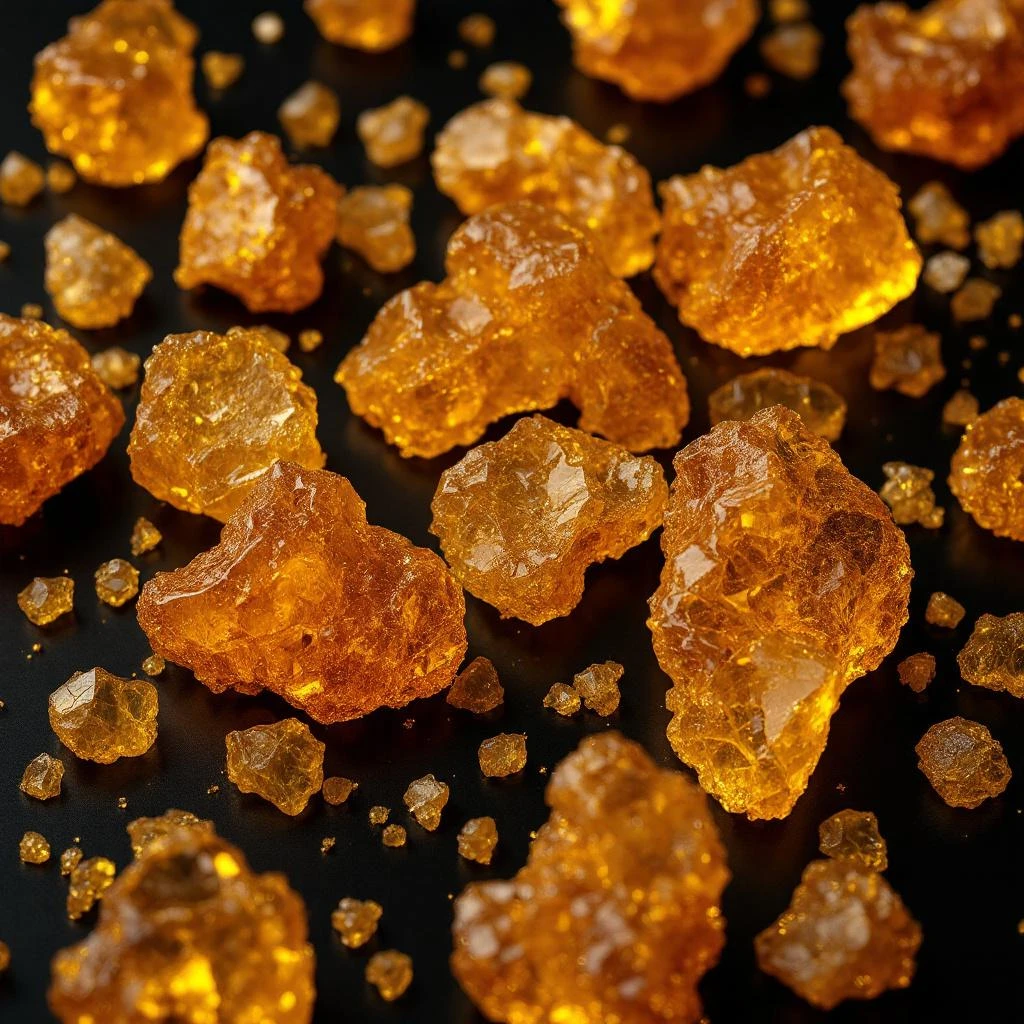
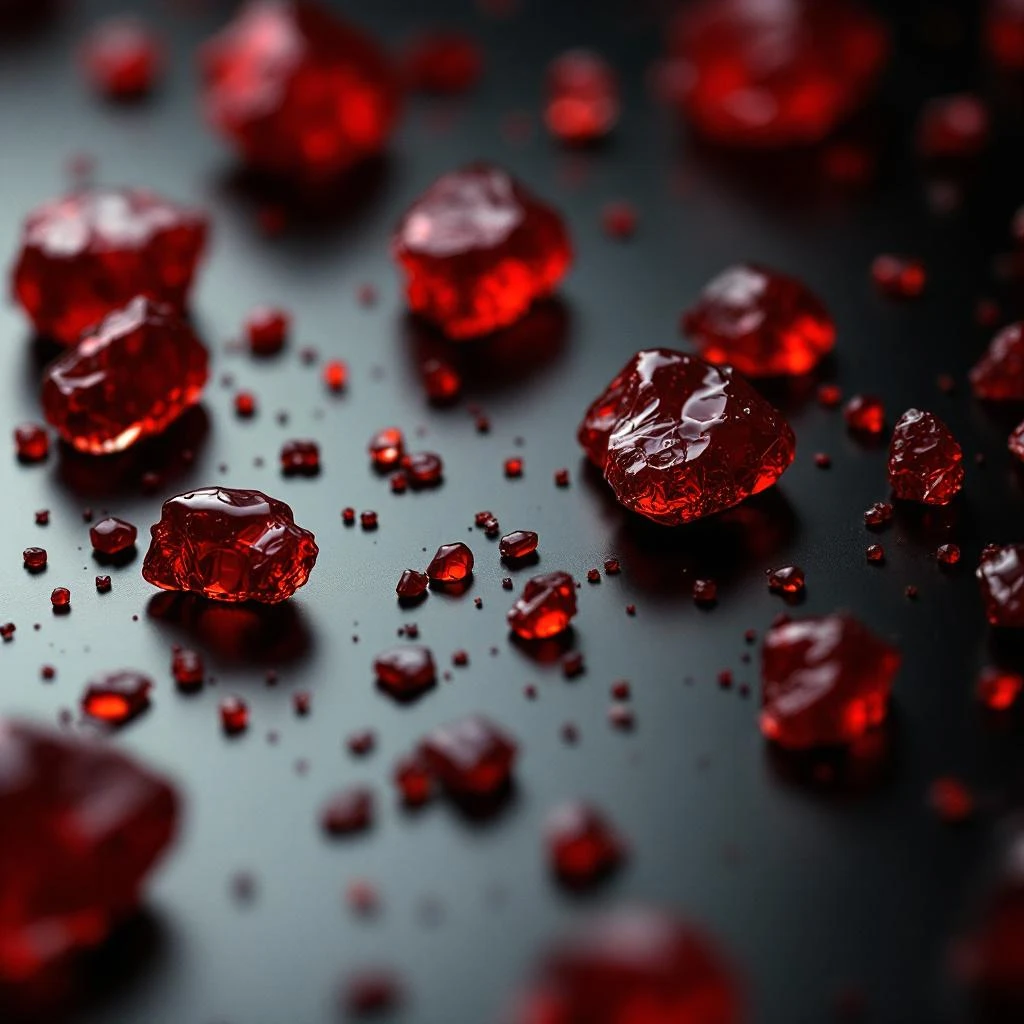
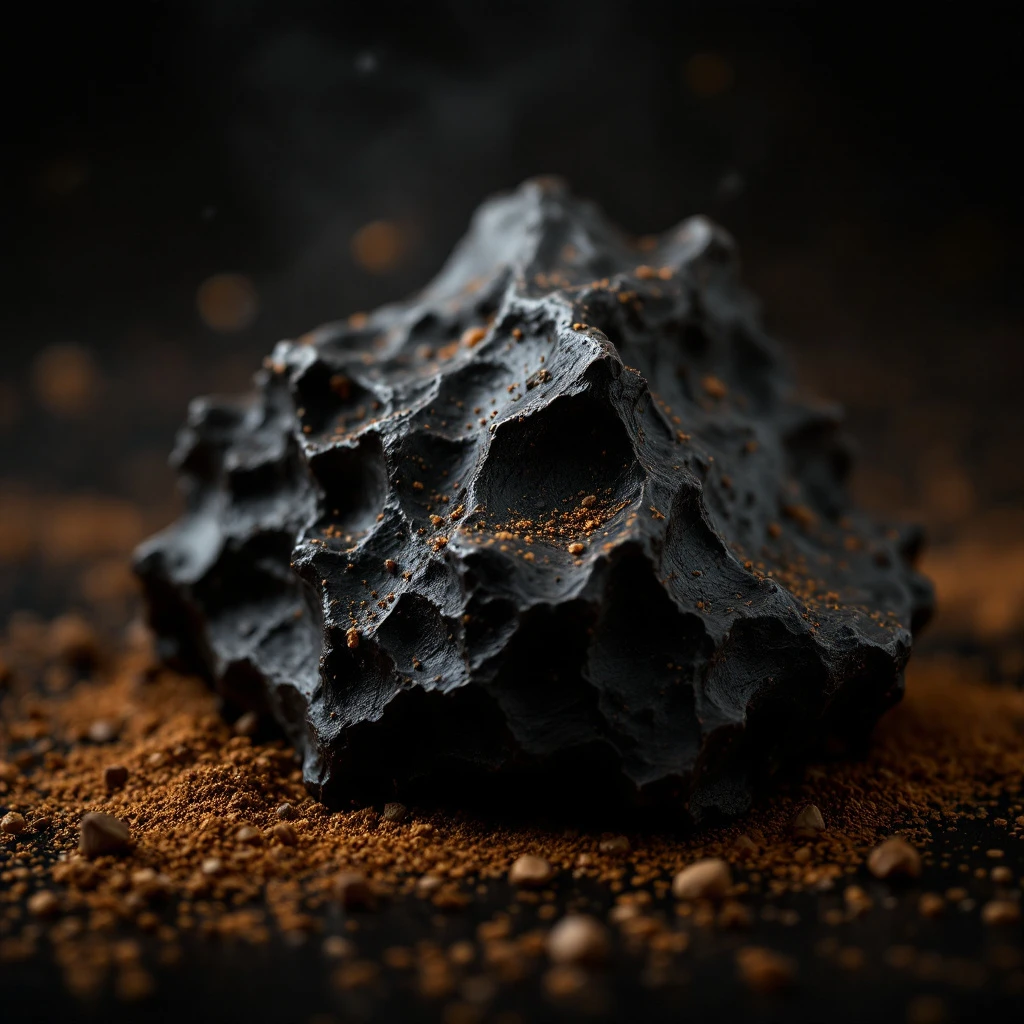
Halmaddi is a pale, sweet-smelling tree resin from the Ailanthus malabarica, a species native to the forests of South India. In perfumery, it lends a warm, almost caramel-like sweetness, anchoring florals while adding an unexpected buttery softness that reads creamy rather than sugary.

Character
How it smells
The quiet resin behind India's incense tradition
Halmaddi resin can contain natural coumarin, the same aromatic compound found in tonka beans, which gives it a faint vanilla-hay sweetness in its raw state.


Origin
India
Halmaddi has roots in the regional fragrance traditions of the Western Ghats, where tribal communities long valued the resin from Ailanthus malabarica for temple offerings and household incense. The material moved into wider commerce with the growth of India's agarbatti industry during the twentieth century, becoming a key binder in masala incense sticks prized for their sweet, lingering smoke. Mumbai and Karnataka-based manufacturers scaled halmaddi production through the 1970s and 1980s, eventually linking village harvesters to global export markets.
Western niche perfumers began adopting halmaddi in the early 2000s as interest in unorthodox resin notes grew, and the ingredient appeared in several independent Indian-attar houses and a small number of international fine fragrances. Today the resin sits at a crossroads between artisan Indian incense craft and contemporary perfumery, valued for the creamy warmth it contributes to compositions built around florals or heavier balsams.
Wears it best
Fragrances featuring Halmaddi

Brands
Brands known for Halmaddi
Good to know
Questions, answered
The essentials on Halmaddi in perfumery: how it smells, where it comes from, and how it behaves on skin.
What is halmaddi in perfumery?
Halmaddi is a natural aromatic resin collected from the Ailanthus malabarica tree of South India. It contributes a warm, sweet, almost caramel-like softness to incense blends and, more recently, niche perfume compositions.
Where does halmaddi come from?
The resin is harvested primarily in the Western Ghats region of Karnataka and Kerala in southern India, where Ailanthus malabarica grows wild in moist deciduous forests and is cultivated by small-scale tappers.
What does halmaddi smell like?
Raw halmaddi resin smells sweet, balsamic, and faintly coumarinic, recalling vanilla, dried hay, and brown sugar. Once distilled, the oil deepens into a creamy, honeyed warmth rather than a sharp smoke.
Is halmaddi the same as benzoin?
No. Halmaddi comes from Ailanthus malabarica, while benzoin is the resin of Styrax trees from Southeast Asia. Both share a vanilla-leaning sweetness, but benzoin tends to read more powdery and smoky, whereas halmaddi feels creamier and softer.
How is halmaddi resin harvested?
Harvesters cut shallow wounds into the bark of mature trees, allowing the pale exudate to seep out and harden. The solidified tears are then gathered by hand over a period of weeks before cleaning and further processing.
Why is halmaddi important in Indian incense?
It acts as both a fragrant fixative and a physical binder in masala agarbatti, holding powdered sandalwood, charcoal, and florals to bamboo sticks while lending the finished stick its characteristic sweet, lingering smoke.
Is halmaddi endangered?
Ailanthus malabarica is not currently listed as threatened, but its habitat in the Western Ghats faces pressure from logging and land conversion. Sustainable tap-and-prune harvesting remains the recommended practice.
Can halmaddi be used in modern fine fragrance?
Yes. Independent perfumers have used hydrodistilled halmaddi oil as a soft, gourmand-leaning base note alongside florals such as tuberose and jasmine, where it adds warmth without the sharper facets of labdanum or benzoin.