Pink Champaca
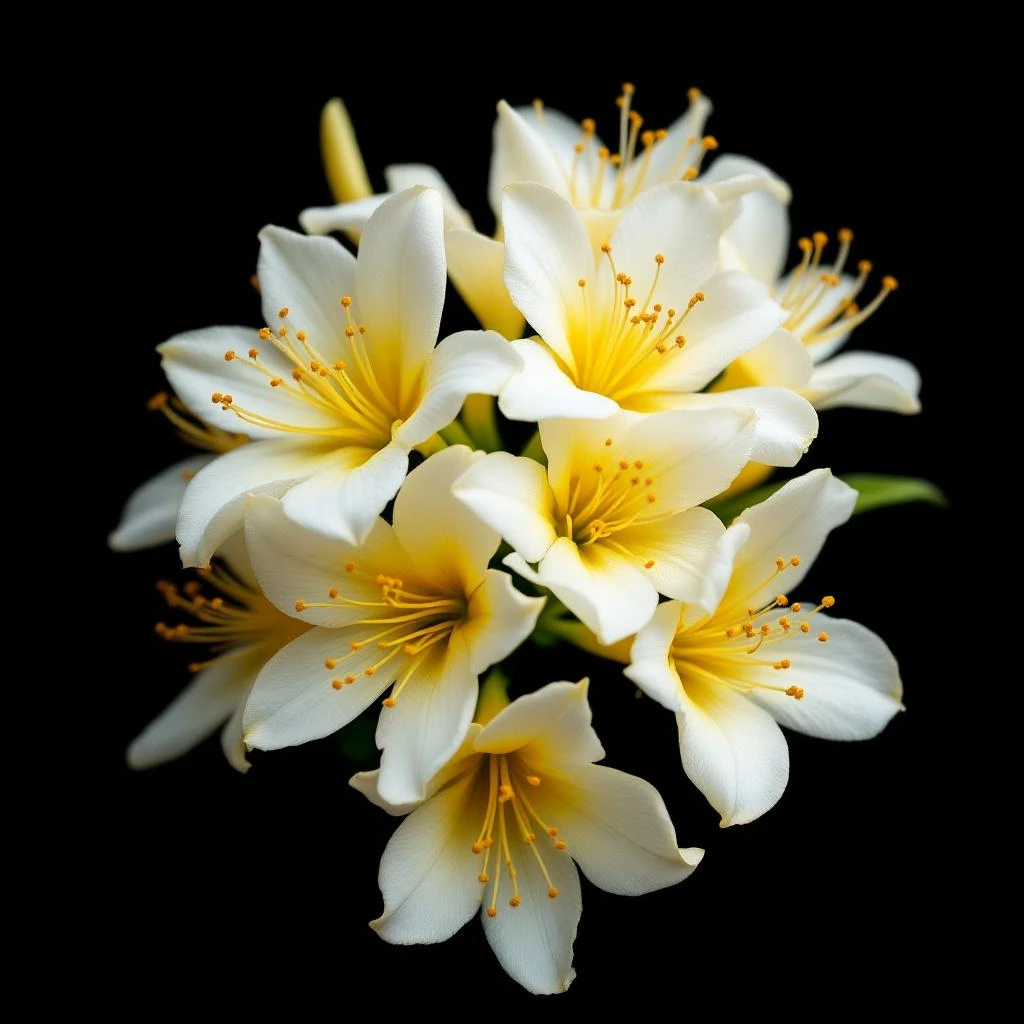
Pink Champaca absolute captures one of perfumery's most intoxicating florals. Extracted from Magnolia champaca blossoms, it delivers a rich, creamy floral heart with warm, honeyed undertones and subtle spice that has enchanted fragrance houses for centuries.
Character
How it smells
A rich, narcotic floral at the heart of legendary perfumes
Indian temples have adorned deities with champaca flowers for over 2,500 years, earning this magnolia species sacred status.


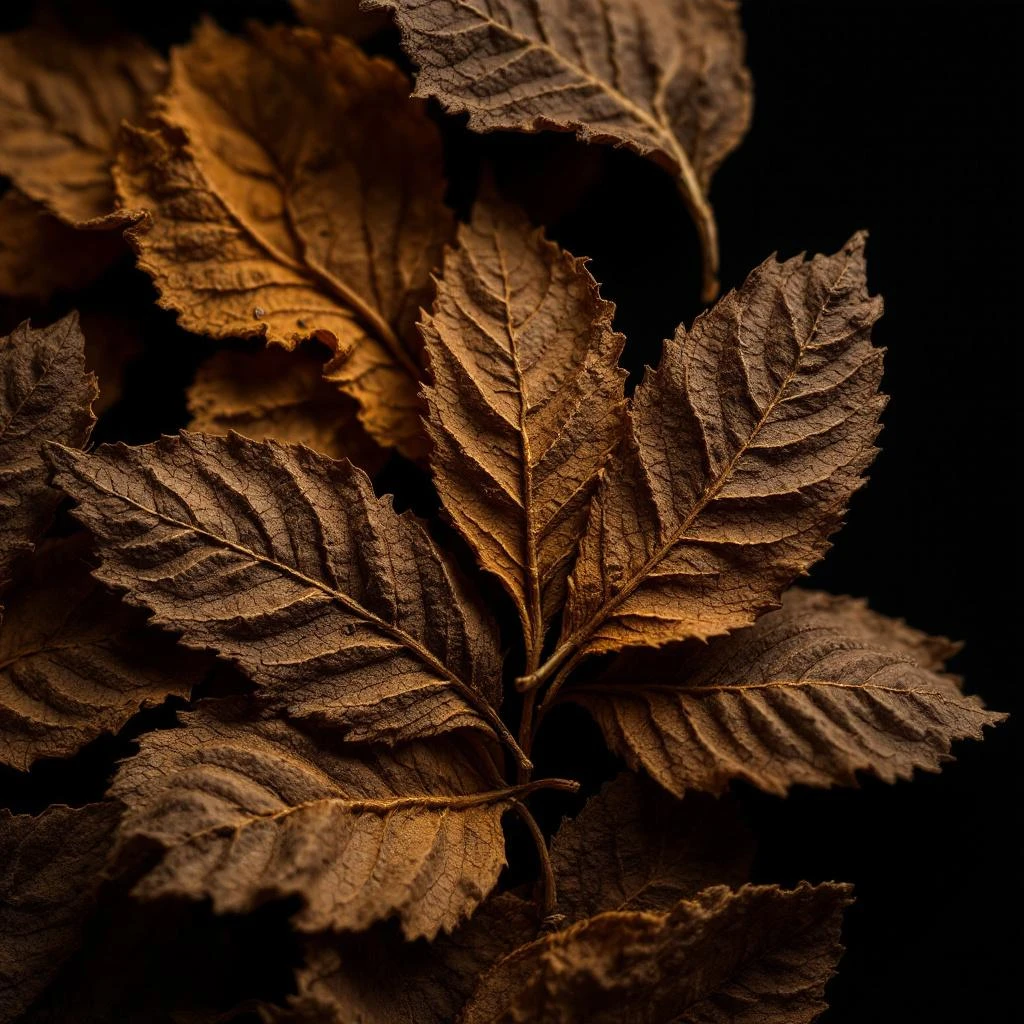
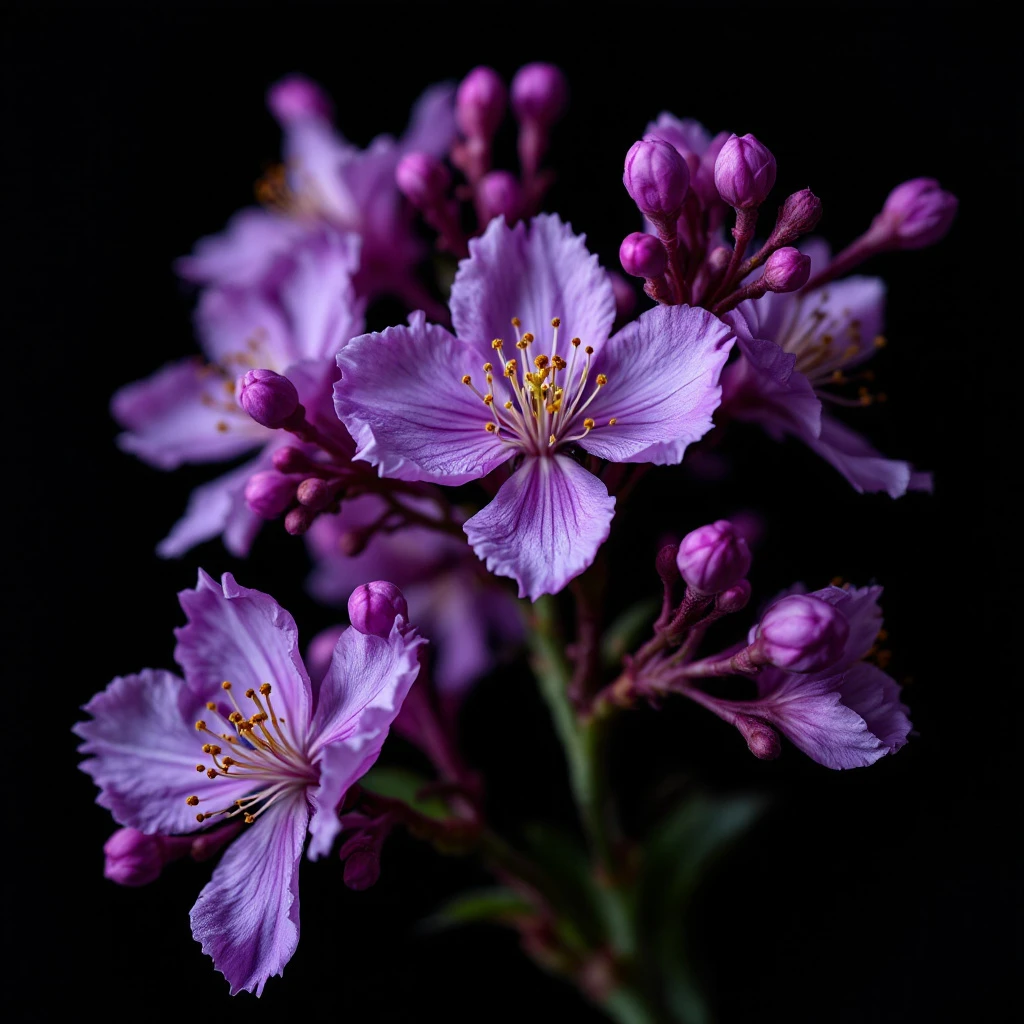
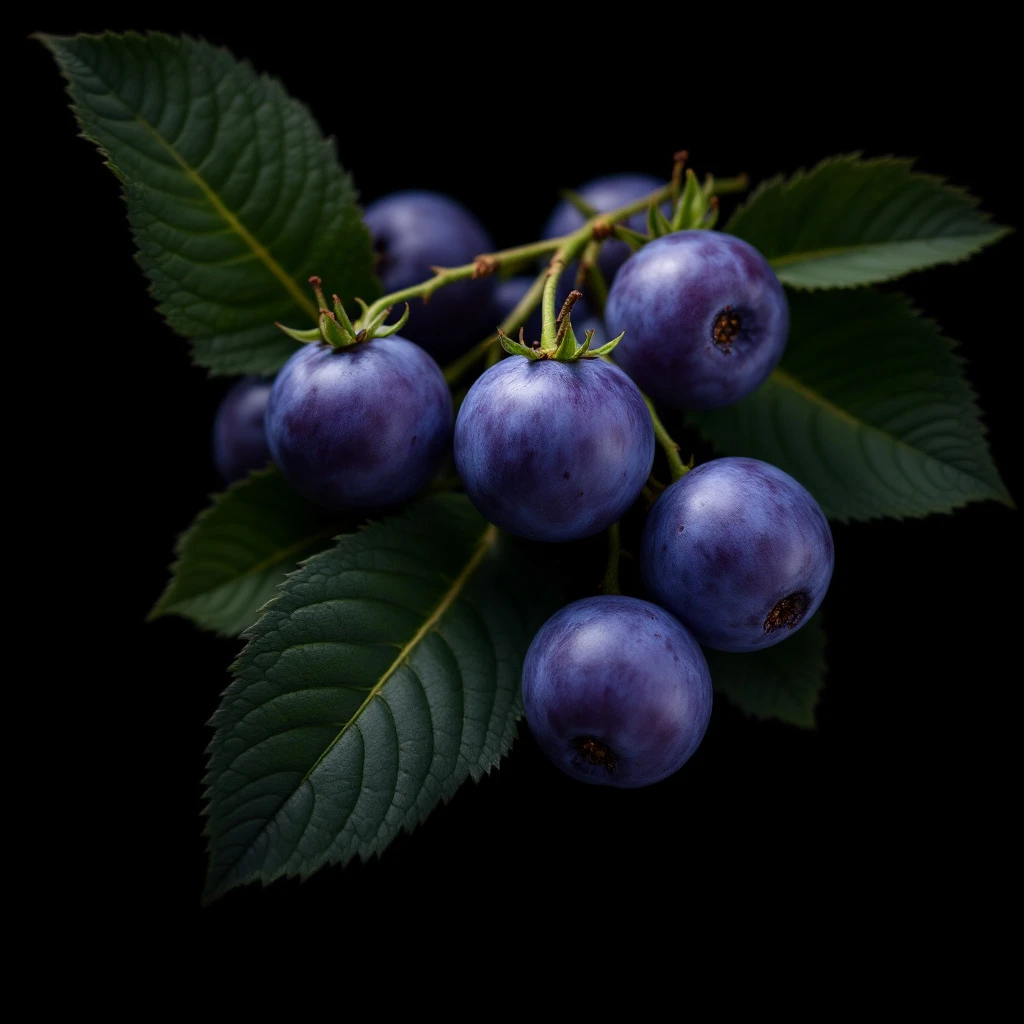
Origin
India
Champaca holds deep roots in the Indian subcontinent, where it appears in Vedic texts dating to approximately 1500 BCE. Ancient Hindus considered Magnolia champaca sacred, dedicating the fragrant blooms to deities in temple ceremonies. Buddhist traditions also embraced the flower, placing it in shrines throughout South Asia.
Colonial-era botanists first documented champaca's commercial potential in the 19th century as European traders sought exotic materials for the growing perfume industry in France and England. By the early 20th century, champaca had secured its place among the great tropical florals used in luxurious scent compositions. Its journey from temple offering to perfumery ingredient reflects a broader history of botanical exchange between Asia and Europe.
Today, Indian and Southeast Asian farmers continue cultivating champaca trees primarily for the flower harvest, maintaining an agricultural tradition that spans millennia while supplying a global fragrance industry.
Wears it best
Fragrances featuring Pink Champaca
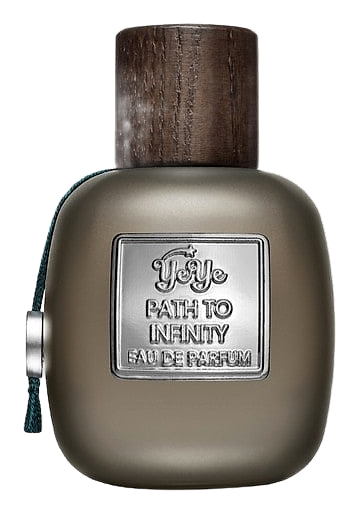
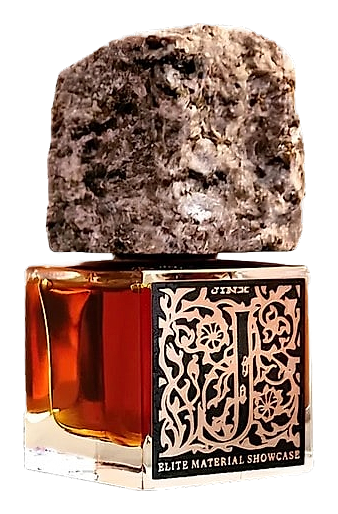
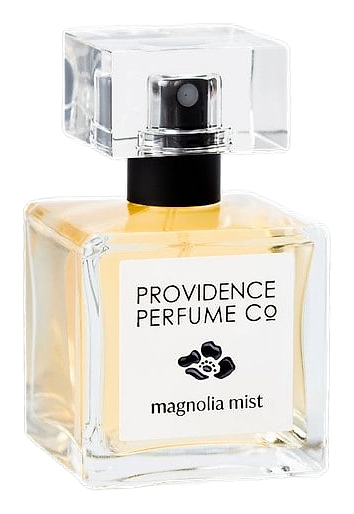
Brands
Brands known for Pink Champaca
Good to know
Questions, answered
The essentials on Pink Champaca in perfumery: how it smells, where it comes from, and how it behaves on skin.
Is champaca a type of magnolia?
Yes. Botanists reclassified champaca as Magnolia champaca, though perfumers continue using the traditional name. This magnolia connection gives champaca its characteristic rich, complex floral structure distinct from other tropical blossoms.
What does Pink Champaca smell like?
Champaca delivers an intensely creamy, narcotic floral with warm honeyed undertones and subtle spice. The combination of 2-phenylethanol and linalool creates a rich, slightly indolic character unlike any other floral note in perfumery.
Where does champaca come from?
India serves as champaca's primary origin, with cultivation concentrated in Tamil Nadu and Karnataka. Sri Lanka, Thailand, and Indonesia also produce the flowers. The tree thrives in tropical and subtropical climates at approximately 10-20 degrees north latitude.
How many flowers make one kilogram of absolute?
Producers need roughly 1,000 kilograms of fresh champaca flowers to yield a single kilogram of absolute. This extreme concentration ratio, combined with hand harvesting, makes champaca one of the more labor-intensive and costly natural ingredients in perfumery.
What perfumes feature champaca?
Champaca appears in several luxury fragrances as a heart note, including pieces composed around rich floral or chypre structures. The ingredient adds depth and exotic character that distinguishes these compositions from simpler floral arrangements.
When should perfumers harvest champaca flowers?
Harvesting occurs in the early morning when aromatic oils concentrate in the petals. Trees typically produce major flowering flushes seasonally, and skilled pickers select blossoms at peak freshness to preserve the full aromatic profile during extraction.
Is champaca the same as frangipani?
No, they are different species despite sometimes being confused. Champaca belongs to the Magnolia family while plumeria represents a separate genus. Champaca offers a creamier, spicier, more complex scent compared to the straightforward tropical sweetness of plumeria.
Why is champaca so expensive?
Champaca commands premium pricing due to its extreme concentration ratio and labor-intensive harvest. Approximately 1,000 kilograms of flowers yield just one kilogram of absolute. The scarcity of natural material makes synthetic reconstructions more common in mass-market formulations.