Greek Eucalyptus
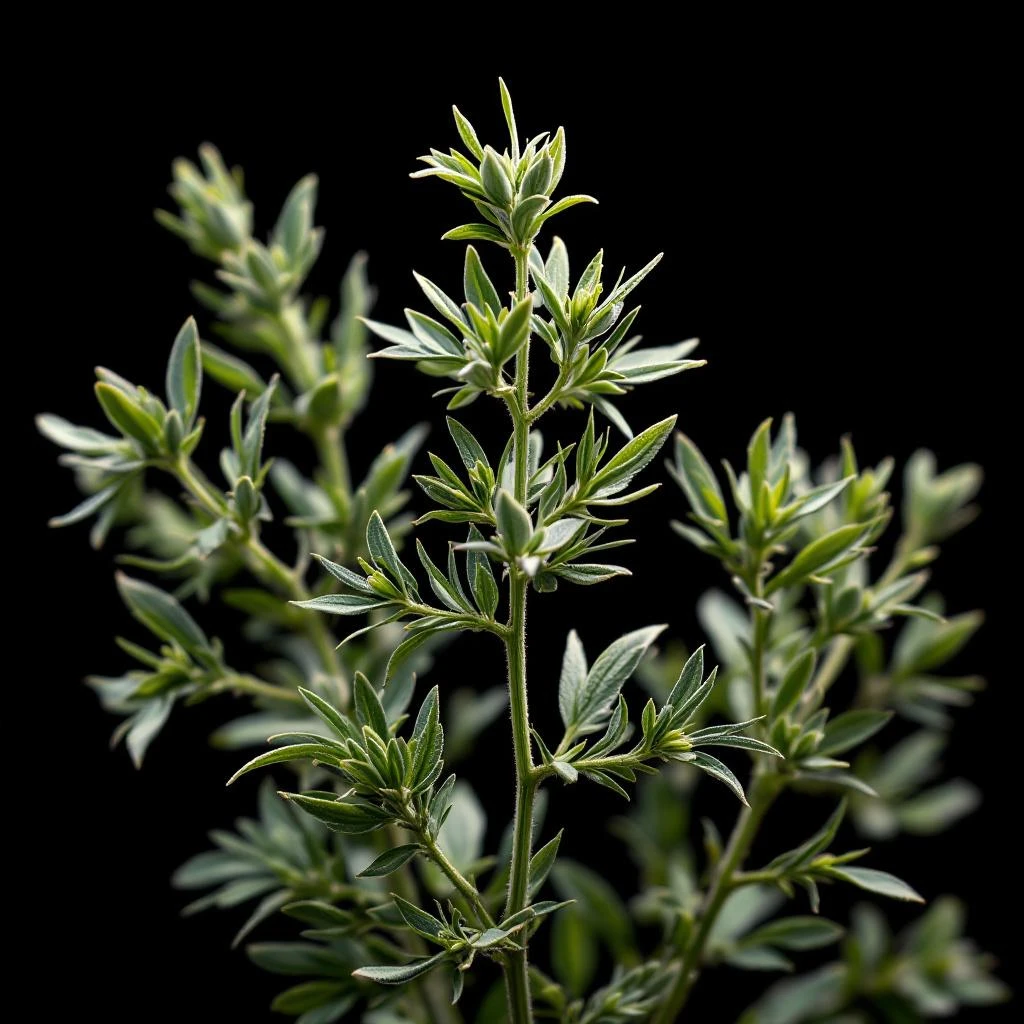
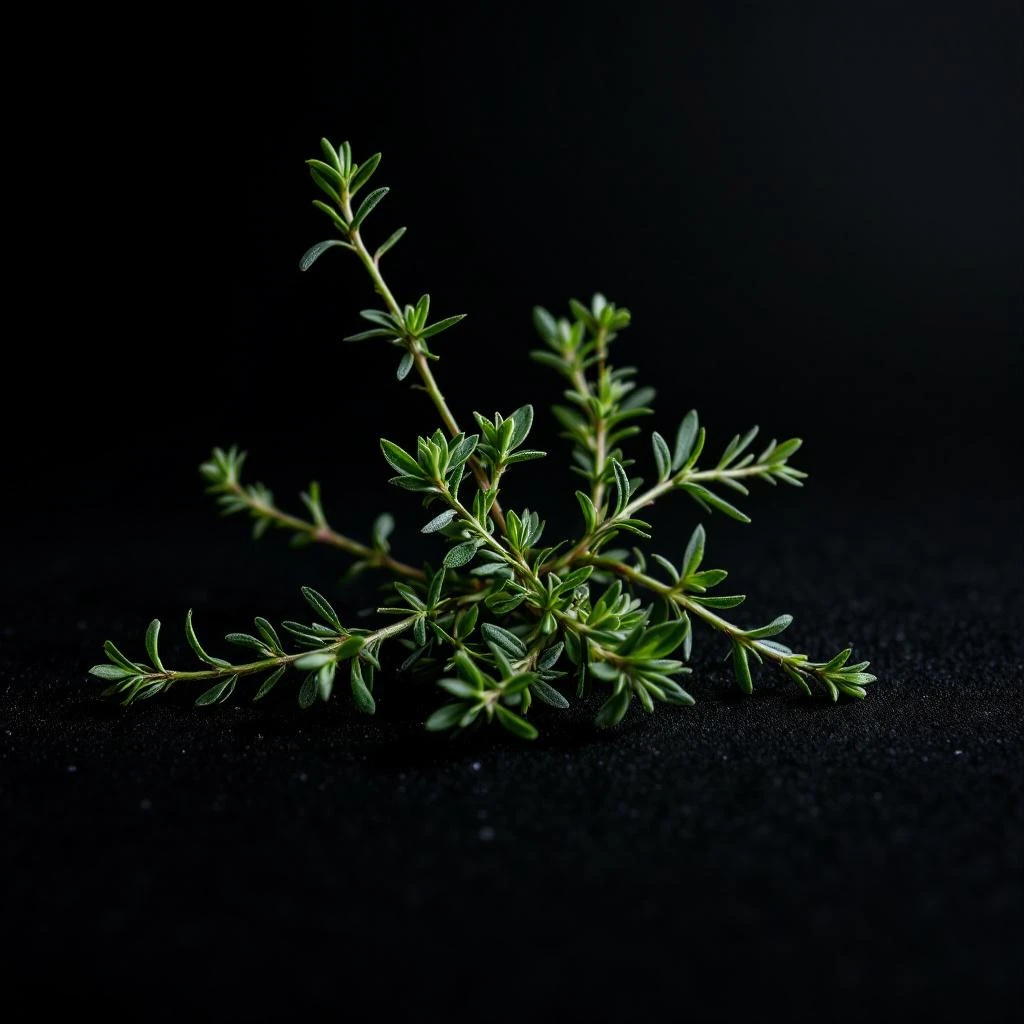
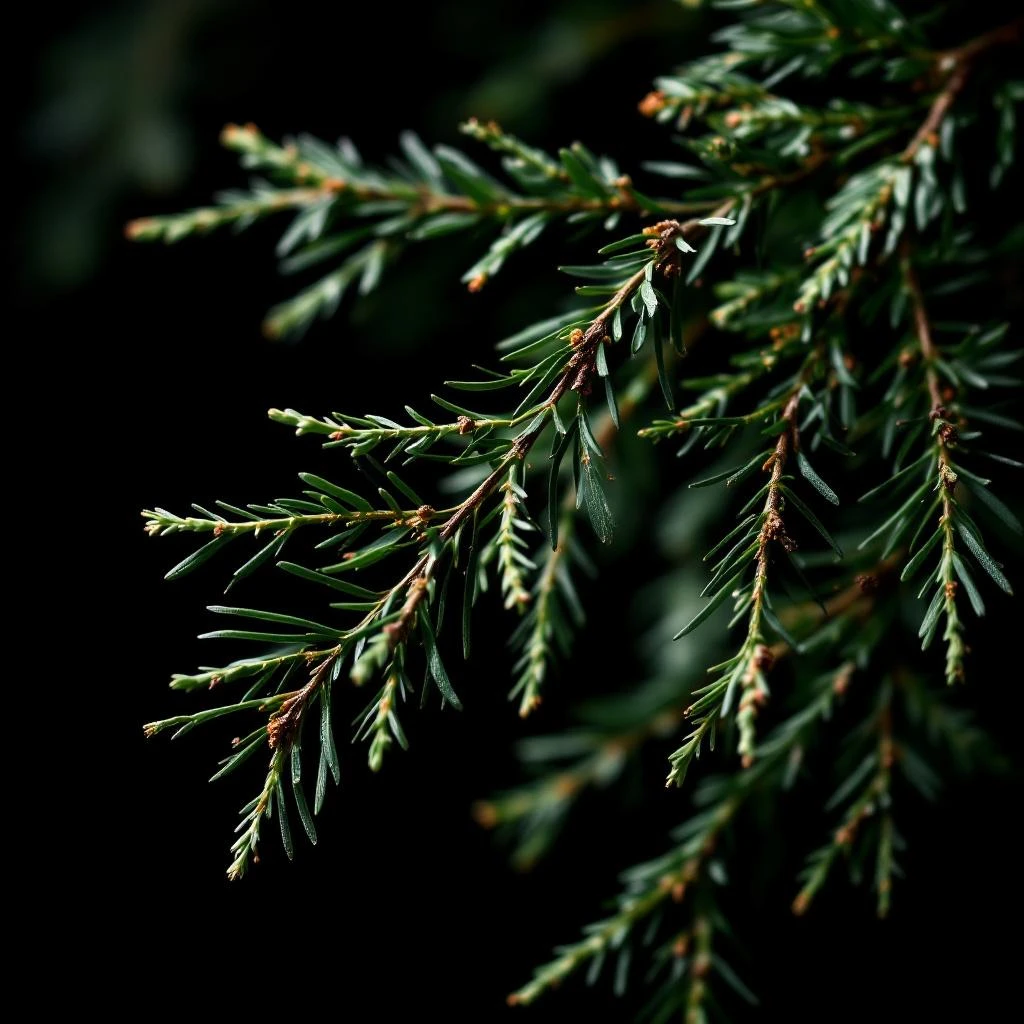
Greek Eucalyptus delivers a sharper, slightly honeyed camphoraceous profile than its Antipodean cousins. Its crisp, clearing character makes it a structural anchor in aromatic and fougère compositions. The Aegean climate shapes its distinct terroir, producing a note prized for medicinal freshness tempered by subtle floral warmth.
Character
How it smells
Mediterranean clarity in every note
Ancient Greeks burned eucalyptus leaves in sickrooms centuries before anyone distilled the essential oil commercially.




Origin
Greece
While eucalyptus itself hails from Tasmania and mainland Australia, Greece became a significant cultivation center during the early twentieth century. The Greek forestry service planted extensive groves beginning in the 1920s to drain marshy terrain and combat malaria, inadvertently creating ideal conditions for oil production. Greek perfumers discovered that Aegean-grown eucalyptus produced a distinctive chemotype: higher in cineole than Australian stock, yet with a gentler, almost floral quality absent in other origins.
This Mediterranean terroir transformed an Australian botanical into a Greek craft ingredient. Today, small-batch producers in the Peloponnese maintain the tradition, harvesting leaves from trees that tower above ancient olive groves.
Wears it best
Fragrances featuring Greek Eucalyptus
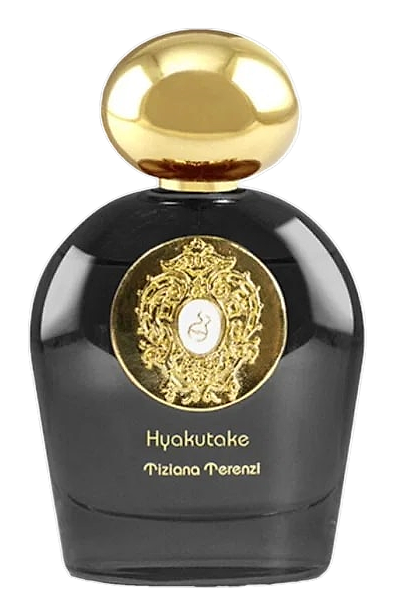

Brands
Brands known for Greek Eucalyptus
Good to know
Questions, answered
The essentials on Greek Eucalyptus in perfumery: how it smells, where it comes from, and how it behaves on skin.
What does Greek Eucalyptus smell like?
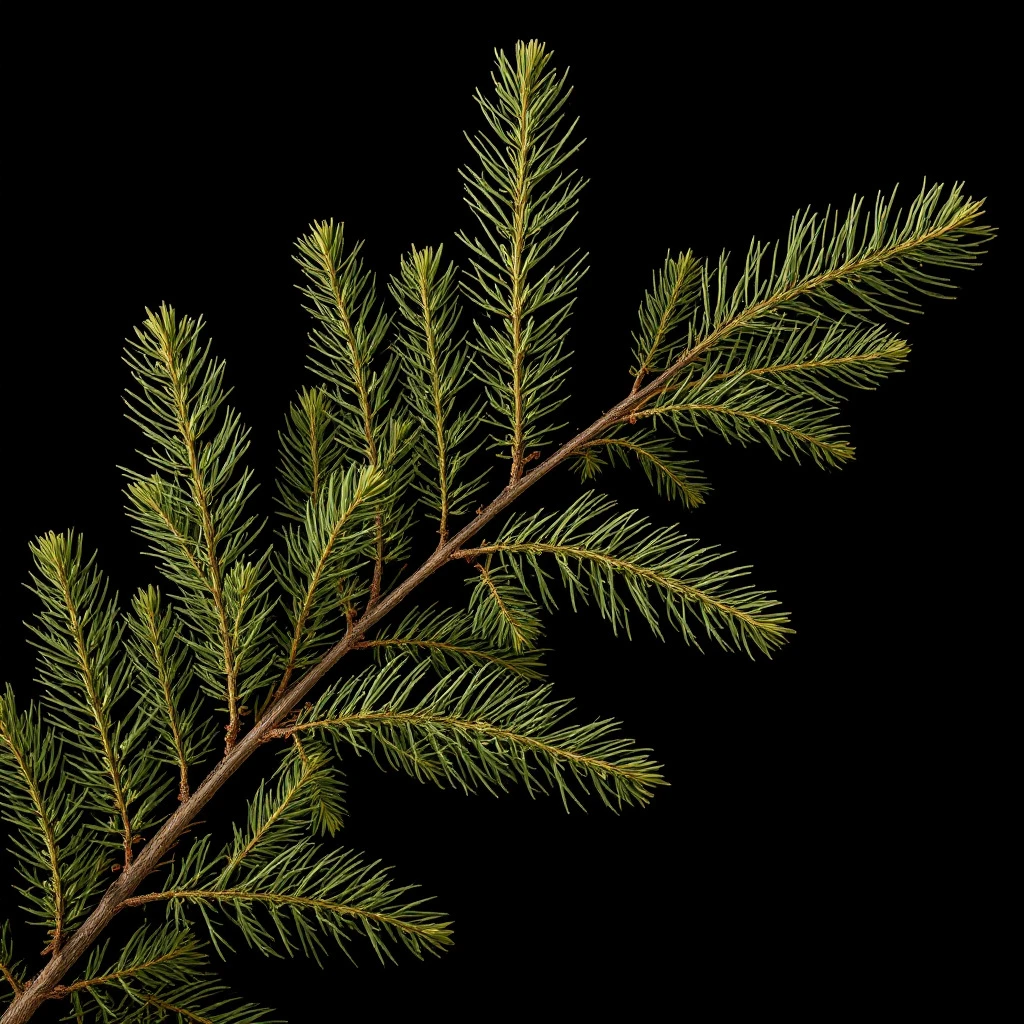
Greek Eucalyptus opens with a bracing mentholated clarity that clears the senses instantly. The Mediterranean-grown variety carries subtle honey and floral undertones absent in sharper Australian alternatives, creating a balanced camphoraceous character that feels both medicinal and refined.
Is Greek Eucalyptus natural or synthetic?
Greek Eucalyptus is a natural ingredient extracted from cultivated eucalyptus trees grown in Greece. Steam distillation of harvested leaves produces the essential oil used in fine fragrance compositions.
Where does Greek Eucalyptus come from?
Greece produces this eucalyptus variant primarily in the Peloponnese and central mainland regions. The Greek forestry plantings of the 1920s created extensive groves that now supply small-batch essential oil producers.
How do perfumers use Greek Eucalyptus in compositions?
Greek Eucalyptus functions as a middle note that provides aromatic structure in fougère and aromatic fragrance families. Its clearing quality lifts citrus top notes while anchoring woody or herbal base combinations. Perfumers often pair it with lavender, oakmoss, and bergamot.
What makes Greek Eucalyptus different from other eucalyptus origins?
The Aegean climate produces a distinct chemotype with elevated cineole content and softer floral undertones. This creates a less aggressive, more nuanced eucalyptus note compared to standard Australian or Chinese varieties.
How is Greek Eucalyptus oil extracted?
Producers harvest leaves during late summer peak season and process them through steam distillation within hours. The four-hour distillation produces oil with the characteristic crisp, camphoraceous profile used in perfumery.
Does Greek Eucalyptus appear in historic Greek perfumery?
The ancient Greeks used native aromatic plants extensively but did not cultivate eucalyptus. Greece introduced eucalyptus trees in the 1920s specifically for forestry and land reclamation, making Greek Eucalyptus a modern innovation built on ancient perfumery traditions.
Is Greek Eucalyptus sustainable to source?
Greek producers harvest from established cultivated groves that regenerate annually, making the practice sustainable. Small-batch production and regional distilleries support local Greek agriculture while maintaining consistent quality standards for fragrance use.