Italian Wild Pansy
Italian Wild Pansy, locally known as flammola or little flame, lends perfumery a rare green floral softness. Its absolute anchors volatile top notes while whispering herbaceous sweetness through the drydown of fine compositions.
Character
How it smells
The little flame that steadies a scent.
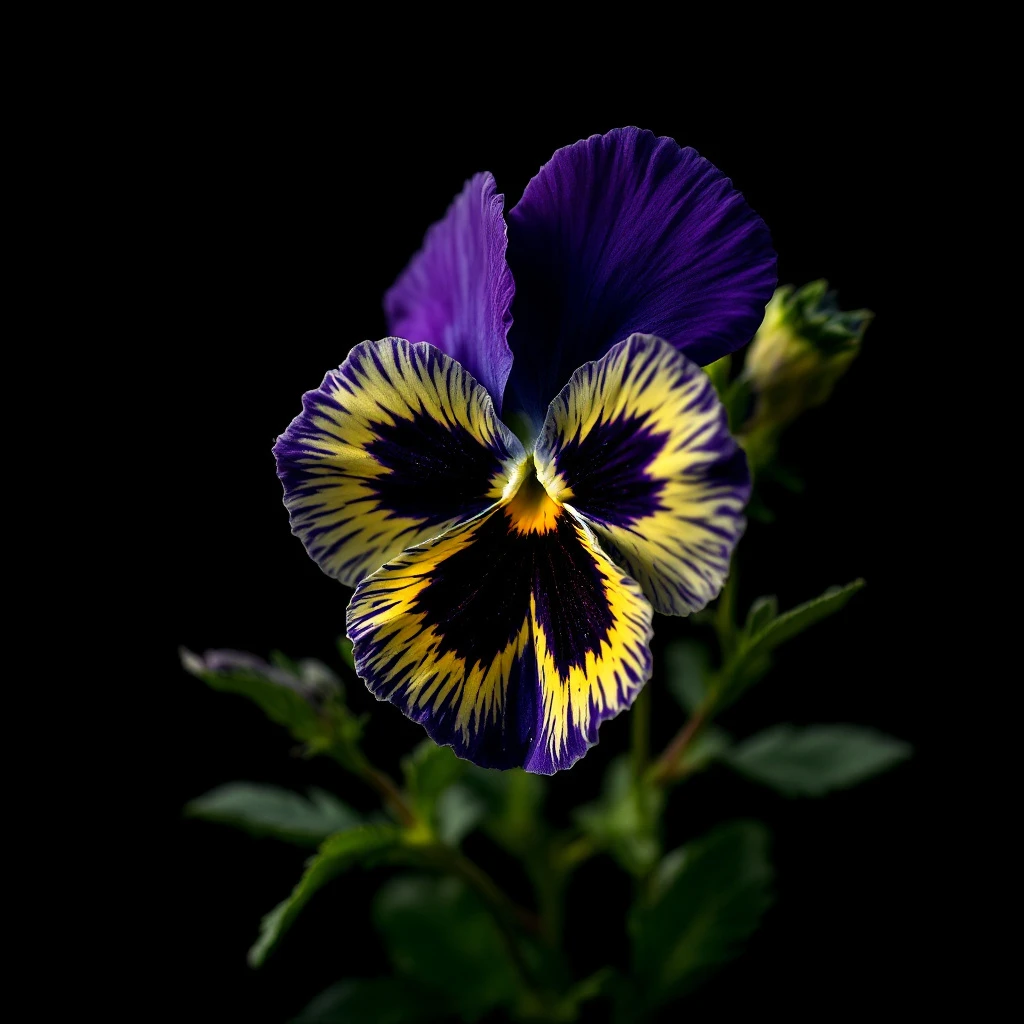
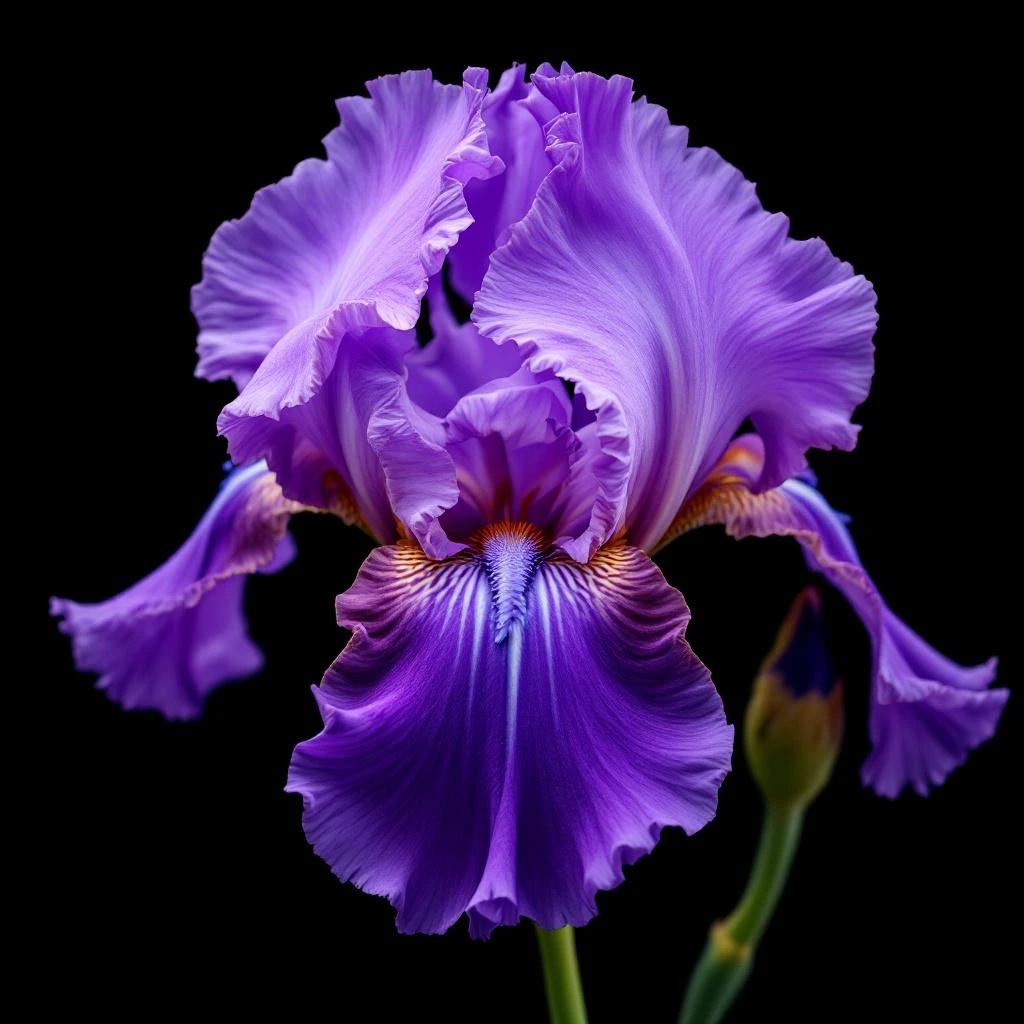
Italians have nicknamed the wild pansy flammola, meaning little flame, because its velvety petals seem to flicker above meadow grass.




Origin
Italy
The wild pansy, Viola tricolor, has held human attention since antiquity. The ancient Greeks treated the small flower as a symbol of fertility and regenerative love, tucking it into garlands worn during spring festivals. The Romans documented its medicinal virtues in treatises copied through the medieval era, and by the Renaissance Italian herbalists had christened it flammola, little flame, for the way its dark velvety petals seemed to glow above Tuscan and Lombard pastures.
The common name pansy arrived later, borrowed from the French pensée, meaning a thought, after Lady Mary Elizabeth Bennet described the bloom in 1823. Victorian England elevated the flower into a coded messenger of romance: a nosegay of wild pansies bound with herbs announced tender thoughtfulness between lovers. Modern breeding traces to early nineteenth century England, though the original wild stock across Italian meadows and Alpine foothills remains the botanist's reference point.
Today Italian growers supply the perfumery trade with organic-certified absolute, preserving a botanical lineage older than the industry that uses it.
Wears it best
Fragrances featuring Italian Wild Pansy
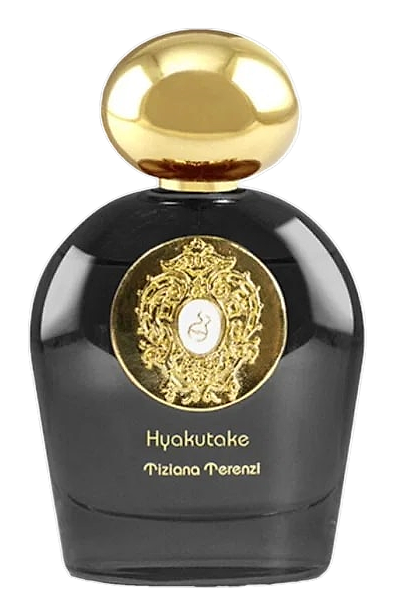
Brands
Brands known for Italian Wild Pansy
Good to know
Questions, answered
The essentials on Italian Wild Pansy in perfumery: how it smells, where it comes from, and how it behaves on skin.
What does Italian Wild Pansy smell like in perfume?
Italian Wild Pansy absolute smells softly green and dewy, with a powdery floral sweetness and a faint cucumber-like coolness. It acts as a fixative, anchoring lighter top notes while adding a subtle herbaceous depth to the drydown of a composition.
Is Italian Wild Pansy the same as a garden pansy?
No. Italian Wild Pansy refers to wild Viola tricolor, the small meadow species Italians call flammola. Garden pansies are hybrids bred in early nineteenth-century England with larger blooms and a muted scent profile not suited to extraction.
How is Italian Wild Pansy absolute produced?
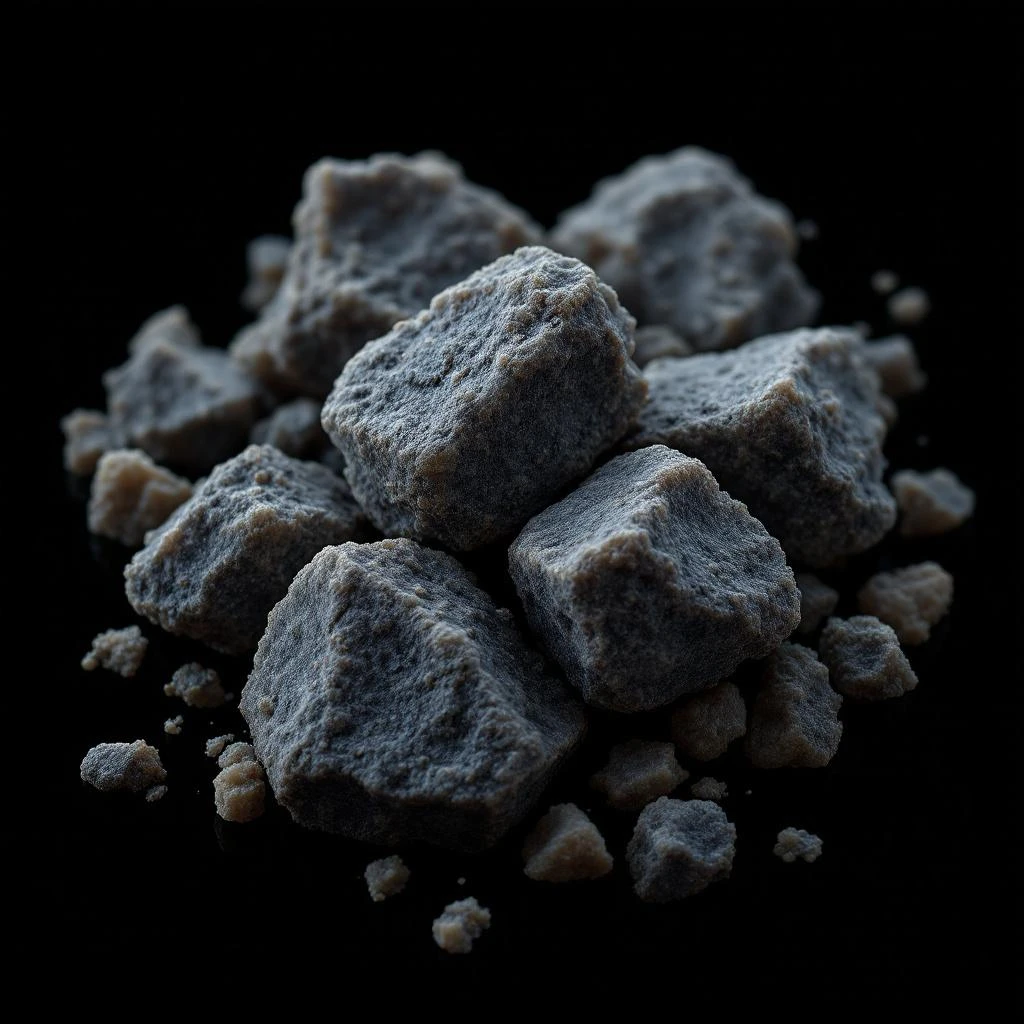
Harvesters collect the flowering tops at peak bloom between April and early June, then subject the fresh biomass to solvent extraction. A first wash yields a concrete, which is washed again with alcohol to produce the deeply colored absolute perfumers rely on.
Why do perfumers value Italian Wild Pansy as a fixative?
Its low-volatility aromatic compounds evaporate slowly, binding faster-moving top notes into the base of a fragrance. Italian Wild Pansy also harmonizes sharp citrus and herbal elements, extending the longevity of an entire composition without overwhelming it.
Where does Italian Wild Pansy grow best?
Wild Viola tricolor thrives across Italian alpine foothills and Tuscan meadows, where cool nights and mineral-rich soils produce flowers with higher concentrations of aromatic compounds suited to extraction.
What is the Italian name for wild pansy?
Italians call the wild pansy flammola, which translates to little flame. The name references the flickering appearance of its dark velvety petals above meadow grass, a trait noted in Renaissance herbals.
Does Italian Wild Pansy have any symbolic meaning?
Yes. Ancient Greeks associated the bloom with fertility and love, while Victorian suitors sent nosegays of wild pansy to convey tender thoughtfulness. The French later named it pensée, a thought, cementing its romantic associations across Europe.
Is Italian Wild Pansy used in certified organic fragrances?
Yes. Several Italian growers cultivate Viola tricolor under Ecocert organic standards, supplying extractors with material that meets cosmetic-grade organic certification for natural perfumery lines.