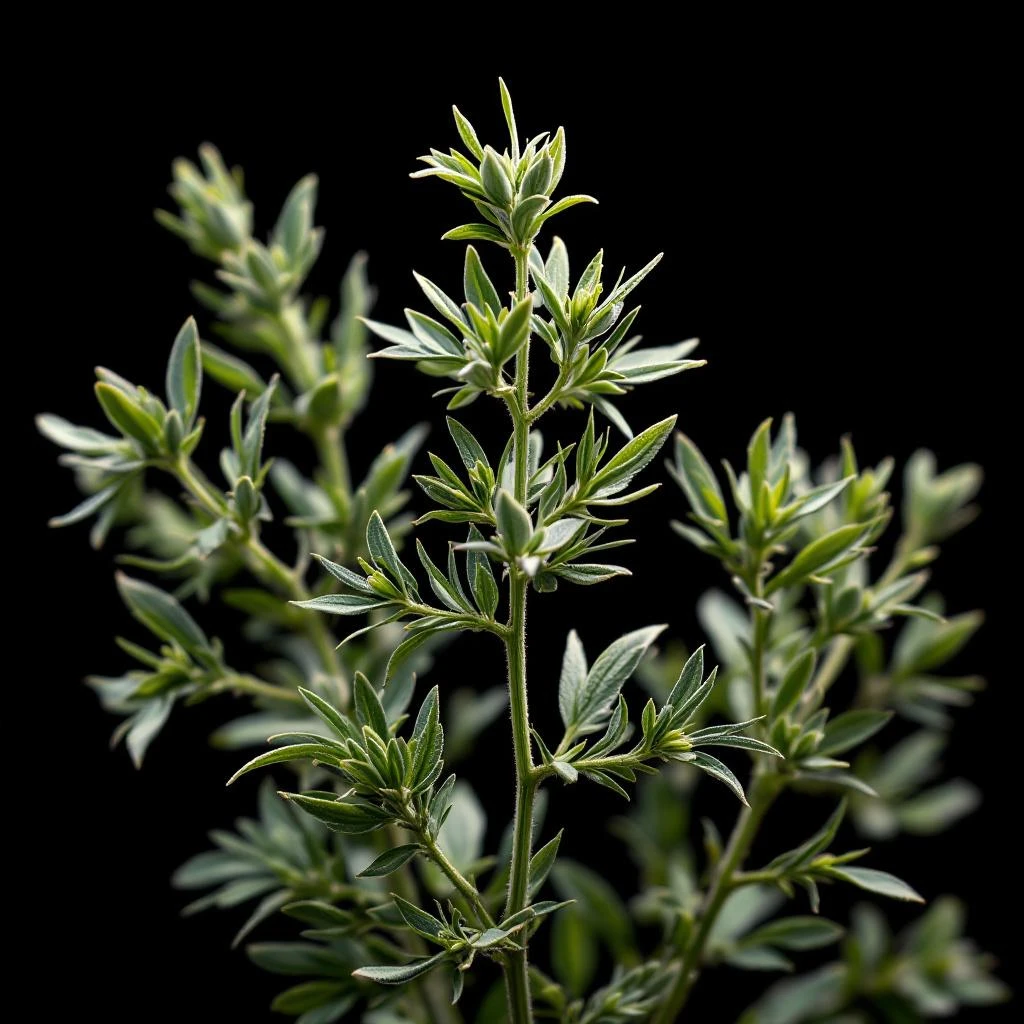
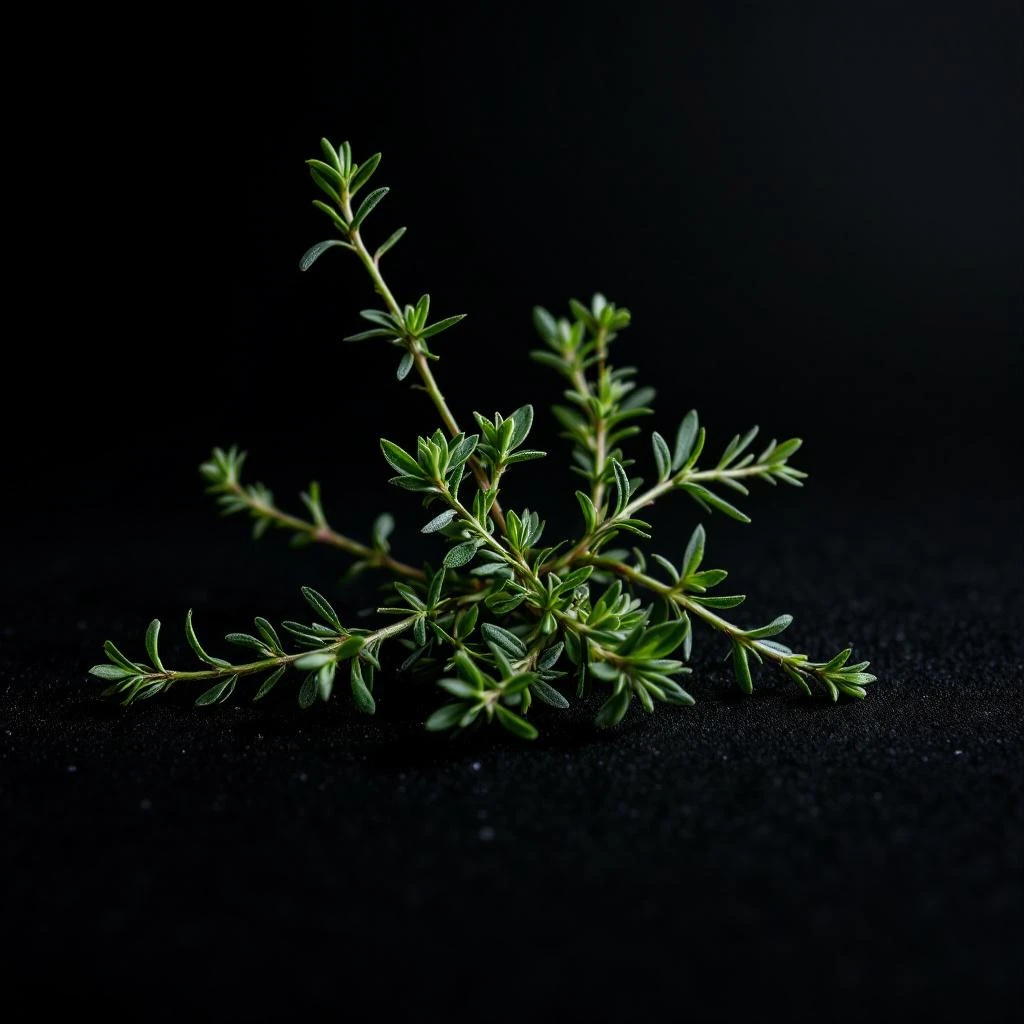
Greek Artemisia
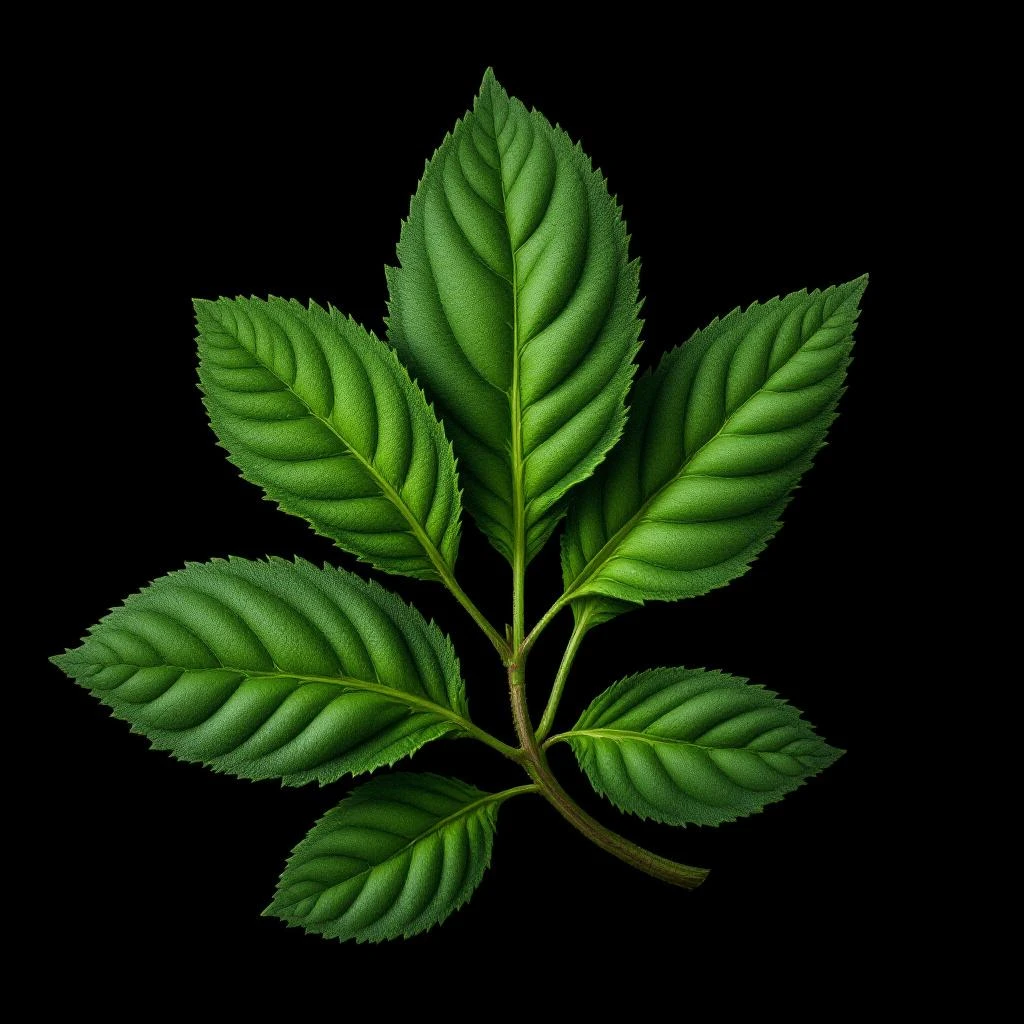
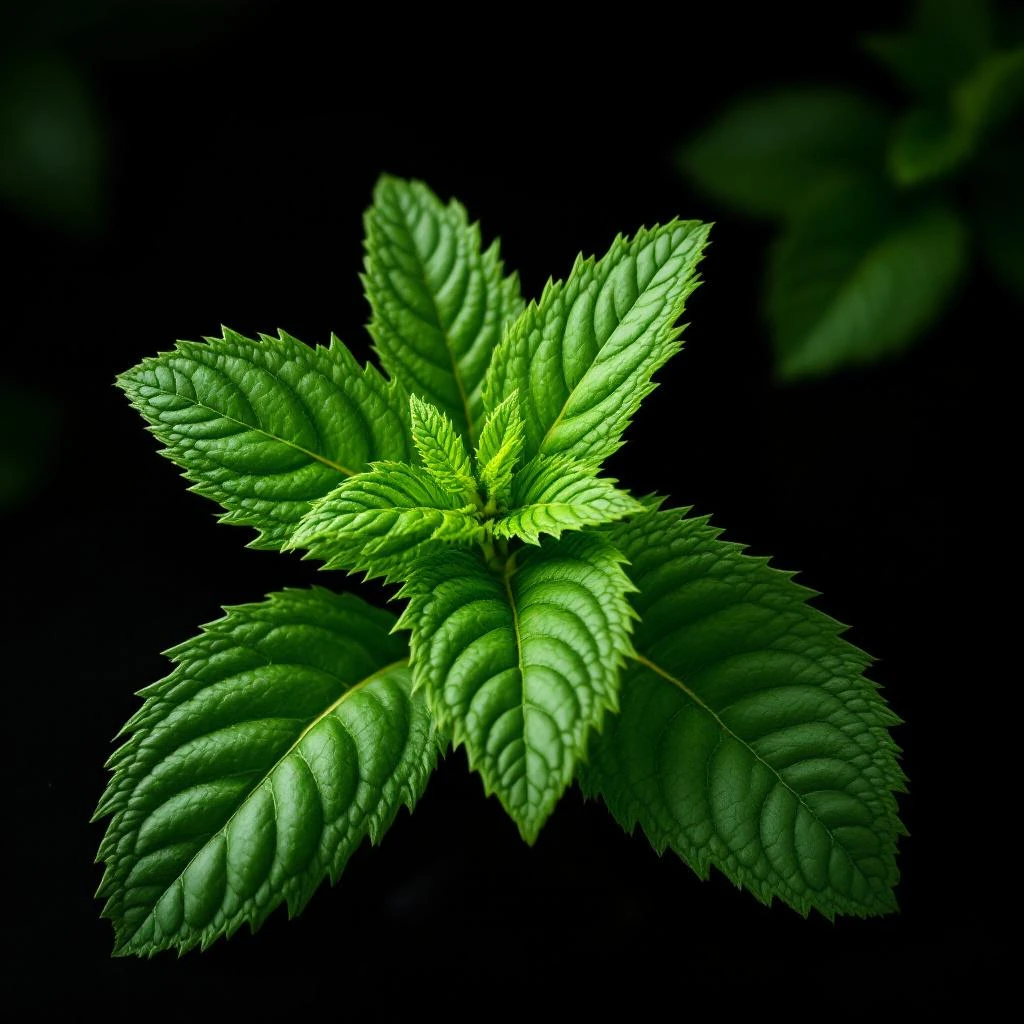
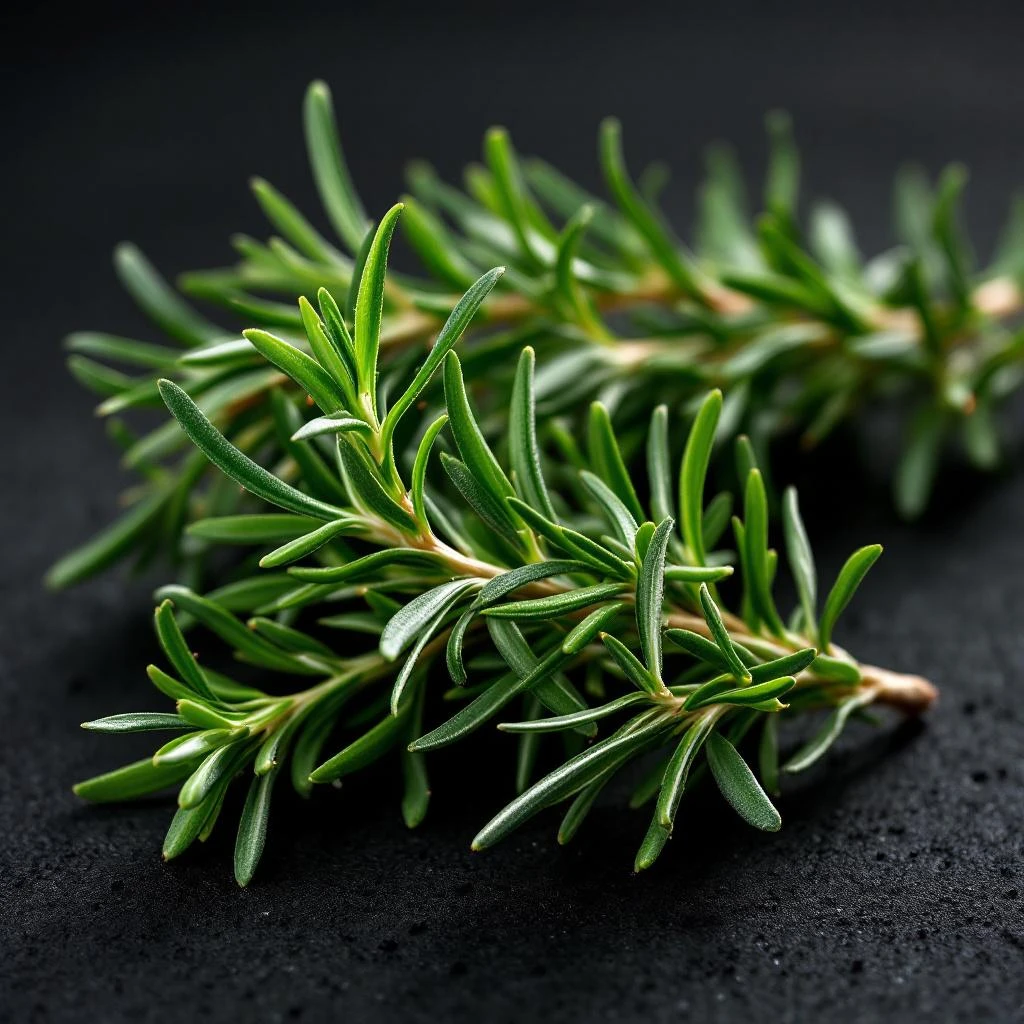
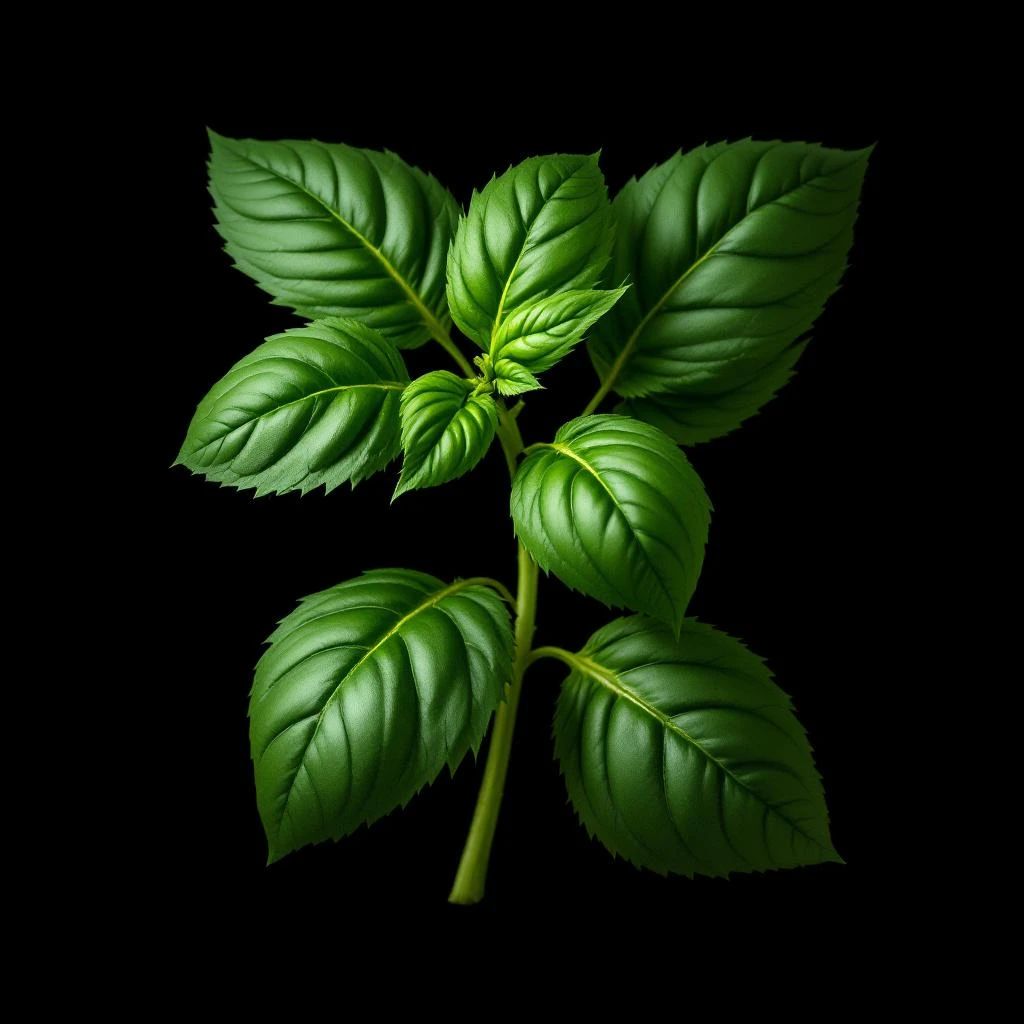
Greek Artemisia brings a wild, herbaceous clarity to perfumery, leaning on its natural camphor and green bitter edge. It adds dry lift and aromatic depth to fougère, herbal, and chypre compositions.
Character
How it smells
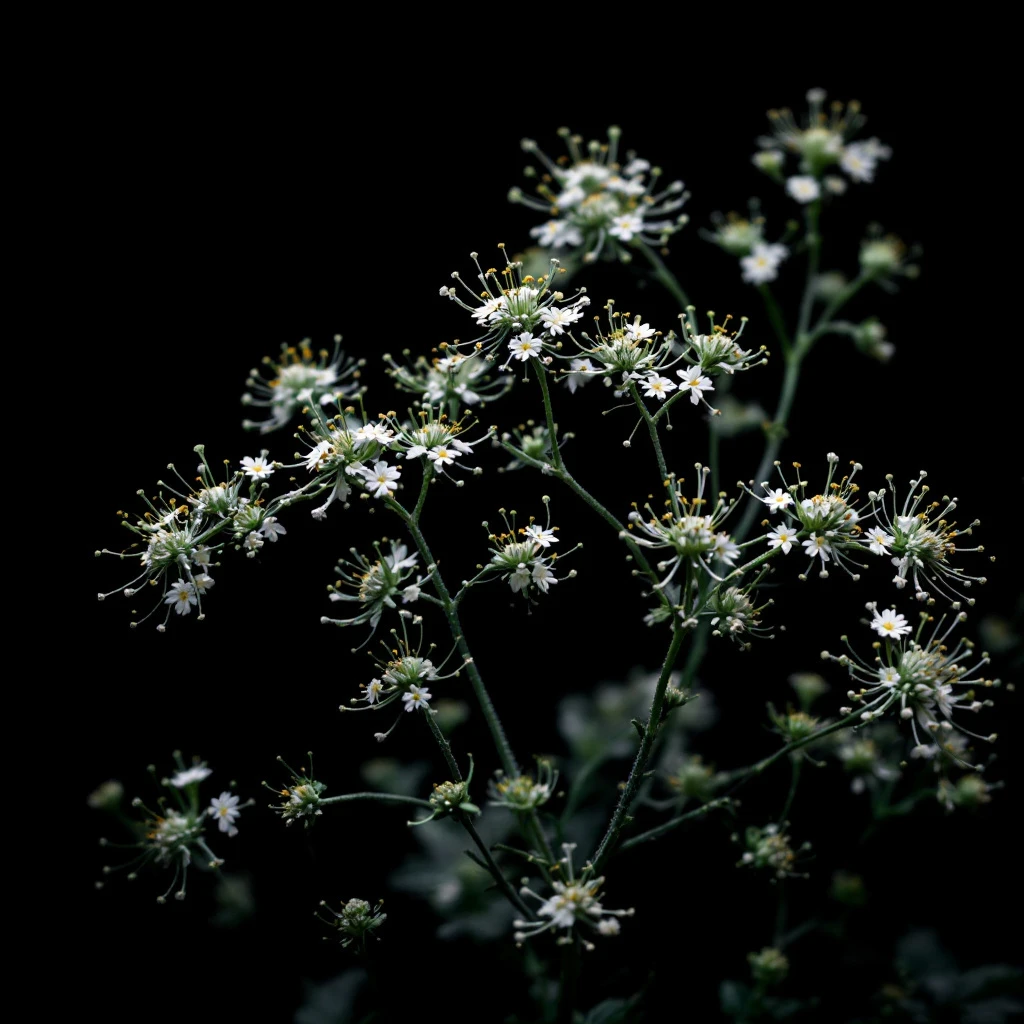
Wild Mediterranean sagebrush with a cool, bitter edge.
The genus Artemisia honors Artemis, Greek goddess of the hunt, and contains over 200 wild species across the Mediterranean alone.



Origin
Greece
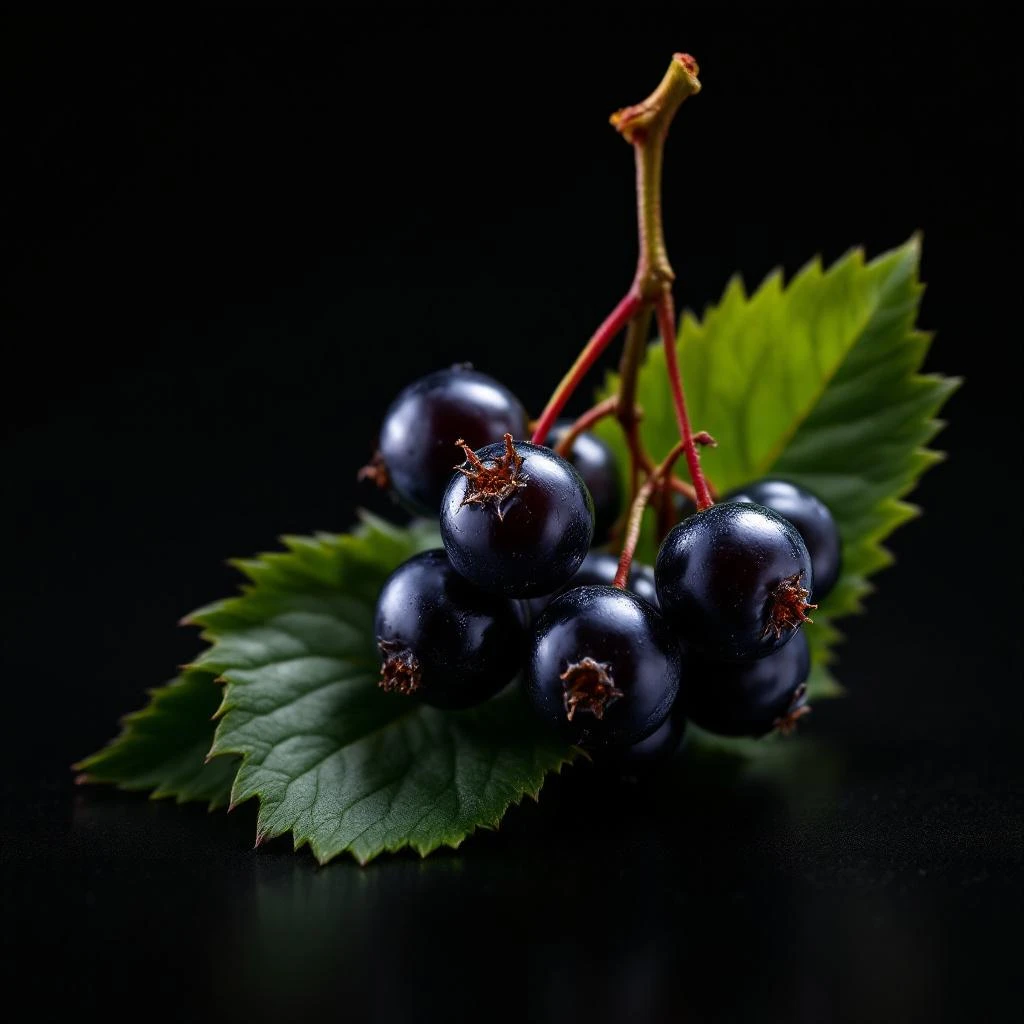
Greek Artemisia derives its name from Artemis, goddess of the hunt and wild places in ancient Greek mythology. Her companion goddess Britomartis, a Cretan deity of hunting and nets, shares the same etymology, pointing to a plant long bound up with wilderness and the chase. Likely the species referenced here is Artemisia herba-alba or A. arborescens, both native to the Mediterranean basin and known in Greek folk tradition.
Ancient Greek physicians, including Dioscorides in his De Materia Medica, documented wormwood and related Artemisia species for digestive, antiparasitic, and ritual uses. Theophrastus described the bitter, aromatic character of artemisias growing wild on Greek hillsides in his botanical works. While the Egyptians pioneered large-scale fragrance production around 1500 BCE, perfumery spread through Greece and Rome, where herbal infusions, oils, and resins anchored many classical scent formulas. Greek Artemisia later carried into Byzantine herbal medicine and from there across southern Europe, eventually influencing monastic liqueurs, apothecary tinctures, and modern herbal perfumery.
Wears it best
Fragrances featuring Greek Artemisia
Brands
Brands known for Greek Artemisia
Good to know
Questions, answered
The essentials on Greek Artemisia in perfumery: how it smells, where it comes from, and how it behaves on skin.
What does Greek Artemisia smell like?
Greek Artemisia smells herbaceous, bitter, and slightly camphorous, with cooling green nuances. It evokes dried sage and wild scrubland rather than something sweet or floral.
Is Greek Artemisia the same as mugwort or wormwood?
Greek Artemisia sits within the same Artemisia genus but varies by species. Wormwood (A. absinthium) and mugwort (A. vulgaris) share similar bitter, aromatic traits but differ in chemical balance and terroir.
Is Artemisia safe in perfume?
Yes, in perfumery concentrations, Artemisia oil is considered safe for skin application. Pure thujone-rich oils carry restrictions, but finished fragrance levels stay well below safety thresholds.
When should you wear Artemisia-forward scents?
Artemisia-driven scents suit warm weather and outdoor settings where their cool, herbal lift cuts through heat. They also anchor winter formulas where bitter aromatics meet resinous bases.
Where does Greek Artemisia grow?
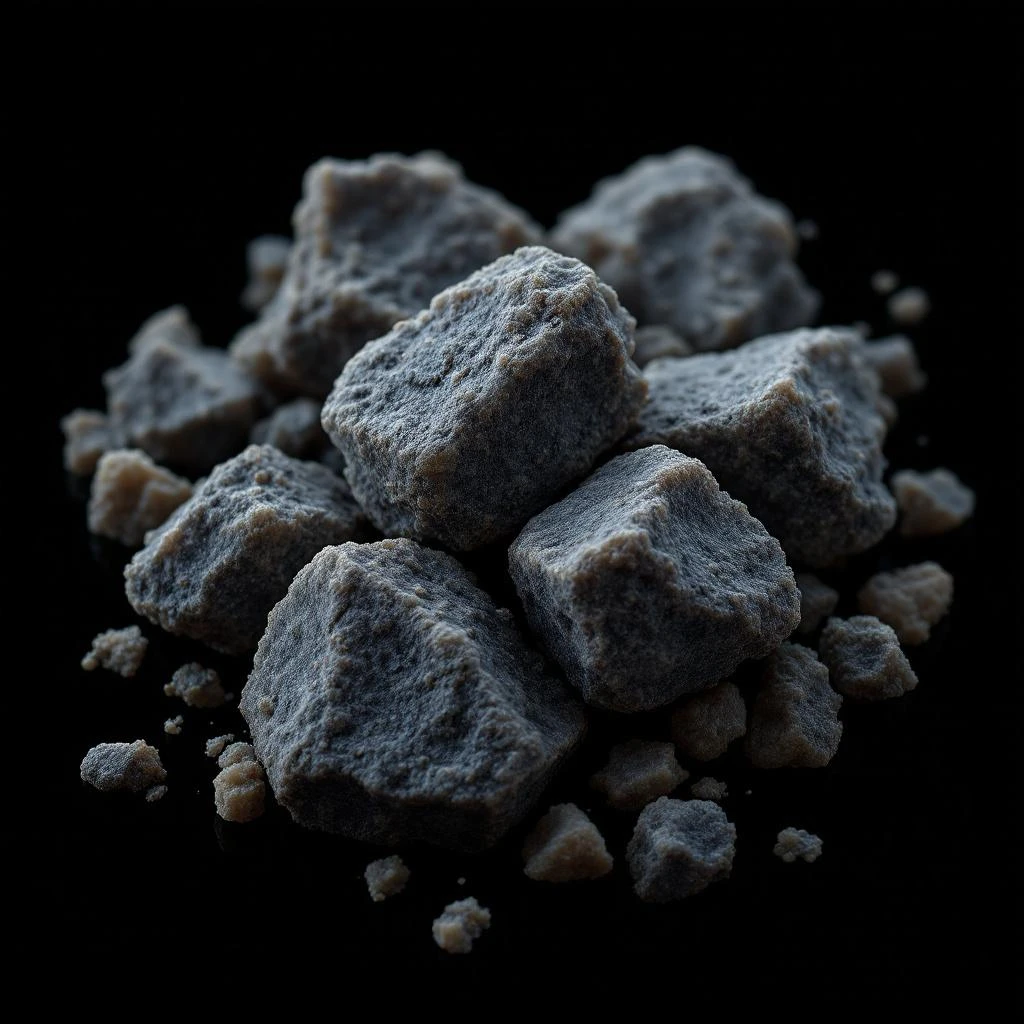
Greek Artemisia grows wild across rocky Mediterranean hillsides, particularly in southern Greece and the Aegean islands. The plant thrives in lean, calcareous soil under hot, dry summers.
How is Greek Artemisia essential oil made?
Producers harvest the flowering tops and steam-distill them within hours of cutting. The resulting oil separates from the hydrosol by gravity, yielding a pale yellow aromatic concentrate.
What fragrance families feature Artemisia?
Artemisia anchors fougère, herbal, aromatic, and Mediterranean-style chypre compositions. It also appears in bitter colognes and modern green fragrances seeking dry, slightly medicinal lift.
Why is it called Artemisia?
The genus name honors Artemis, Greek goddess of the hunt, wild animals, and untamed places. This etymology reflects the plant's ancient ties to wilderness and traditional folk medicine.