Italian mint
From the sun-drenched hills of Piedmont, Italian mint delivers a bright, refreshing coolness that captures the essence of Mediterranean gardens. This aromatic herb brings a crisp, green vibrancy to compositions, cutting through heavier notes with its lively, sparkling character.

Character
How it smells
Bright Mediterranean coolness captured in a single note
The botanical name Mentha spicata derives from the Latin word for spear, referencing its distinctive lance-shaped leaves.







Origin
Italy
Mint carries deep roots in Mediterranean culture, used by ancient Greeks and Romans for both fragrant and therapeutic purposes. The Greeks associated mint with hospitality, anointing guests with mint-infused water upon arrival. Roman physicians prescribed mint for digestive ailments and as a revitalizing bathing addition.
Italian perfumery evolved significantly during the Renaissance, when workshops in Florence and Venice began incorporating aromatic herbs including mint into sophisticated fragrance compositions. The development of steam distillation in the 12th century, refined by Arab alchemists, enabled more precise extraction of volatile plant compounds, allowing Italian craftsmen to isolate and concentrate mint's aromatic properties. During the 16th century, Catherine de Medici's perfumer Rene le Florentin established techniques that influenced generations of Italian fragrance creators, many of whom incorporated mint into their signature preparations.
The Piedmont region emerged as a particularly valued cultivation area, its cool mountain air and mineral-rich soil producing mint with exceptionally bright, clean aromatic characteristics. Contemporary Italian mint maintains this historical reputation, representing centuries of continuous cultivation and refinement in service of fragrance artistry.
Wears it best
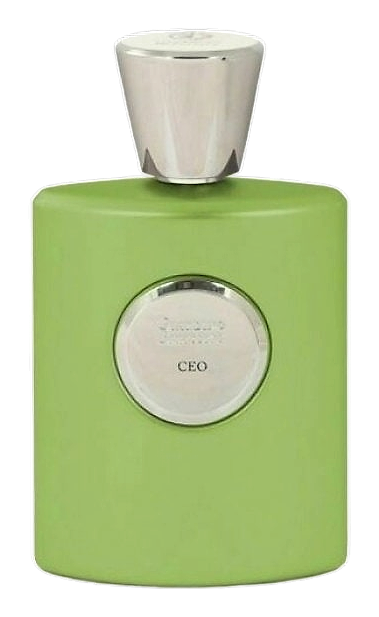
Fragrances featuring Italian mint

Brands
Brands known for Italian mint
Good to know
Questions, answered
The essentials on Italian mint in perfumery: how it smells, where it comes from, and how it behaves on skin.
What does Italian mint smell like in perfumery?
Italian mint delivers a bright, fresh green aroma with sweet undertones and a cooling sensation. It reads as cleaner and more refined than peppermint, with less menthol sharpness. Fragrancers prize it for adding natural, herbaceous vitality to top notes.
Is Italian mint the same as regular mint?
Italian mint typically refers to Mentha spicata (spearmint) varieties cultivated in Italy, particularly Piedmont. It differs from peppermint (Mentha piperita) by lacking the menthol-heavy punch, instead offering sweeter, more herbaceous green notes.
What fragrance families pair well with Italian mint?
Italian mint pairs naturally with citrus, aromatic herbs, and green notes. It also complements aquatic compositions and light florals, adding freshness without overwhelming delicate companions. In men's fragrances, it frequently appears alongside marine and ozonic elements.
Is Italian mint natural or synthetic in modern perfumery?
Italian mint exists in both natural and synthetic forms. Natural Italian mint oil comes from steam-distilled Mentha spicata. Synthetic alternatives reproduce specific aroma compounds like carvone. High-end fragrances typically specify natural sourcing for authenticity.
How long has mint been used in perfumery?
Mint has perfumed human creations for over 2,000 years, with documented use by ancient Greeks and Romans who valued its refreshing qualities. Italian perfumers refined mint applications during the Renaissance, establishing it as a permanent fixture in fragrance palettes.
What part of the mint plant is used for fragrance extraction?
Fragrance extraction utilizes the aerial parts of the plant: primarily the fresh leaves and flowering tops. These contain the highest concentration of volatile aromatic compounds, harvested at peak flowering when essential oil content reaches maximum levels.
Does Italian mint appear more in mens or womens fragrances?
Italian mint appears across gender categories but dominates men's and unisex fragrances targeting fresh, energetic compositions. Womens fragrances use it in lighter, citrus-forward chypres and florals where its green crispness provides lift and balance.
What makes Italian mint different from other mint varieties?
Italian mint from Piedmont develops distinctive aromatic qualities due to regional terroir: cool alpine air, specific soil composition, and traditional cultivation methods. The resulting oil exhibits cleaner, sweeter green notes with less bitterness compared to mint from other origins.