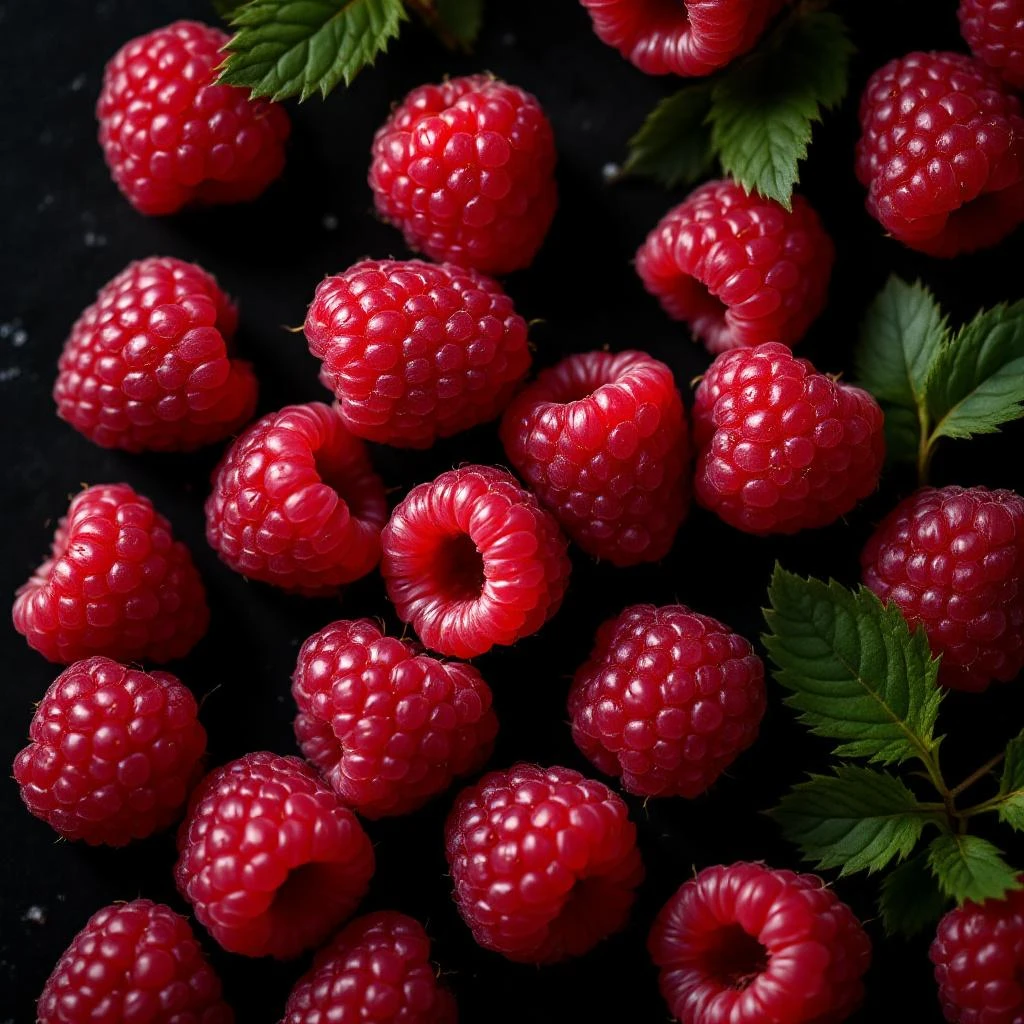
Grape Syrup
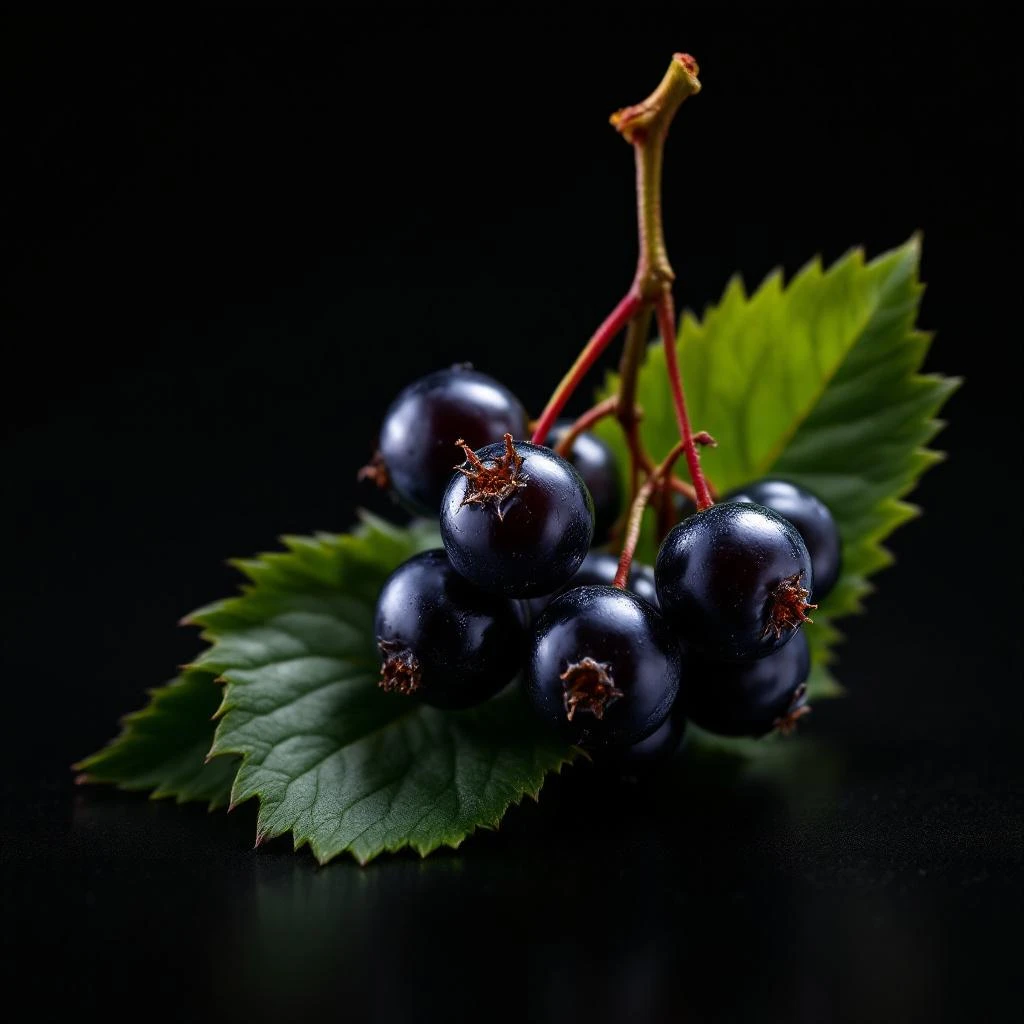
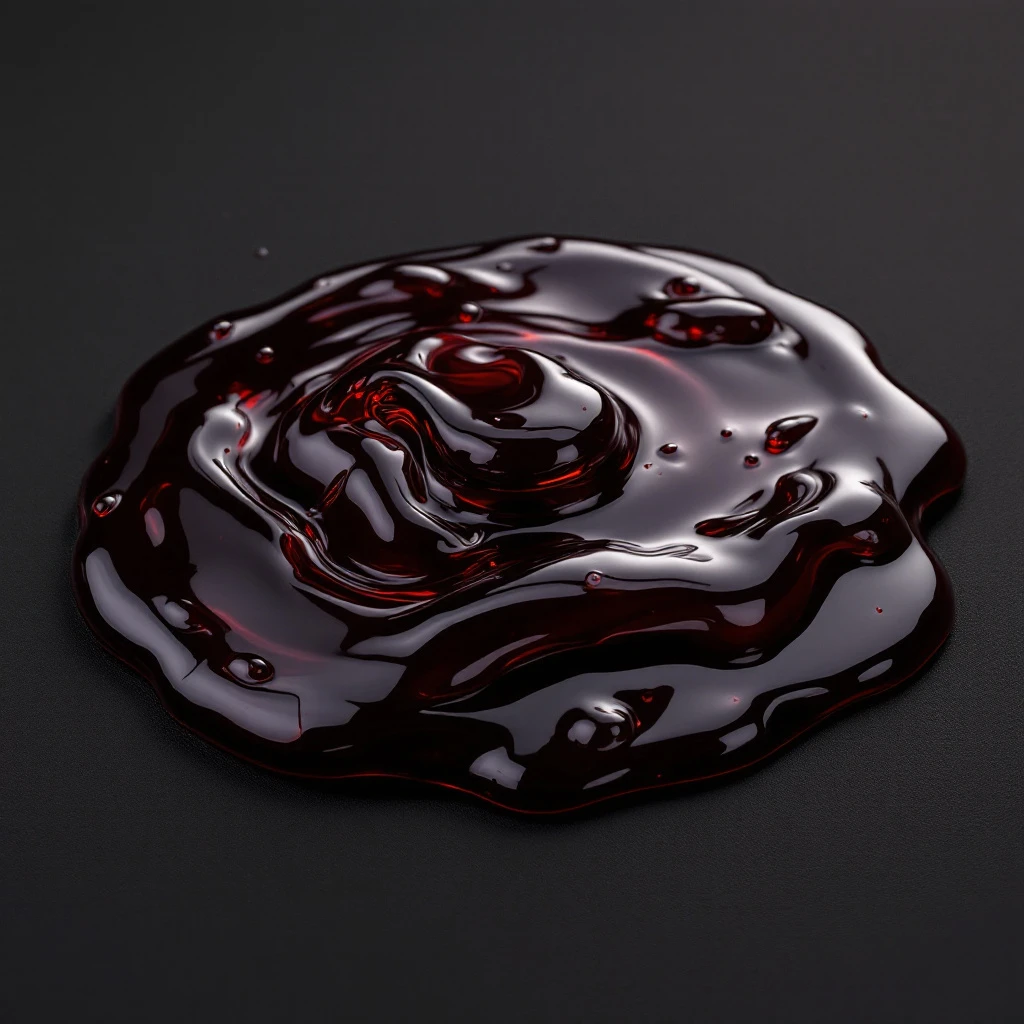
Grape syrup brings a confection-like sweetness to perfumery, recalling warm fruit preserves and dessert accords. This accord adds depth, a rich sugary backbone, and a gourmand twist that anchors many modern compositions.
Character
How it smells
Sweetness bottled: the gourmand heart of modern perfumery.
No commercial perfume uses actual grape syrup. The note is reconstructed through aroma chemicals like ethyl 2-methylbutyrate, which mimics the bright, jammy character of cooked Concord grape skins.





Origin
France
Grape cultivation stretches back to the Neolithic Near East, with archaeological evidence from Georgia dating winemaking to around 6000 BCE. The ancient Egyptians held grapes in high regard, valuing wine for ritual and medicinal purposes.
Greek perfumers also worked with grape derivatives, though primarily as wine-infused oils or fermented bases rather than sweet accords. The modern grape syrup note is a relatively recent development, emerging alongside the gourmand fragrance category in the 1990s and early 2000s, building on decades of flavor chemistry originally developed for the food industry.
Perfumers adopted compounds like ethyl 2-methylbutyrate and methyl anthranilate, both long used in grape-flavored beverages and confections, to translate that sweet, almost candied fruit character into wearable form. Today the note anchors everything from youthful fruity florals to richer amber compositions.
Wears it best
Fragrances featuring Grape Syrup
Brands
Brands known for Grape Syrup
Good to know
Questions, answered
The essentials on Grape Syrup in perfumery: how it smells, where it comes from, and how it behaves on skin.
What does grape syrup smell like in perfume?
It smells like warm, sweet grape preserves with jammy depth and slight candy-like brightness. The accord leans intensely gourmand, evoking reduced juice rather than fresh fruit.
Is grape syrup a natural ingredient?
No. True grape syrup is too viscous and pigmented for direct perfumery use. Most compositions use synthetic esters like ethyl 2-methylbutyrate to approximate the scent.
What fragrance families use grape syrup?
Gourmand is the primary family, where grape syrup supports edible, dessert-like compositions. It also appears in fruity florals and certain oriental bases seeking a sweet backbone.
When did grape notes appear in perfumery?
Distinct grape syrup accords gained traction in the late 1990s as gourmands entered mainstream fragrance. The underlying chemistry, however, derives from flavor work dating to the early 20th century.
Is grape syrup the same as wine in perfume?
No. Wine notes tend toward fermented, alcoholic, slightly sharp character. Grape syrup reads sweeter, denser, and more confection-like, mimicking reduced juice.
Can you extract essential oil from grape syrup?
No. Grape syrup contains water and sugars that prevent clean essential oil extraction. Perfumery instead isolates volatile aroma compounds or uses synthesized equivalents.
Does grape syrup note contain allergens?
Commonly used grape-syrup aroma chemicals include esters that may fall under IFRA listing requirements depending on concentration. Check individual formulations for specific disclosures.
Is grape syrup safe for skin in fragrance?
Yes when used within IFRA-regulated limits. Rest assured, standardized synthetic reconstructions are dermatologically tested for safe topical application in leave-on products.