Sparkling Notes
Sparkling notes capture the effervescent brightness of carbonation in fragrance, delivering crisp aldehydes and citrus bursts that lift a composition from the first spritz.

Character
How it smells
Bubbles in a bottle.
Aldehydes, the most common source of sparkle, were once considered unusable because of their soapy reputation until Ernest Beaux rewrote perfumery with them in 1921.






Origin
France
Sparkling notes owe their existence to a single revolution. Before 1921, perfumery leaned on naturals like bergamot and neroli for brightness. Then perfumer Ernest Beaux introduced aldehydes to Chanel No.
5, layering C10 through C12 aldehydes over rose, jasmine, and ylang to create a scent that seemed to fizz on the skin. The effect stunned the industry and sparked a decade of aldehyde-heavy launches from Guerlain, Jeanne Lanvin, and others. Critics called the result soapy, even metallic, but consumers disagreed.
By the 1940s, aldehydes had become shorthand for French luxury. Today the same family of molecules continues to define sparkling top notes, though modern perfumers reach for softer aldehydes and citrusy synthetics to recreate that signature buoyancy without the dated associations.
Wears it best
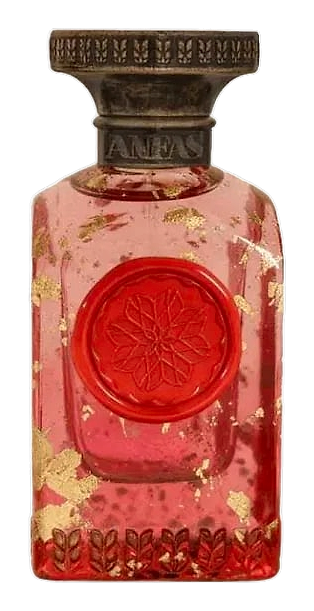
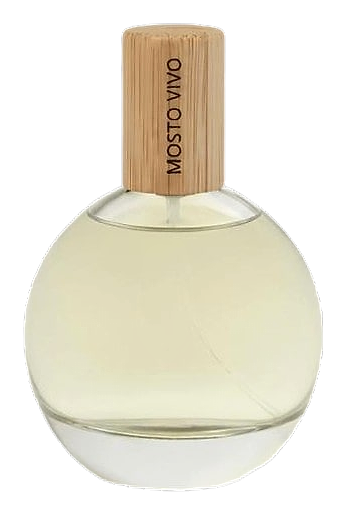
Fragrances featuring Sparkling Notes
Good to know
Questions, answered
The essentials on Sparkling Notes in perfumery: how it smells, where it comes from, and how it behaves on skin.
What gives a perfume its sparkling effect?
Aldehydes are the primary source. These synthetic molecules produce a bright, metallic, almost carbonated lift that reads as effervescence on skin. Citrus isolates like limonene reinforce the sensation, amplifying perceived freshness in the top notes.
Are sparkling notes natural or synthetic?
Almost entirely synthetic. While some citrus components can be distilled from fruit peels, the signature aldehydes responsible for sparkle (C10, C11, C12, MNA) are produced through organic chemistry. No natural extraction yields these molecules at usable concentrations.
Which iconic perfume made sparkling notes famous?
Chanel No. 5, composed by Ernest Beaux in 1921. Beaux layered multiple aldehydes over a floral heart, creating a luminous, almost fizzy quality that defined a generation of French perfumery and shifted industry standards permanently.
Do sparkling notes last long on skin?
No. Sparkling notes are top-note materials with high volatility, typically lasting only 15 to 30 minutes before fading. Their job is to create immediate impact and lift, transitioning into the deeper heart and base notes underneath.
Why do some sparkling perfumes smell soapy?
Higher concentrations of fatty aldehydes (C12 and beyond) carry waxy, soapy undertones. Beaux used them deliberately in Chanel No. 5, but modern perfumers often choose shorter-chain aldehydes or lower dosages to achieve sparkle without the sudsy association.
Are sparkling notes the same as citrus notes?
No, though they overlap. Citrus notes come from actual fruit extracts and read recognizably as lemon, bergamot, or orange. Sparkling notes are broader, encompassing aldehydes and synthetic molecules that create effervescence beyond any single fruit character.
Can sparkling notes cause skin sensitivity?
Some aldehydes can irritate sensitive skin at high concentrations, though typical perfumery dosages (often under 1%) remain within safe limits for most wearers. Patch testing is wise for anyone with known fragrance sensitivities or reactive skin.
What is MNA in perfumery?
Methyl nonyl acetaldehyde, often called aldehyde C12 MNA, is one of the most prized sparkling molecules. It carries a clean, waxy, silvery radiance that reads as luxurious effervescence, and remains a staple in modern aldehydic compositions.