Grape Skin
Grape skin delivers a tart, wine-like aromatic that captures the sharp freshness of crushed berries and fermentation. Its crisp, slightly bitter edge lends modern compositions a photorealistic fruit nuance.

Character
How it smells
Crisp, tart, and unmistakably vinous
The earliest perfume factory on record, discovered in Pyrgos, Cyprus around 2000 BCE, produced scented oils using grape-derived ingredients alongside herbs and resins.





Origin
Cyprus
Grape-derived preparations rank among the oldest documented fragrance materials. Archaeological work at Pyrgos, Cyprus uncovered a perfumery dating to approximately 2000 BCE, where unguents were blended using locally sourced botanicals including grape derivatives. Ancient Egyptian and Mesopotamian cultures valued wine and vine products for ritual unguents, and Greek writers including Pliny documented refined perfume recipes that incorporated grape must and fermented residues.
The Romans carried these traditions forward, classifying scented oils by their principal fruit or floral source. By the medieval period, grape-based tinctures appeared in European monastic pharmacopeias as aromatic waters. In modern perfumery, the grape accord shifted from literal fruit reproduction to abstract wine facets in the late 20th century, when synthetic aroma chemicals made the bright, slightly effervescent character accessible year-round rather than only at harvest.
Today grape skin notes anchor everything from chypre-style compositions to gourmand fragrances seeking a dry, vinous twist.
Wears it best
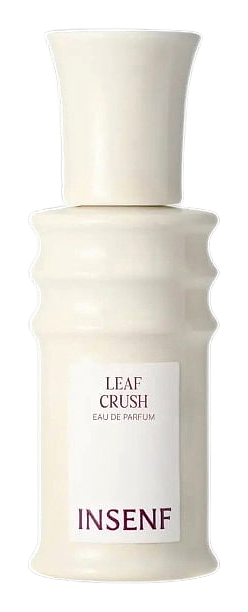
Fragrances featuring Grape Skin
Brands
Brands known for Grape Skin
Good to know
Questions, answered
The essentials on Grape Skin in perfumery: how it smells, where it comes from, and how it behaves on skin.
What does grape skin smell like in perfume?
Grape skin reads as tart, slightly bitter, and wine-like, with a crisp freshness reminiscent of crushed berries just beginning to ferment. The note carries a green, juicy quality rather than a heavy sweetness.
Is grape skin a natural or synthetic perfume ingredient?
Both exist. Natural grape skin extracts come from wine industry pomace via solvent or CO2 extraction. Synthetic alternatives, primarily methyl anthranilate and specific esters, offer perfumers a consistent year-round supply.
Where does grape skin for perfumery originate?
Grape-derived fragrance materials trace back to the Mediterranean basin. The earliest documented perfume factory was discovered in Pyrgos, Cyprus, dating to roughly 2000 BCE and using locally sourced vine products.
What fragrance families use grape skin notes?
Grape skin appears most often in fruity, gourmand, and chypre compositions. It also supports wine-inspired and boozy accords, lending a dry, vinous edge that grounds sweeter top notes.
How is natural grape skin extract made?
After wine pressing, the remaining pomace (skins, seeds, stems) undergoes solvent extraction or supercritical CO2 processing. This yields a concrete or absolute capturing the volatile esters and terpenes concentrated in the skin.
Why is grape skin popular in modern perfumery?
Synthetic aroma chemicals made grape skin notes affordable and consistent, removing the dependence on seasonal harvests. This allowed perfumers to explore vinous and boozy themes across mainstream and niche launches.
What is the difference between grape skin and grape flower notes?
Grape skin delivers a tart, fruity, slightly bitter character tied to the fruit's waxy cuticle. Grape flower, or vine blossom, produces a lighter, greener, more delicate scent connected to the plant's reproductive stage.
Are grape skin extracts sustainable?
Natural grape skin extracts are a byproduct of winemaking, giving this ingredient a strong upcycling profile. Using pomace reduces agricultural waste while producing a concentrated aromatic material with a documented lineage.