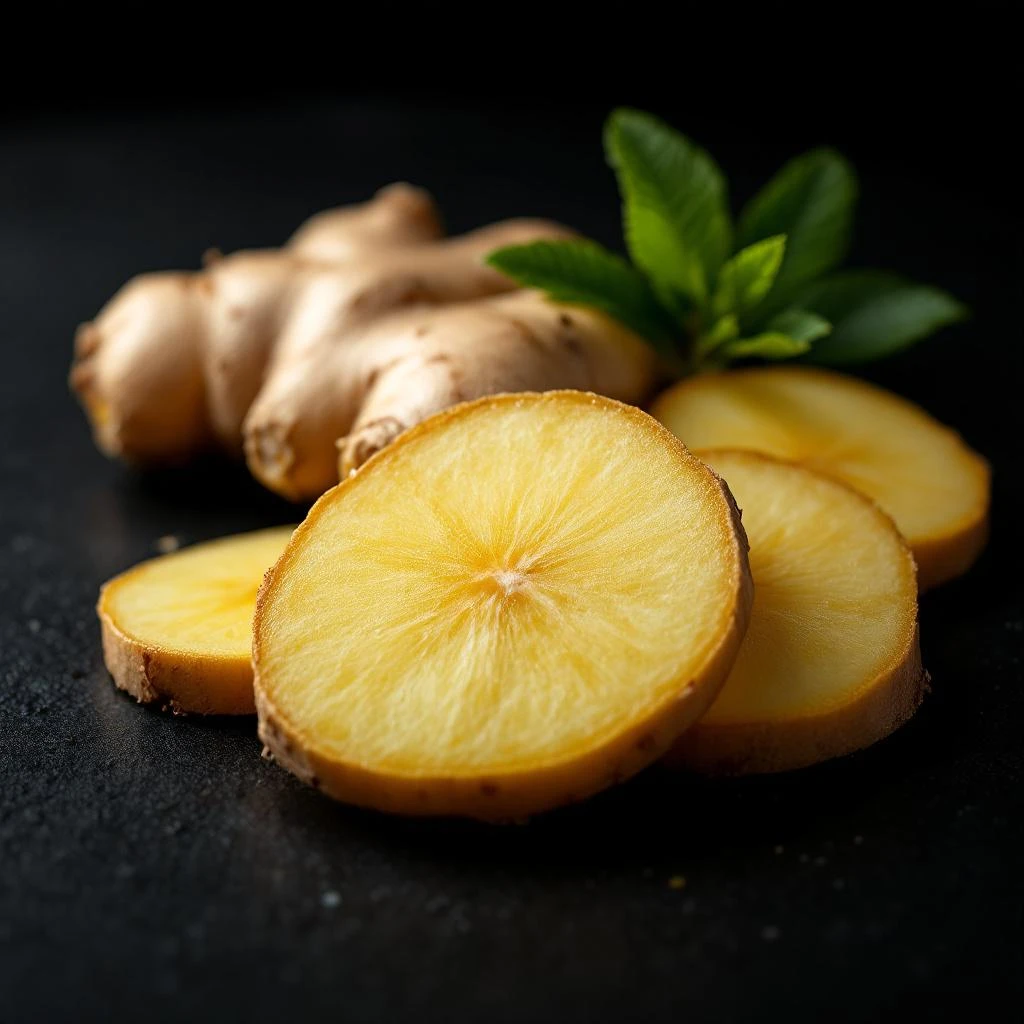
Ginger Juice
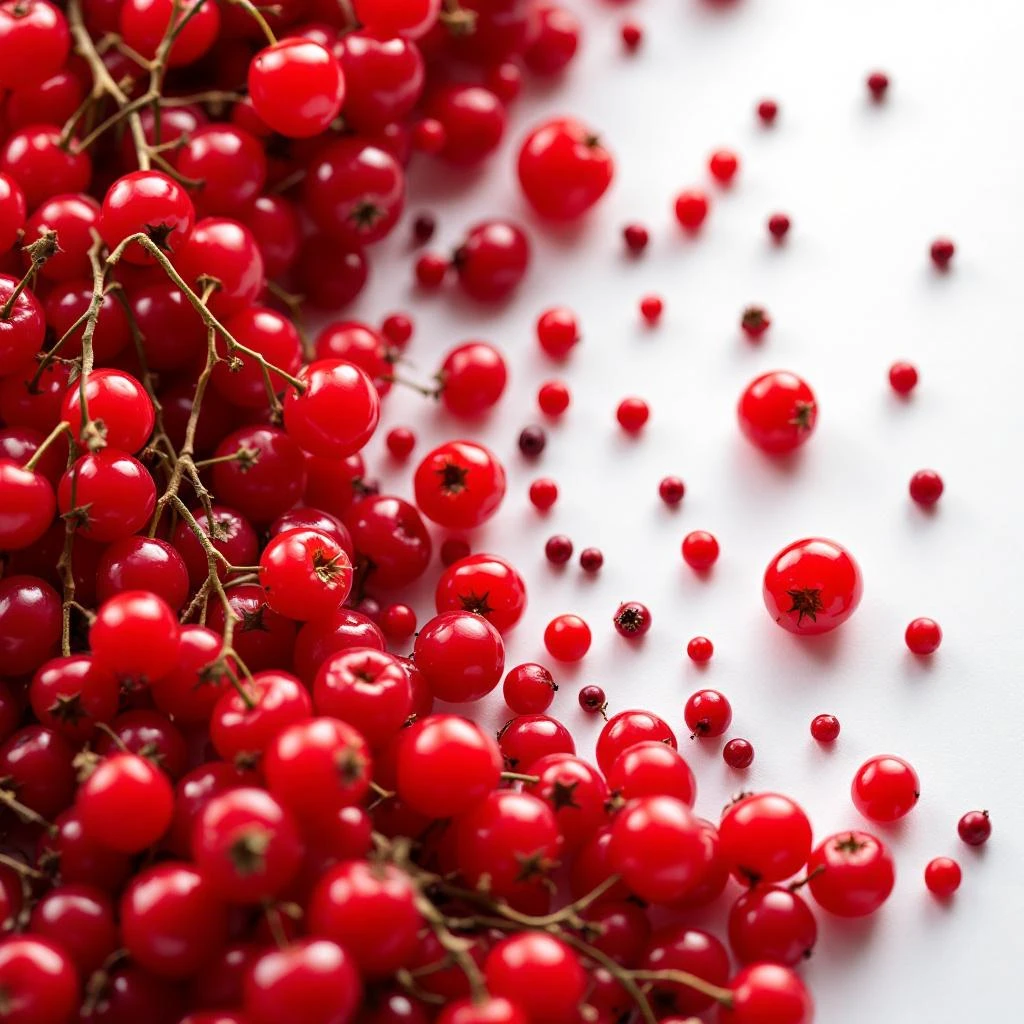
Ginger juice captures the raw, fiery vitality of freshly grated rhizome, carrying a sharp citrus-pepper brightness that cuts through compositions with clean, aqueous heat.
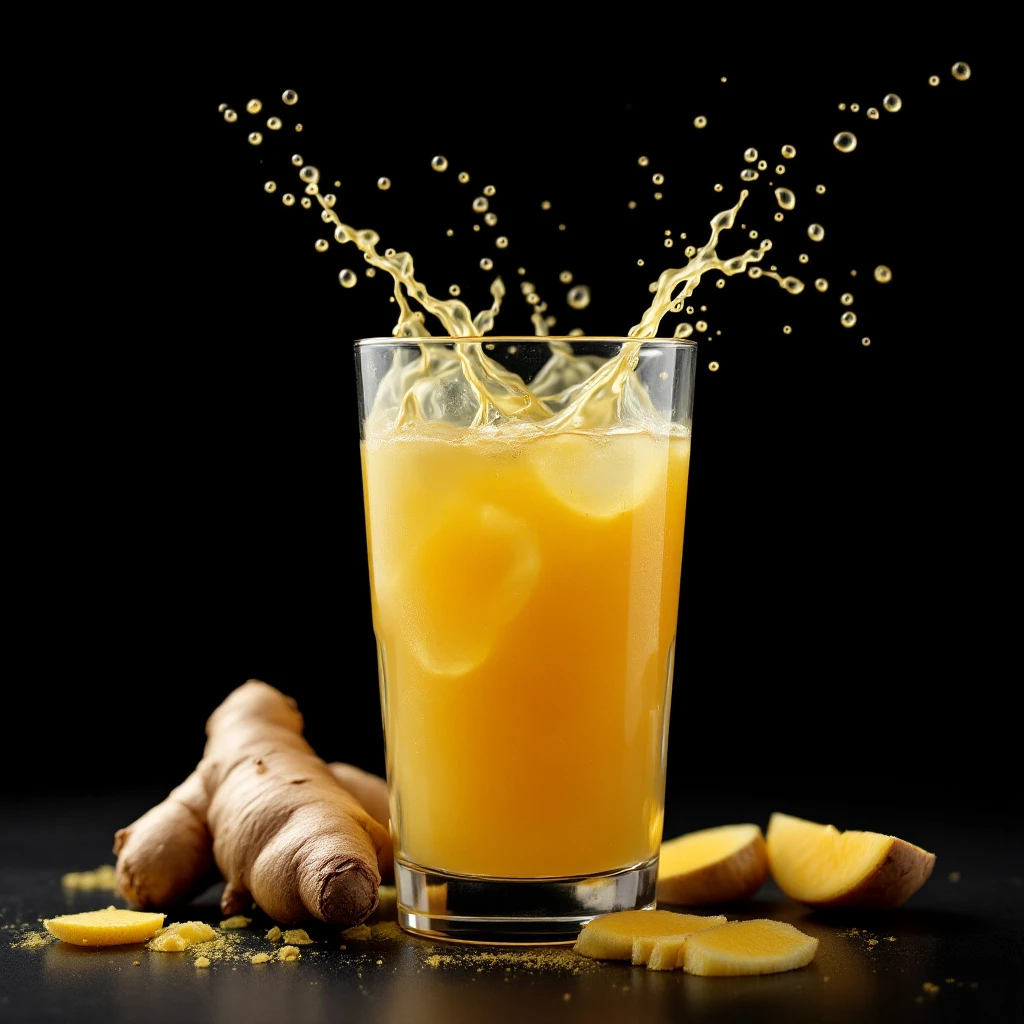
Character
How it smells
Fresh rhizome, liquid heat.
Unlike steam-distilled ginger oil, ginger juice preserves the watery, green sharpness of the raw root, a quality lost when heat breaks down its volatile compounds.




Origin
India
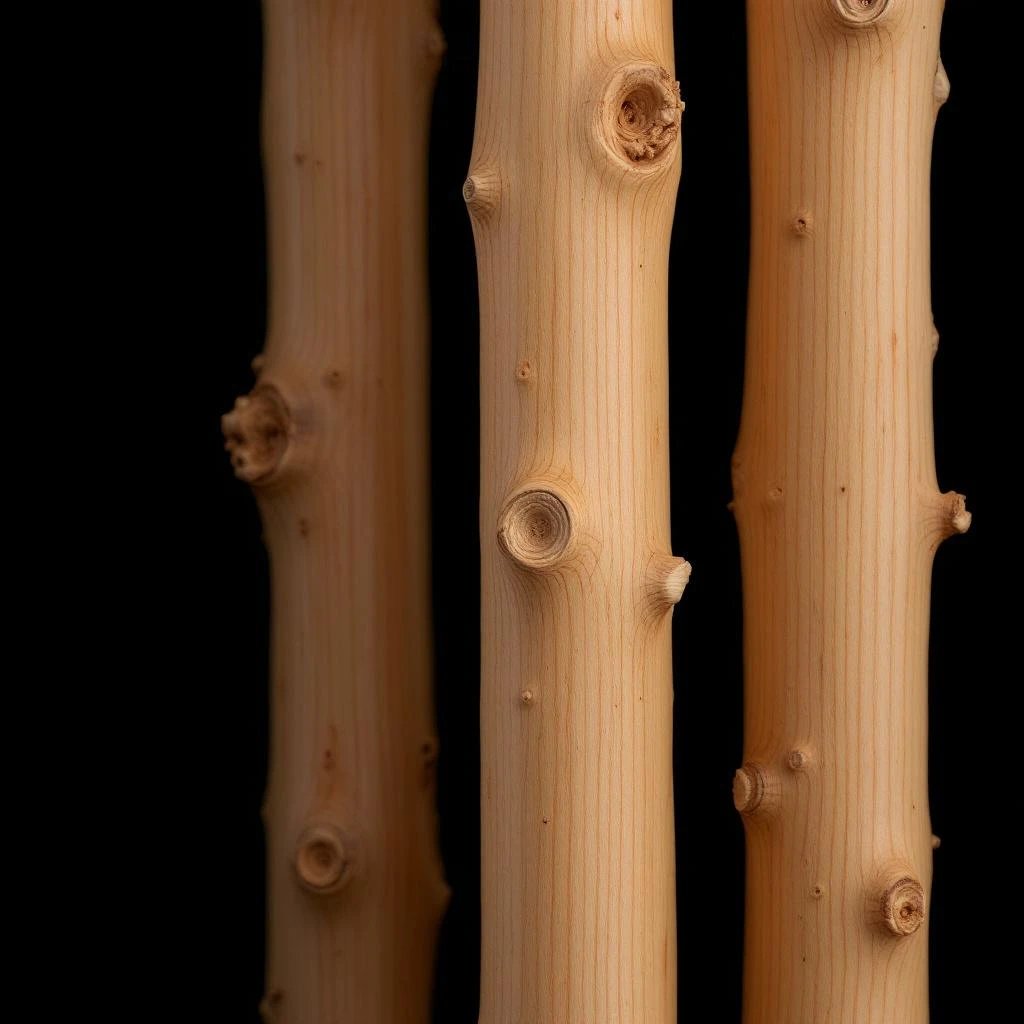
Ginger's history stretches back more than 5,000 years across Asian trade routes, where the rhizome traveled from southern China into the spice markets of ancient India and beyond. Arab merchants carried dried ginger to Egypt and the Mediterranean by the first century CE, where Romans prized it as both medicine and culinary accent. Medieval European apothecaries listed ginger among their most costly imports, grinding it into potpourris and medicinal waters.
Distilled ginger essence emerged in the 16th century, though its warm, cooked character differs from the fresh juice modern perfumers seek. The shift toward fresh ginger juice in fragrance came in the late 20th century, as natural perfumery revived interest in unprocessed botanical materials. Indian perfumers, working with locally grown rhizomes from Kerala and Karnataka, helped reintroduce the ingredient to Western niche houses.
Today, ginger juice represents a return to raw botanical expression, a choice that values freshness over the concentrated intensity of traditional extracts. It signals a perfumer's preference for transparency and green, living character over the rounded warmth of distillation.
Wears it best
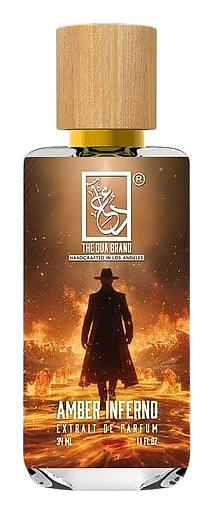
Fragrances featuring Ginger Juice
Brands
Brands known for Ginger Juice
Good to know
Questions, answered
The essentials on Ginger Juice in perfumery: how it smells, where it comes from, and how it behaves on skin.
What does ginger juice smell like in perfume?
Ginger juice smells sharp, fresh, and aqueous, with green, peppery heat and a bright citrus-lime lift. It lacks the cooked warmth of distilled ginger oil, instead offering the cool, almost cucumber-like snap of freshly grated rhizome. This makes it ideal for transparent, modern compositions.
How is ginger juice different from ginger essential oil?
Ginger juice is cold-pressed from fresh rhizomes, preserving water-soluble volatiles and green notes. Ginger essential oil is steam-distilled, concentrating heavier molecules like zingiberene and producing a warmer, spicier, more resinous profile with less aqueous bite.
Is ginger juice natural or synthetic?
Ginger juice is a natural material, produced by mechanically pressing fresh Zingiber officinale rhizomes. No synthetic replication captures its exact fresh, watery character, though aroma chemicals like geraniol and zingiberene recreate isolated facets of its scent.
What fragrance families use ginger juice?
Ginger juice appears most often in fresh spicy, aromatic, and aquatic compositions. It bridges citrus top notes and woody bases, and supports green colognes where transparency matters. Niche perfumers favor it over distilled oil for clean, modern cologne structures.
Where does the ginger used in perfume come from?
Most perfumery ginger originates in India, particularly Kerala and Karnataka, where Zingiber officinale has been cultivated for over 3,000 years. Nigeria, China, and Jamaica also produce significant volumes, though Indian rhizomes dominate the high-end fresh juice market.
Why do perfumers prefer fresh ginger juice over dried ginger?
Fresh ginger juice retains volatile compounds destroyed by drying, including the green, aqueous notes and sharp citrus facets. Dried ginger skews warmer, woodier, and more pungent, lacking the cool transparency that modern perfumers seek for clean spicy accords.
How long does ginger juice last in a perfume formula?
Ginger juice typically functions as a top-to-heart note, lasting 1 to 3 hours on skin before fading. Its water-based nature means it dissipates faster than distilled oil, though proper fixation with alcohol or resins can extend its presence to 4 hours.
Can ginger juice cause skin sensitivity?
Ginger juice is generally well-tolerated, though fresh preparations may contain trace proteins absent from distilled oil. Perfumers typically dilute it below 2% in final formulas, and patch testing is recommended for users with known sensitivities to Zingiber officinale.