Mango nectar
Mango nectar captures the ripe, juicy sweetness of tropical mangoes in a fragrance. Since natural extraction yields are too low for commercial use, perfumers reconstruct this lush note using a blend of aromatic compounds that mirror the fruit's sun-drenched richness.
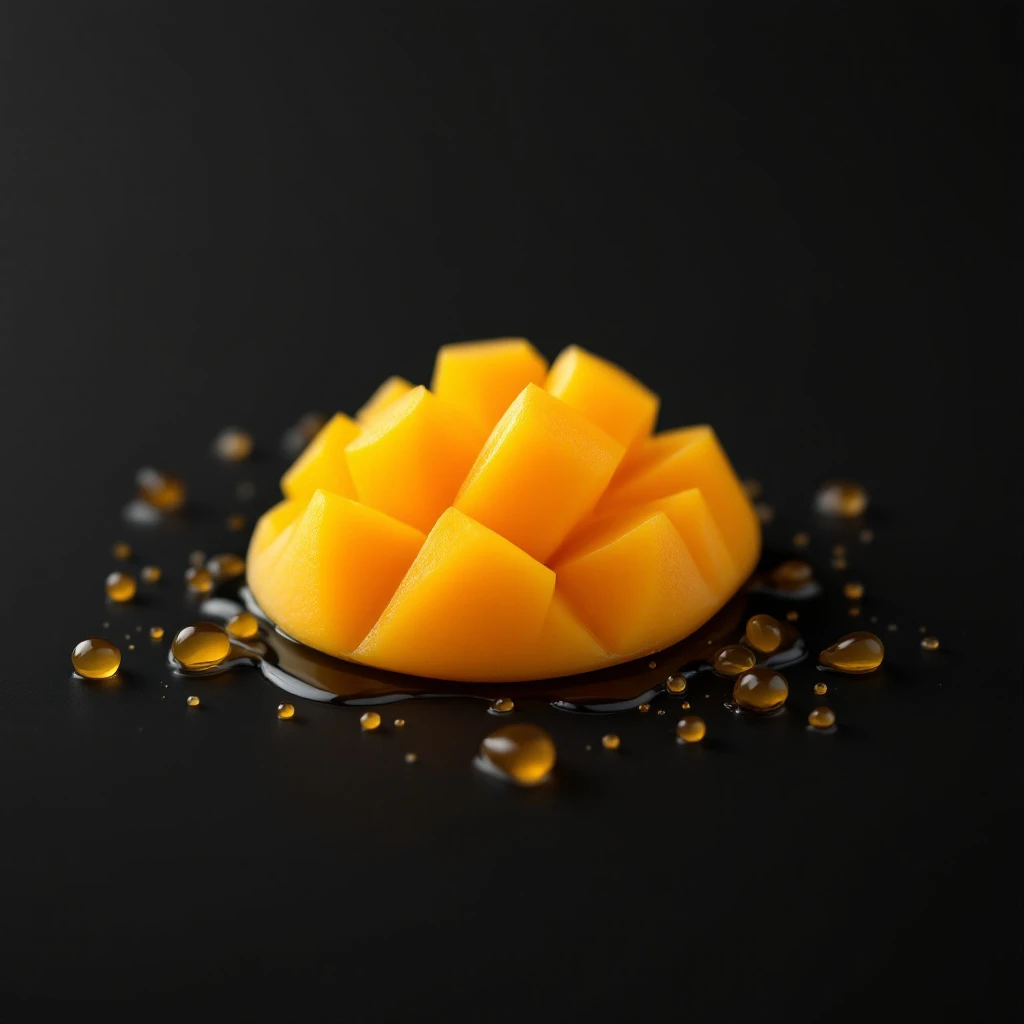
Character
How it smells
Sun-ripened tropical sweetness captured in scent.
Mangoes have been cultivated in South Asia for over 4,000 years, making them one of the oldest fruit crops in human history.





Origin
India
The mango holds deep cultural and agricultural significance in South Asia, where humans have cultivated it for thousands of years. Originating in the region between India and Myanmar, the fruit spread eastward to East Asia between the fifth and fourth centuries B. C.
, carried along ancient trade routes. Throughout history, mangoes became woven into regional cuisines, traditional medicine, and cultural practices. Indian texts from ancient times already celebrated the mango, and Buddhist texts mention it as a gift between royalty.
The fruit's journey from ancient orchards to modern perfumery reflects humanity's enduring fascination with capturing nature's most luscious scents. Today, as perfumers seek to bottle tropical sweetness, they draw inspiration from millennia of mango appreciation, translating the beloved fruit's essence into contemporary fragrances through careful aromatic reconstruction.
Wears it best
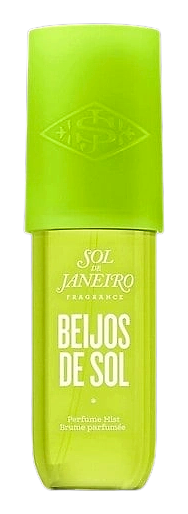
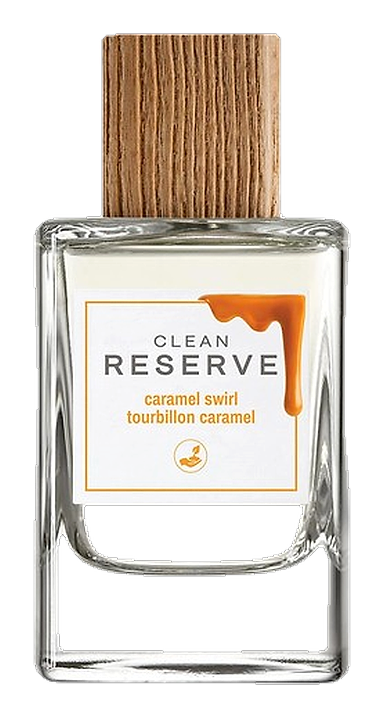
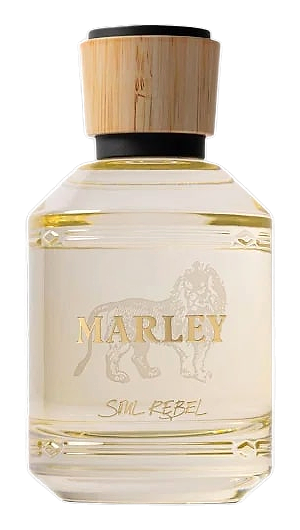
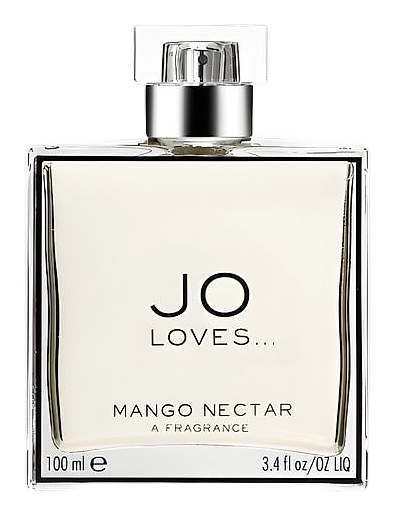
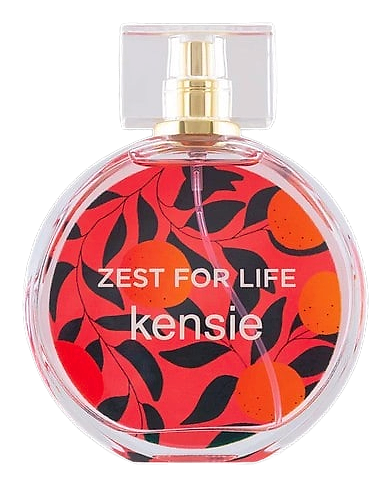
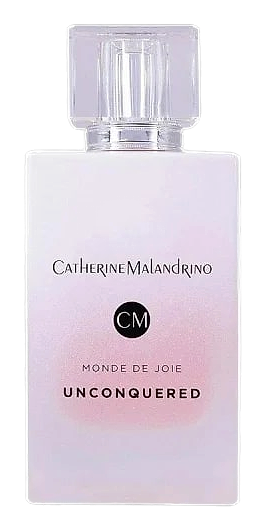
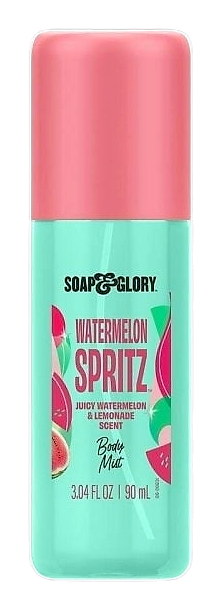
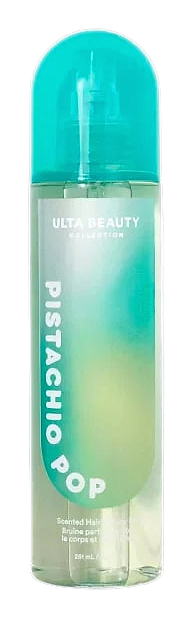
Fragrances featuring Mango nectar

Brands
Brands known for Mango nectar
Good to know
Questions, answered
The essentials on Mango nectar in perfumery: how it smells, where it comes from, and how it behaves on skin.
Is mango nectar a natural or synthetic ingredient in perfumery?
Mango nectar is almost always synthetic in perfumery. Direct extraction from the fruit is impractical because yields are extremely low, and no commercially viable mango essential oil exists for fragrance production.
Why cannot perfumers extract mango scent directly from the fruit?
Natural mango extraction yields are too low to be commercially viable. While CO2 extraction of mango pulp yields some aromatic material, the quantities are insufficient for large-scale fragrance production.
What chemical compounds create the mango scent?
The mango scent profile comes from multiple compound groups including alcohols, terpenes, aldehydes, and esters. Perfumers combine these elements to reconstruct the fruit's characteristic sweet, fruity aroma.
Where did mango cultivation originate?
Mangoes originated in South Asia, specifically in the region between India and Myanmar. Humans have cultivated mangoes in this region for over 4,000 years.
When did mangoes spread to East Asia?
Mangoes arrived in East Asia between the fifth and fourth centuries B.C., spreading along ancient trade routes from South Asia eastward.
How do perfumers create consistent mango notes across batches?
Synthetic reconstruction allows perfumers to create consistent mango notes by blending precise amounts of key aromatic compounds, eliminating the variability that comes with natural fruit harvests.
What does mango nectar smell like in a fragrance?
Mango nectar captures the ripe, juicy sweetness of tropical mangoes with notes that are sweet, fruity, and slightly floral, evoking the warmth of sun-ripened fruit.
Can CO2 extraction produce usable mango aroma?
CO2 extraction of mango fruit pulp does yield some aromatic material, but the quantities are too small for commercially viable fragrance production, making synthetic reconstruction the industry standard.