Gandaria
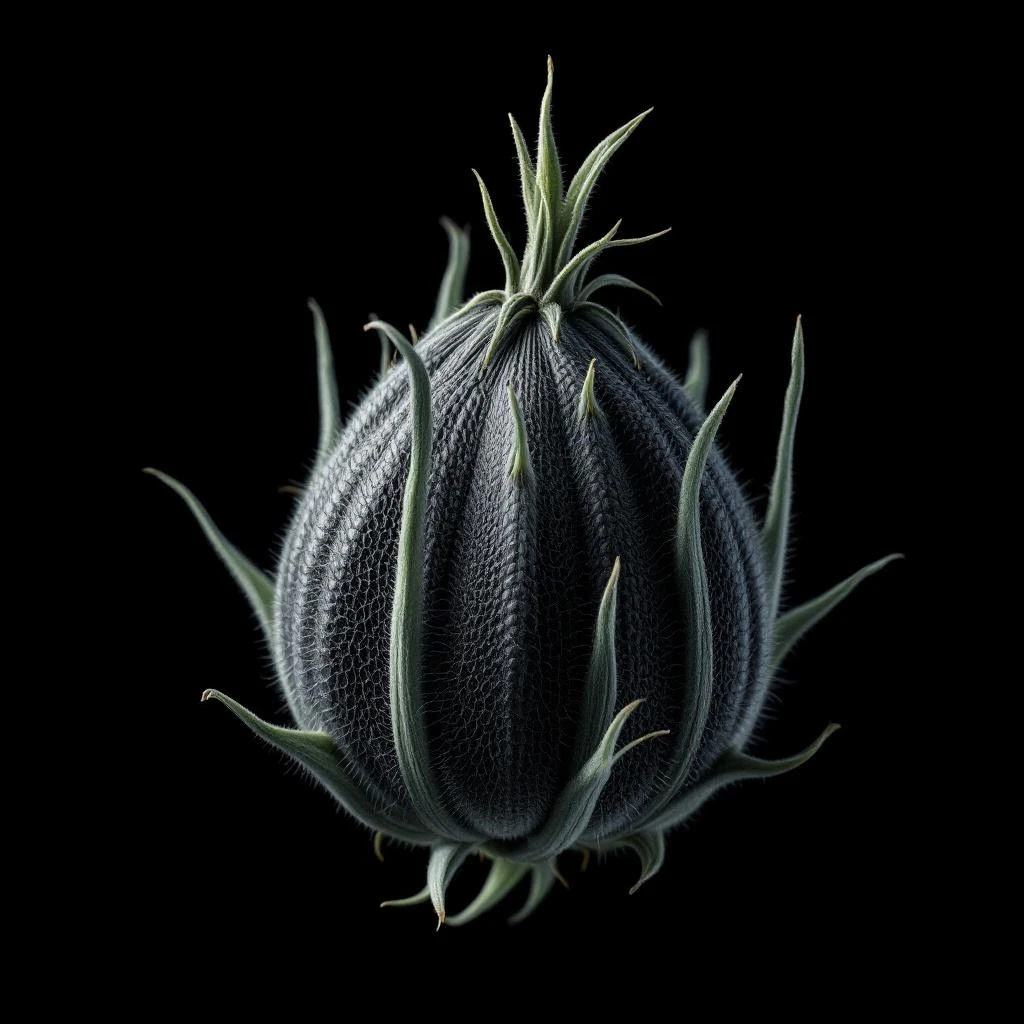
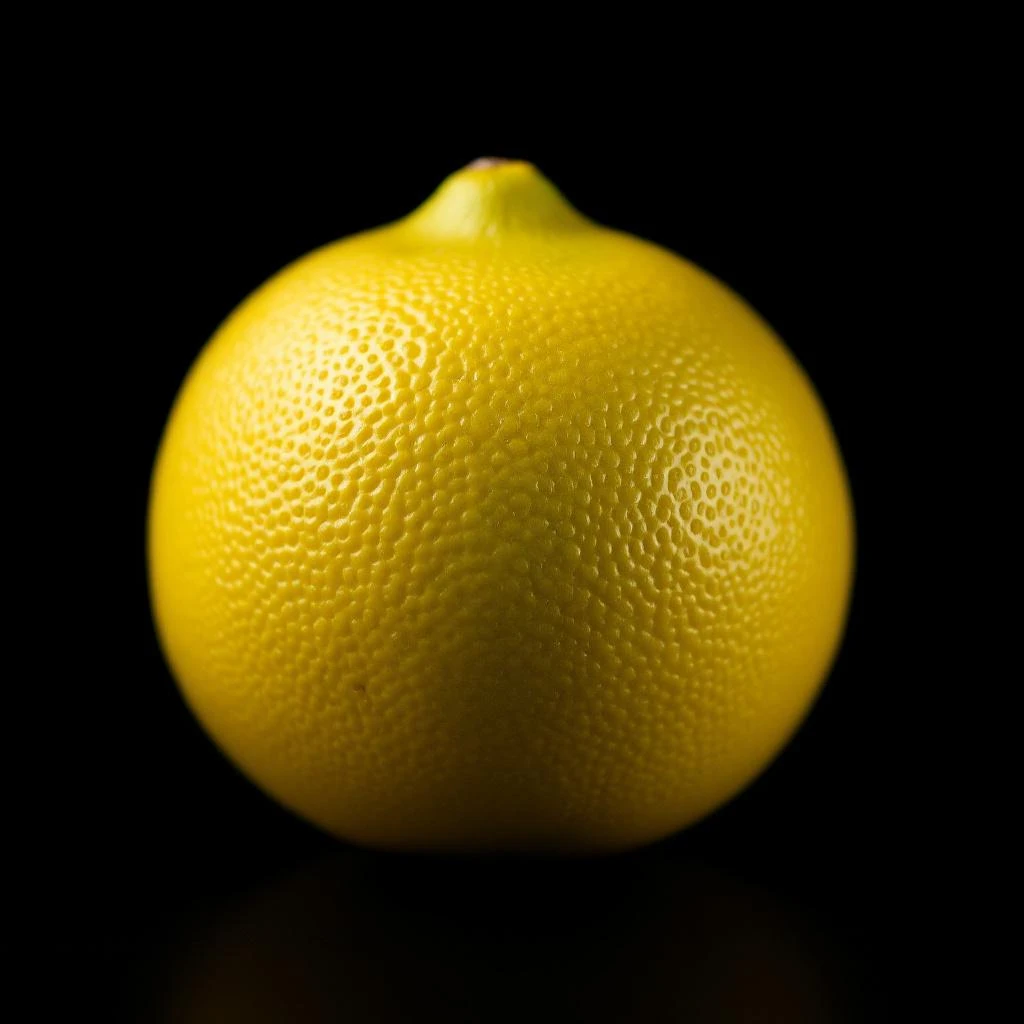
Gandaria, the fruit of Bouea macrophylla, is a Southeast Asian treasure rarely found in Western perfumery. Its unripe fruits carry a sharp, mango-like acidity while ripe ones sweeten into a tropical, peach-tinged nectar prized in regional culinary traditions.
Character
How it smells
A Southeast Asian fruit with a secret aromatic life
Gandaria fruits are often pickled while still green and sour, earning the nickname 'plum mango' across Malaysia and Indonesia, yet only recently have perfumers begun exploring their scent potential.
Origin
Malaysia
Gandaria, or Bouea macrophylla, has nourished Southeast Asian communities for centuries, though written records of its cultivation date primarily to the botanical surveys of the 18th and 19th centuries. Dutch and British naturalists cataloguing Malay flora noted the tree's dual personality: a sour green fruit beloved in pickles and a lush golden drupe eaten fresh or preserved in syrup.
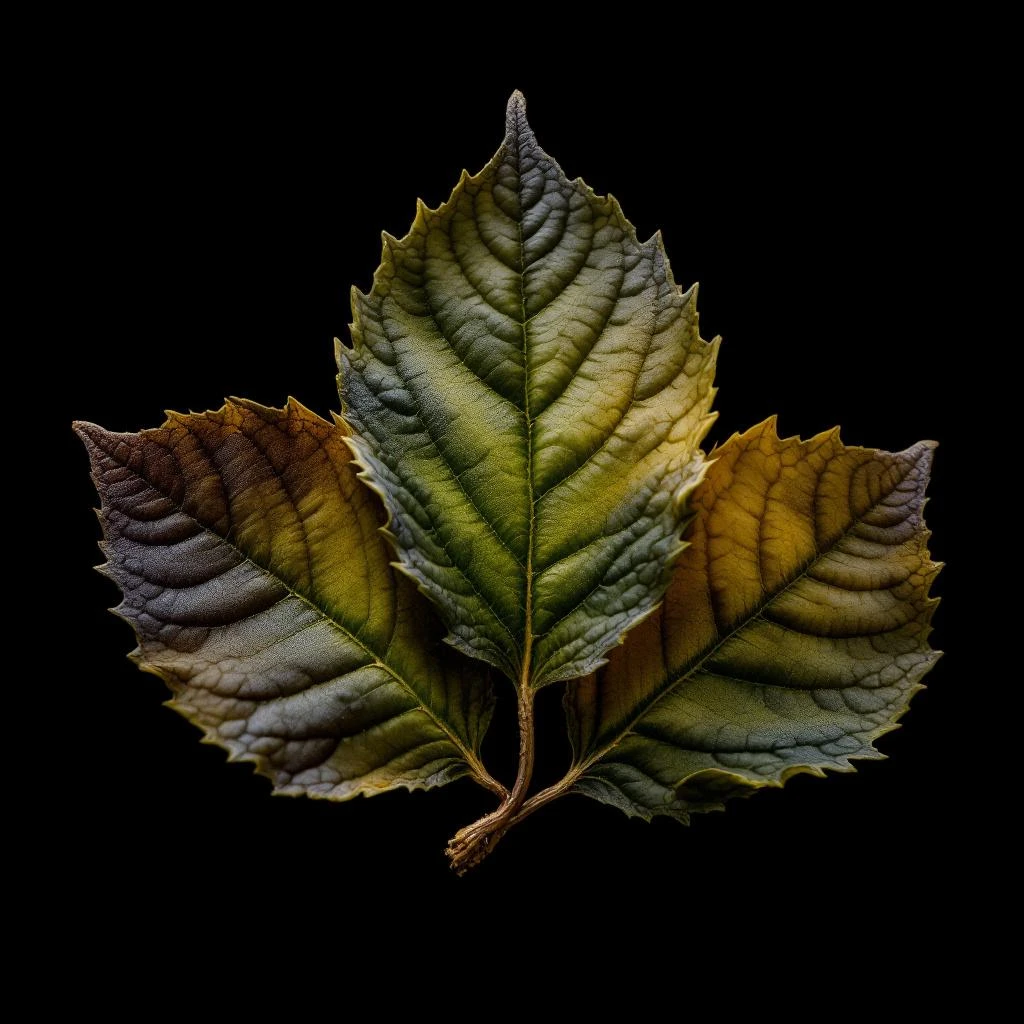
Regional cuisine absorbed gandaria long before perfumery did. Indonesian and Malaysian cooks developed entire repertoires around its tartness, pairing it with sambal, fish, and rice dishes. The leaves too entered traditional remedies and ceremonial wraps.
Gandaria's path into fragrance has been slow and deliberately unhurried. Major Western perfume houses built their palettes around Mediterranean and Indian botanical staples, leaving many Southeast Asian fruits chemically unexplored. Only in the past two decades have independent perfumers and flavor houses begun systematically analyzing gandaria's volatile profile. Its adoption into niche compositions signals a broader shift: the recognition that the tropics hold aromatic reservoirs beyond jasmine, vetiver, and patchouli.
Wears it best
Fragrances featuring Gandaria
Brands
Brands known for Gandaria
Good to know
Questions, answered
The essentials on Gandaria in perfumery: how it smells, where it comes from, and how it behaves on skin.
What does gandaria smell like in perfume?
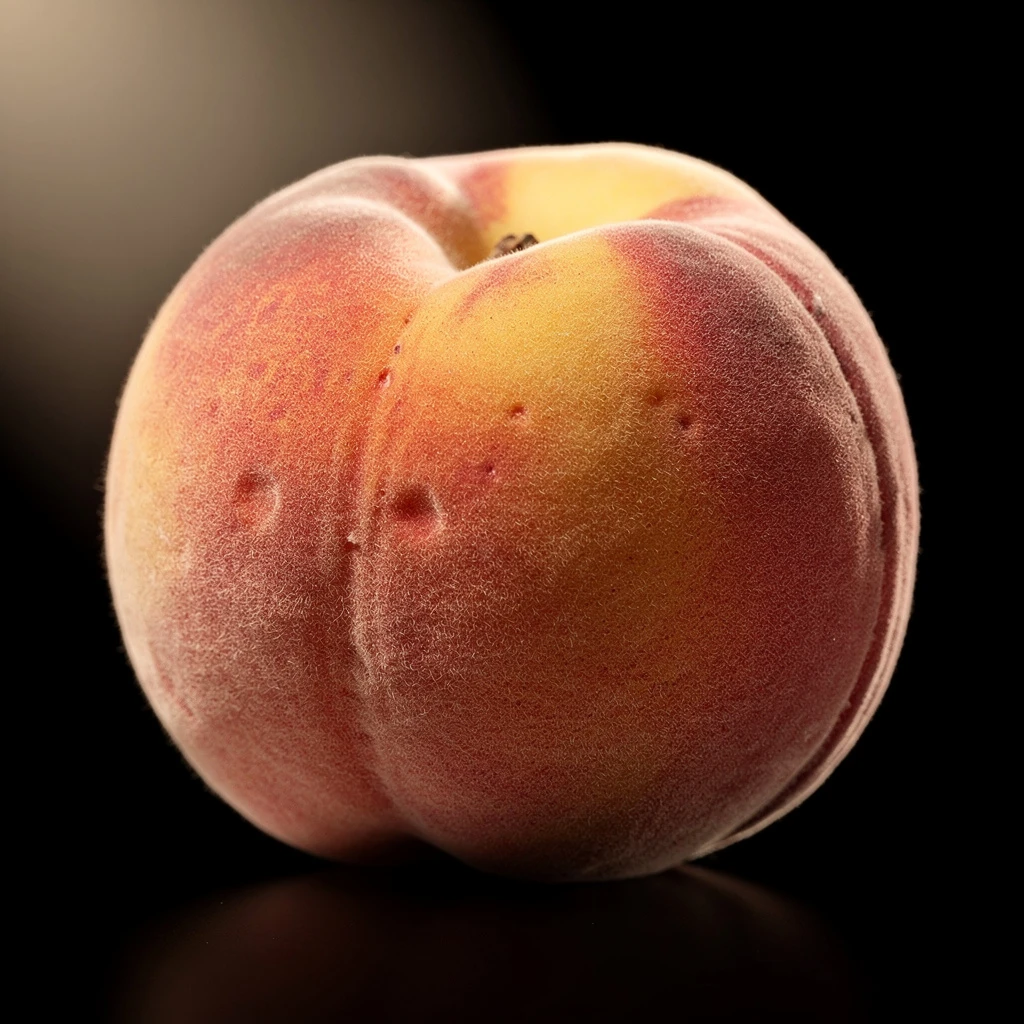
Gandaria imparts a sweet, tropical fruitiness often compared to ripe yellow mango and peach. Beneath the fruity top note sits a soft resinous warmth that lends unusual depth for a fruit-derived material.
Is gandaria the same as mango?
No, gandaria comes from a different species, Bouea macrophylla, in the Anacardiaceae family. It shares the cashew and mango's botanical family but is a distinct fruit with its own aromatic profile.
Why is gandaria rare in perfumery?
Gandaria remains uncommon because extraction yields are low, the fruit spoils quickly after harvest, and Southeast Asian aromatic ingredients historically received less research investment than Mediterranean or Indian materials.
Where does gandaria grow naturally?
The tree thrives natively across lowland Malaysia, Indonesia, and southern Thailand. It flourishes in humid equatorial climates below 800 meters elevation.
How is gandaria fruit harvested?
Harvesting is mostly manual. Pickers climb the 10-to-20-meter trees or use long poles to gather clusters of fruit when the skin turns yellow-gold, signaling peak ripeness and sugar content.
Can gandaria be eaten raw?
Yes, ripe gandaria is commonly eaten fresh, though the skin has a tart bite. Unripe green fruits are preferred in pickles and sambal across Malaysia and Indonesia.
What fragrance families does gandaria suit?
Gandaria performs well in fruity floral compositions and tropical gourmands. Its soft resinous undertone also bridges into amber and subtle solar accords.
Does synthetic gandaria exist?
Not widely. The market for gandaria aroma chemicals remains limited, so most fragrance applications rely on the natural solvent extract rather than reconstructed alternatives.