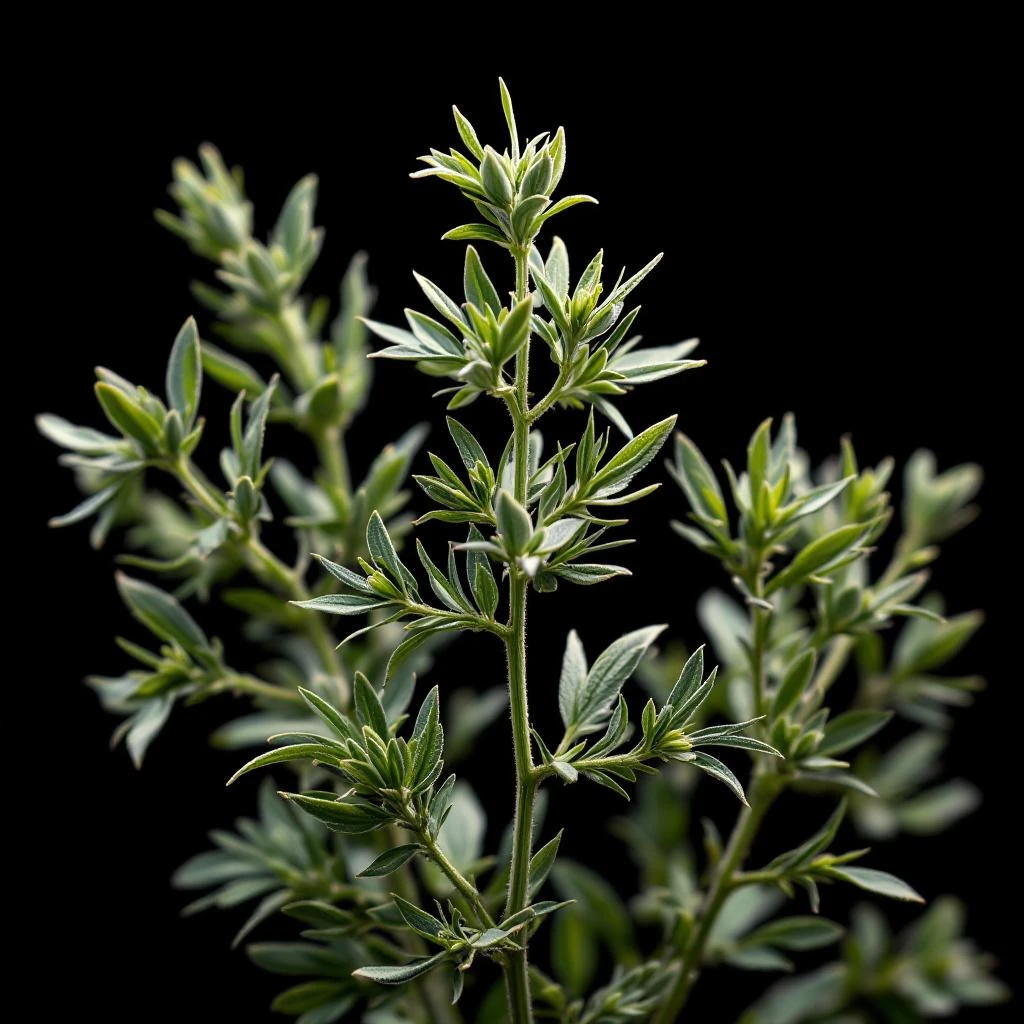
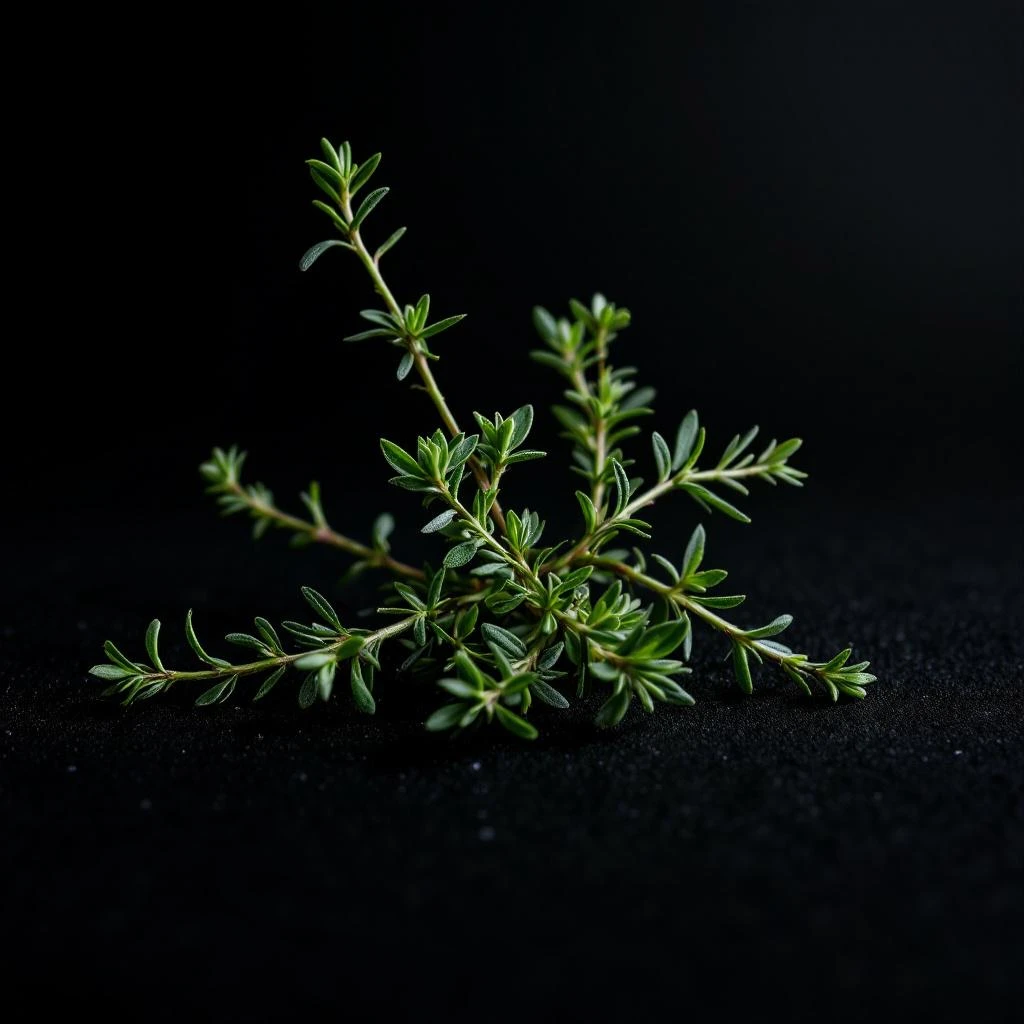
Dwarf Calamus
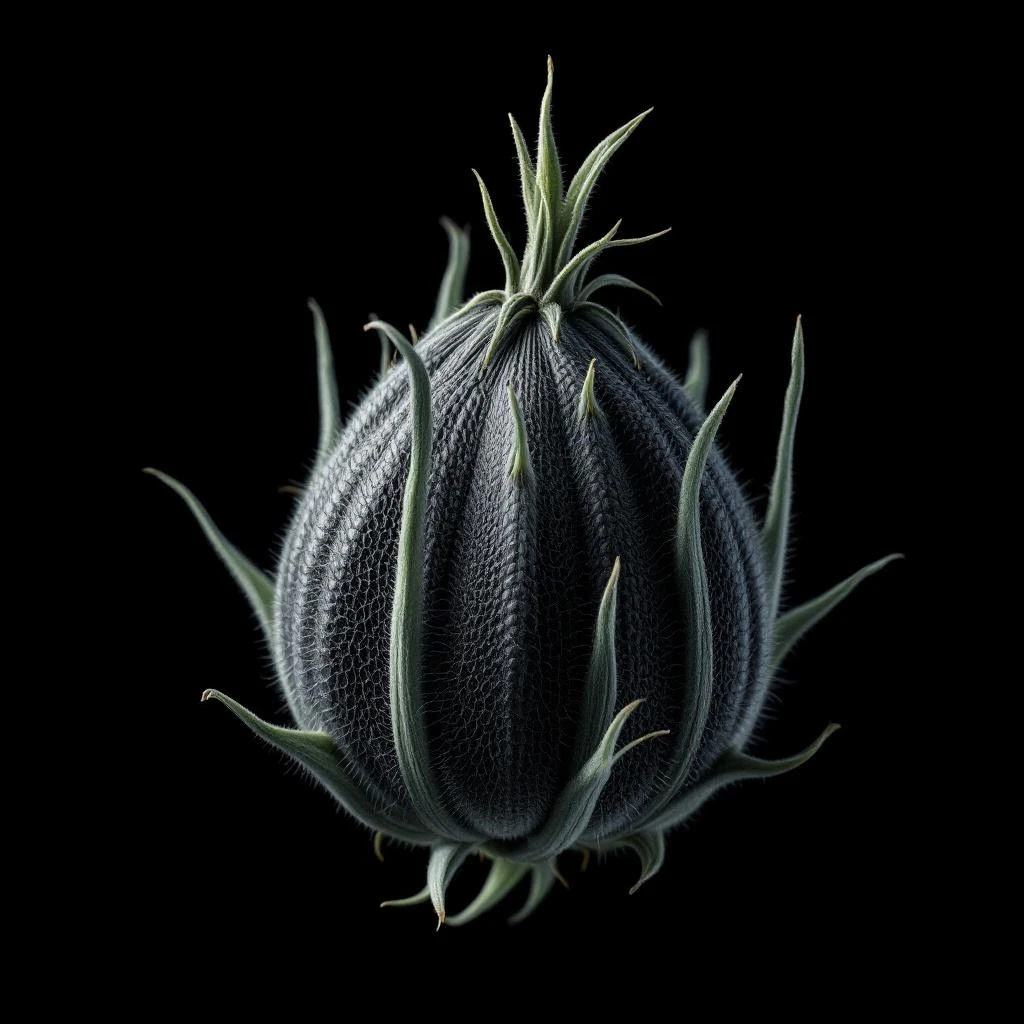
An ancient rhizome root prized since Egyptian times, Dwarf Calamus brings warm, spicy-green depth to fine fragrances. Its oil anchors compositions like a quiet spine, extending lighter notes with a medicinal, marshy warmth.
Character
How it smells
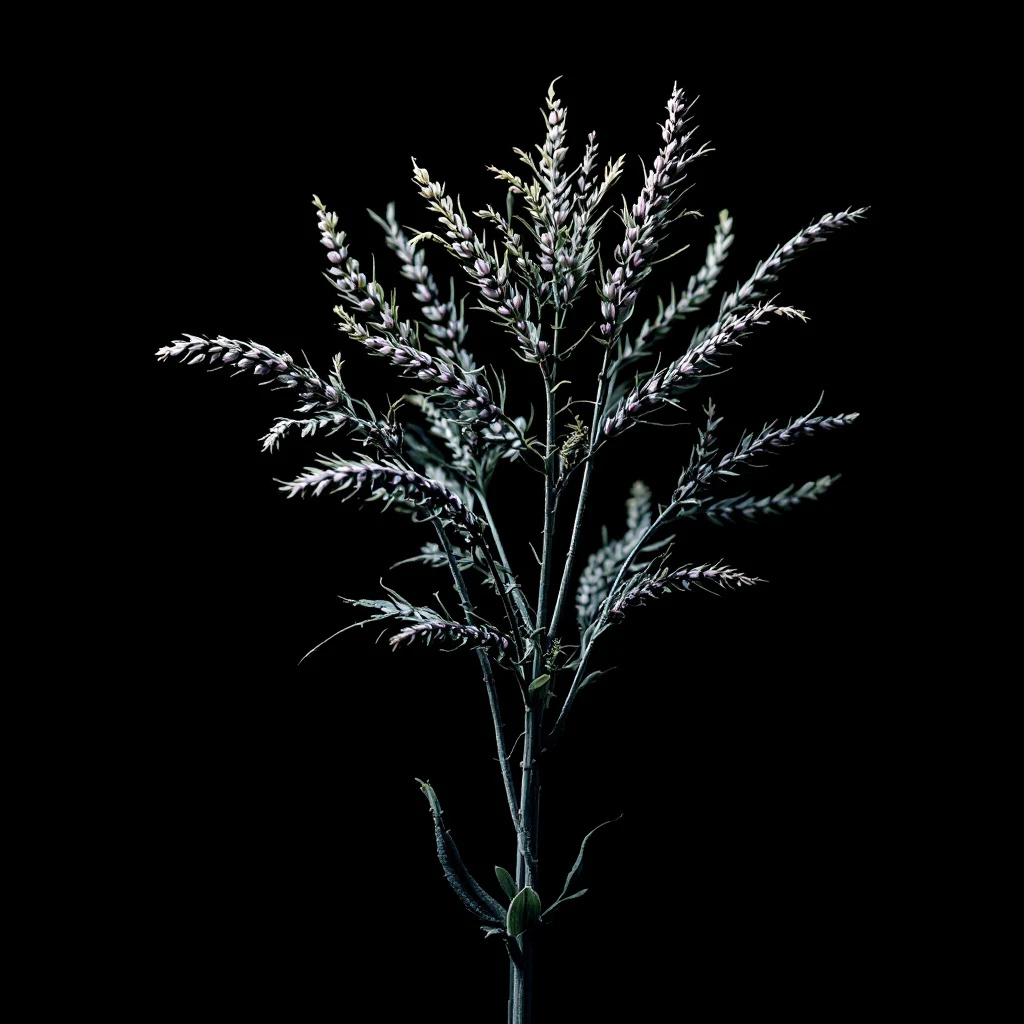
The riverbank spice root that anchored ancient perfume
Dwarf Calamus was likely an ingredient in Kyphi, ancient Egypt's most sacred incense and perfume blend burned at temple rituals.
Origin
India
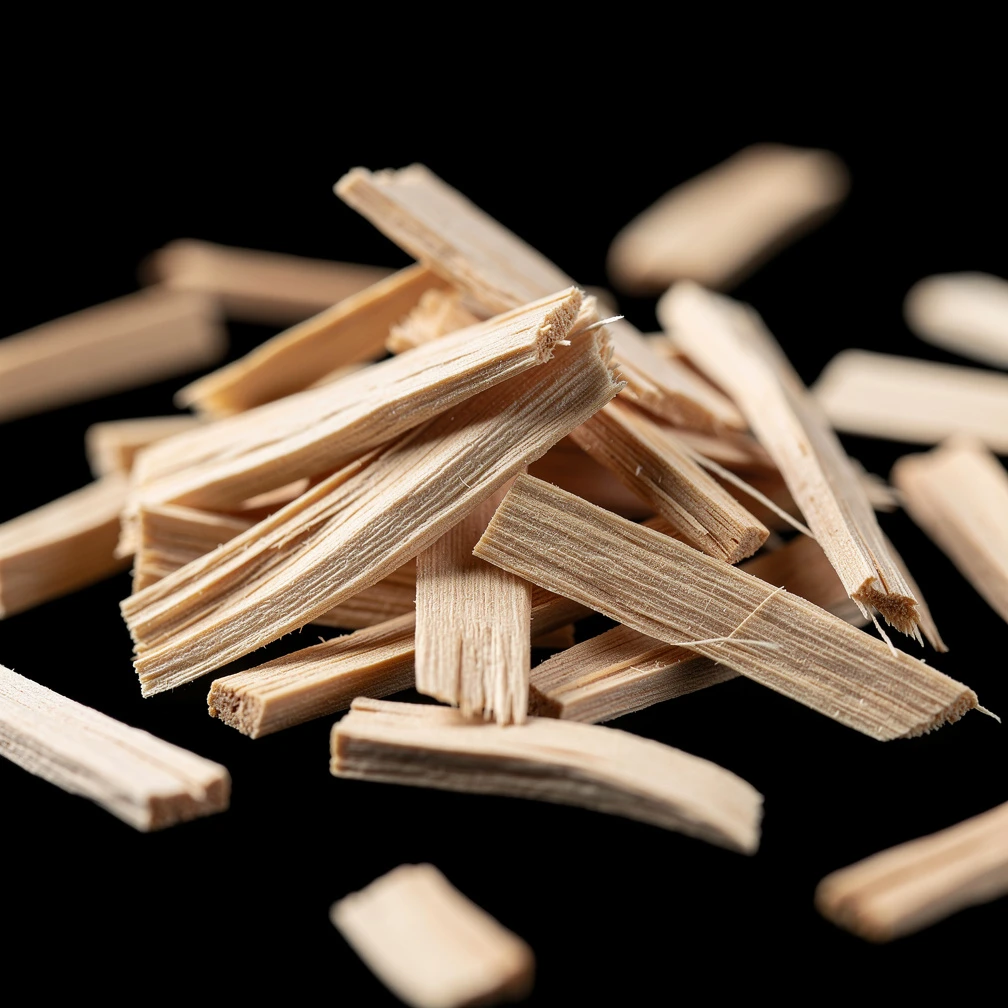
Calamus root carries one of the longest aromatic histories of any perfumery ingredient. Ancient Egyptians ground the dried rhizome into their sacred incense Kyphi, a complex blend burned in temples to honor Ra and prepare bodies for mummification. The Ebers Papyrus, dating to around 1550 BCE, lists calamus in medicinal preparations, while Greek and Roman physicians like Dioscorides documented its warming, digestive properties.
In Ayurvedic and traditional Chinese medicine, the root held status as a powerful tonic for the mind and voice, earning it names meaning 'tongue twister' and 'singer's root.' Native American tribes across the continent adopted the plant independently, using it in smudging rituals and as a fragrant stimulant. European perfumers in the 18th and 19th centuries prized calamus as a fixative, blending it into chypre and oriental compositions to ground volatile top notes.
The 1968 FDA ban on calamus oil in food and beverages due to beta-asarone content shifted its use almost entirely to external perfumery, where its rich, spicy profile continues to anchor artisan fragrances.
Wears it best
Fragrances featuring Dwarf Calamus
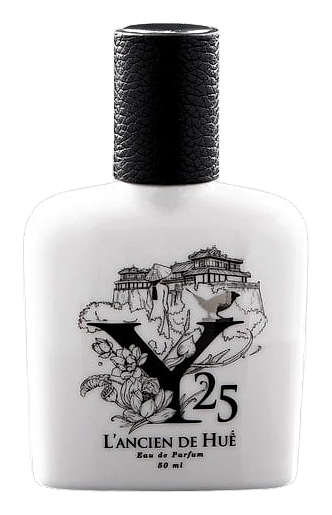
Brands
Brands known for Dwarf Calamus
Good to know
Questions, answered
The essentials on Dwarf Calamus in perfumery: how it smells, where it comes from, and how it behaves on skin.
What does Dwarf Calamus smell like?
Dwarf Calamus root oil offers a warm, spicy fragrance with green, marshy undertones rather than leafy sweetness. The scent carries hints of cinnamon, ginger, and dried herbs, grounded by a slightly medicinal earthiness. It reads as a spice market beside a riverbank.
Is Dwarf Calamus the same as Sweet Flag?
Yes, Dwarf Calamus and Sweet Flag both refer to Acorus calamus, though the dwarf variety (var. pusillus) produces a smaller plant with concentrated aromatic compounds. The essential oils share a similar spicy-green profile, though extraction yields may differ.
Why was Calamus banned in the US?
The FDA banned calamus oil in food and beverages in 1968 due to high beta-asarone content, a compound shown to cause tumors in animal studies. Its use in external perfumery remains legal and continues in fine fragrance compositions.
How is Calamus oil used in perfumery?
Calamus oil acts as a fixative and base-note anchor, extending the longevity of volatile top notes in chypre and oriental fragrances. Its warm, spicy character blends well with resins, woods, and tobacco accords, adding depth without sweetness.
What perfumes contain Calamus?
Calamus appears in several classic and niche compositions, including vintage formulations from the early 20th century and modern artisan blends. Independent perfumers favor it for its fixative properties and unique marshy-spice character that commercial alternatives cannot replicate.
Can Calamus oil be used in aromatherapy?
Calamus oil has a long history in aromatherapy for its grounding, warming qualities, though practitioners must source beta-asarone-free varieties for internal applications. Topical and inhalation uses remain common in traditional wellness practices.
What is the difference between Calamus and Orris root?
Calamus (Acorus calamus) and Orris (Iris pallida) serve as fixatives with similar functional roles but distinct scent profiles. Calamus smells spicy and marshy with warm undertones; Orris offers a softer, powdery violet note. Perfumers often layer both for complex bases.
Where does Dwarf Calamus grow?
Acorus calamus thrives in wetland habitats across the Northern Hemisphere, growing along riverbanks, marsh edges, and shallow streams. India remains a primary source for perfumery-grade rhizomes, with significant cultivation in the Himalayan foothills and northeastern states.