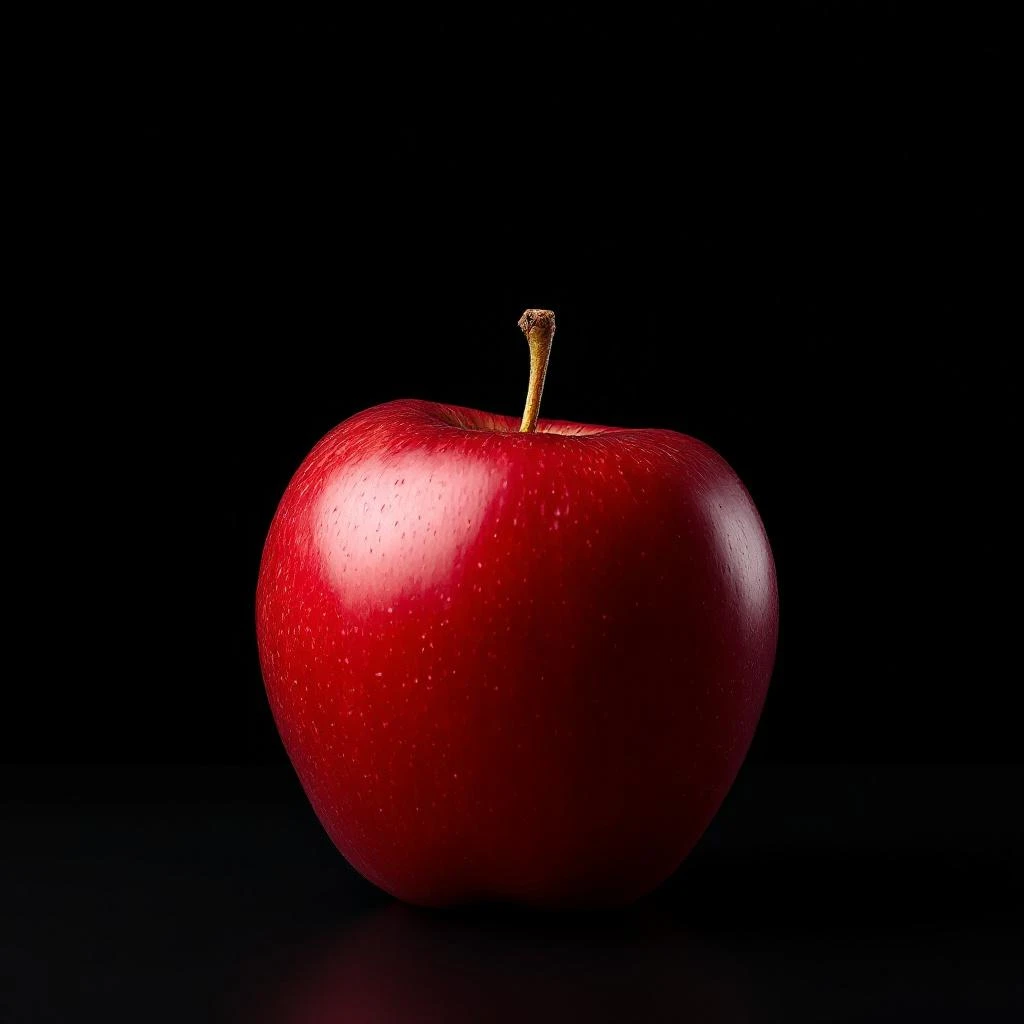
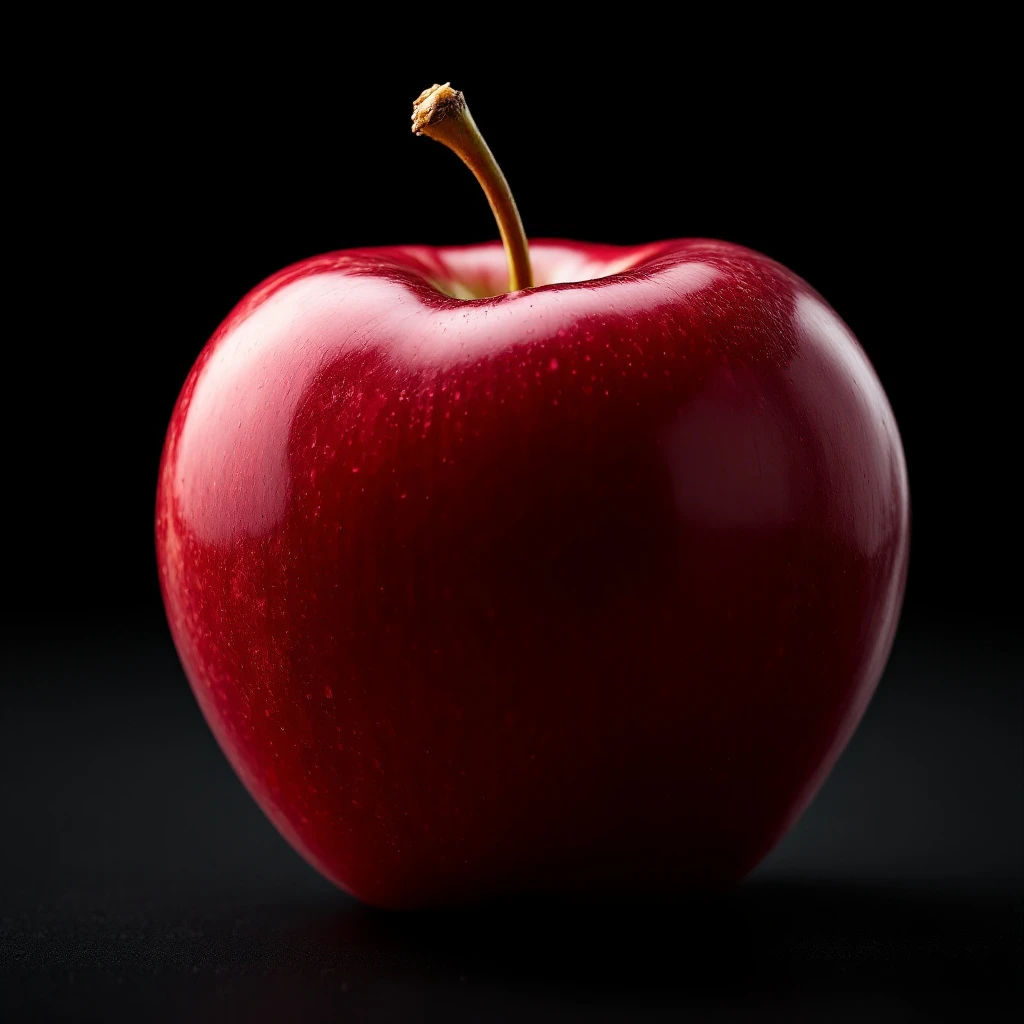
Gala Apple
Harvest-fresh and honeyed, Gala Apple brings sunlit sweetness to fragrance. Its mild, floral-fruity character captures the moment an apple breaks open in warm morning light.
Character
How it smells
Orchard sweetness, captured.
Gala apples bear Queen Victoria's name. A New Zealand breeder created this variety in 1939 by crossing Golden Delicious with a locally developed apple called Kidd's Orange Red.





Origin
New Zealand
Breeder J. H. Kidd developed the Gala apple in 1939 at his orchard near Wanganui, New Zealand.
The variety came from crossing Golden Delicious with Kidd's Orange Red, another locally bred apple. Kidd named his creation after Queen Victoria's estate in England. The apple reached commercial markets in 1960 and gradually became one of the world's most planted varieties.
Its mild sweetness and low acidity suited modern palates, and its compact size appealed to convenience-focused consumers. Today, Gala ranks among the top five most-grown apple varieties globally, providing the perfumer with a recognizable, beloved fruit character that reads instantly as fresh and wholesome.
Wears it best
Fragrances featuring Gala Apple

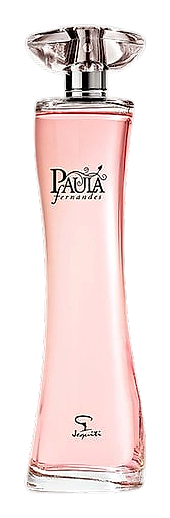
Brands
Brands known for Gala Apple
Good to know
Questions, answered
The essentials on Gala Apple in perfumery: how it smells, where it comes from, and how it behaves on skin.
Is Gala Apple a natural or synthetic ingredient in perfumery?
Gala Apple in perfumery is typically synthetic or nature-identical. Natural apple essence exists but lacks the stability and cost efficiency perfumers require. Synthetic versions precisely replicate the sweet, honeyed character that defines Gala apples.
What aroma compounds create Gala Apple's scent?
Esters like isoamyl acetate and aldehydes create the fruity, fresh character. These compounds mirror the apple's signature sweetness and slight floral quality that makes Gala distinct from tarter varieties.
Where does the Gala apple originate?
The Gala apple originated in New Zealand in 1939, developed by breeder J.H. Kidd near Wanganui. This origin gives it a Southern Hemisphere heritage that influenced its global spread to become one of the world's most widely planted apple varieties.
How does Gala Apple differ from other apple notes in fragrance?
Gala Apple offers milder sweetness compared to Red Delicious's winey depth or Granny Smith's tart crispness. Its honeyed, slightly floral quality makes it ideal for bright, approachable fragrances rather than sharp or intensely sour compositions.
What fragrance families use Gala Apple notes?
Fruity and fresh fragrances most commonly feature Gala Apple. It appears in bright florals, chypres, and modern woody compositions. The note works particularly well in women's and gender-neutral fragrances where its approachable sweetness creates an inviting opening.
Can Gala Apple be extracted directly from the fruit?
Direct extraction from Gala apples is technically possible but impractical. The process yields an unstable essence with limited shelf life. Perfumers prefer synthesizing nature-identical compounds that deliver consistent aroma across batches.
What role does Gala Apple play in fragrance composition?
Gala Apple typically functions as a heart note that provides fruity brightness and approachability. It bridges top notes with deeper base elements, creating a fresh, contemporary character that appeals to modern fragrance preferences.
How long has apple been used in perfumery?
Apple has appeared in perfumery for centuries, though primarily through synthetic recreation since the late 19th century. Ancient perfumers used actual fruit but lacked technology to isolate specific aroma compounds effectively. Gala Apple specifically entered perfumery vocabulary in the late 20th century.