Forsythia
Forsythia brings a green, honeyed brightness to perfumery, its delicate floral whisper rarely captured from the living plant. Most aromatic versions arrive through synthetic reconstruction, since the flower's fleeting nature resists traditional extraction.
Character
How it smells
Spring's first golden bloom, bottled in scent
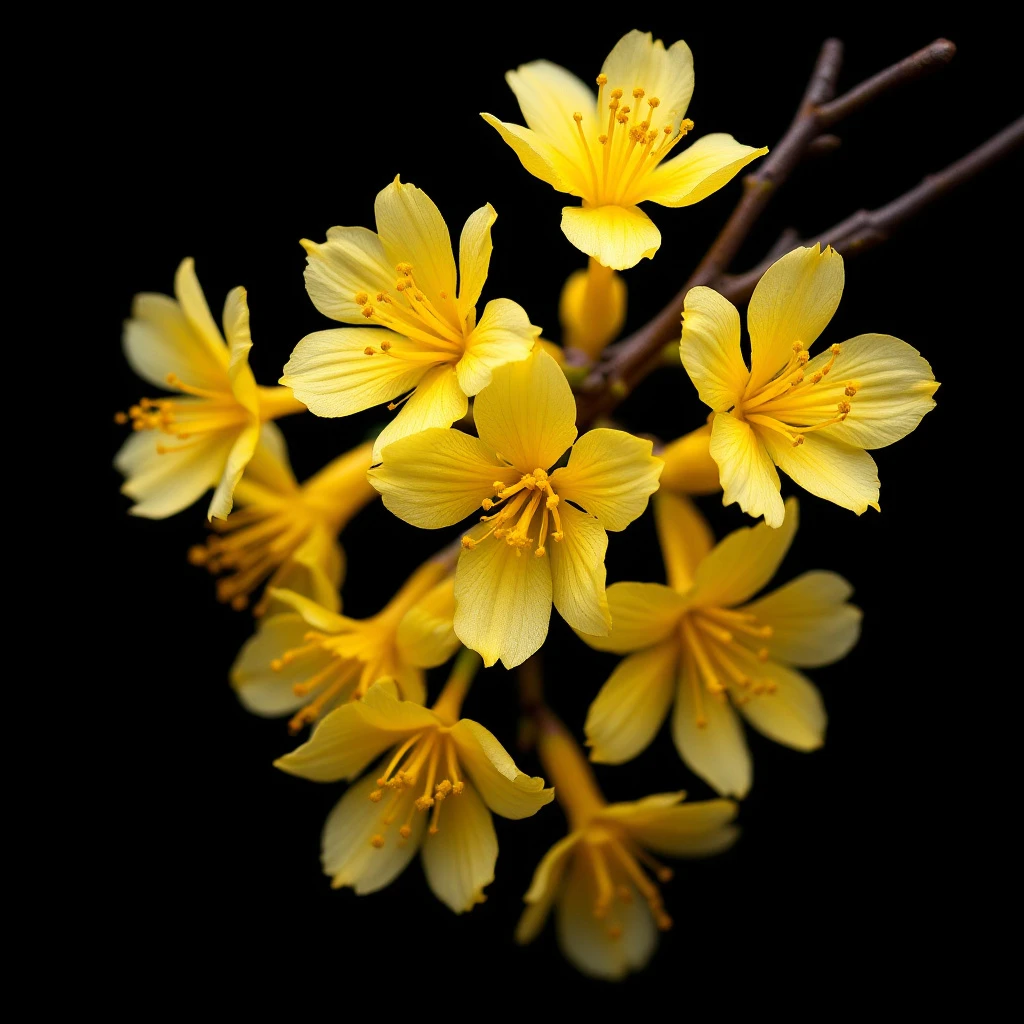
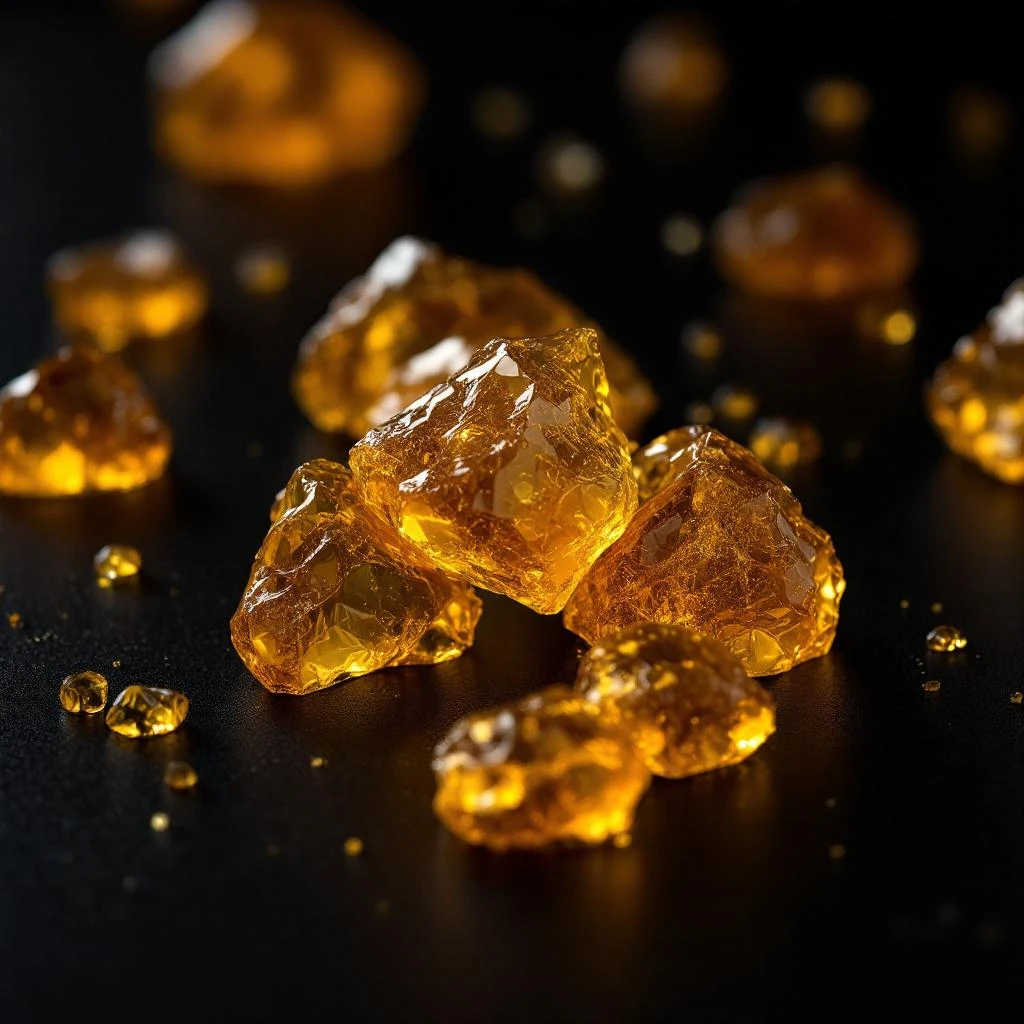
Forsythia blooms before its leaves appear, making it one of the earliest flowering shrubs and a traditional signal of spring in East Asia.



Origin
China
Forsythia carries deep cultural weight in East Asia, where it has bloomed in gardens, poems, and traditional medicine for centuries. The shrub itself was named by botanist Carl Peter Thunberg in 1784 after William Forsyth, a Scottish botanist and founding member of what became the Royal Horticultural Society.
In traditional Chinese medicine, the dried fruit of Forsythia suspensa, known as lian qiao, has been used since at least the Tang dynasty to address heat and inflammation, appearing in classical pharmacopeias centuries before its flowers caught the attention of European botanists. The plant arrived in Europe and North America primarily as an ornamental, prized for the explosive golden display that signals winter's end.
Its entry into perfumery came later and remains tentative. Because the flower's natural fragrance is so ephemeral, forsythia appears more often as a creative inspiration than a documented perfumery ingredient, with synthetically built accords paying homage to a scent that nature rarely allows us to bottle.
Wears it best
Fragrances featuring Forsythia
Brands
Brands known for Forsythia
Good to know
Questions, answered
The essentials on Forsythia in perfumery: how it smells, where it comes from, and how it behaves on skin.
What does forsythia smell like in perfumery?
Forsythia offers a light, green-honeyed floral scent with subtle watery freshness. Because natural extraction is impractical, perfumers build this note from synthetic aroma chemicals that approximate the flower's delicate, airy character rather than replicate it precisely.
Is forsythia a common perfume ingredient?
Forsythia remains uncommon in mainstream perfumery. The flower's volatile compounds degrade within hours of harvest, making commercial extraction nearly impossible, so most formulations either skip the note or rely on synthetic reconstructions.
Why is forsythia difficult to extract as a natural fragrance?
The flowers wilt within hours of picking, and their delicate scent molecules break down under heat. Steam distillation destroys the aroma compounds, while solvent extraction requires enormous quantities of fresh petals for negligible yields.
What is forsythia traditionally used for?
Beyond ornamental gardens, Forsythia suspensa fruit has served traditional Chinese medicine since at least the Tang dynasty, used in classical herbal formulas addressing heat and inflammation under the name lian qiao.
Where does forsythia originally come from?
Forsythia suspensa originates in China, where it grows wild across mountainous regions. The shrub spread to Europe in the 19th century as an ornamental plant, named after Scottish botanist William Forsyth by Carl Peter Thunberg in 1784.
Are there natural perfumes that feature real forsythia?
A handful of niche natural perfumers use enfleurage, layering fresh blossoms onto odorless fat, to capture forsythia's scent. These rare editions remain costly and limited due to the labor-intensive process and minimal yields.
What synthetic ingredients recreate forsythia's scent?
Perfumers commonly combine linalool for floral softness, phenylacetaldehyde for honeyed sweetness, and select lactones for green luminosity. These compounds approximate forsythia's bright, slightly aqueous character in modern formulations.
When does forsythia bloom?
Forsythia flowers in late winter or early spring, often before its leaves emerge. This early bloom made it a traditional herald of spring in East Asian gardens, celebrated in poetry for its vivid yellow display against bare branches.