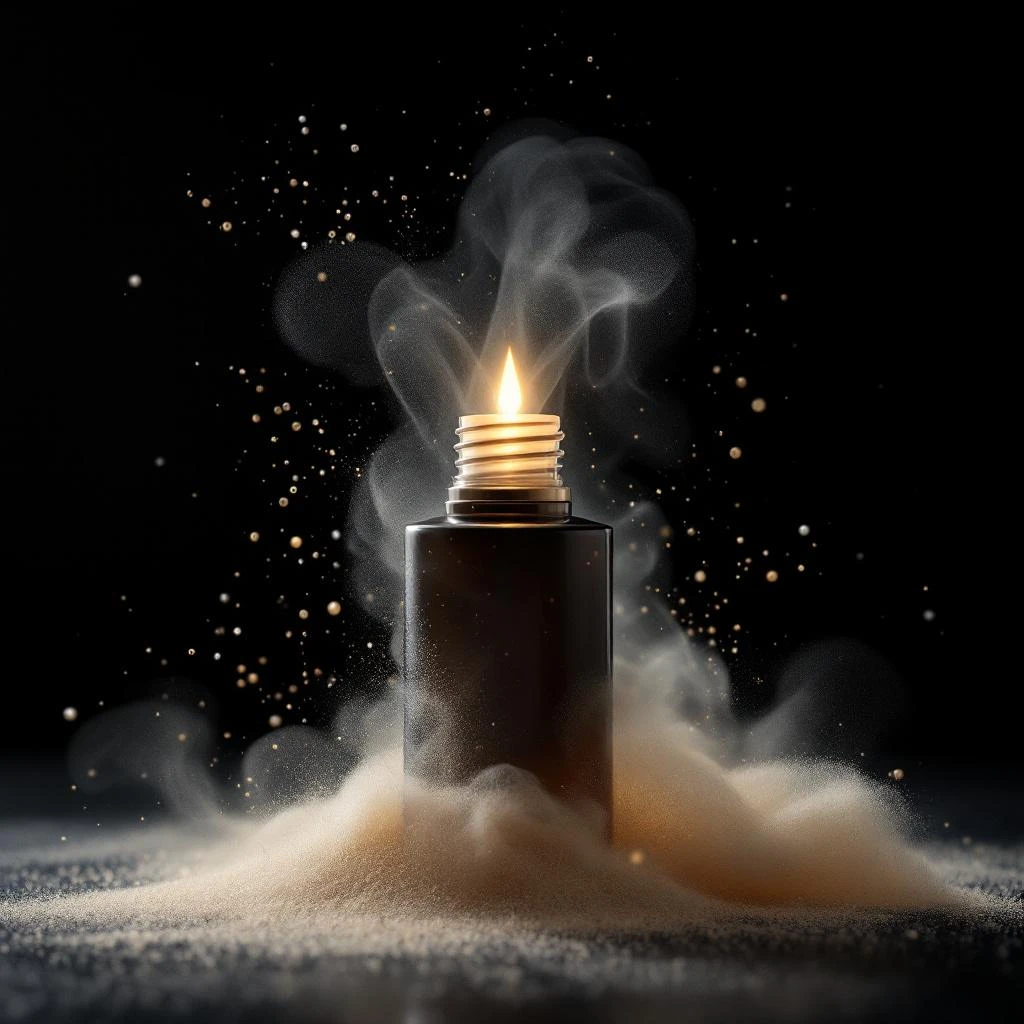
Floral Musk
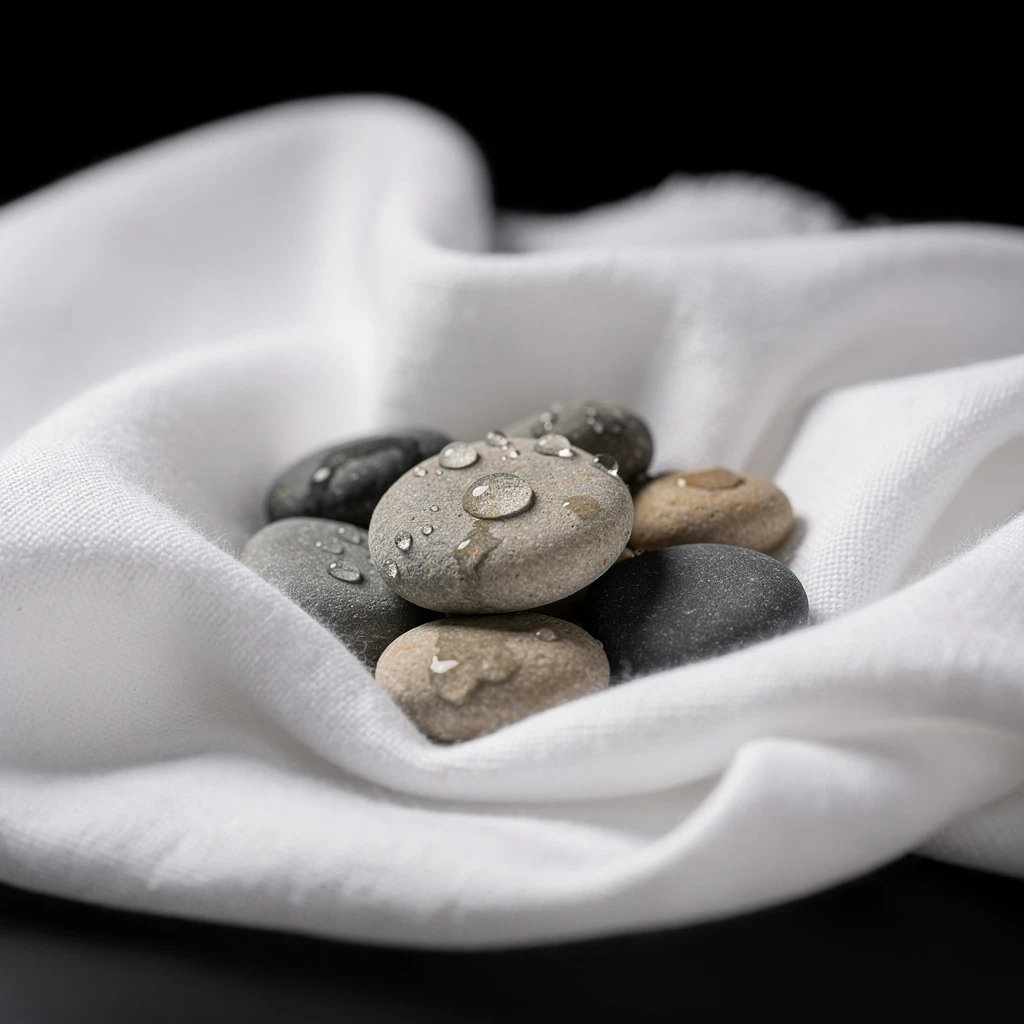
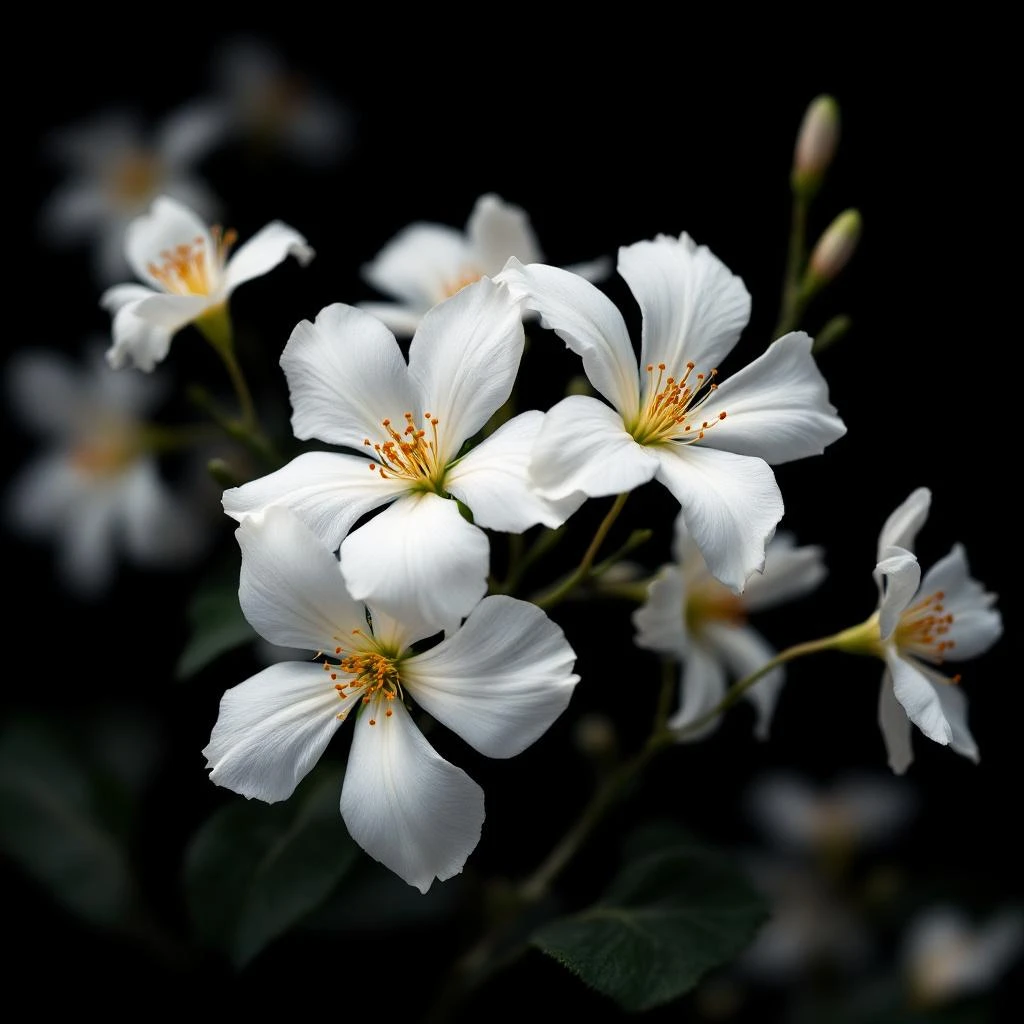
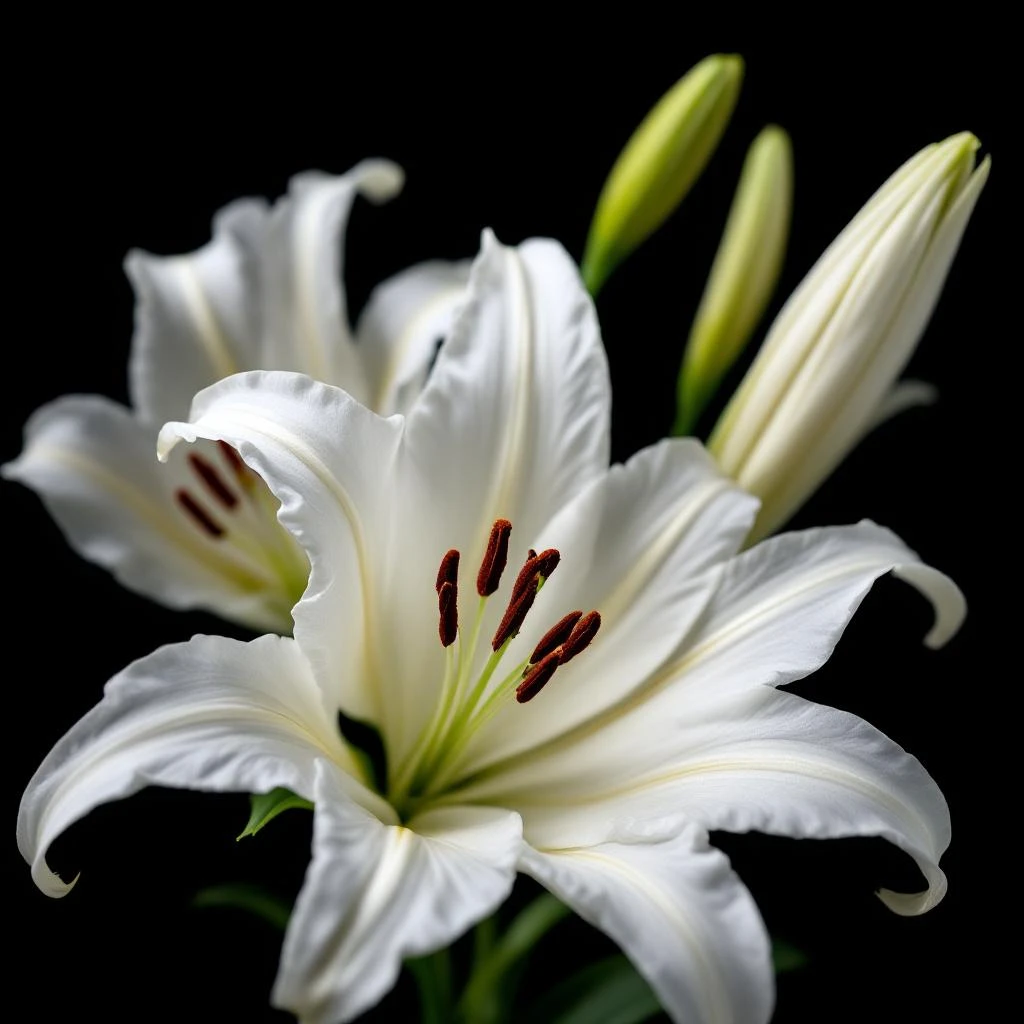
Floral musk marries the softness of blooming petals with the warm, skin-like intimacy of musk. It lingers like a whisper on fabric, both comforting and quietly magnetic.
Character
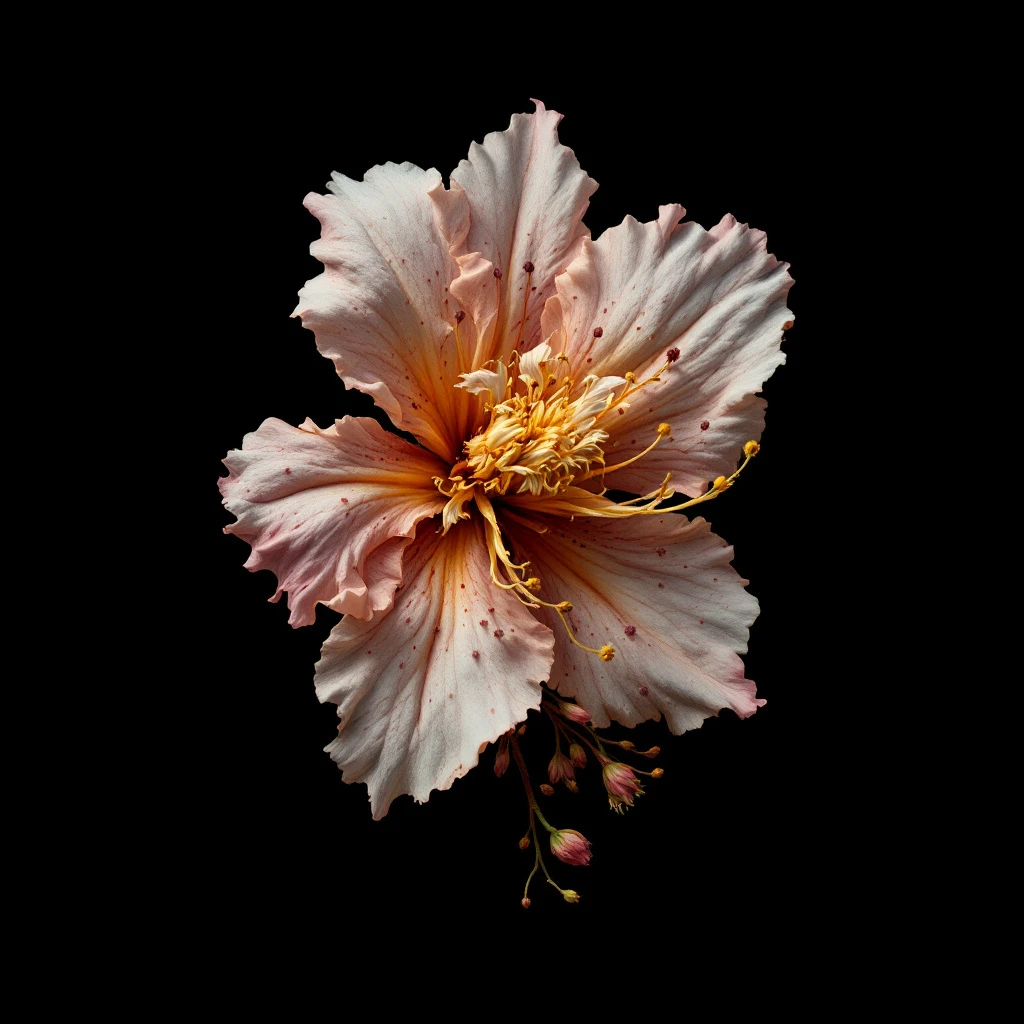
How it smells
Petals wrapped in second skin
White musk molecules were first synthesized in the 1880s, ending centuries of reliance on the musk deer.
Origin
Switzerland
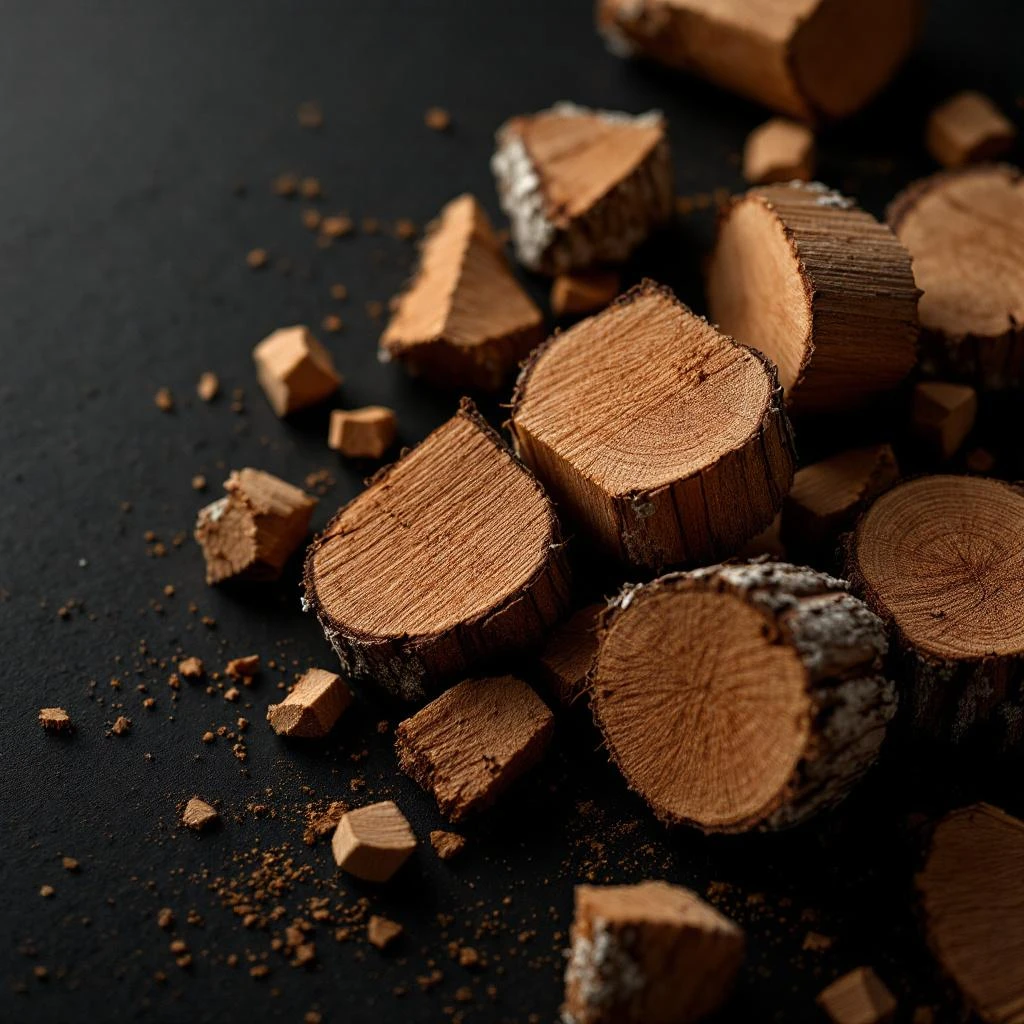
Musk carries one of the most dramatic origin shifts in perfumery. For centuries, genuine musk came only from the pod of the male musk deer, a secretion so potent that dried pods commanded prices rivaling gold. By the late 1800s, chemists had cracked the structure, and in 1888, Albert Baur synthesized the first artificial musk, nitro musk, at Bayer.
White musks followed in the 1950s, offering cleaner, more radiant profiles. Floral musks as a category crystallized in the late twentieth century, when perfumers began building entire compositions around the interplay between luminous florals and soft synthetic bases. The accord became a cornerstone of so-called clean skin scents, a genre that prizes subtlety over projection.
Today it remains one of the most universally wearable structures in modern fragrance, valued for its ability to smell personal rather than performative.
Wears it best
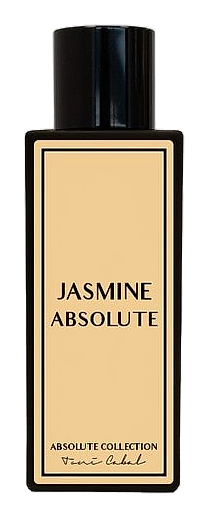
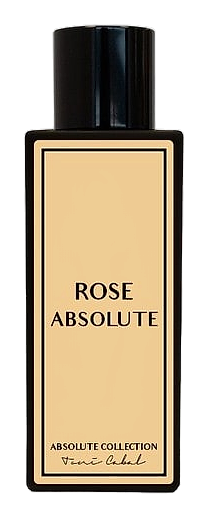
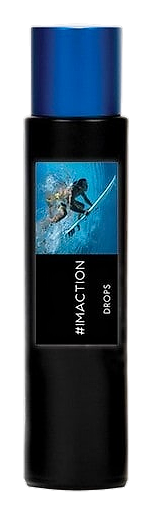
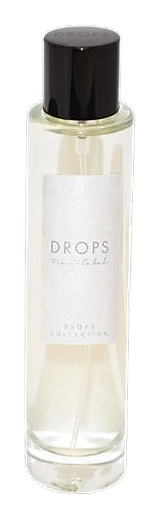
Fragrances featuring Floral Musk
Brands
Brands known for Floral Musk
Good to know
Questions, answered
The essentials on Floral Musk in perfumery: how it smells, where it comes from, and how it behaves on skin.
What does floral musk actually smell like?
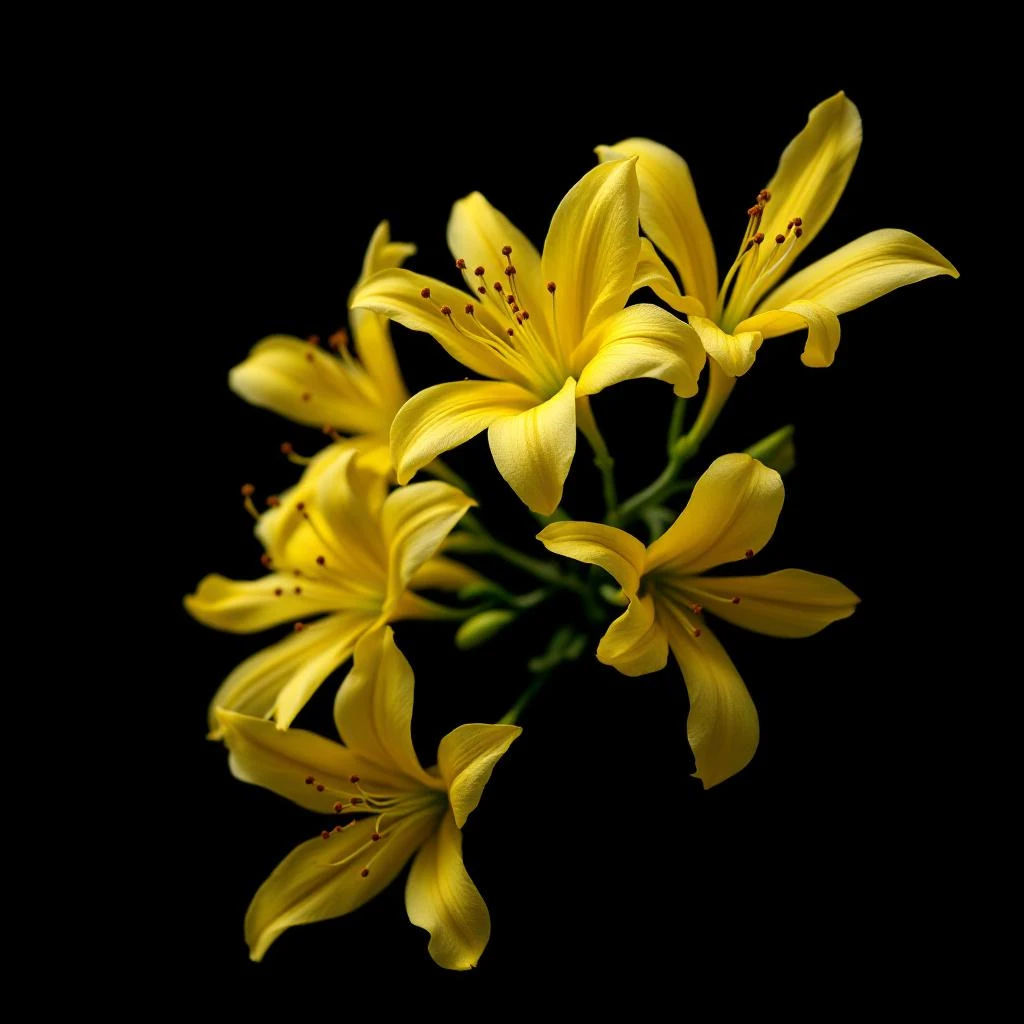
Floral musk smells like soft, creamy petals blended with a warm, skin-like softness. The florals provide a recognizable bloom, rose, jasmine, or peony, while the musk underneath creates a clean, almost soapy warmth. It reads as intimate rather than loud.
Is floral musk a natural ingredient?
Floral musk is a constructed accord, meaning it combines natural floral extracts with synthetic musk molecules. The florals may be natural, but the musk component is almost always lab-made today, since animal musk was banned under CITES in 1979.
Why is musk used in so many perfumes?
Musk functions as a fixative, slowing the evaporation of lighter top notes and extending a fragrance's longevity on skin. Modern white musks like Galaxolide can anchor an entire composition while adding a soft, comforting base.
Is floral musk the same as white musk?
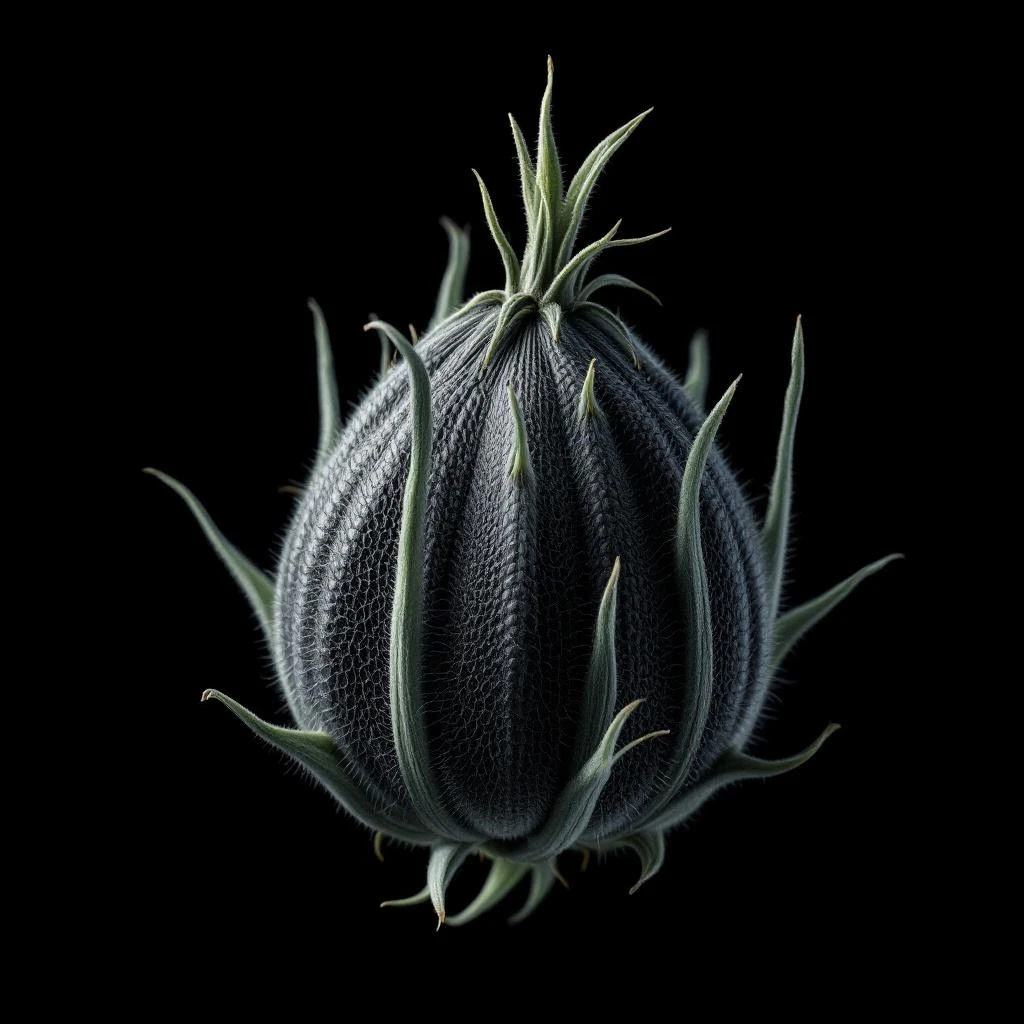
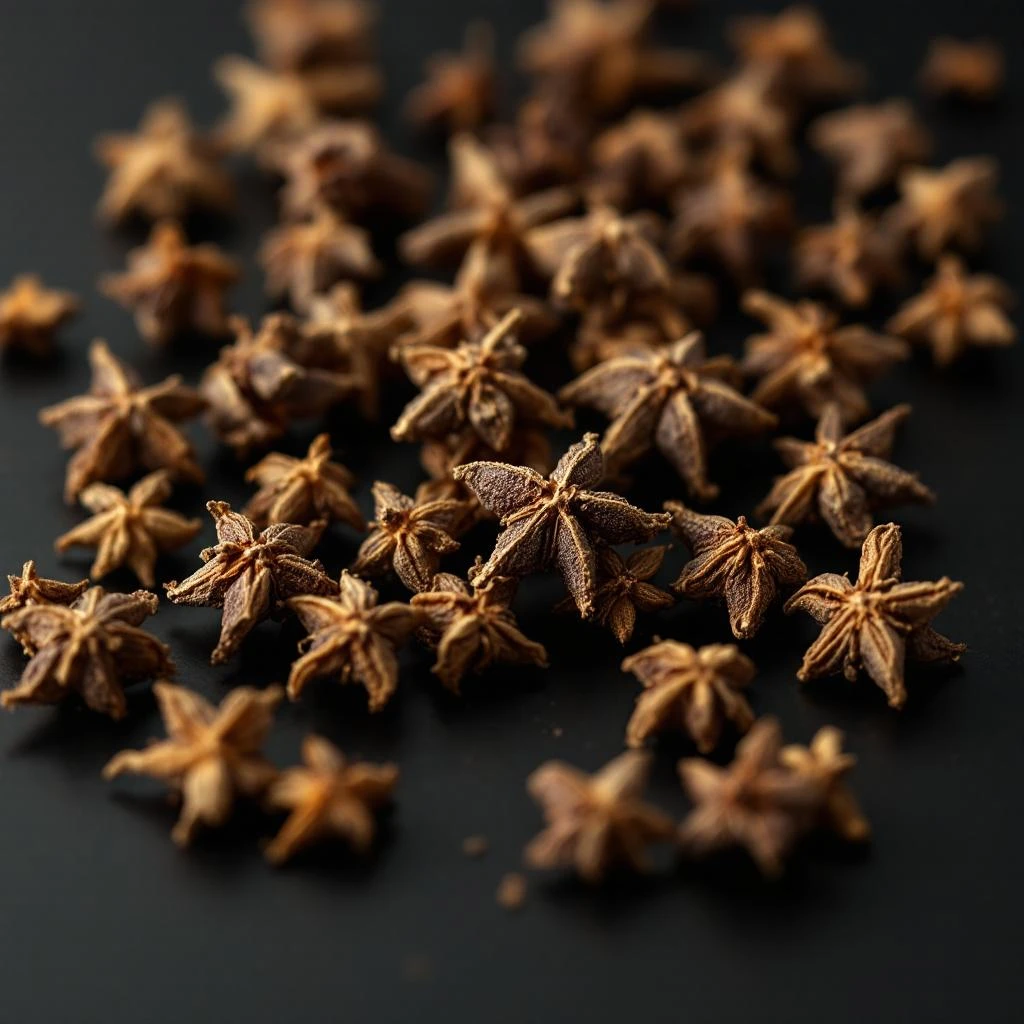
Not exactly. White musk refers specifically to the clean, synthetic musk molecules developed in the 1950s. Floral musk is a broader category describing any fragrance that pairs musk with floral notes, sometimes using natural ambrette seed instead of synthetics.
Can floral musk trigger allergies?
Some synthetic musks, particularly older nitro musks, were restricted due to photosensitivity concerns. Modern polycyclic and macrocyclic musks used today have far better safety profiles, though anyone with fragrance sensitivity should patch-test first.
Which perfumes best showcase floral musk?
Clean skin-focused fragrances tend to highlight this accord. Look for compositions where rose, jasmine, or peony sits over a sheer musky base rather than heavy woods or resins.
How long does floral musk last on skin?
Thanks to the fixative properties of musk molecules, floral musk accords typically last six to ten hours on skin, with the floral top notes fading first and the musky drydown lingering longest.
Is floral musk considered masculine or feminine?
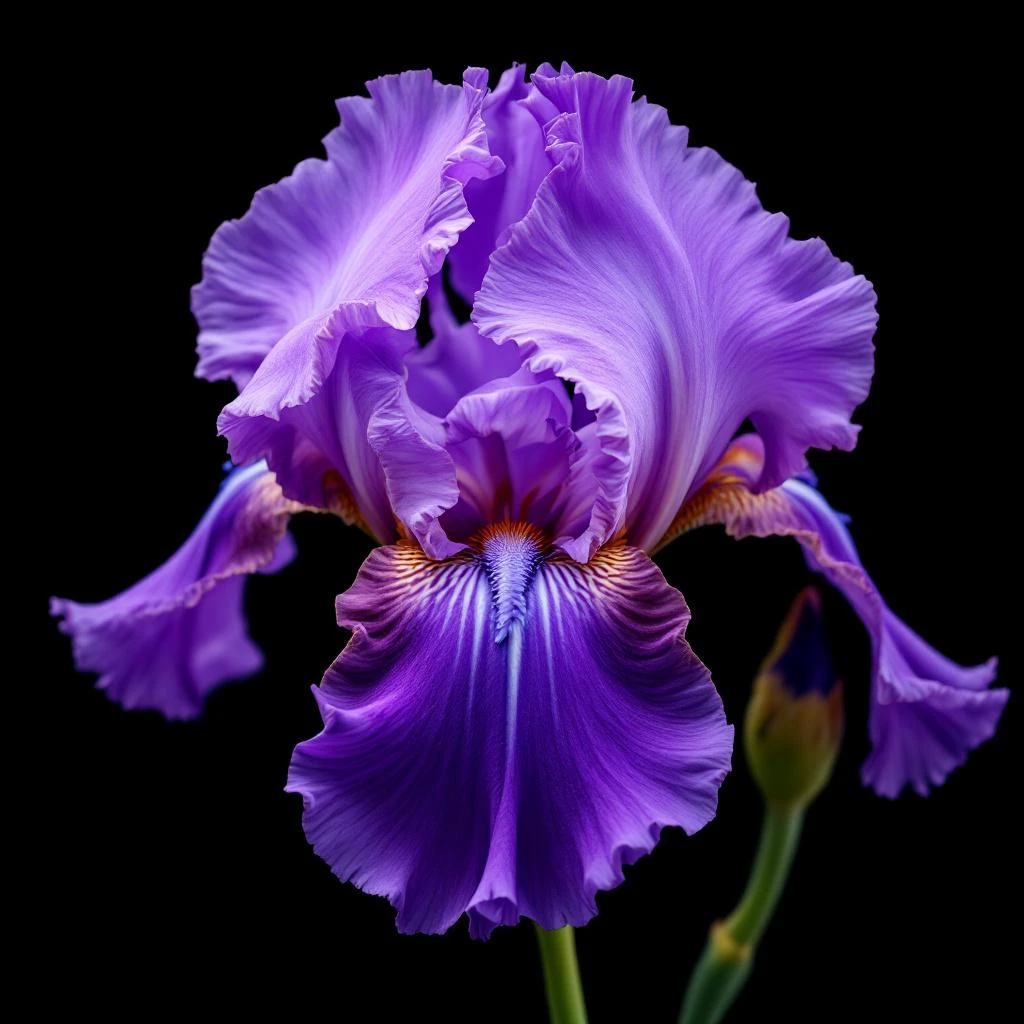
Neither, really. The soft, skin-like quality of musk is gender-neutral, and floral pairings simply shift the character. Peony reads traditionally feminine, while iris or neroli over musk often leans toward shared or masculine territory.