Fir Cone
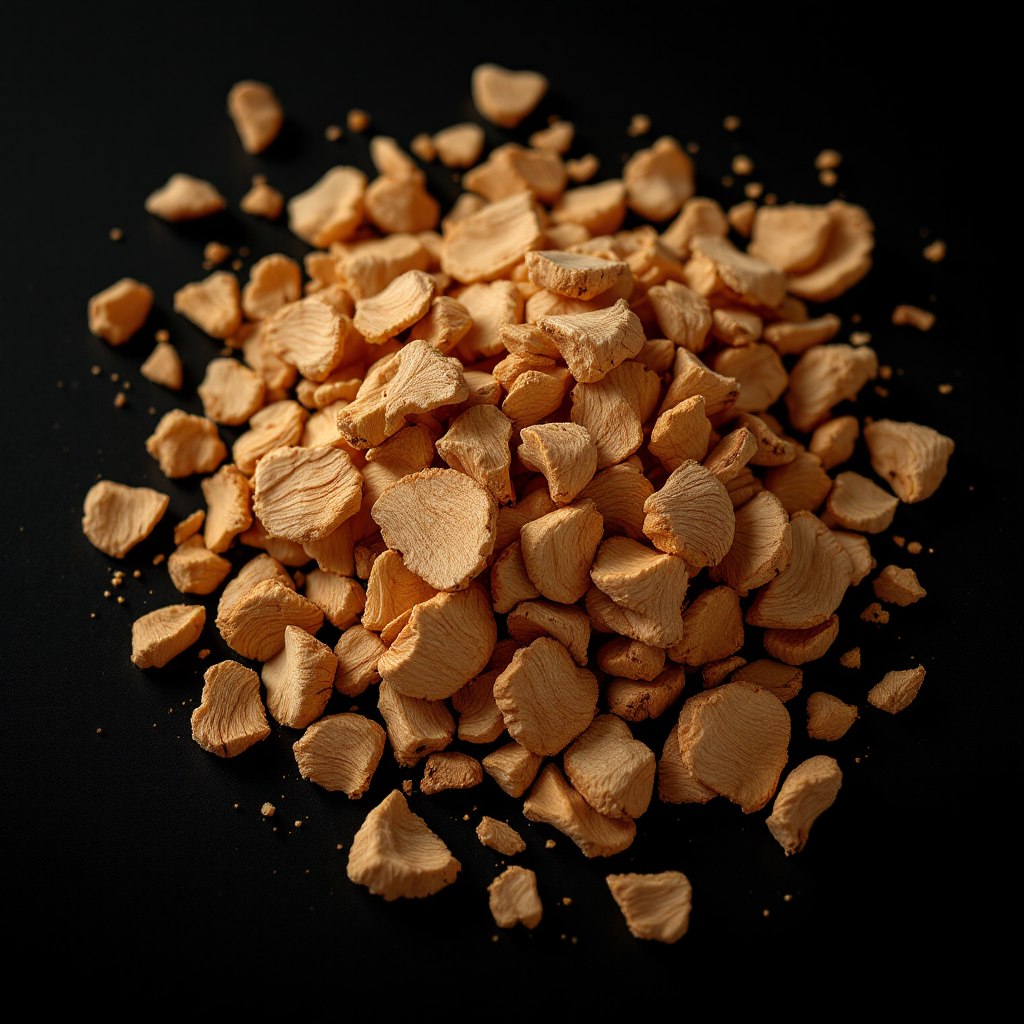
A crisp, living forest captured in a bottle. Fir cone absolute brings the sharp, resinous bite of evergreen forests and cold mountain air into fragrance.
Character
How it smells
Crisp as a mountain morning
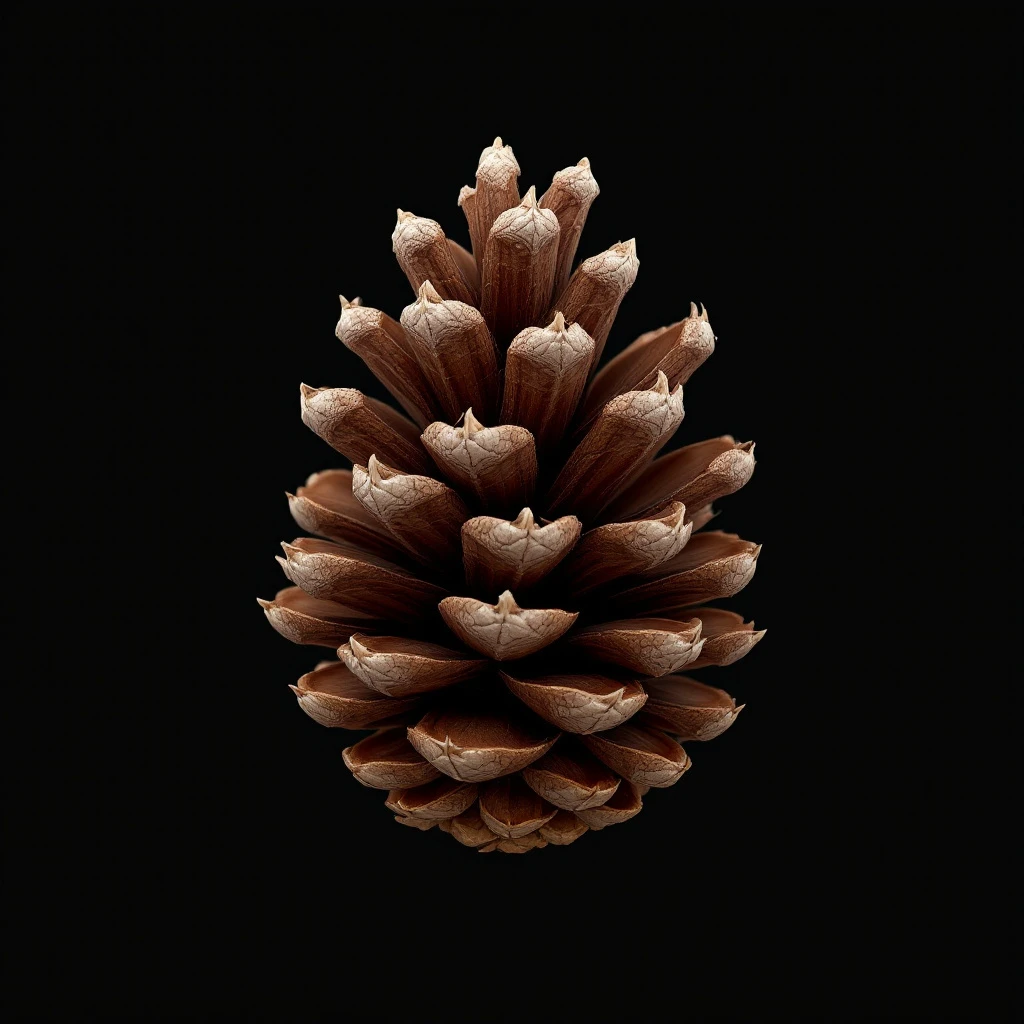
Pine nuts, the edible seeds hidden inside certain fir cones, have been a food source across cultures for over 6,000 years.






Origin
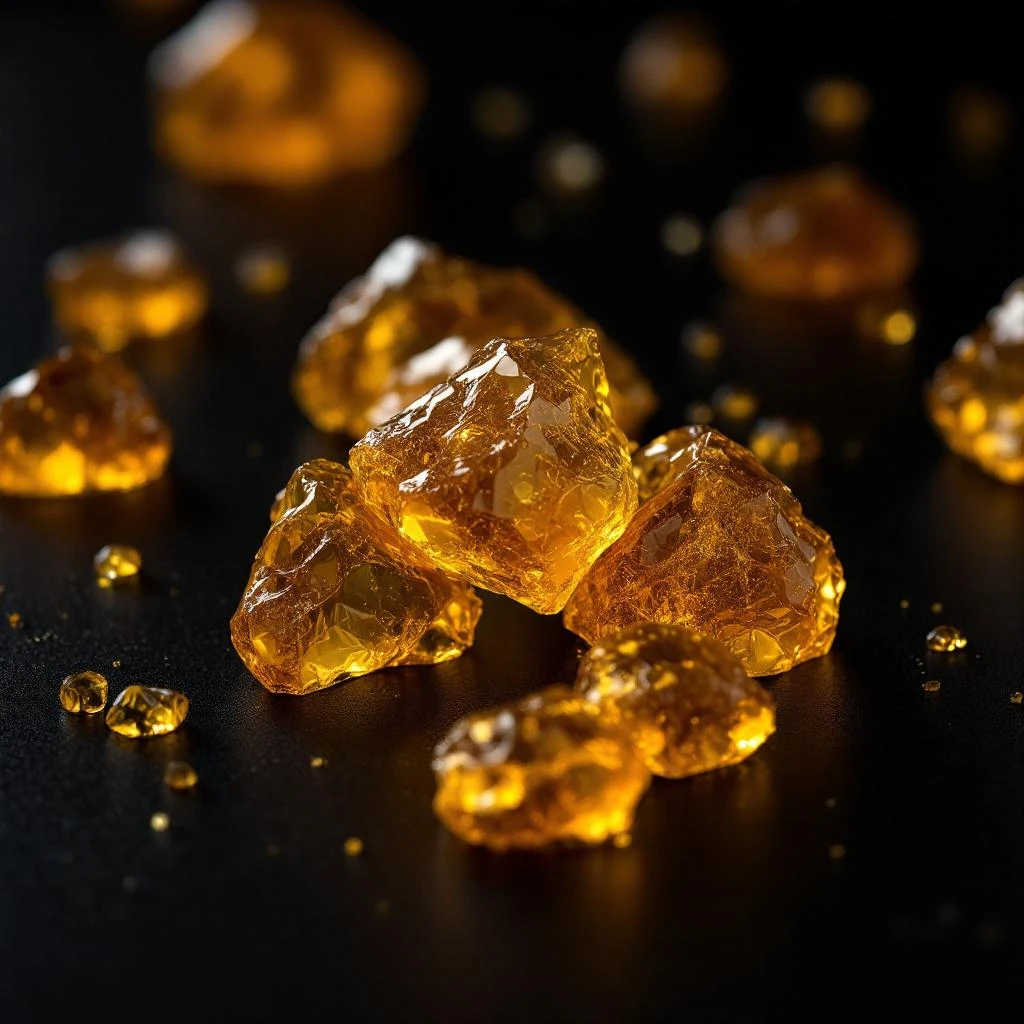
Canada
Fir trees have been woven into human culture for thousands of years. Ancient Europeans burned fir needles and resin as incense in sacred rituals. North American Indigenous peoples used fir balsam in medicinal preparations, valueing its antiseptic and respiratory properties.
The tree entered perfumery during the late 19th century, when aromatic extraction techniques became more sophisticated. Early 20th-century perfumers discovered that fir needle oil delivered an immediate, photorealistic forest impression that synthetic materials could not yet replicate. From the 1970s onward, fir became a staple in masculine and chypre compositions, prized for its ability to evoke open landscapes.
Today, it remains one of the most recognizable natural coniferous notes in modern perfumery.
Wears it best
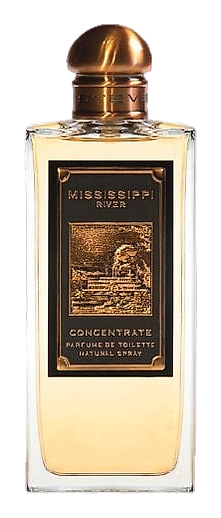
Fragrances featuring Fir Cone
Brands
Brands known for Fir Cone
Good to know
Questions, answered
The essentials on Fir Cone in perfumery: how it smells, where it comes from, and how it behaves on skin.
What does fir smell like in perfume?
Fir needle oil smells sharp, fresh, and resinous with a distinct coniferous character. Expect green, slightly camphorated top notes and a dry, woody drydown. Balsam fir varieties add subtle vanilla-like warmth. The scent consistently evokes evergreen forests and cold, crisp mountain air.
What does fir pair well with in fragrance?
Fir needle oil combines exceptionally well with citrus notes like bergamot and lemon, creating bright forest accords. It anchors spicy undertones from juniper and cardamom, and grounds sweet ambers and vanillas in masculine bases. In forest chypres, it partners with oakmoss and patchouli for layered green depth.
Is fir a sustainable perfume ingredient?
Wild-harvested fir needle oil is generally considered sustainable when sourced from managed natural forests. Plants grow back rapidly, and harvesting needles does not damage trees. Certification programs and traceability standards help ensure responsible sourcing. Most major producers operate under sustainable forestry guidelines.
What fragrance families use fir note?
Fir appears most frequently in masculine fragrances, forest-inspired scents, and chypre compositions. It also features in some aromatics and fougère fragrances. Unisex and even feminine perfumes occasionally use fir as a surprising top note or atmospheric bridge element in modern contextual fragrances.
Where does high-quality fir note come from?
Canada produces significant volumes of fir needle oil, particularly from Quebec and Alberta. Siberia supplies large quantities of Siberian fir (Abies sibirica). Austria and France produce European silver fir (Abies alba) oil. Cold-climate species generally yield oil with sharper, more complex aromatic profiles.
What are the main fir species used in perfumery?
Three species dominate commercial production. Abies balsamea (balsam fir) offers warm, vanilla-adjacent resinous notes. Abies sibirica (Siberian fir) provides sharp, clean coniferous character. Abies alba (European silver fir) delivers classic, slightly sweet evergreen scent. Each species produces detectably different aromatic profiles.
Does fir note come from the cones or the needles?
Most commercial fir needle oil is steam distilled from needles and young twigs, not the cones themselves. The cones contribute their own character when fir absolute is produced via solvent extraction, but this is less common. The needles deliver the recognizable sharp, green coniferous note most associated with fir in perfumery.
Can you tell real fir note from synthetic alternatives?
Natural fir needle oil contains dozens of trace compounds beyond its primary aromatic marker, bornyl acetate. Synthetic fir-smelling molecules like verth Berneux can approximate the primary scent but lack that natural complexity. Trained evaluators detect the difference through subtle undertones, slight variations in the terpenic profile, and a more nuanced drydown in natural versions.