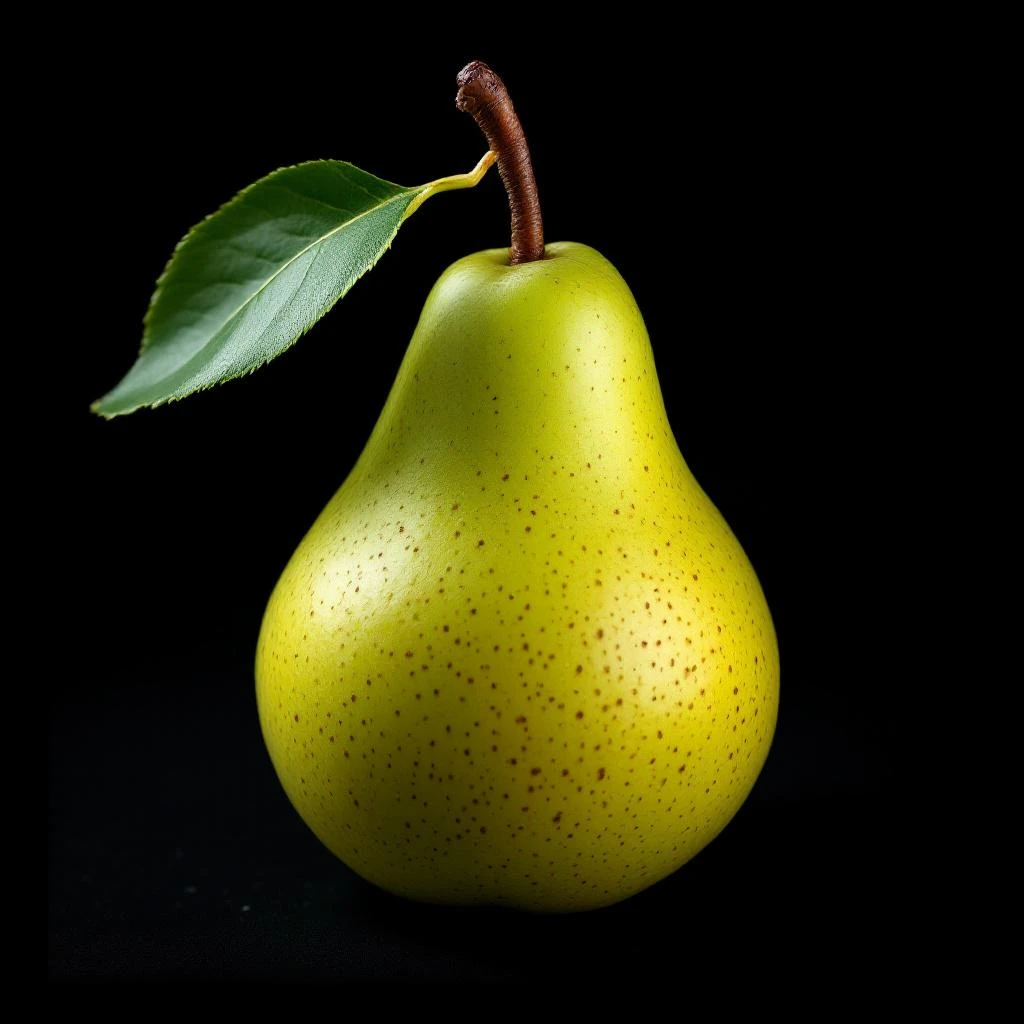
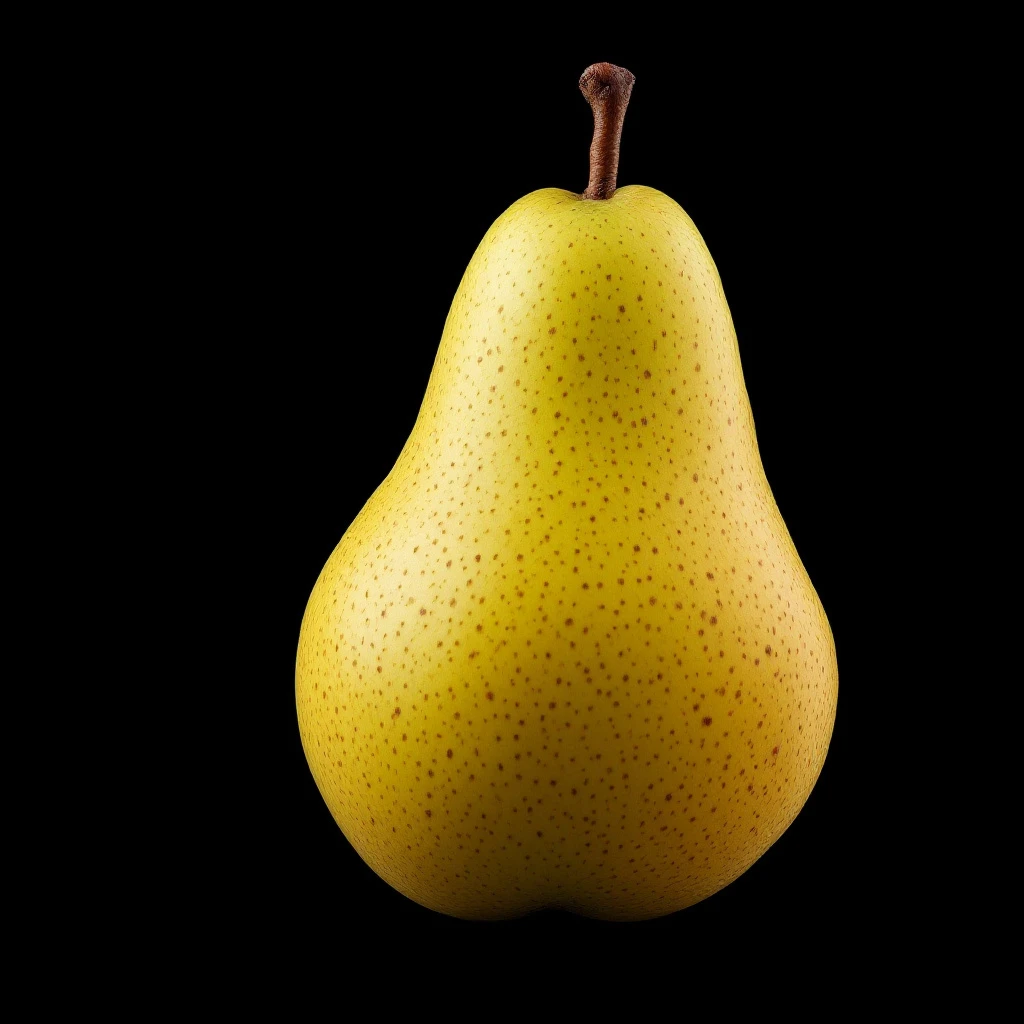
English Pear
Crisp orchard pear with a juicy opening, soft sweetness and a clean leafy finish. English Pear adds luminous freshness to modern fragrances.
Character
How it smells
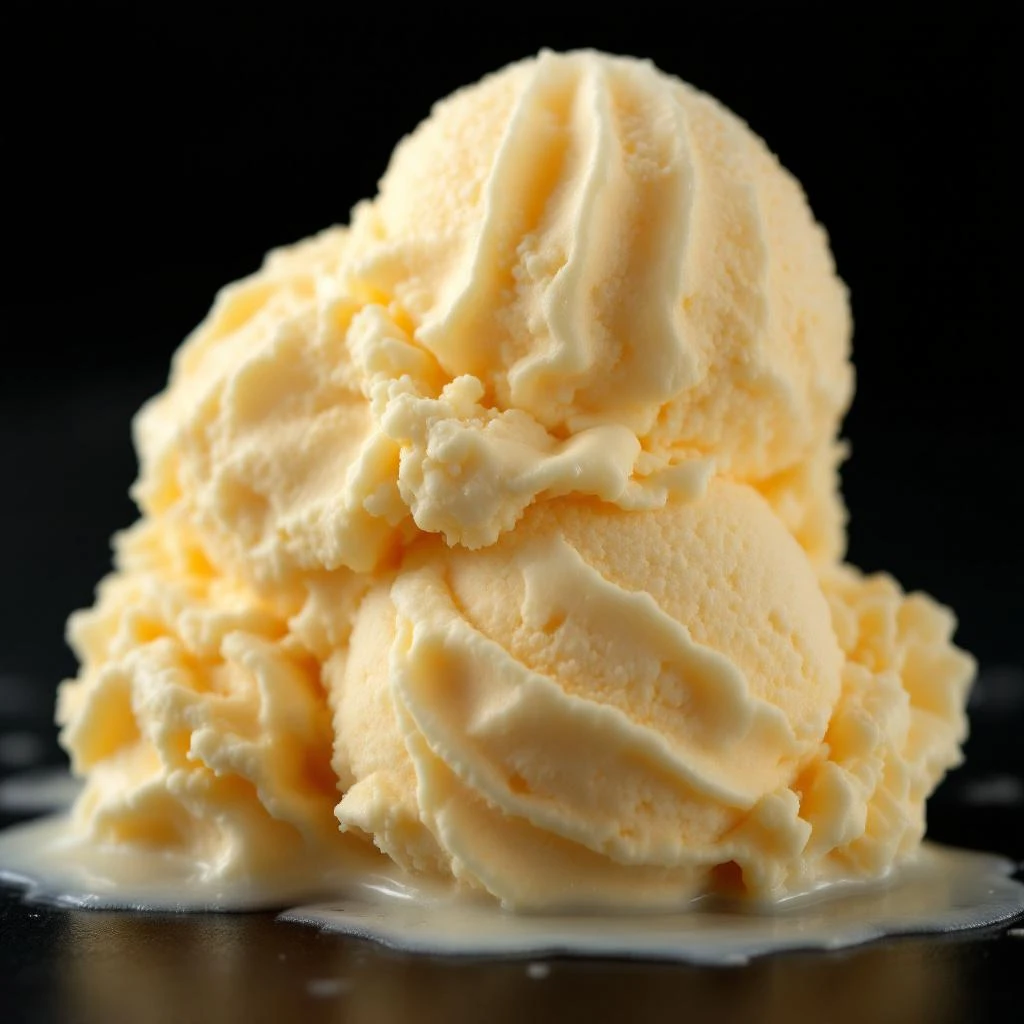
Juicy, crisp and effortlessly fresh.
Pear has no naturally obtainable essential oil, so perfumers recreate its characteristic fruit profile with carefully selected aromatic molecules.



Origin
China
Pear has long been valued as a fresh fruit scent in the history of perfumery, although its modern fragrance representation depends largely on laboratory-created aroma chemicals rather than pear essential oil. Pears belong to the Rosaceae family and have been cultivated across Europe and Asia for centuries, giving perfumers a familiar model for describing notes such as orchard fruit, juicy flesh and green leaves.
Fruit scents became especially useful in modern perfumery as formulators combined natural extracts with synthesized molecules to reproduce consistent, durable profiles. The late arrival of aldehydes in the early 20th century also helped create bright, sparkling fruit effects that pear accords often support.
Today, English Pear usually signals freshness and clean sweetness, working as an opening note or part of a modern fruit-floral composition. Its history is therefore less a story of a single ancient extraction method and more a record of agricultural familiarity joined with modern aromatic chemistry.
Wears it best
Fragrances featuring English Pear
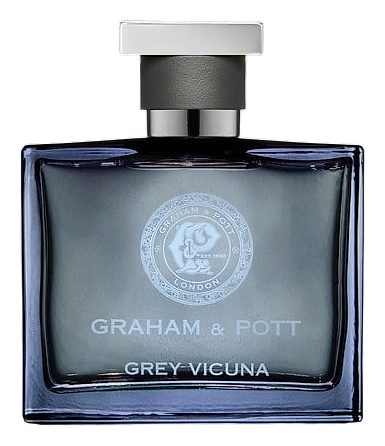
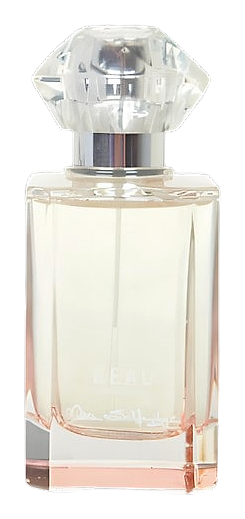
Brands
Brands known for English Pear
Good to know
Questions, answered
The essentials on English Pear in perfumery: how it smells, where it comes from, and how it behaves on skin.
What does English Pear smell like in perfume?
English Pear usually smells juicy, crisp and lightly sweet, often with green leaves and a clean finish. Its fresh fruit character can resemble a ripe pear sliced open in cool air.
Is English Pear made from real pears?
It can include pear-derived extracts, but pear essential oil is not practically obtained in commercial perfumery. Most of its recognizable pear effect comes from selected aromatic molecules made in a laboratory.
What type of fragrance note is English Pear?
English Pear is generally treated as a fresh fruit note, often placed among the top notes because it gives a fragrance an immediate impression. It can also appear in lighter fruit-floral compositions.
Does English Pear smell the same as eating a pear?
Not exactly. A perfume pear note is usually cleaner, brighter and more polished than the smell of the fruit, with added leafy or dewy nuances. Formulators adjust these qualities to suit the whole composition.
Where does English Pear come from?
Pear is grown widely across China, Europe and other regions, so no single origin defines the scent. The supplied ingredient reference identifies Chinese pear orchards as a source for some upcycled materials.
Is English Pear natural or synthetic?
English Pear can be presented through natural-derived extracts, synthetic molecules or a blend of both. The exact classification depends on the supplier and the specific material used in the fragrance.
Which fragrance families suit English Pear?
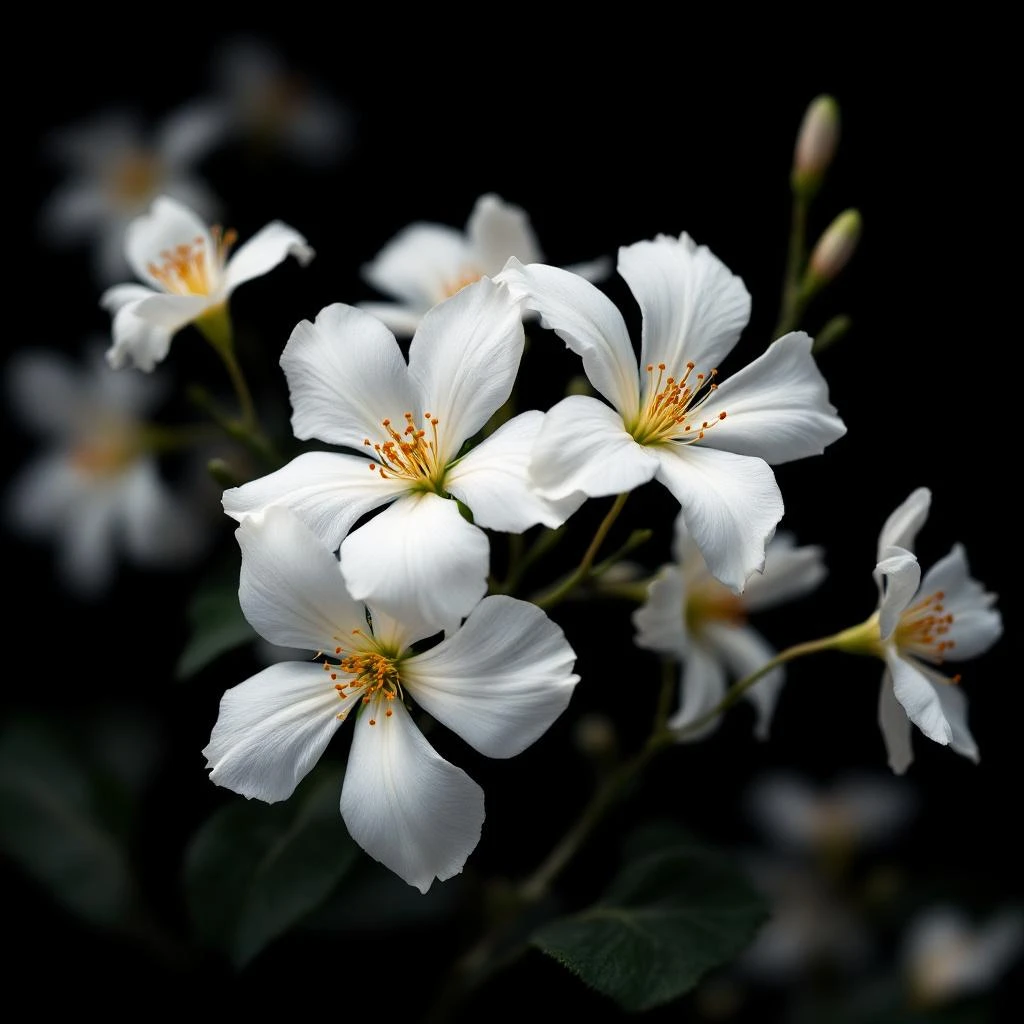
English Pear works well in fresh, floral, fruity and soft woody families. It adds brightness to citrus scents and pairs naturally with delicate floral notes such as rose or freesia.
How long does English Pear last in a perfume?
Its longevity depends on the concentration and supporting materials, not on pear alone. In many modern compositions, it reads most clearly near application before softer florals, woods and musks take over.