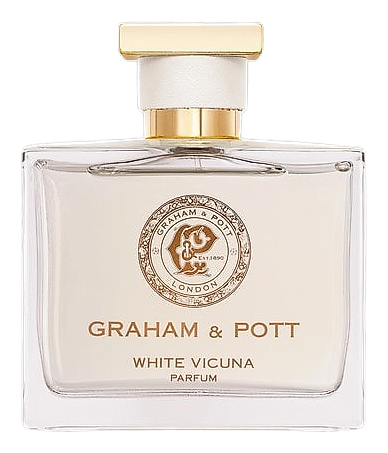
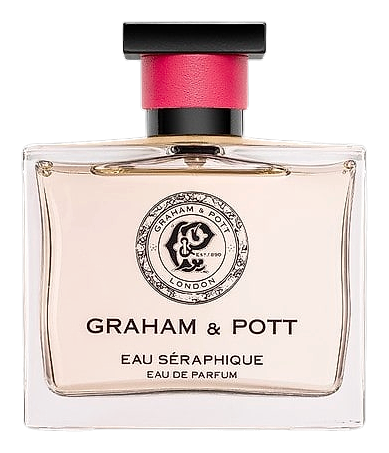
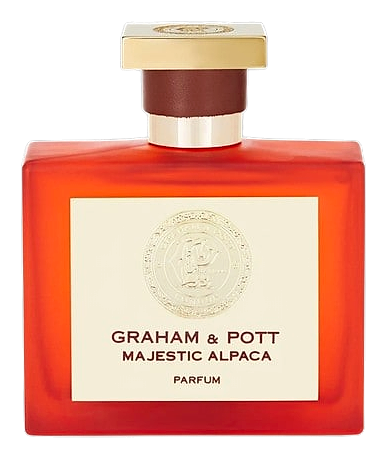
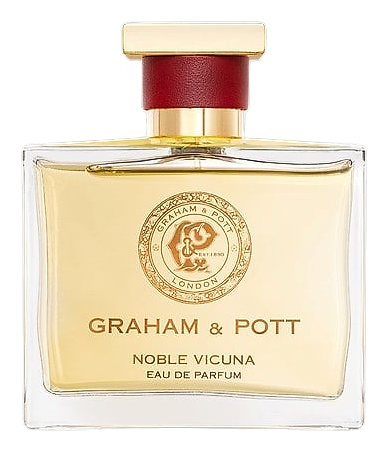
The Heritage
The Story of GRAHAM & POTT
GRAHAM & POTT is a British fragrance house that traces its roots to 1890. Originally a cloth manufacturer, the company shifted toward scent creation in the early twentieth century and now offers a line of niche perfumes that blend historic techniques with contemporary ingredients. The brand positions itself as a custodian of traditional craftsmanship while exploring modern olfactory narratives, delivering scents such as Mon Jasmin Parfum Platinum Jubilee Edition (2022) and Noble Vicuna (2019). Its catalogue reflects a balance of heritage and innovation, inviting collectors to experience a refined aromatic journey.
Heritage
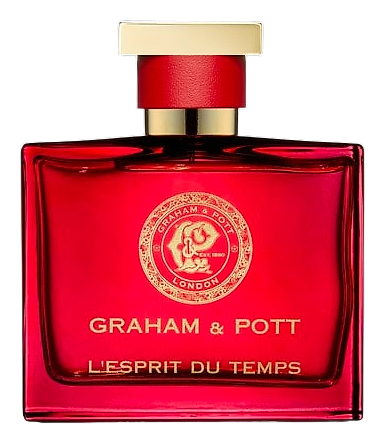
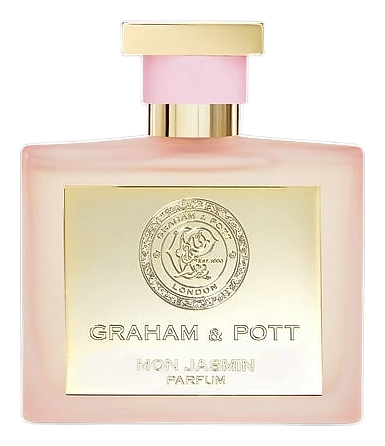
The House of GRAHAM & POTT opened its doors in England in 1890, founded by the partnership of two textile entrepreneurs whose surnames formed the brand name. Early records show the firm supplied luxury fabrics to high‑society clients, establishing a reputation for material excellence. In 1894 the house introduced the GRAHAM & POTT Seal, a hallmark that signaled authenticity and quality across its product range. By the 1920s the company began experimenting with scented powders and aftershaves, a move documented in trade journals of the period. The transition from textile to fragrance deepened after World War II, when the firm repurposed its manufacturing facilities to produce perfume oils for the domestic market. In 1975 GRAHAM & POTT launched its first standalone perfume, a floral composition that received modest press coverage in British perfume magazines. The brand continued to expand its olfactory portfolio throughout the 1990s, adding oriental and woody accords that reflected emerging consumer tastes. A notable milestone arrived in 2019 with the release of Noble Vicuna, a scent that highlighted the house’s renewed focus on rare animal‑derived notes sourced under strict ethical guidelines. The following year the house issued Mon Jasmin Parfum, a tribute to its historic use of jasmine in early perfume drafts. In 2022 GRAHAM & POTT marked the British monarch’s Platinum Jubilee with a limited edition of Mon Jasmin Parfum, underscoring the brand’s ongoing dialogue with national events. Recent releases such as L'Esprit Du Temps (2025) demonstrate the house’s commitment to contemporary storytelling while honoring its century‑plus legacy of material mastery.
Craftsmanship
Production at GRAHAM & POTT begins with a sourcing phase that favors small‑scale farms in regions known for specific aromatics, such as jasmine fields in Grasse and ambergris sources regulated by marine conservation bodies. The house maintains a ledger of supplier certifications, a practice that originated from its textile era when material traceability was essential for client trust. Once raw materials arrive at the London laboratory, master perfumers blend them using a graduated scale of glass droppers, a method that minimizes waste and preserves the integrity of volatile compounds. The house still employs a cold‑press extraction for certain citrus notes, a technique revived from early 20th‑century practices. After formulation, the perfume oil undergoes a maturation period in oak barrels, allowing the scent to harmonize over several months; this step mirrors the aging of fine fabrics to develop character. Quality control includes blind olfactory panels that assess each batch for consistency with the original scent profile. Bottling takes place in a dedicated facility where artisans hand‑fill each vial, inspect seals, and affix the GRAHAM & POTT hallmark. The seal, introduced in 1894, remains a physical guarantee of authenticity and is applied using a brass stamp that leaves a raised impression on the glass. Final packaging incorporates recycled cardboard and a minimalist label that references the house’s original cloth‑weaving motifs, linking the product’s visual language to its manufacturing lineage.
Design Language
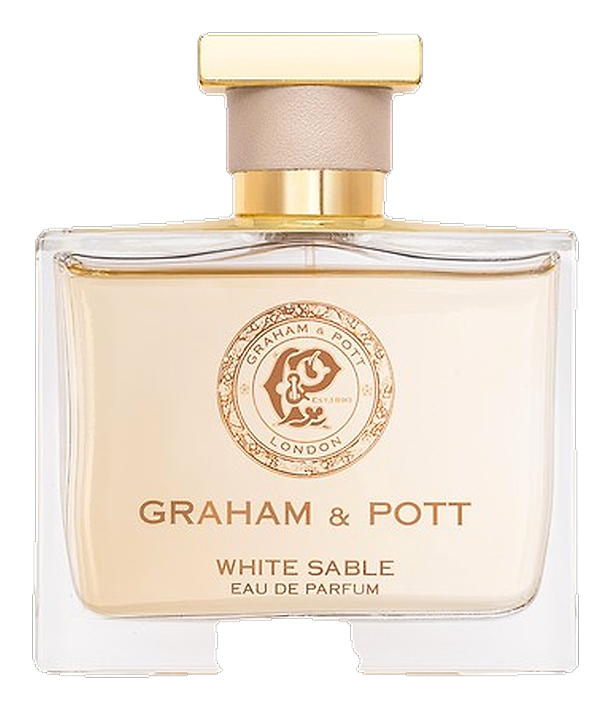
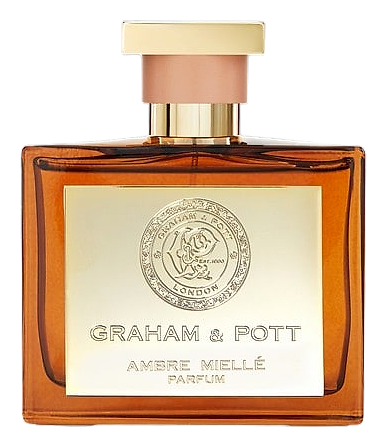
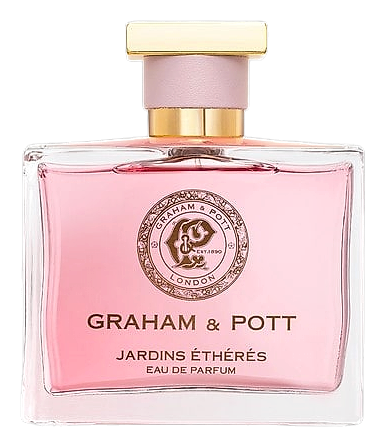
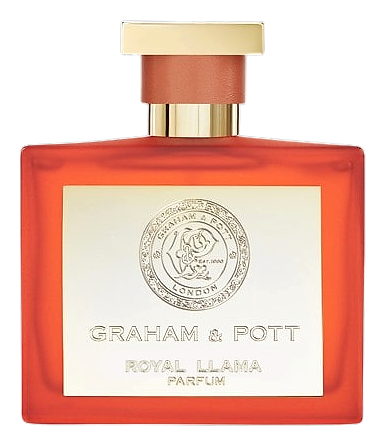
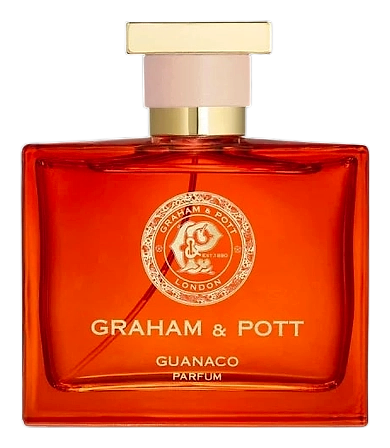
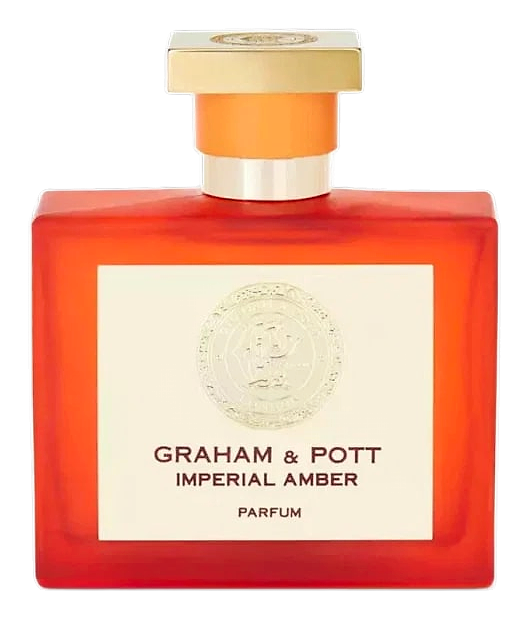
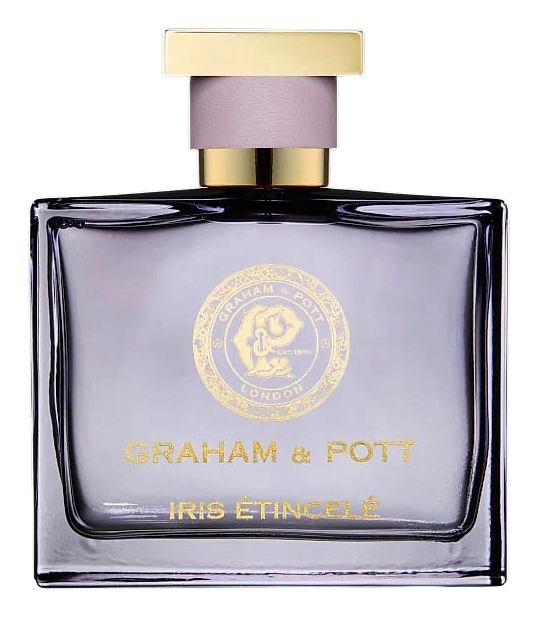
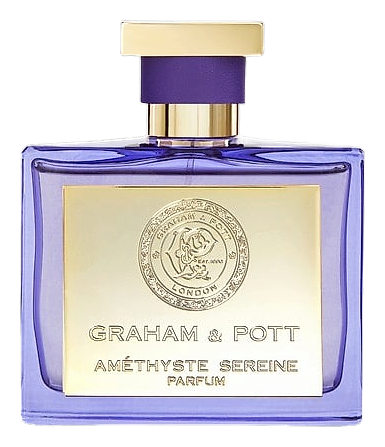
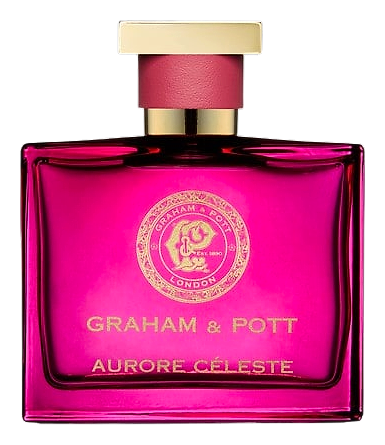
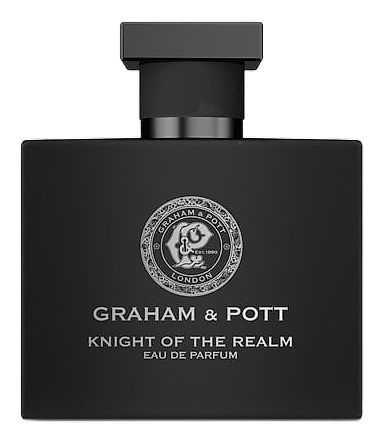
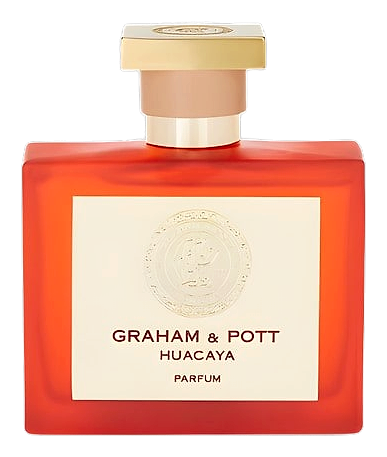
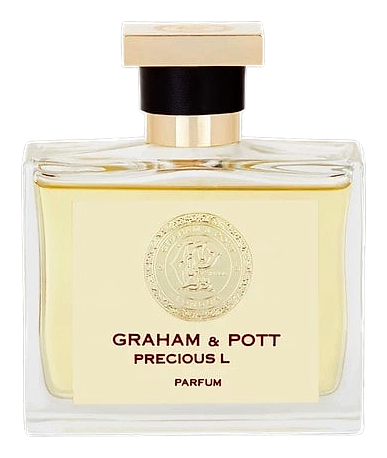
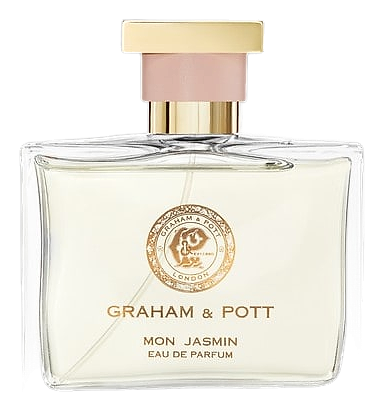
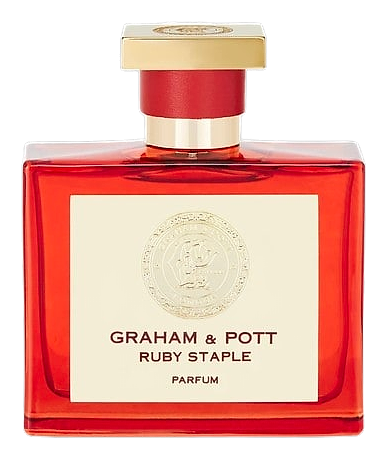
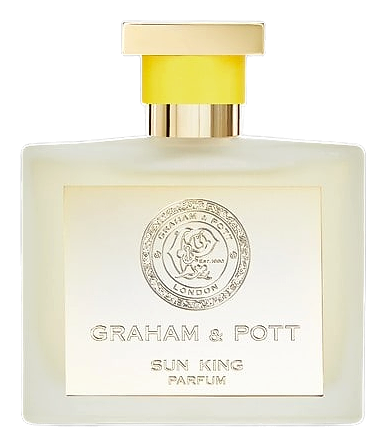
The visual language of GRAHAM & POTT draws directly from its textile heritage. Bottle shapes echo the clean lines of classic English cutlery, featuring a slender silhouette that tapers toward a polished cap reminiscent of a buttoned cuff. The glass often carries a subtle frosted finish, evoking the texture of fine linen. Labels display the historic seal in relief, set against a muted palette of ivory, deep navy, or forest green, colors that reference traditional tailoring fabrics. Typography uses a serif typeface that mirrors the engraving style found on 19th‑century cloth tags, reinforcing the brand’s continuity. Packaging boxes incorporate a soft-touch matte coating and a thin gold foil border that hints at the gilded trims once used on the house’s original cloth products. Seasonal campaigns occasionally introduce limited‑edition sleeves printed with archival patterns from the house’s early catalogues, allowing collectors to see a visual bridge between past and present. The overall aesthetic conveys understated elegance without resorting to overt luxury cues, positioning the brand as a quiet authority in the niche perfume market.
Philosophy
GRAHAM & POTT frames its creative vision around the principle of measured brilliance. The house states that it seeks to translate the tactile qualities of its textile origins into scent, treating fragrance as a wearable fabric. It emphasizes respect for raw materials, insisting that each ingredient must meet a provenance standard that aligns with the brand’s historical emphasis on quality. The philosophy also calls for restraint; designers avoid over‑layered compositions in favor of clear, singular narratives that allow a single note to emerge fully. Sustainability appears in the house’s statements as a guiding value, with the brand reporting that it prefers ingredients harvested from certified farms and that it limits synthetic additives to those that cannot be sourced naturally. Collaboration with independent perfumers is encouraged, but the final approval rests with the house’s internal committee, which evaluates each draft against criteria of balance, longevity, and alignment with the brand’s aesthetic heritage. This approach reflects a blend of tradition and modern responsibility, positioning the house as a steward of both historic technique and contemporary ethical expectations.
Key Milestones
1890
GRAHAM & POTT founded in England as a cloth manufacturer by two textile partners.
1894
Introduced the GRAHAM & POTT Seal, a hallmark of authenticity for all products.
1920
Expanded into scented powders and aftershaves, marking the first foray into fragrance.
1975
Launched the house’s first standalone perfume, establishing a dedicated fragrance line.
2019
Released Noble Vicuna, highlighting rare animal‑derived notes sourced ethically.
2022
Issued Mon Jasmin Parfum Platinum Jubilee Edition to commemorate the British monarch’s Platinum Jubilee.
At a Glance
Brand profile snapshot
Origin
United Kingdom
Founded
1890
Heritage
136
Years active
Collection
1
Fragrances released
Avg Rating
4.0
Community sentiment
Release Rhythm


