Satsuma
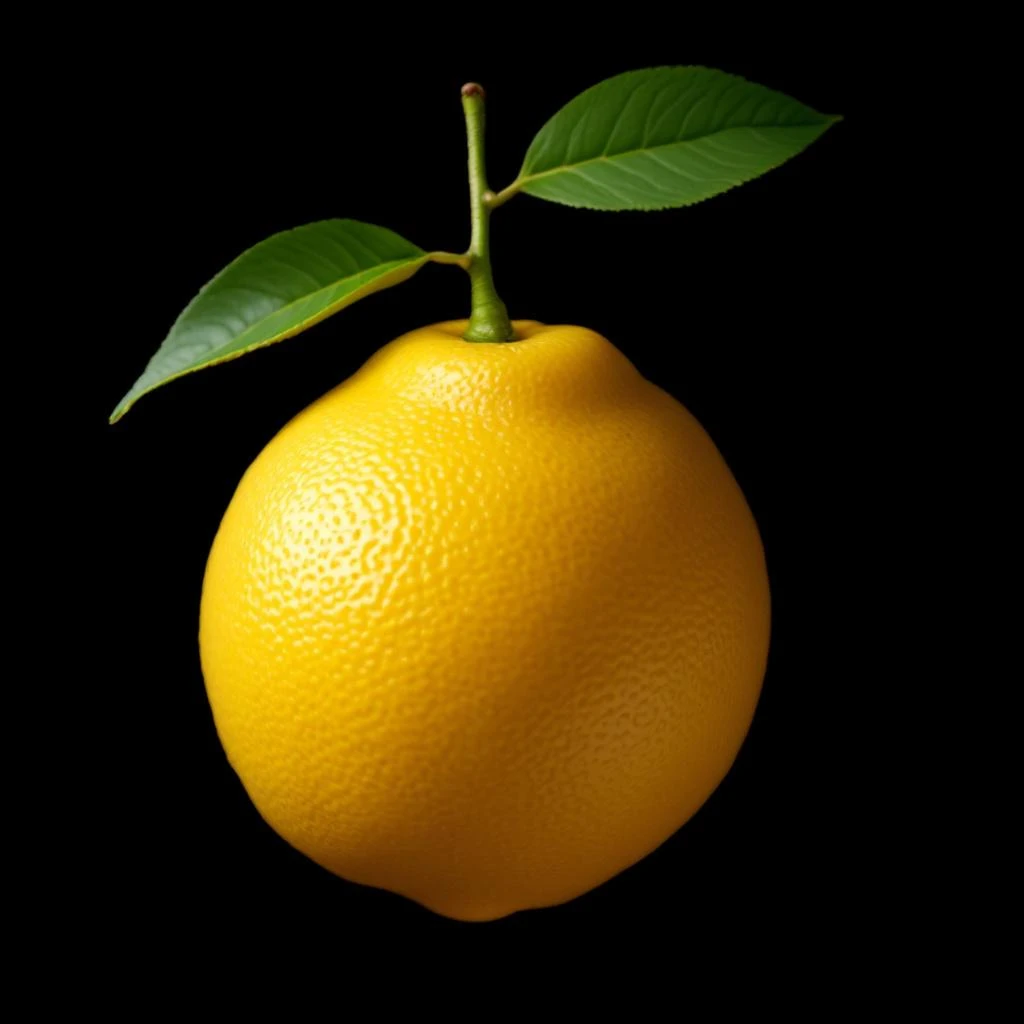
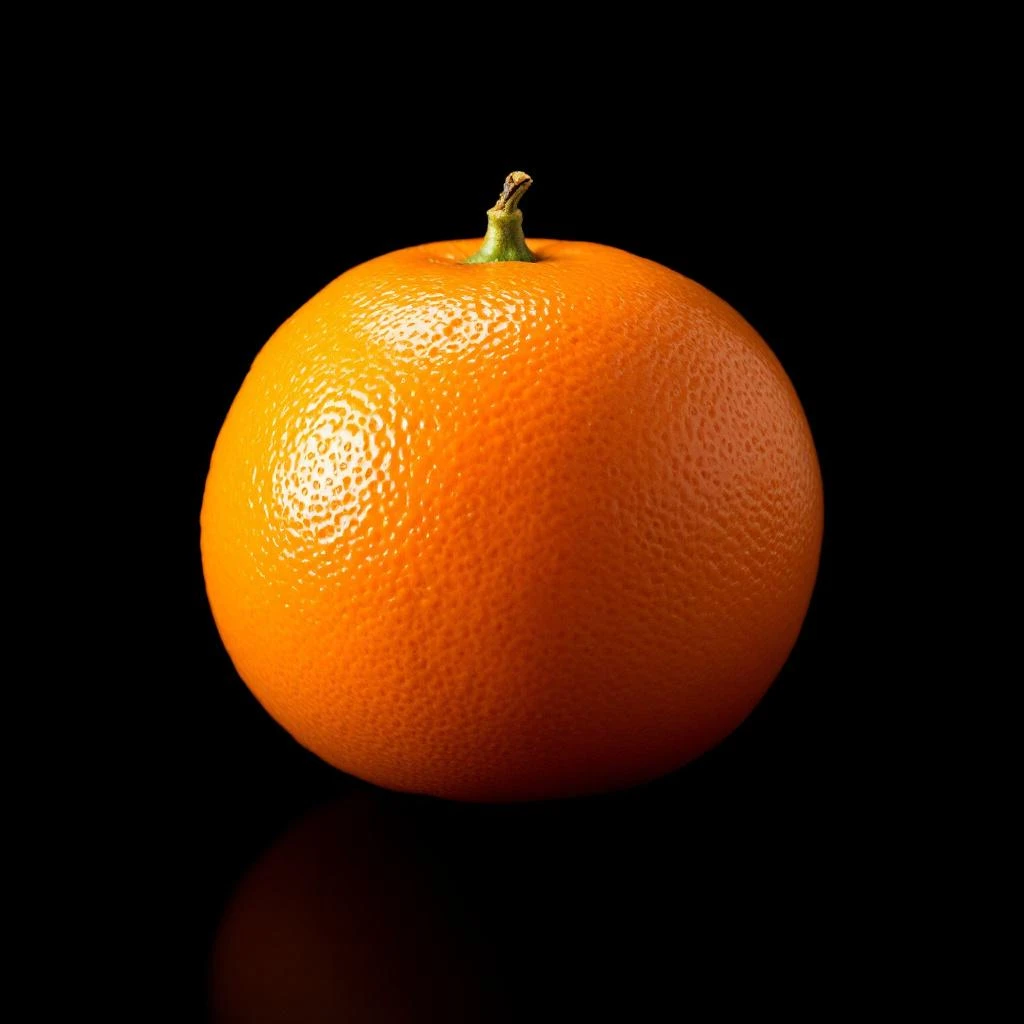
Pressed from the sun-drenched peel of Japan's most prized citrus, Satsuma brings a honeyed sweetness and delicate floral whisper that sets it apart from sharper tangerine cousins.
Character
How it smells
Sweet citrus with a floral soul
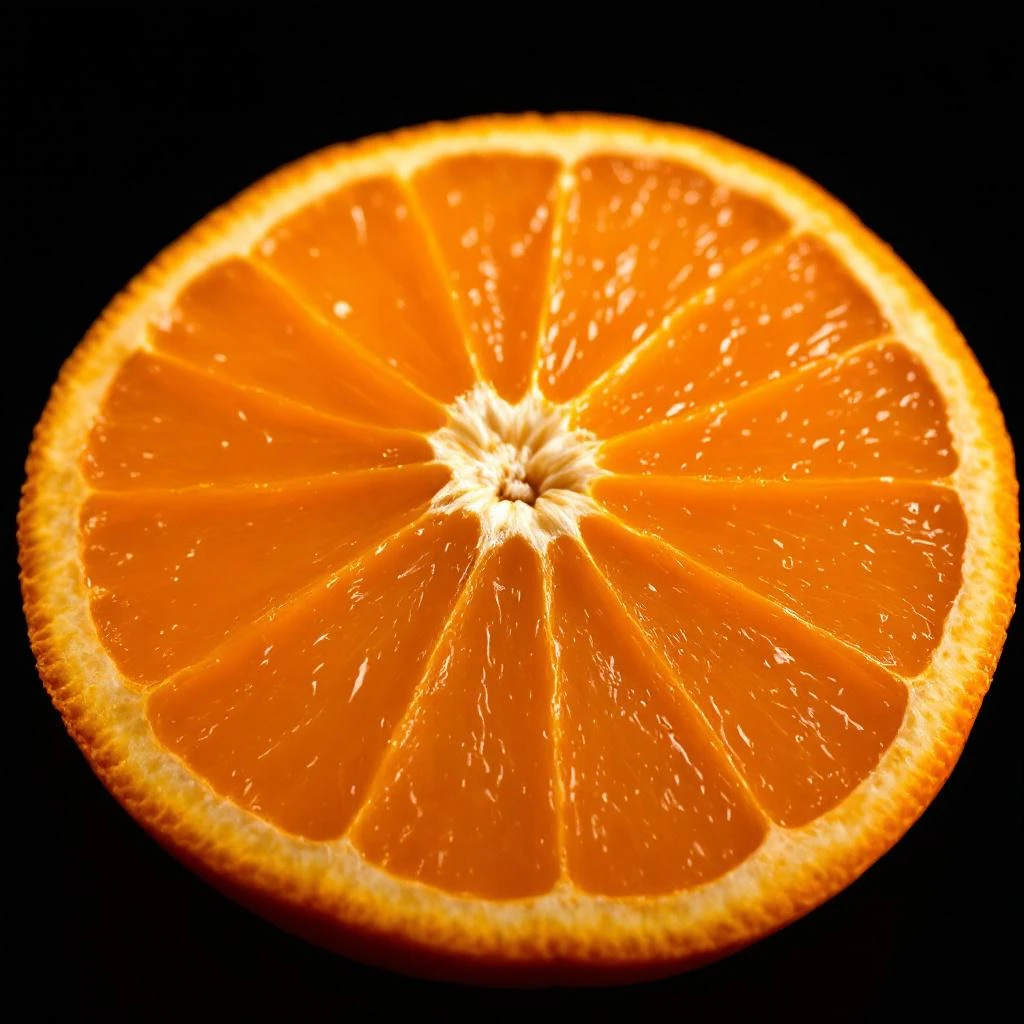
Unlike regular tangerines, true Satsuma fruit are seedless and almost pith-free, making them easier to peel and press for fragrance use.





Origin
Japan
The Satsuma mandarin, botanically classified as Citrus unshiu, traces its origins to Kagoshima Prefecture in southern Japan, where it has been cultivated since at least the 16th century. The fruit takes its name from Satsuma Province, the feudal domain that encompassed this region. Japanese nobility prized Satsuma for its exceptional sweetness and easy-to-remove rind, which made it a favored gift among court circles.
The variety reached Western markets in the late 1800s, and commercial cultivation expanded to Spain, South Africa, and California during the 20th century. In perfumery, Satsuma emerged as a distinctive citrus material as fragrance houses sought regional signatures beyond traditional bergamot and lemon, finding in the Japanese mandarin a softer, more aromatic citrus character that suited the growing demand for exotic yet approachable scents.
Wears it best
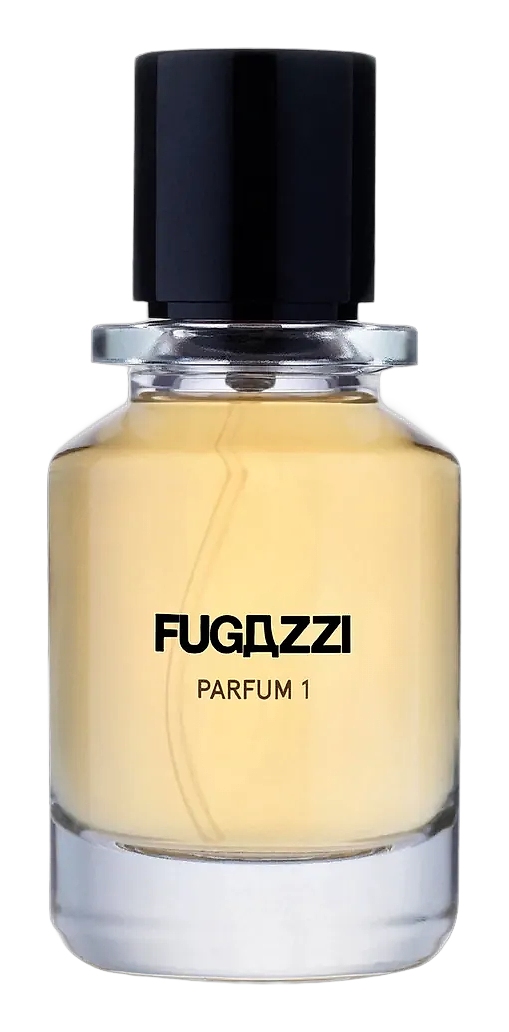
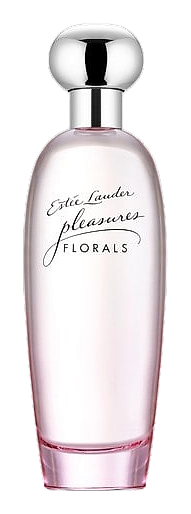
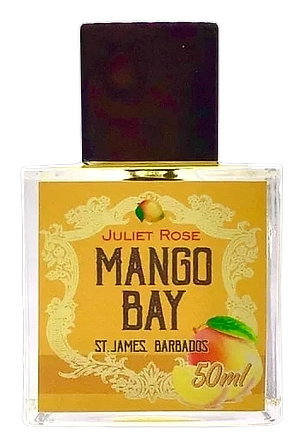
Fragrances featuring Satsuma
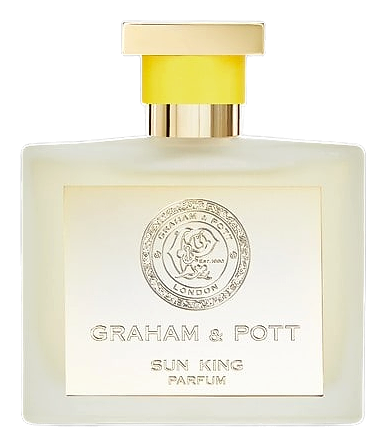


Brands
Brands known for Satsuma
Good to know
Questions, answered
The essentials on Satsuma in perfumery: how it smells, where it comes from, and how it behaves on skin.
What does Satsuma smell like in perfume?
Satsuma delivers a sweet, honeyed citrus aroma with subtle floral undertones. It lacks the sharp brightness of lemon or the tartness of grapefruit, instead offering a softer, rounder character closer to ripe mandarin with a delicate musky finish.
Is Satsuma a natural or synthetic ingredient?
Both versions exist. Natural Satsuma oil comes from cold-pressed fruit peel, while synthetic Satsuma aroma chemicals recreate key scent molecules like gamma-decalactone. Many modern fragrances use naturals and synthetics in combination for cost and olfactory consistency.
How does Satsuma differ from regular tangerine in fragrance?
Satsuma carries more floral and musky nuances than standard tangerine, which tends toward sharper, more tangy citrus. The Japanese variety also has less bitter pith, resulting in a cleaner, sweeter peel oil preferred for fine perfumery.
What extraction method produces Satsuma peel oil?
Satsuma peel oil uses cold expression, where ripe fruit rinds are mechanically pressed to release aromatic compounds without heat. This technique preserves delicate esters and aldehydes that steam distillation would damage.
Which fragrance families commonly use Satsuma?
Satsuma appears frequently in citrus, floral, and fresh aquatic compositions. It also works well in oriental fragrances as a bright top note that softens spicier heart accords. Perfumers value it for adding warmth to modern citrus structures.
What pairs well with Satsuma in fragrance blending?
Satsuma combines naturally with white florals like neroli and orange blossom, which amplify its sweet character. It also pairs with marine notes, light musks, and woody materials like cedar for a clean drydown.
Where does commercial Satsuma for perfumery originate?
Japan remains the primary source for premium Satsuma materials, particularly from Kagoshima and Ehime prefectures. Spain and South Africa also produce Satsuma-derived materials for the fragrance industry, offering different aroma profiles based on growing conditions.
How long does Satsuma last as a top note in fragrance?
As a citrus top note, Satsuma typically lasts 15 to 45 minutes on skin before the heart notes emerge. Formulators use Satsuma absolute or synthetic extenders when longer citrus presence is desired in the drydown.