Heritage
A house, in its own words
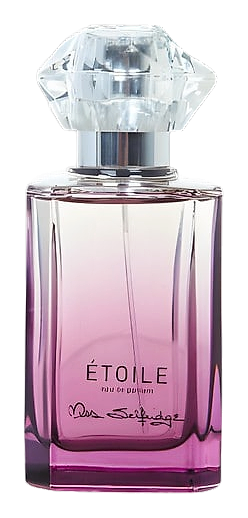
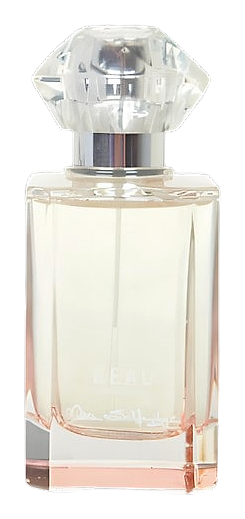
Miss Selfridge draws its identity from Selfridges, the London department store founded by American retail magnate Harry Gordon Selfridge. Selfridges opened in London in 1909 and helped make the perfume counter an important part of the department-store experience. Historical material connects the department’s early purpose with the sale of perfume, while later accounts describe Selfridge as a prominent figure in popularising the in-store perfume counter. Miss Selfidge’s name echoes that retail heritage without representing Selfridges as an independent perfume house. The fragrance collection emerged in 2014, by which point Selfridges was an established British department store with its own branded beauty products. Available records identify Beau and Etoile as notable releases from that year. The supplied research contains no dependable founding announcement for Miss Selfridge, no named creative director and no evidence of a separate corporate origin. It is therefore more accurate to describe the brand as a Selfridges fragrance line introduced in 2014 than to assign it an earlier history. Its story lies in the meeting point between a recognisable retailer name and fragrance sold through a large British shop, not in a long documented lineage of perfume composition. The clearest evidence for Miss Selfridge’s creative approach comes from its 2014 launch context and association with Selfridges. The name suggests a youthful, accessible identity, while the recorded releases, Beau and Etoile, use evocative French terms that place the line within familiar European fragrance conventions. That combination reflects a retail strategy built around approachable scents and a concise, fashion-led product image. However, the available research does not include a reliable brand statement explaining the collection’s perfumery philosophy, creative brief or intended audience. Claims about innovation, exclusivity or leadership cannot be supported from the supplied material and are not repeated here. Miss Selfridge should consequently be read as a diffusione line with a compact release history, not as a house with a sustained artistic manifesto. Its identity is more closely tied to the atmosphere of the retailer that created it than to a named perfumer or a documented school of fragrance making. This distinction matters when assessing the brand, because its products belong to the broader world of accessible department-store fragrance while drawing on the recognition and British character of Selfridges.