Ecuadorian Palo Santo
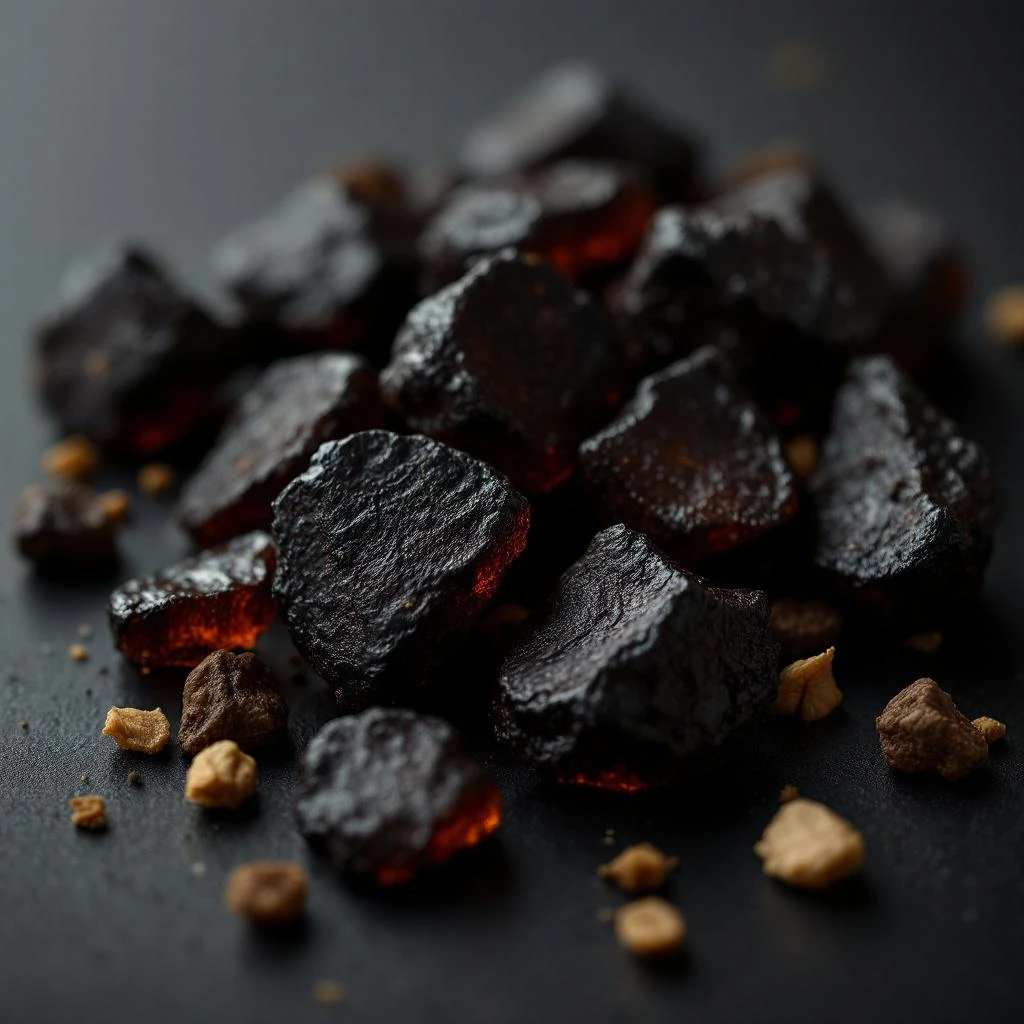
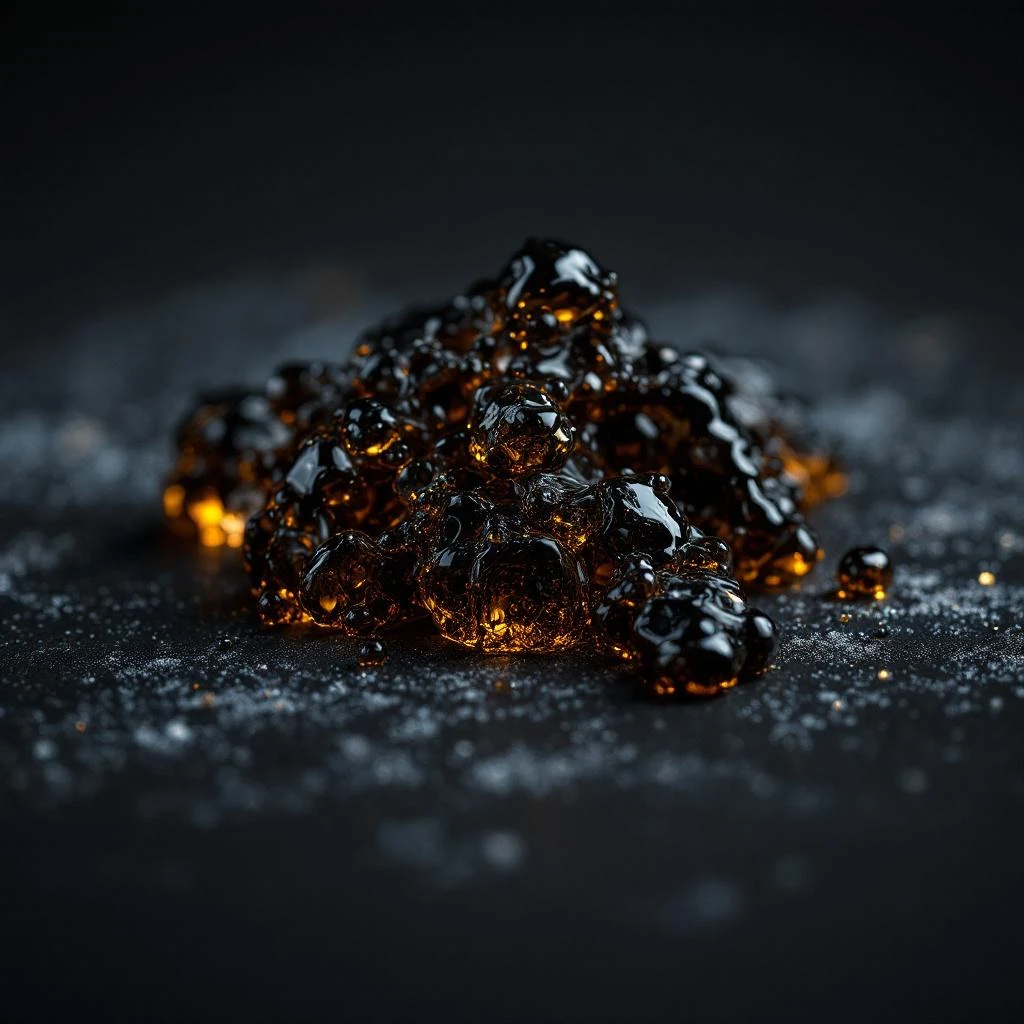
Ecuadorian Palo Santo delivers a smoky, resinous warmth with hints of sweet citrus peel and cooling mint. Harvested only from naturally fallen trees in Ecuador's coastal dry forests, this sacred wood reveals deep complexity in fine perfumery.
Character
How it smells
Sacred wood, distilled into smoky warmth
Aromatic compounds in Palo Santo develop only after the tree dies and lies on the forest floor for years, making fallen branches far more fragrant than freshly cut wood.



Origin
Ecuador
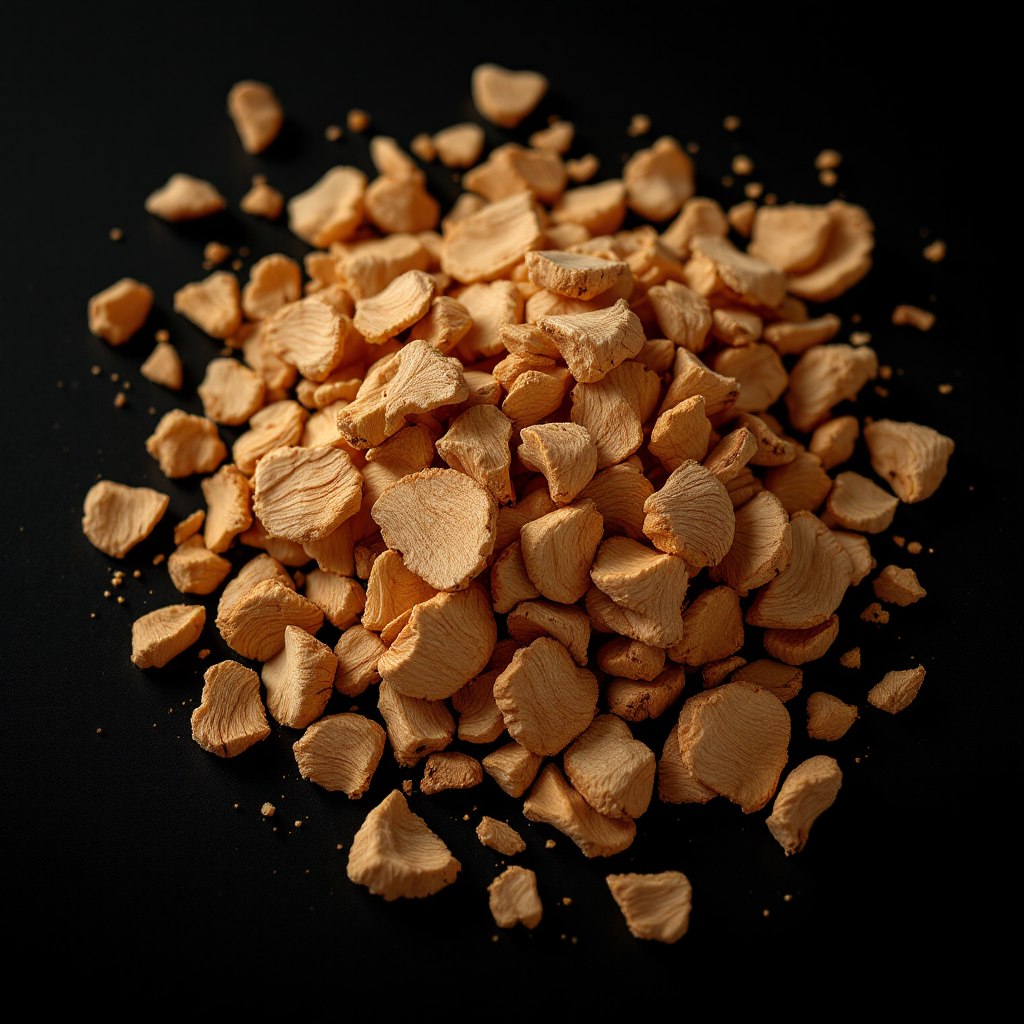
The name Palo Santo translates directly to holy wood or sacred wood in Spanish, reflecting centuries of spiritual reverence across South America. Its earliest documented use traces to the Incan Empire, where shamans and healers burned the wood as incense during purification rituals and ceremonial gatherings. Indigenous communities in Ecuador and Peru continued this tradition long after European contact, associating the smoke with cleansing negative energy and inviting blessings.
Spanish colonizers encountered Palo Santo in the 16th century and noted its ritual importance among coastal peoples. By the early 20th century, the essential oil caught the attention of European perfumers seeking alternatives to traditional incense materials like frankincense and myrrh. The wood's high guaiacol content, a compound shared with guaiac wood, made it valuable for adding smoky, phenolic warmth to masculine and unisex compositions.
Ecuadorian suppliers began formalizing sustainable harvesting programs in the late 1990s, working with international retailers to ensure that only naturally dead wood enters commercial channels. Today, Ecuador remains the most recognized origin for premium Palo Santo oil, with coastal communities balancing economic livelihood against fragile dry forest ecosystems.
Wears it best
Fragrances featuring Ecuadorian Palo Santo
Brands
Brands known for Ecuadorian Palo Santo
Good to know
Questions, answered
The essentials on Ecuadorian Palo Santo in perfumery: how it smells, where it comes from, and how it behaves on skin.
What does Ecuadorian Palo Santo smell like?
BLUF: It smells smoky, woody, and resinous with sweet citrus and cooling mint facets. The oil contains high concentrations of limonene and guaiacol, giving it a warm, incense-like character distinct from harsher smoke notes.
Is Palo Santo sustainably harvested in Ecuador?
BLUF: Reputable Ecuadorian suppliers harvest only naturally fallen trees, never cutting live Bursera graveolens. Organizations like EcuadorianHands have worked with international retailers for over 20 years to enforce this standard.
Why is Palo Santo called holy wood?
BLUF: The name translates to sacred or holy wood in Spanish, a title earned through centuries of ritual use. Incan ceremonies and ongoing indigenous practices burned it for spiritual cleansing and blessings.
How long must Palo Santo wood age before distillation?
BLUF: The heartwood must lie on the forest floor for several years after the tree dies. This post-mortem maturation concentrates the aromatic compounds that make the oil valuable in perfumery.
What is guaiacol and why does it matter in Palo Santo oil?
BLUF: Guaiacol is a phenolic compound responsible for the smoky, medicinal warmth in Palo Santo. It connects the oil to guaiac wood, another traditional perfumery material with a similar aromatic signature.
Can Palo Santo essential oil be used directly on skin?
BLUF: Pure Palo Santo oil should be diluted before topical use, as concentrated guaiacol can irritate sensitive skin. Most perfumery applications blend it at low concentrations within a carrier.
What is the difference between Peruvian and Ecuadorian Palo Santo?
BLUF: Both countries harvest Bursera graveolens, but Ecuadorian oil is often considered richer in limonene due to coastal dry forest terroir. Sensory differences remain subtle and batch-dependent.
Is Palo Santo oil endangered or protected?
BLUF: Wild Bursera graveolens is not endangered, but slow growth and rising demand have prompted export restrictions in some regions. Ethical sourcing requires certification of fallen-wood origin.