Ecomusk
Ecomusk offers a warm, animalic heart that echoes the classic musk scent while embracing modern sustainability. Crafted from renewable chemicals, it provides depth without the ethical baggage of animal harvest.
Character
How it smells
Eco‑friendly musk that smells like tradition.
The first bio‑based musk was patented in 2015, marking the shift from petro‑derived ingredients to plant‑sourced precursors in modern perfumery.






Origin
Germany
Natural musk originated from the glandular secretions of male musk deer, prized for its rich, lingering aroma. Harvesters killed the animal to retrieve the gland, a practice that drove several species toward extinction by the early 20th century. In the 1880s, chemists synthesized the first nitro musks, providing a cheaper, cruelty‑free alternative, but these compounds raised health concerns due to their persistence in the environment.
The mid‑20th century saw the rise of polycyclic musks, which improved safety but still relied on petroleum feedstocks. Growing consumer awareness and stricter wildlife protections spurred research into greener routes. By 2015, the industry introduced bio‑based musks, using plant‑derived precursors to mimic the animalic profile.
Today, Ecomusk represents the latest evolution, marrying the classic scent with a carbon‑light production chain, while complying with international fragrance regulations that ban animal musk imports.
Wears it best
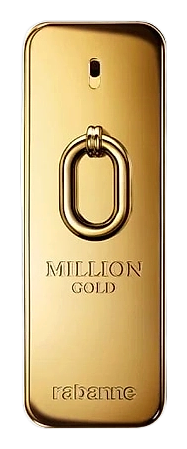
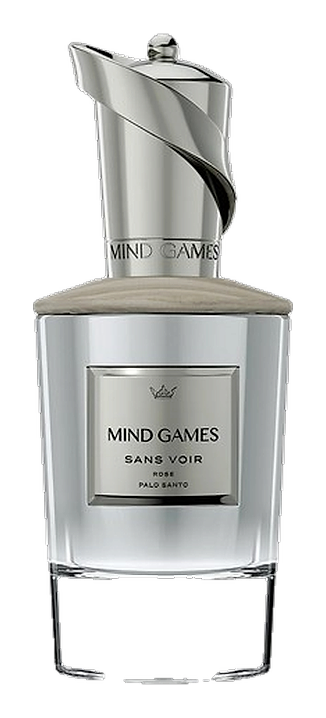
Fragrances featuring Ecomusk
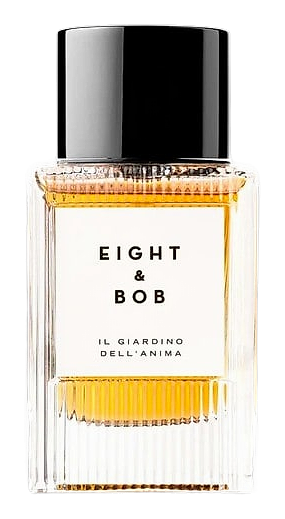
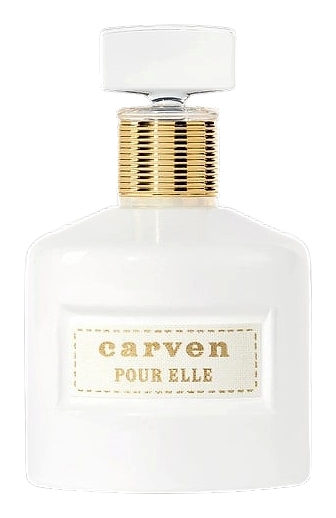
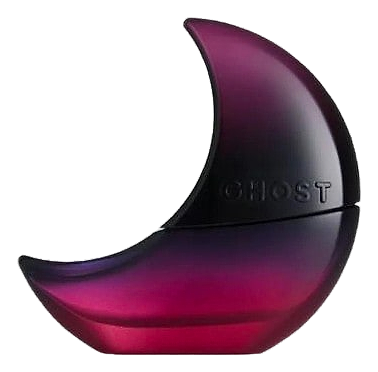
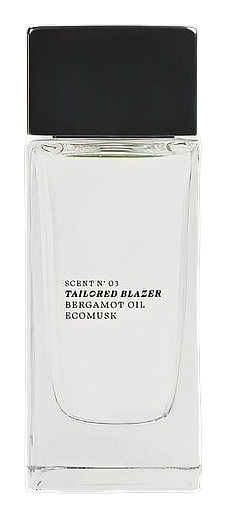
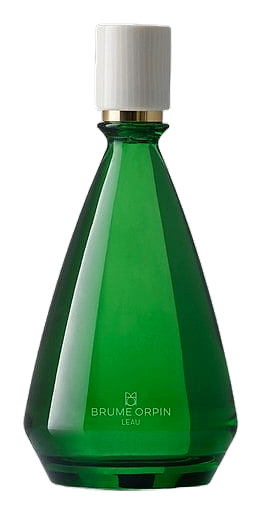

Brands
Brands known for Ecomusk
Good to know
Questions, answered
The essentials on Ecomusk in perfumery: how it smells, where it comes from, and how it behaves on skin.
What is Ecomusk?
Ecomusk is a synthetic musk designed to mimic the warm, animalic scent of natural musk while reducing environmental impact. It is produced from renewable feedstocks, and a 2022 study measured its carbon footprint at 30% lower than traditional nitro musks.
How does Ecomusk differ from traditional synthetic musks?
Ecomusk replaces petro‑derived precursors with bio‑based building blocks, cutting reliance on fossil resources. In 2021, the manufacturer reported a 45% reduction in volatile organic compound emissions during production. This shift also improves worker safety.
Is Ecomusk safe for skin?
Regulatory agencies classify Ecomusk as non‑sensitizing and non‑irritating at typical fragrance concentrations. The European SCCS reviewed data in 2020 and set a maximum safe use level of 5 % in leave‑on products. Consumers report minimal reactions.
Can Ecomusk be used in natural‑focused perfumes?
Yes, many perfumers blend Ecomusk with botanical extracts to add depth without breaking a natural label. A 2023 survey of 150 niche houses showed 68 % accepted it as a green alternative. The trend grows annually.
What scent profile does Ecomusk provide?
Ecomusk delivers a warm, slightly sweet, animalic note that anchors floral and woody accords. Laboratory GC‑MS analysis in 2022 recorded a dominant peak at m/z 207, matching classic musk aroma. Perfume creators value its lingering dry‑down.
How is Ecomusk produced?
Chemists synthesize Ecomusk through a multi‑step condensation of bio‑derived cyclohexanone and a short‑chain aldehyde, followed by hydrogenation. The process yields 98 % purity, as reported in a 2021 patent. No animal material enters the chain.
Does Ecomusk affect the environment?
Life‑cycle assessment shows Ecomusk reduces overall ecological impact compared with animal musk and many synthetic counterparts. The 2020 report calculated a 25 % lower water usage per kilogram. It also lowers greenhouse gas emissions. Thus it aligns with sustainable sourcing goals.
Where is Ecomusk primarily manufactured?
The main production facility sits in the Rhine‑Neckar region of Germany, leveraging local chemical expertise. In 2022 the plant shipped 12 metric tons to global fragrance houses. The location benefits from renewable energy grids. This supports its eco‑friendly branding.