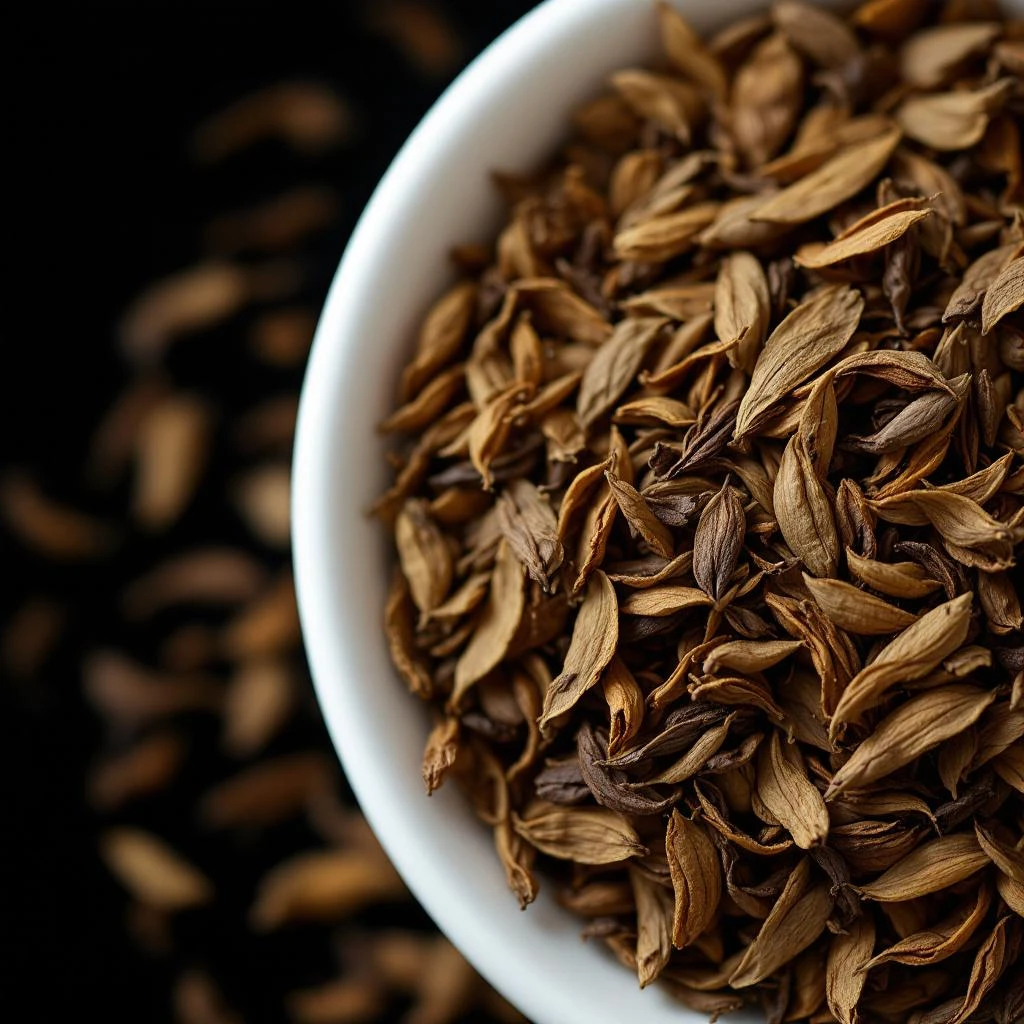
Dyer’s Greenweed
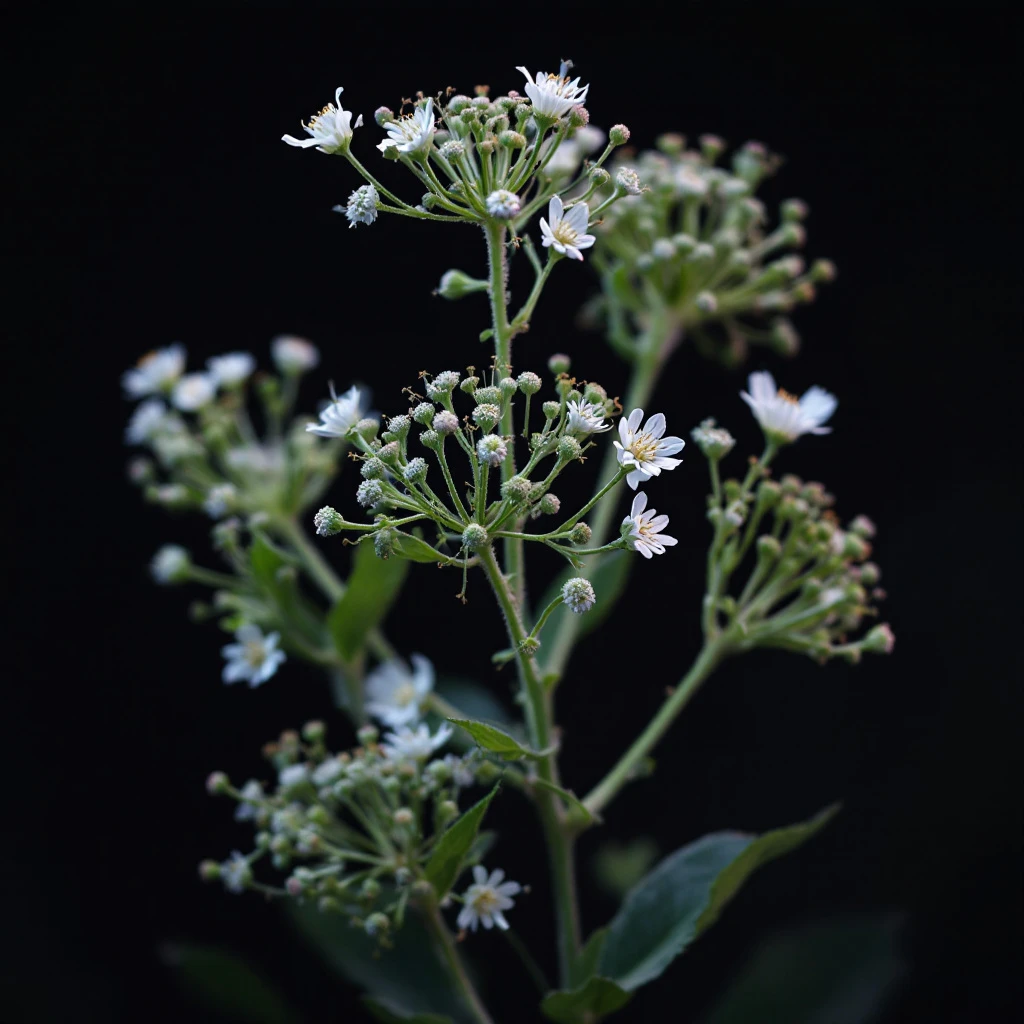
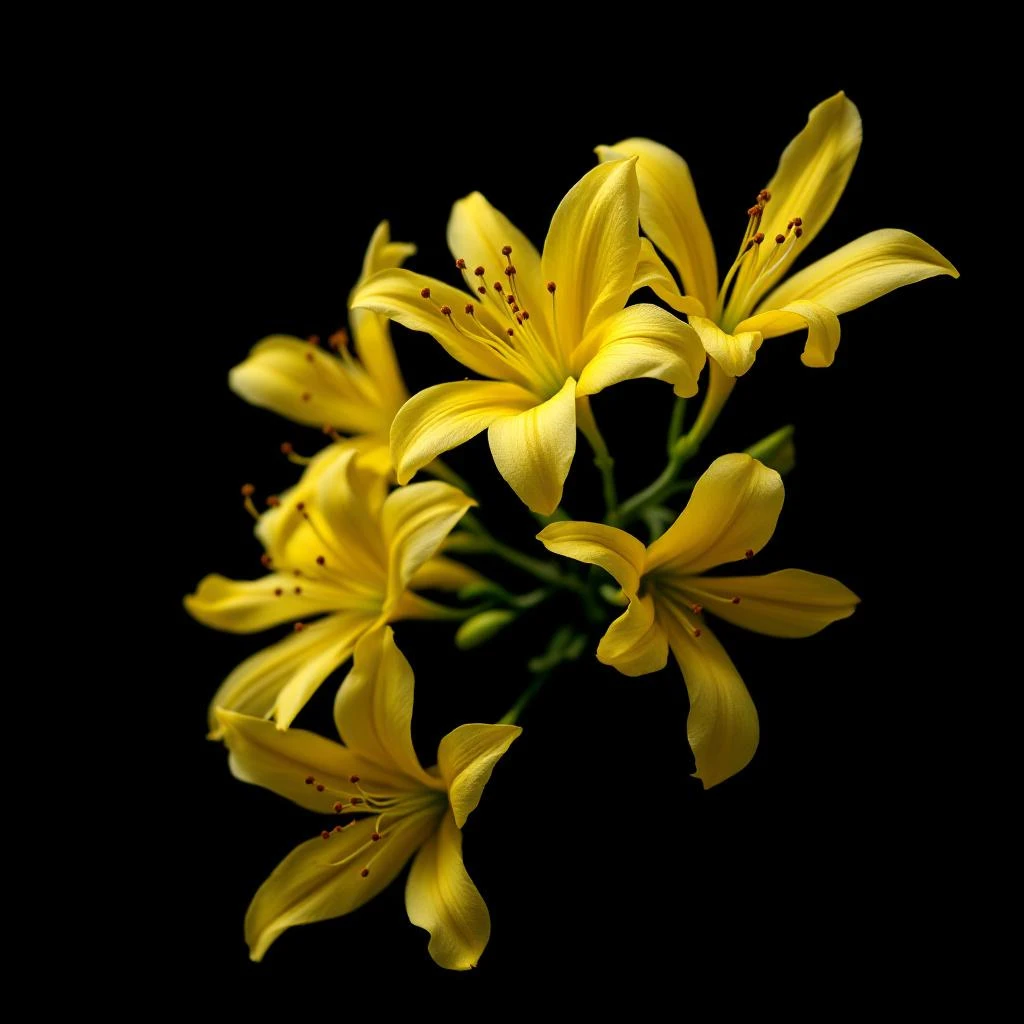
Dyer's Greenweed is a modest wildflower whose golden blooms once colored textiles across Europe. In perfumery, it contributes a rare, bracken-like green note that evokes damp forest floors and sun-dried hay—a voice rarely heard, yet unforgettable in the blends that carry it.
Character
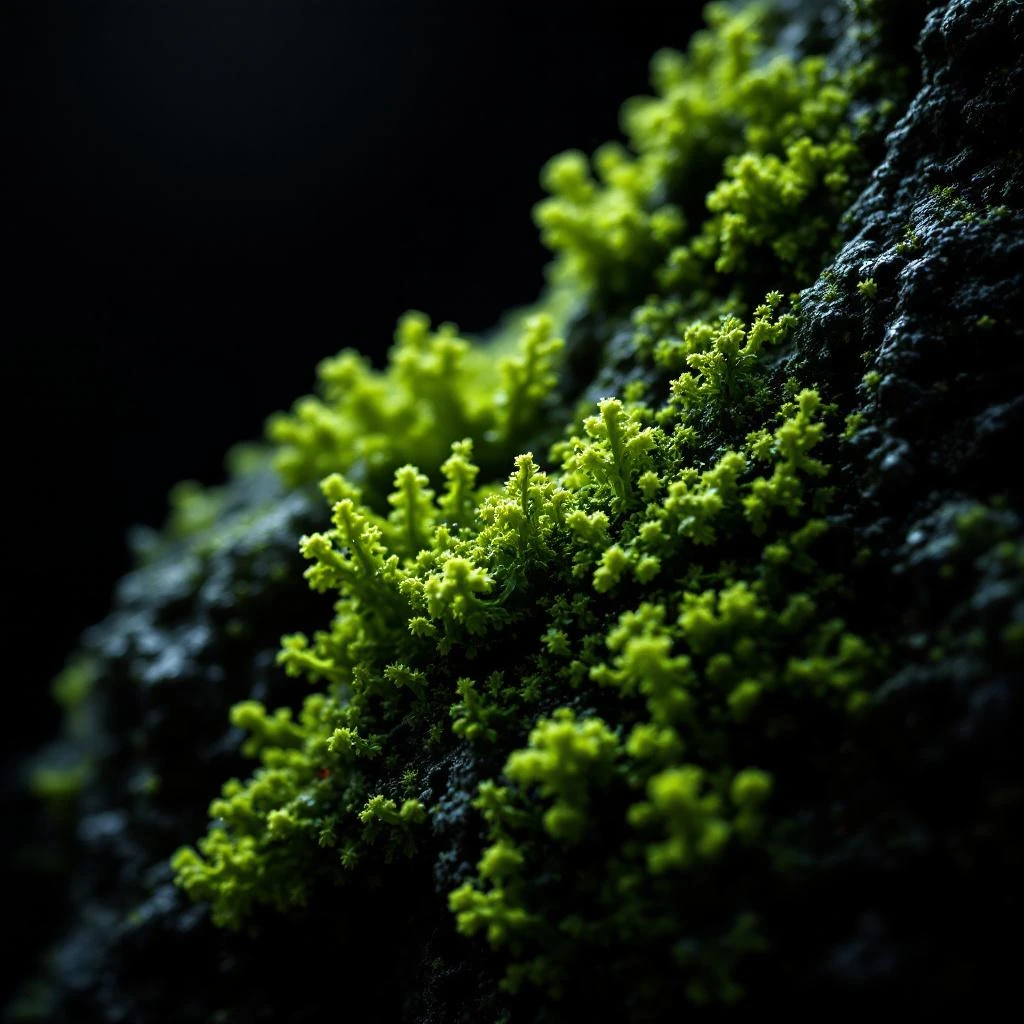
How it smells
A golden wildflower turned green accord
The same plant that gave medieval weavers their yellow dye now lends its forest-floor character to modern fragrances.





Origin
France
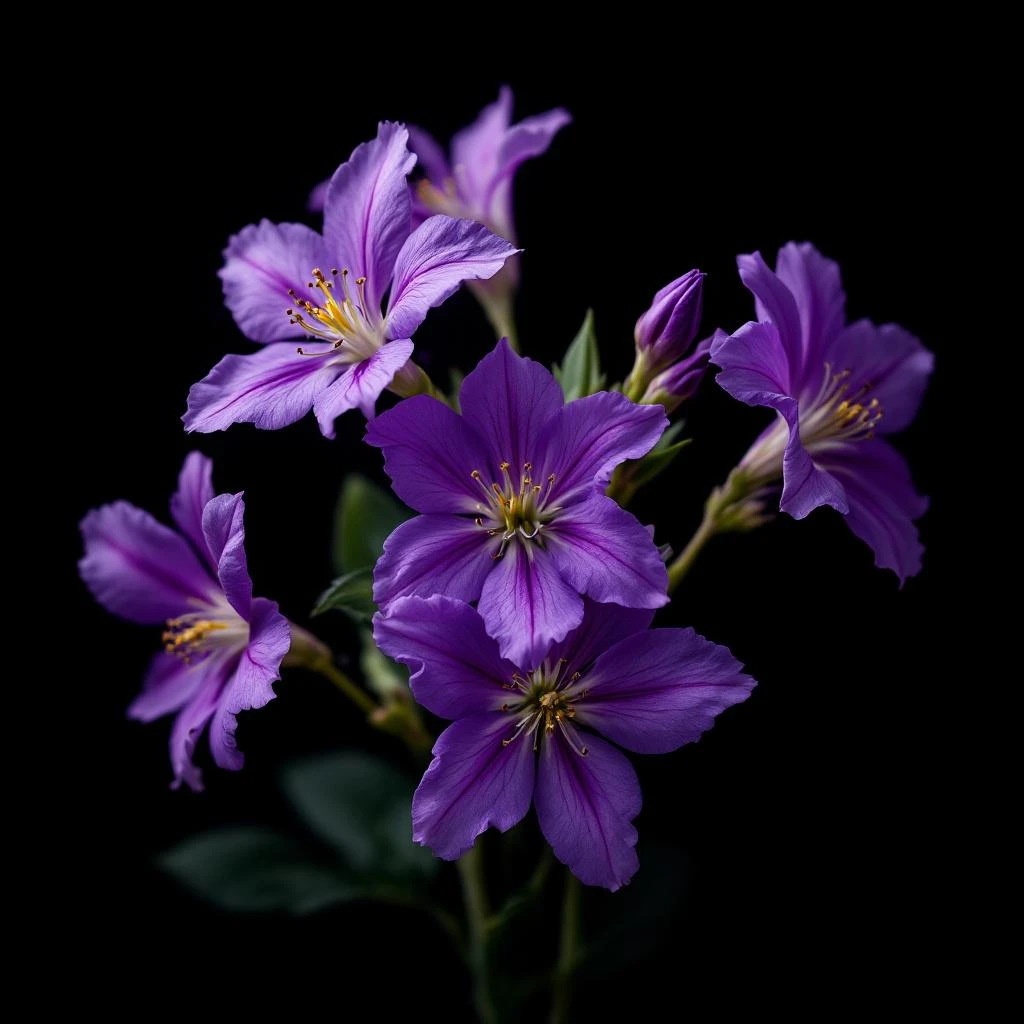
Genista tinctoria earned its name from its role in European textile dyeing. For centuries, dyers across France, England, and the Low Countries steeped its flowering tops in water or alum to produce a lasting yellow dye, earning it a place in rural economies and herbalist manuals alike.
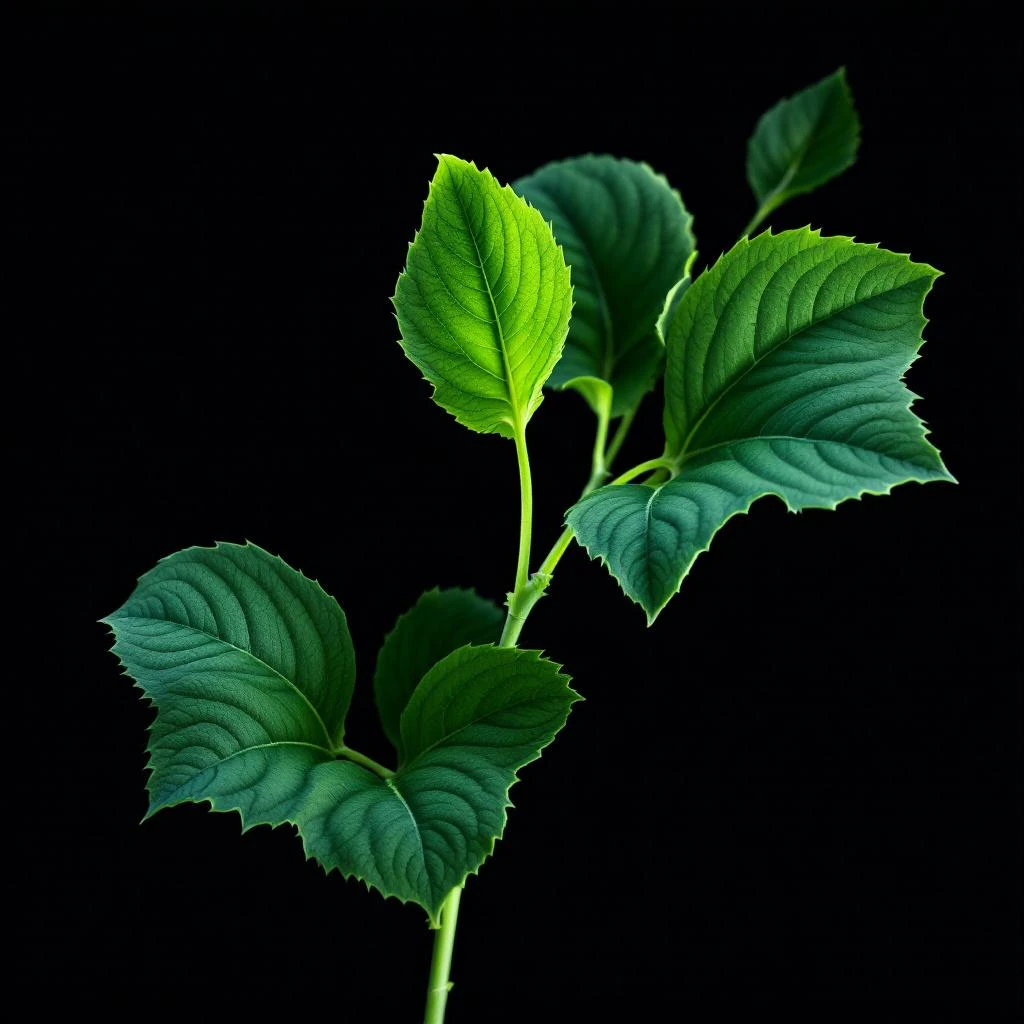
The plant grows wild along limestone grasslands and woodland margins from the British Isles eastward into western Asia, thriving where soils are lean and alkaline. Its perfumery use is sparse and modern, appearing almost as an homage in fragrances like Boucheron Trouble, where the dry green of bracken and dried herbs echoes what the plant would smell like crushed in hand on a country walk.
Unlike rose or jasmine, it never commanded a commercial extraction industry. Its presence in fragrance is less a tradition than a revival—a perfumer reaching into botanical history for a note that most noses have never encountered.
Wears it best
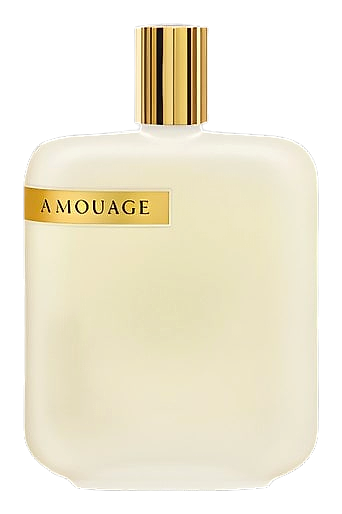
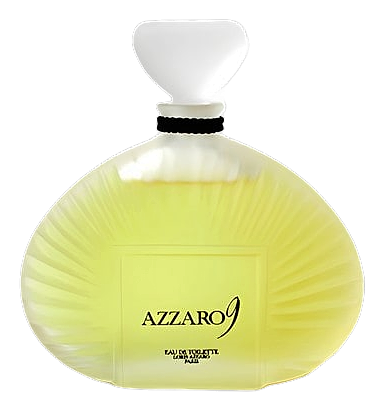
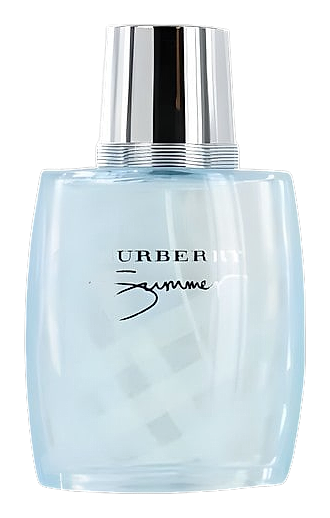
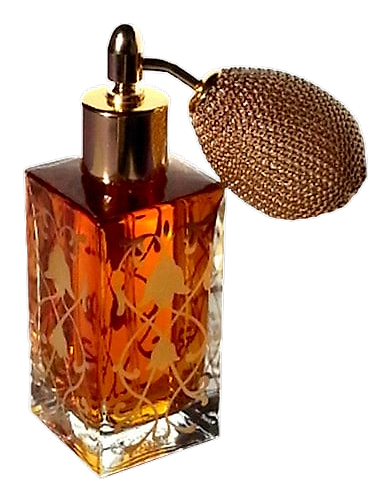
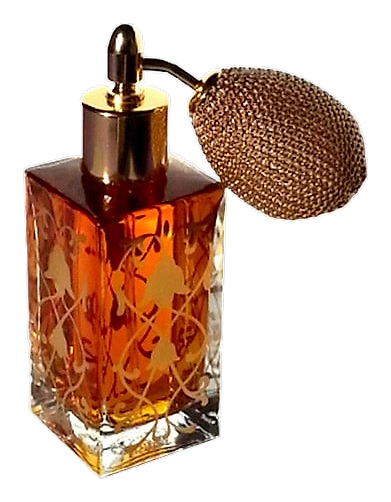
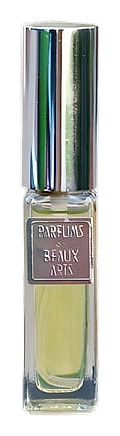
Fragrances featuring Dyer’s Greenweed
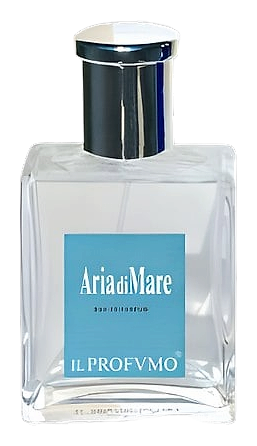
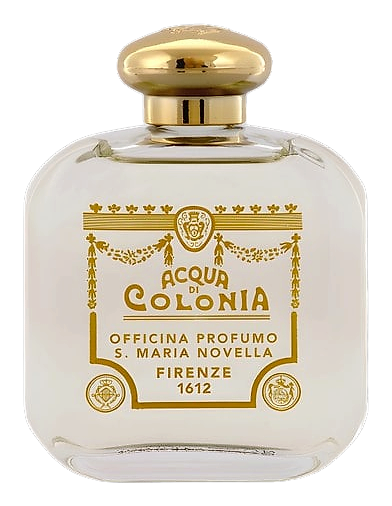
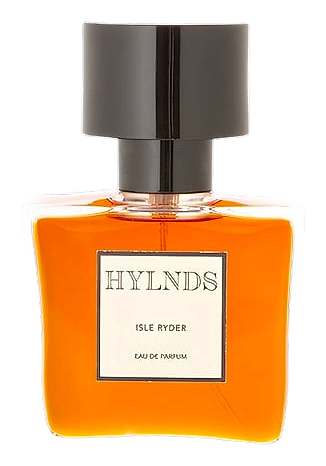
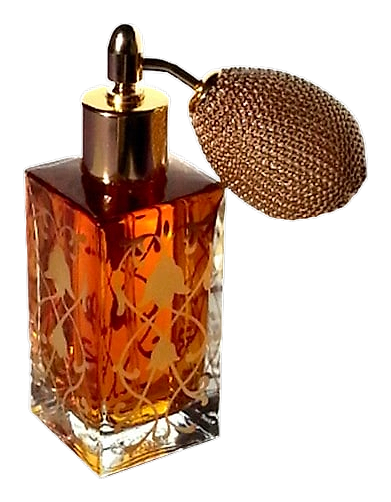
Brands
Brands known for Dyer’s Greenweed
Good to know
Questions, answered
The essentials on Dyer’s Greenweed in perfumery: how it smells, where it comes from, and how it behaves on skin.
What does Dyer's Greenweed smell like?
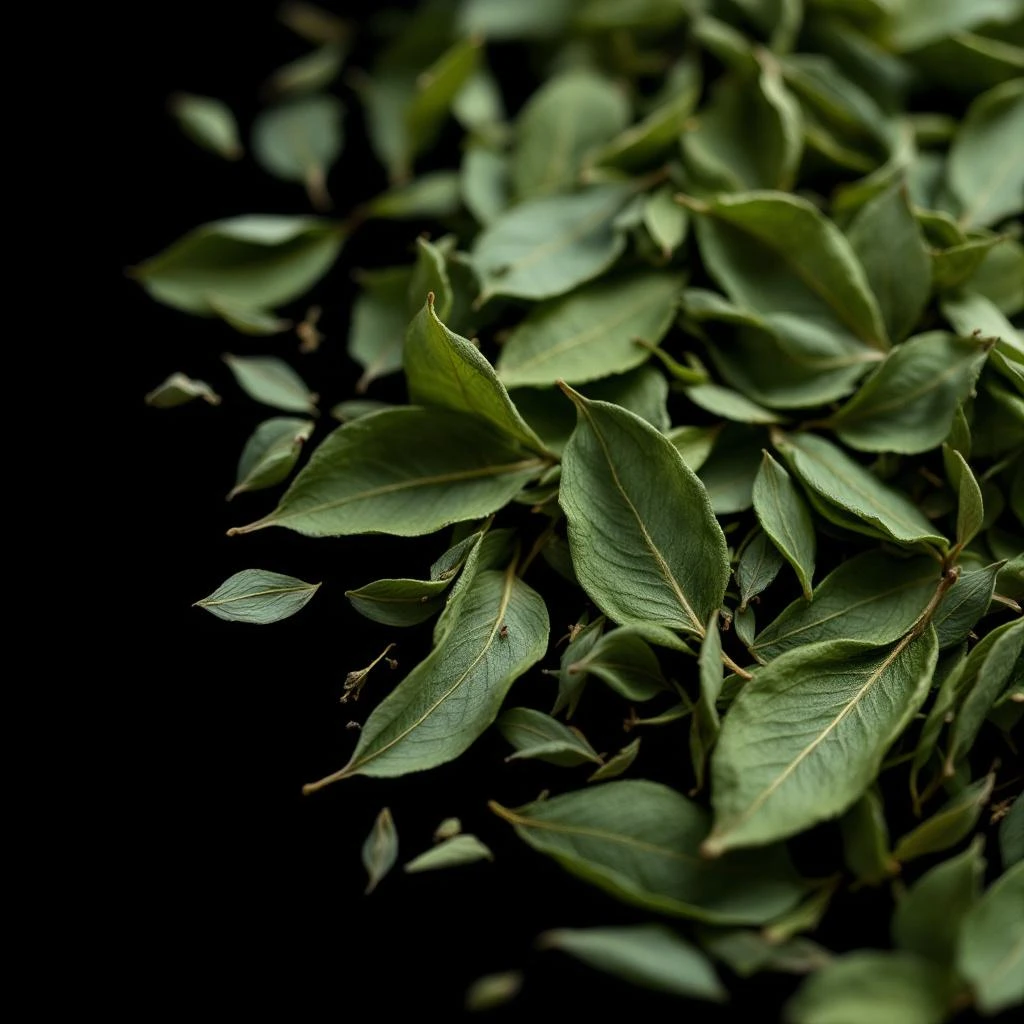
It smells dry, cool, and bracken-like. The green note recalls crushed leaves, dried hay, and the damp floor of a forest in autumn rather than the bright cut-grass quality of typical green accords.
Is Dyer's Greenweed used in modern perfumery?
Rarely. It is not commercially extracted for fragrance, so perfumers work with recreated aroma profiles. Its presence in a composition signals deliberate botanical referencing rather than a standard raw material.
Where does Dyer's Greenweed grow?
The plant thrives across temperate Europe and western Asia, particularly in lean, limestone-rich grasslands and woodland edges. France, England, and the Balkans all fall within its native range.
What is Dyer's Greenweed's botanical name?
Genista tinctoria. It belongs to the Fabaceae family and is also known as waxwork, greenweed, or dyer's greenweed depending on regional naming conventions.
Was Dyer's Greenweed used historically for perfumery?
No. Its historical use was entirely in textile dyeing, where flowering tops produced a yellow-gold pigment. Perfumery applications are a modern, niche development.
How is Dyer's Greenweed extracted for fragrance?
Commercially, it is not. No standardized extraction process exists for this material in perfumery. When used, its scent profile is reconstructed using plant-derived or synthetic green compounds that mirror its dry, bracken character.
What fragrance features Dyer's Greenweed?
Boucheron Trouble (1998) is one of the more documented examples, placing Dyer's Greenweed within a floral-oriental composition as part of its green chord.
Why is Dyer's Greenweed significant in fragrance?
Its significance lies in rarity and historical depth. Few ingredients carry a dual legacy spanning medieval textile workshops and modern perfumery counters. That duality gives it outsized narrative weight relative to its actual volume in any bottle.