The Story
Why it exists.
The beginning
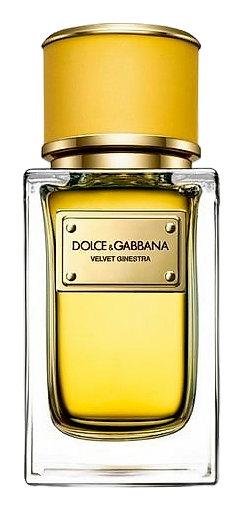
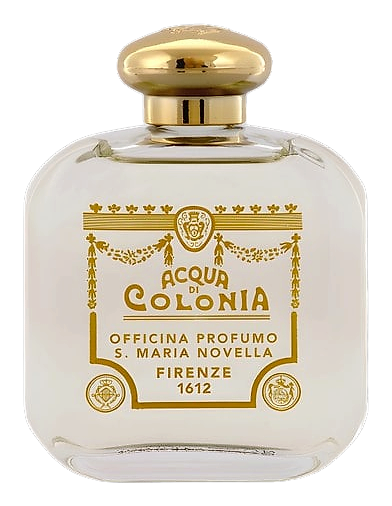
Ginestra arrived in 2001 from Santa Maria Novella, the Florentine pharmacy house that traces its lineage to Dominican friars in the thirteenth century. The fragrance takes its name from ginestra, broom, the sun-loving shrub that blooms across Mediterranean hillsides in late spring, painting landscapes in vivid yellow. The house has long drawn from botanical origins in its compositions, and Ginestra represents that tradition: a yellow floral built on Dyer's greenweed rather than more common florals like rose or jasmine. The perfumer worked with this specific plant material to capture something vegetal and green, not sweet. It's a fragrance about a moment in the Tuscan spring, before the heat arrives, when the hillsides are still fresh and the broom is in full, golden bloom.
What makes Ginestra's structure noteworthy is the Dyer's greenweed in the top. It's an unusual material, not broom absolute, but the actual plant as it appears in the wild, carrying a crisp vegetal quality that reads almost as cut stems rather than traditional floral sweetness. The heart pairs this with Narcissus, which carries its own bitter-green character alongside the sweeter African orange flower and cool violet. This creates a fragrance where warmth and restraint coexist, the orange flower wants to bloom, the violet and oakmoss pull it back. It's a composition built on tension, not consensus.
The evolution
The opening hits crisp and green, vegetal broom quality, like walking through a Tuscan hillside in early morning. Within minutes, the Narcissus arrives with its characteristic bitter-sweetness, followed by the African orange flower's unexpected warmth. The violet keeps things cool and powdery throughout the heart, even as the yellow florals gain presence. By the second hour, the oakmoss and birch base emerges, earthy, slightly mossy, a more traditional chypre structure that grounds everything. The drydown is powdery, green-mossy, intimate. Lasts six to eight hours on most skin types, settling closest to the skin after the first two hours. The sillage is moderate, noticeable to someone sitting beside you, but not across the room.
Cultural impact
Ginestra holds a respected place among fragrance enthusiasts with a distinctly old-fashioned French perfume character, reviewers compare it to vintage compositions rather than contemporary releases. Its discontinuation has made it more sought after among collectors who appreciate Santa Maria Novella's botanical approach. The violet-oakmoss base appeals to those who enjoy classical chypre structures, while the yellow florals and green Dyer's greenweed set it apart from more straightforward vintage references.