Digger Pine
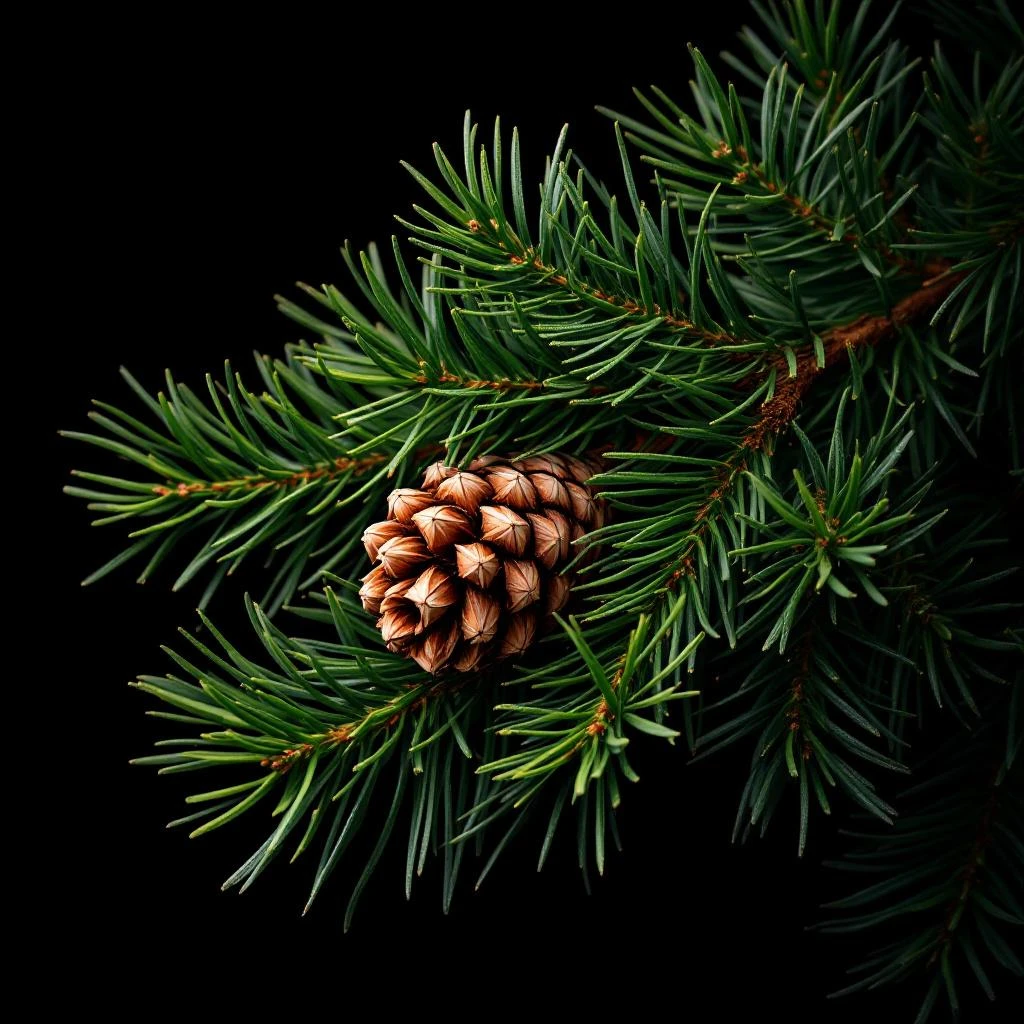
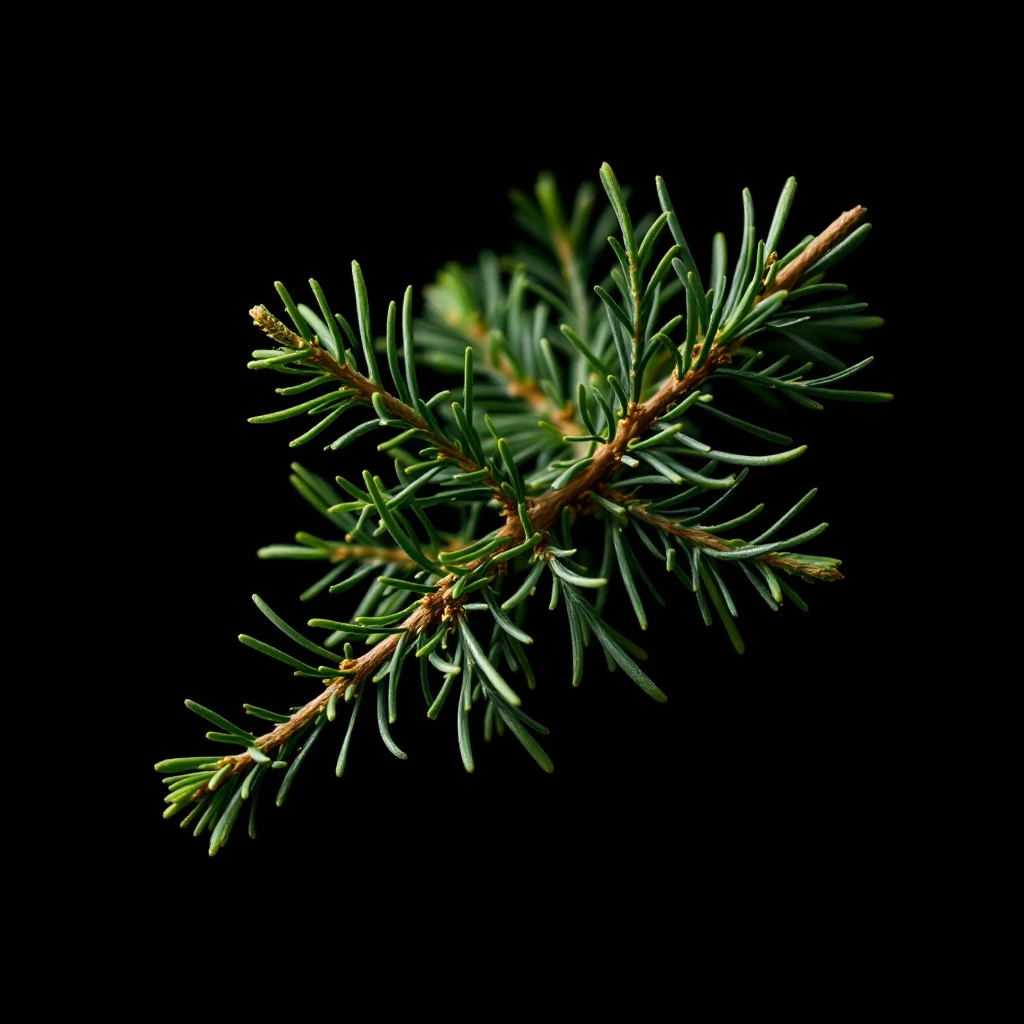
Digger pine (Pinus sabiniana) yields a resinous, nutty aromatic profile from its needles and cones. Native to California, this distinctive conifer brings a dry, woody warmth to natural perfumery.

Character
How it smells
California's resinous outlaw pine.
Gold Rush miners burned Digger pine resin as a crude torch fuel, giving the tree its rugged frontier nickname.
Origin
United States
Pinus sabiniana carries one of the most distinctive naming stories in American botany. The common name "Digger" was adopted during California's Gold Rush era, a derogatory term 19th-century settlers applied to Indigenous peoples of the Sacramento Valley and surrounding regions, referencing their traditional foraging of wild roots and pine nuts. The Digger pine itself was a dietary cornerstone for these communities, with its large edible seeds serving as a primary food source for thousands of years.
Indigenous peoples also tapped the trees for resin, using it medicinally to treat wounds, coughs, and rheumatic complaints. Early settlers quickly recognized the resin's flammability, burning it as lamp fuel and mining torches. Scottish botanist David Douglas first formally described the species in 1836 during his botanical expeditions through the Pacific Northwest and California.
The genus name Pinus traces back to the Latin pinus and the Indo-European root pīt-, meaning resin, a linguistic thread connecting modern perfumery to Bronze Age Mediterranean cultures who burned pine resin as incense.
Wears it best
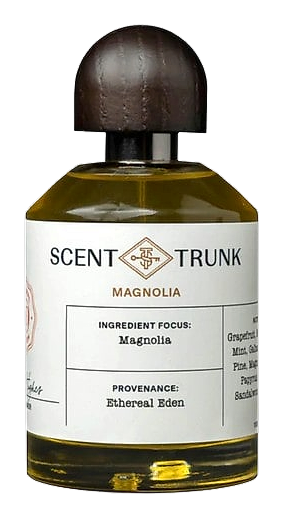
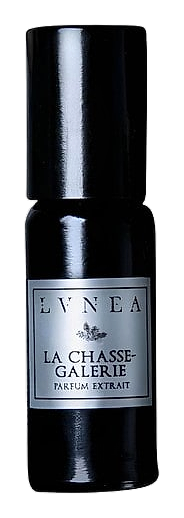
Fragrances featuring Digger Pine
Brands
Brands known for Digger Pine
Good to know
Questions, answered
The essentials on Digger Pine in perfumery: how it smells, where it comes from, and how it behaves on skin.
What does Digger pine smell like in perfume?
Digger pine produces a dry, woody, resinous scent with nutty undertones. It carries bright top notes of fresh pine needle and deeper base notes reminiscent of warm bark and dried kernels, distinguishing it from sharper European pine varieties.
Is Digger pine sustainable for fragrance use?
Yes, when sourced responsibly. The species grows abundantly across California's interior foothills and reproduces readily from seed. Sustainable harvest focuses on needle collection rather than felling, preserving mature trees that can live 80 to 100 years.
How is Digger pine essential oil different from Scotch pine?
Digger pine contains higher concentrations of sabinene, a terpene that gives it a softer, slightly spicy character. Scotch pine relies more heavily on pinene, yielding a sharper, more medicinal profile typical of Northern European forests.
Can Digger pine nuts be used in perfumery?
The edible seeds themselves are not aromatic enough for fragrance extraction. Perfumery focuses on the volatile oils in needles and the oleoresin exuded from the trunk, both of which contain concentrated terpene profiles.
Why was Digger pine resin historically valuable?
During California's Gold Rush (1848 to 1860), miners valued the resin as lamp fuel and torch material because it burned steadily with a pleasant aroma. Indigenous Californians had already used it medicinally for centuries before settler contact.
Does Digger pine oil have therapeutic properties?
Traditional uses included treating respiratory complaints and skin ailments, though modern clinical research remains limited. Like other pine oils, it contains compounds with documented antimicrobial and anti-inflammatory activity in laboratory studies.
Where does Pinus sabiniana grow naturally?
The species thrives in California's interior foothills, the western Sierra Nevada, and parts of southern Oregon. It favors dry, rocky slopes between 200 and 1,500 meters elevation, often growing alongside blue oak and chaparral species.
Is Digger pine considered endangered?
Pinus sabiniana is classified as Least Concern by conservation authorities. Populations remain stable across roughly 700,000 hectares of California habitat, though climate-driven drought has stressed some stands in recent decades.




