
The Story
Why it exists.
The beginning
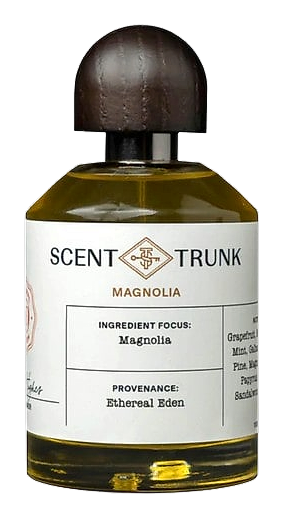
Rodney Hughes built Ethereal Eden around a question most perfumers wouldn't touch: what would a magnolia smell like after civilization ended? Not the genteel southern bloom sold in candle tins. The primordial one. Magnolia grandiflorum, the flower that's been around long enough to watch continents rearrange themselves. The fragrance centers that ancient bloom, and Hughes himself described it as drifting through the quiet of a faraway space station. Grey pine, sweet herbs, incense. A garden at the edge of something darker. Hughes called it a trip to a sacred place, and the composition reads like he meant it literally. Sacred as in older than language. Sacred as in the part of your brain that doesn't know what a perfume counter is.
What makes Ethereal Eden worth your time is the collision it sets up from the first spritz. Magnolia is usually written soft and creamy. Here it gets flanked by galbanum, a resin that smells like someone snapped a green stem and sap landed on hot metal. Mint sharpens the edges further. Grey pine and papyrus hold the structure like bones. The sandalwood in the base gives the incense somewhere warm to land, so the whole thing doesn't disappear into thin air. The orris root adds a powdery, almost suede-like grip that makes the florals feel sculpted rather than airy.
The evolution
The first 15 minutes are green and sharp. Grapefruit, galbanum, and mint land together like a cold wind through pine needles. It's almost bracing. Some people want to wash it off in this window. Don't. The heart arrives around the 30-minute mark and it's where magnolia finally speaks, but not alone. The orris warms, the herbs settle, and the incense starts threading through everything like smoke caught under a door. This is the part that gets comments. From hour two onward, the base does what Mysore sandalwood does best. The whole composition softens into something creamy and resinous. The mint is gone. The galbanum recedes. What remains smells like warm wood, faint incense, and the memory of a flower you can't quite name. On fabric the drydown lingers through the next morning. Plan accordingly.
Cultural impact
Ethereal Eden earns attention from wearers who want florals that refuse to behave like florals: the magnolia here has the gravitas of incense and the bite of green resin, which puts it closer to contemplative niche houses than to anything in the mainstream fragrance conversation. It's a fragrance for collectors already fluent in the language of solifloures and looking for something stranger. The galbanum opening alone sets expectations, and the magnolia that arrives afterward refuses to soften into the creamy-petals stereotype. Wearers describe it as a bloom with a backstory, something closer to an imagined ecosystem than a perfume.