Moonshine whiskey
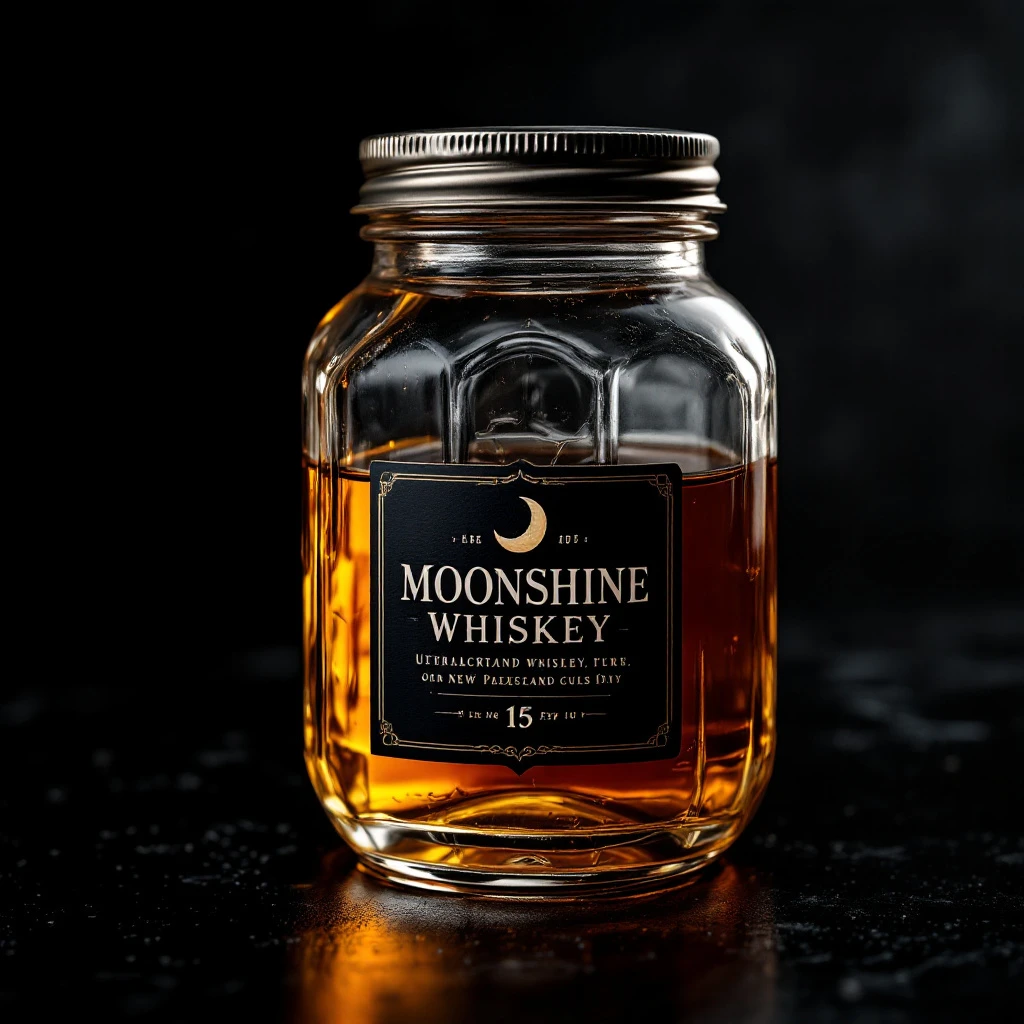
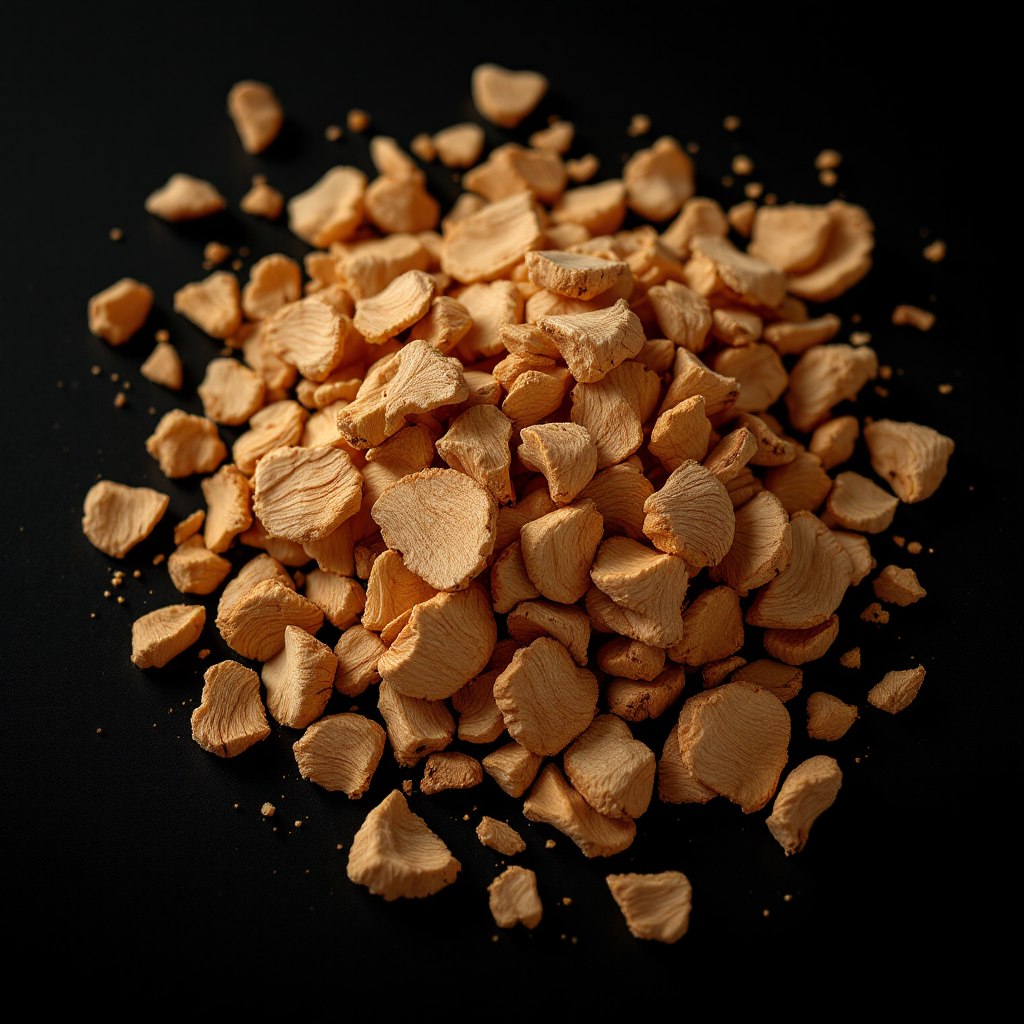
Unaged corn whiskey captures the rebellious spirit of clandestine mountain distilling. Warm grain, raw sweetness, and fierce alcohol warmth converge in a note that smells like bootlegger nights and backcountry resourcefulness. A fragrance accord inspired by America's most defiant spirit.
Character
How it smells
The raw, unaged spirit of American backcountry rebellion.
The name "moonshine" comes from the British term for work done by the light of the moon, describing clandestine nighttime distilling.


Origin
United States
Moonshine entered American culture in the late 18th century, when Irish and Scottish immigrants brought their distilling traditions to the colonies. The practice exploded in 1791, when the newly formed federal government imposed a tax on distilled spirits to pay off Revolutionary War debts. For rural farmers, converting grain into whiskey made economic sense: spirits were easier to transport and store than corn, and could be sold for desperately needed cash.
When authorities began enforcing the tax, distilling shifted underground, giving the spirit its outlaw reputation. Appalachian families passed recipes and techniques through generations, each producing distinctive variations based on local grain, proprietary yeast strains, and closely guarded methods. During Prohibition, moonshine production became embedded in Southern mountain culture as both economic necessity and quiet defiance.
Today, the spirit represents American resourcefulness, a testament to rural communities who transformed surplus grain into something more valuable.
Wears it best
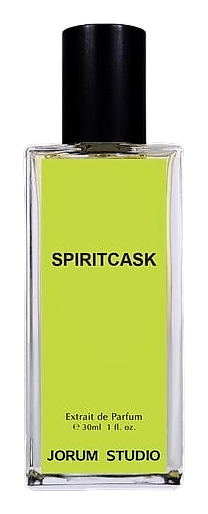
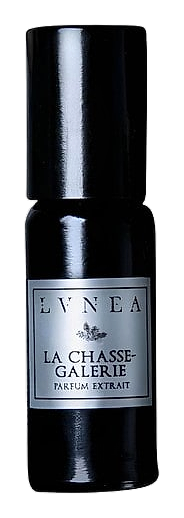
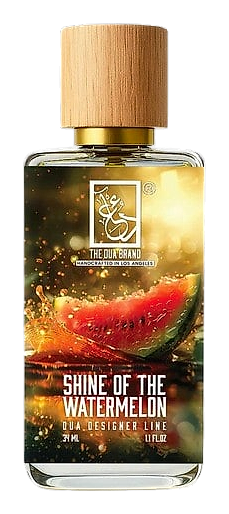
Fragrances featuring Moonshine whiskey

Brands
Brands known for Moonshine whiskey
Good to know
Questions, answered
The essentials on Moonshine whiskey in perfumery: how it smells, where it comes from, and how it behaves on skin.
What does moonshine whiskey smell like in fragrance?
Moonshine whiskey accord smells like raw, unaged corn whiskey: warm grain sweetness, sharp alcohol bite, and subtle vanilla undertones. It evokes the bold, unrefined character of bootleg spirits without using actual alcohol.
Is actual whiskey used in fragrance production?
No. Perfumers recreate the aroma using synthetic and nature-identical aroma chemicals that capture whiskey's distinctive profile. The result captures the spirit's character without any actual alcohol content.
Where does the term 'moonshine' originate?
The term originated in the British Isles, where it described any work done by the light of the moon. It became attached to illicit distilling because production happened at night to avoid detection.
What grain is traditional moonshine made from?
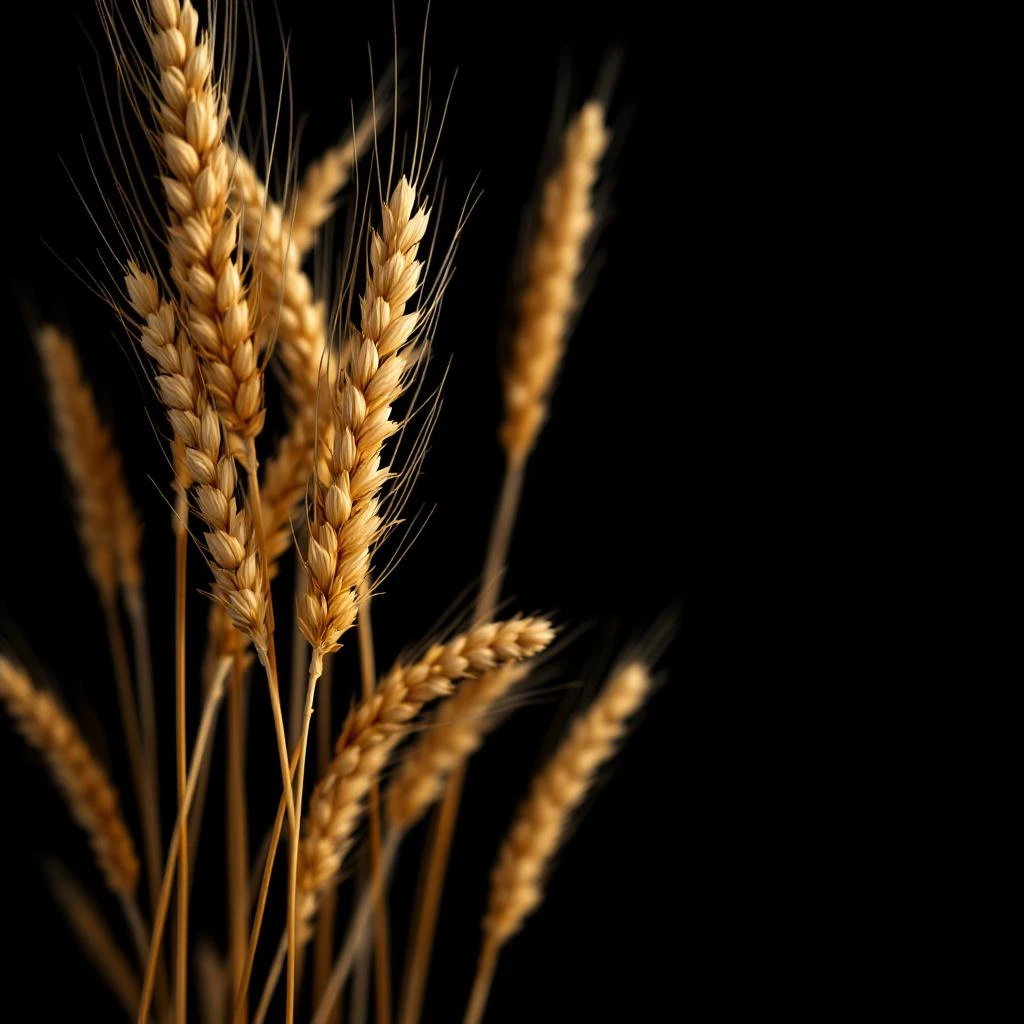
Traditional American moonshine is made primarily from corn mash. Federal taxation on spirits began in 1791 in Pennsylvania, with farmers converting corn and grains into portable spirits as an economic survival strategy.
How did moonshine become associated with Southern culture?
Irish and Scottish immigrants brought distilling traditions to America in the 18th century. When federal whiskey taxes made legal production difficult, Appalachian and Southern rural communities developed clandestine production as a reliable income source.
What gives moonshine its distinctive aroma?
The aroma comes from fermented corn and sweet grains, with distinct character from the specific yeast strains used. In perfumery, isoamyl alcohol provides sweet grain notes while acetaldehyde adds sharp alcohol warmth.
Does moonshine contain oak flavors like aged whiskey?
No. Traditional moonshine is unaged, meaning it lacks the oak barrel characteristics found in aged bourbons or scotches. This gives it a raw, grain-forward quality that perfumers replicate through sweet corn and fresh alcohol notes.
What family traditions influenced moonshine's character?
Mountain families developed proprietary yeast strains and brewing methods passed through generations, creating distinct regional flavor profiles. Some recipes can be traced back over 150 years of continuous family production in Appalachian communities.