Dark Opal Basil
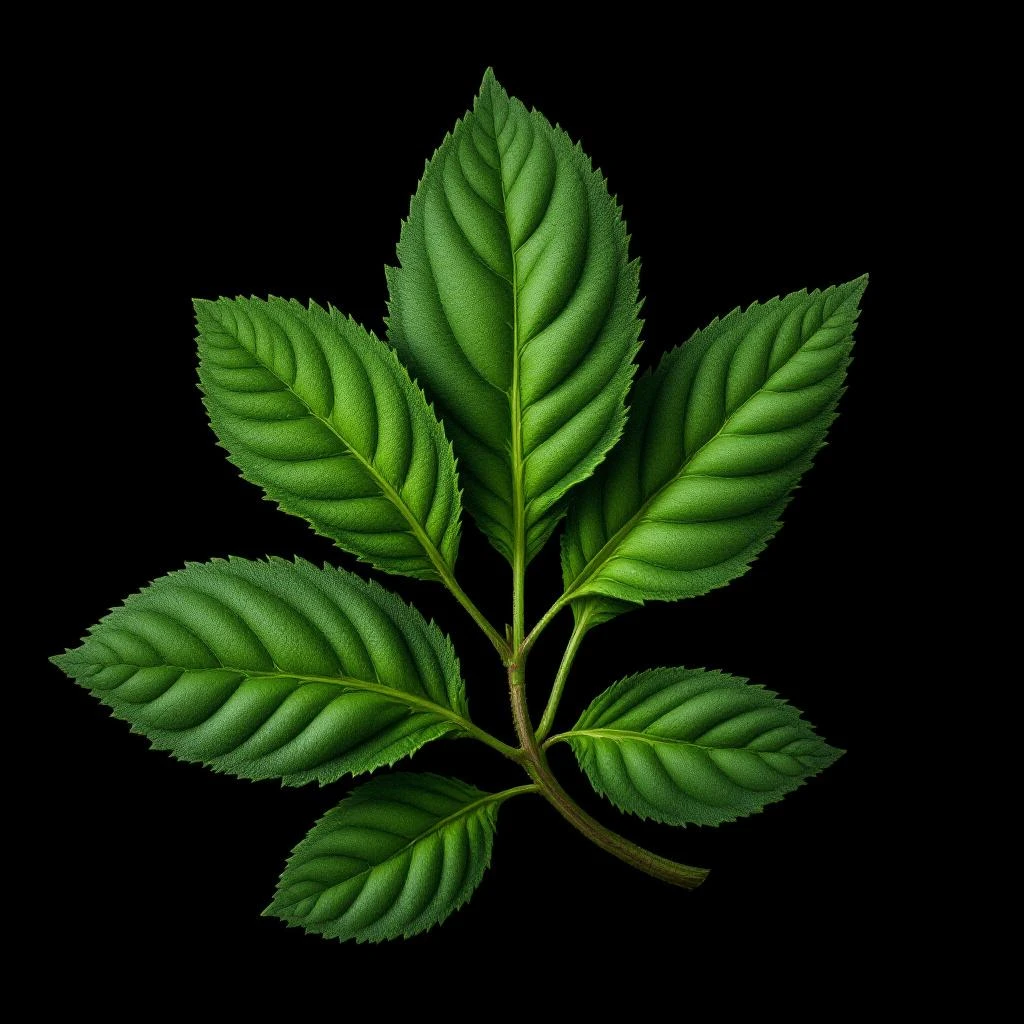
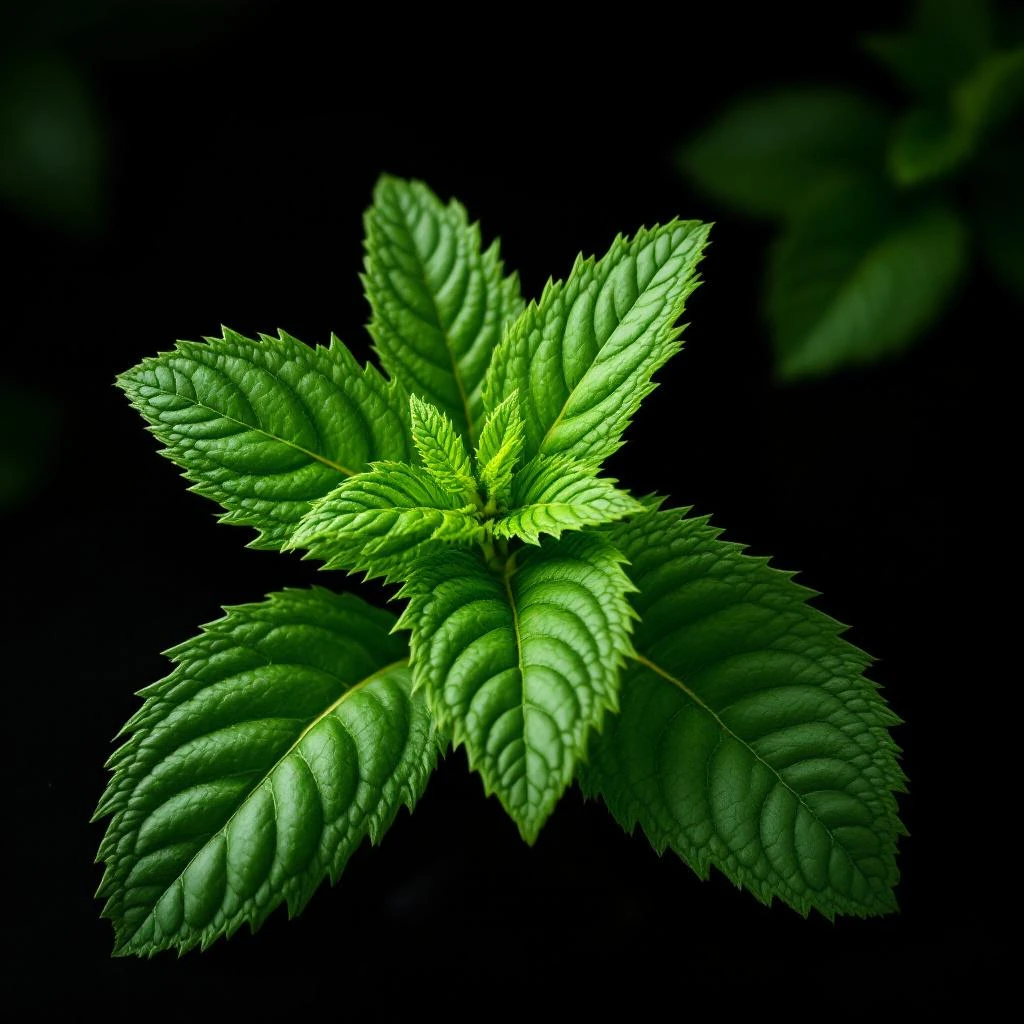
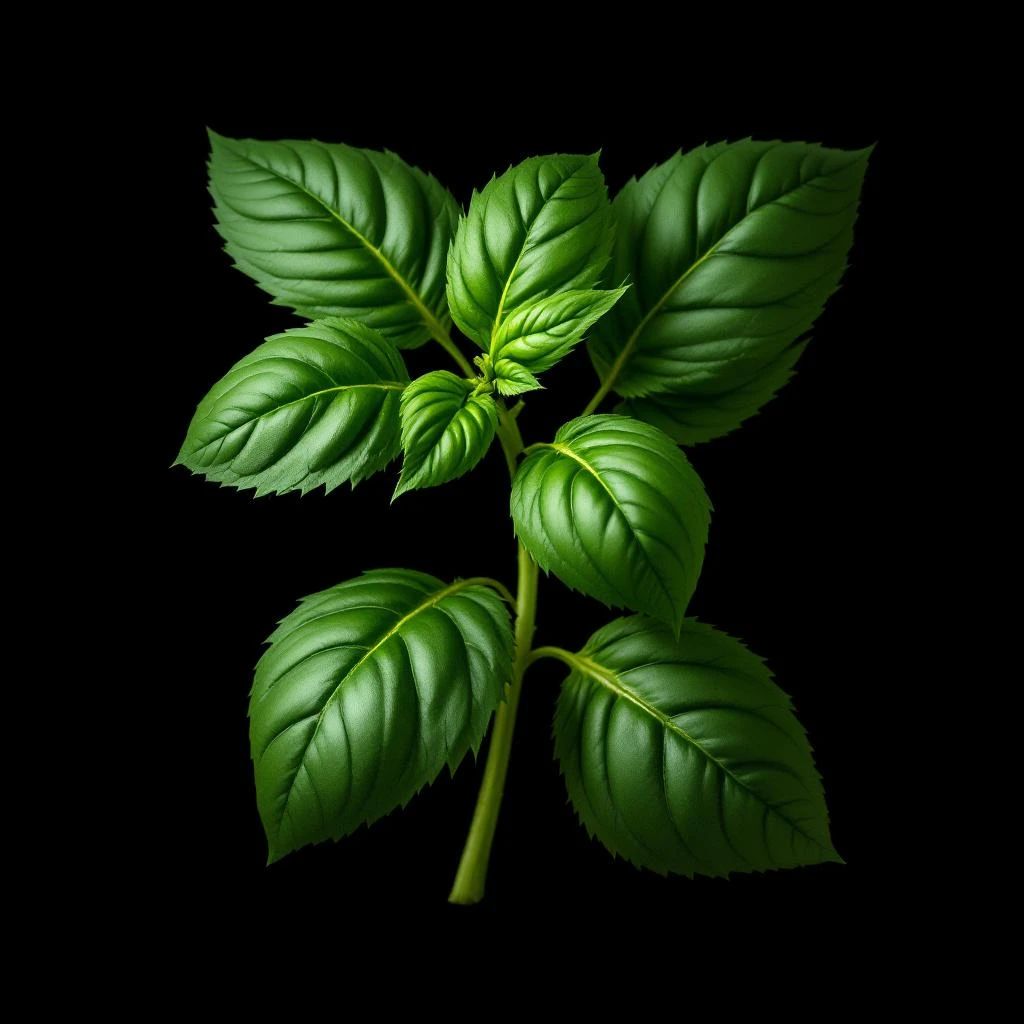
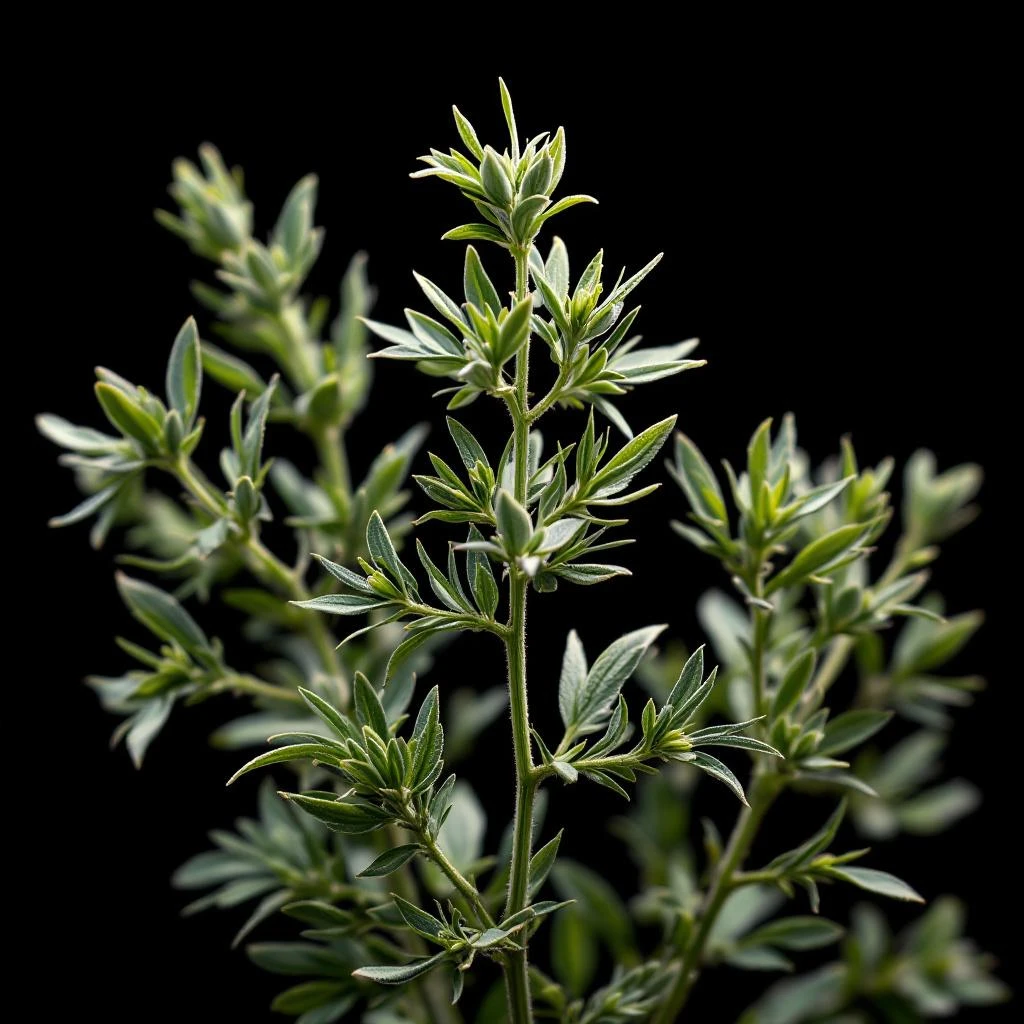
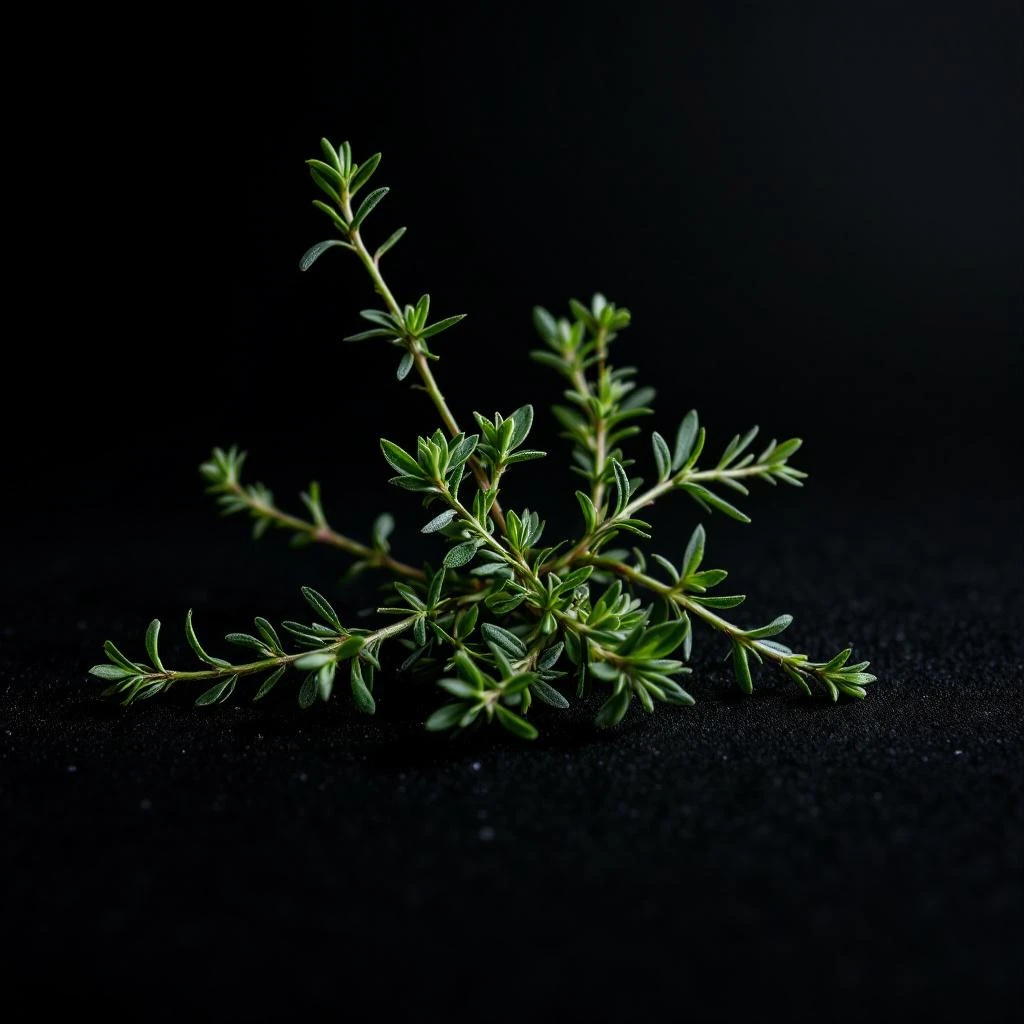
Dark Opal Basil brings a violet-stemmed twist to classic basil: spicier, warmer, and edged with anise and clove. This heirloom herb's dark leaves yield an aromatic oil prized for adding depth to green and aromatic compositions.
Character
How it smells
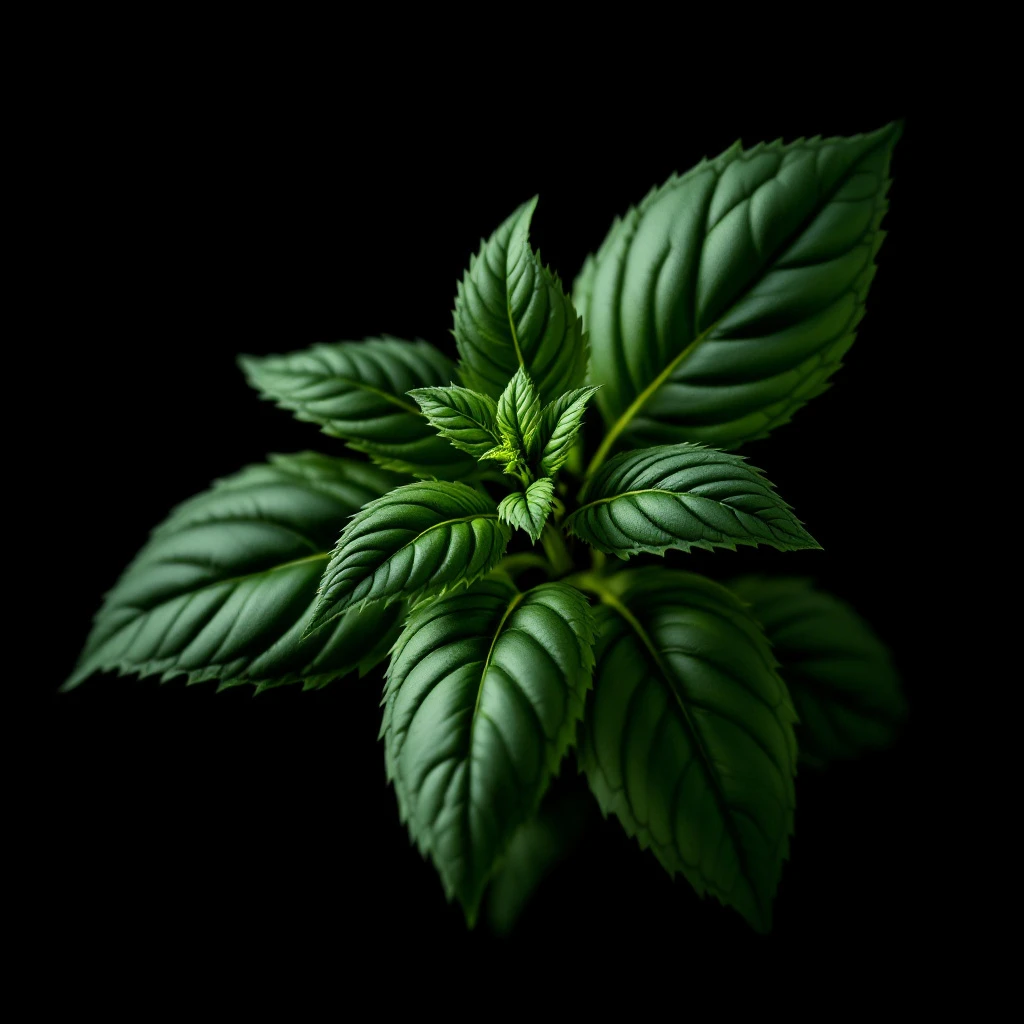
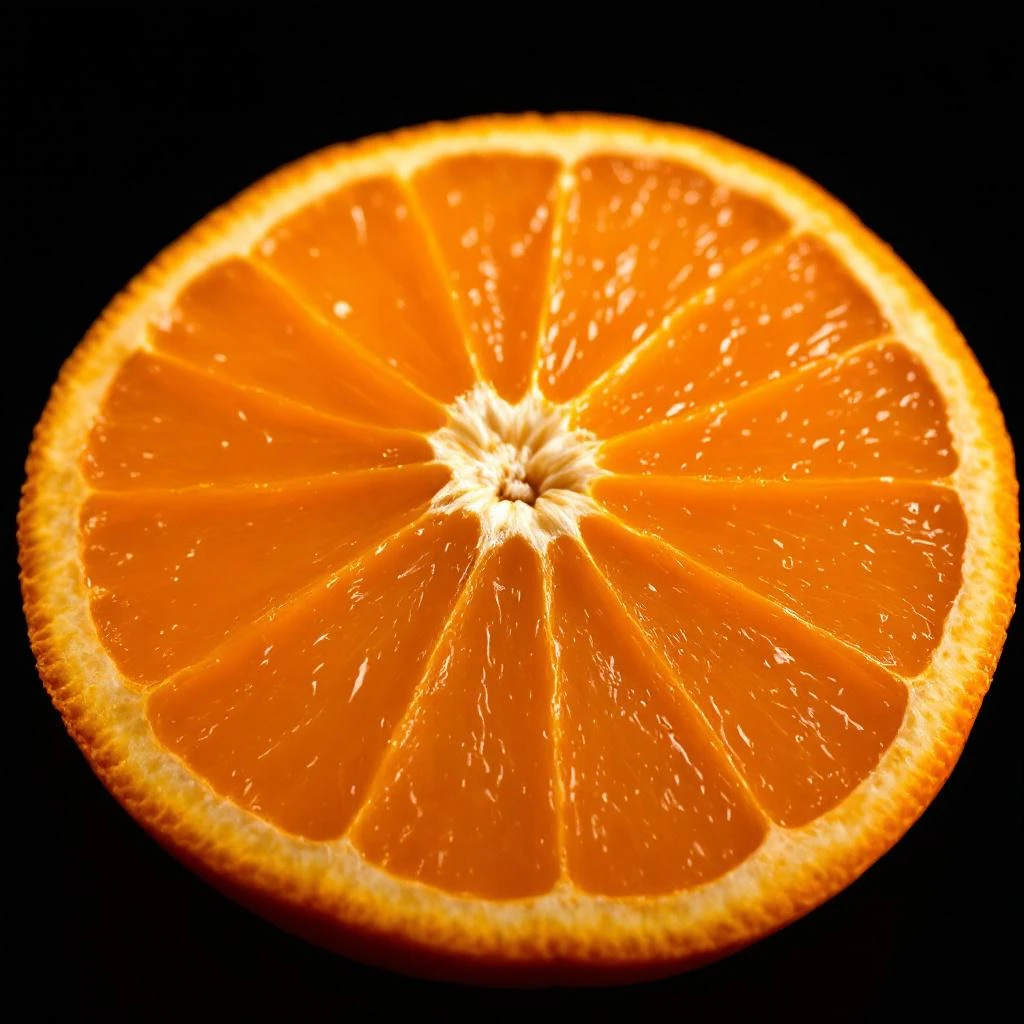
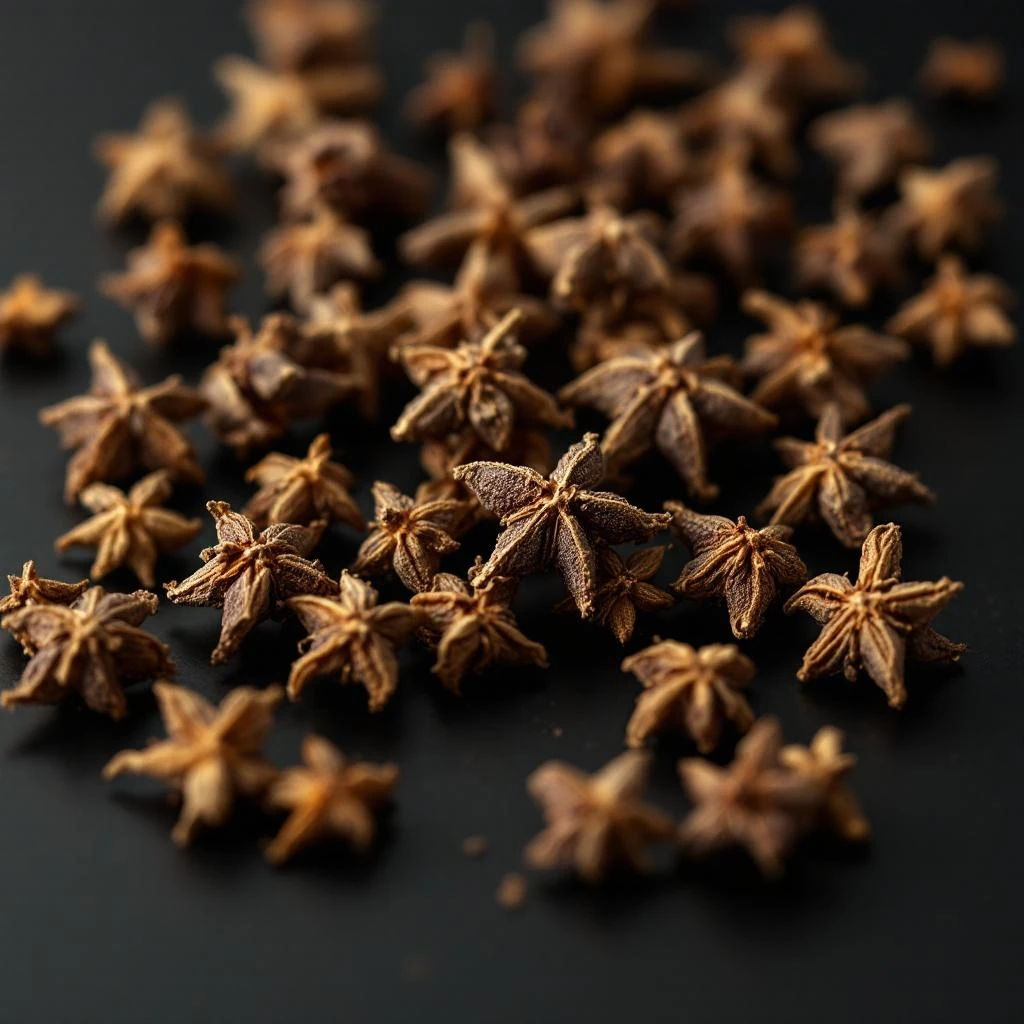
Purple leaves, warmer spice.
Dark Opal Basil was developed in the 1950s as an ornamental variety, and its deep purple pigmentation comes from anthocyanins, the same compounds that color red wine.


Origin
United States
Basil carries one of the oldest pedigrees in the botanical world, with cultivation records stretching back over 5,000 years to ancient India and Southwest Asia. Its name derives from the Greek "basilikon phuton," meaning "royal plant," a nod to its ceremonial importance across Mediterranean cultures.
Ancient Egyptians included basil in embalming rituals and placed it in tombs alongside the dead. Dark Opal Basil emerged in the mid-twentieth century as a deliberate ornamental cultivar, bred for its dramatic purple foliage rather than culinary use.
The variety carries the same species name, Ocimum basilicum, but its anthocyanin-rich leaves produce a distinctive aromatic profile that perfumers began exploring decades later. Its dual identity as kitchen herb and perfume ingredient keeps basil rooted in both the garden and the fragrance laboratory.
Wears it best
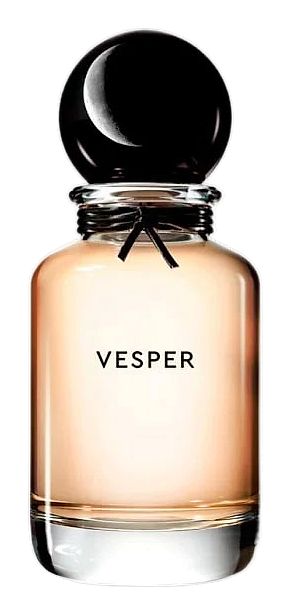
Fragrances featuring Dark Opal Basil
Brands
Brands known for Dark Opal Basil
Good to know
Questions, answered
The essentials on Dark Opal Basil in perfumery: how it smells, where it comes from, and how it behaves on skin.
What does Dark Opal Basil smell like in perfume?
Dark Opal Basil carries a warmer, spicier profile than common green basil, with prominent anise and clove facets layered over a herbaceous green base. The purple-leaf variety adds subtle sweet-balsamic undertones that distinguish it from its green cousin.
How is Dark Opal Basil oil extracted?
Steam distillation remains the standard method. Fresh leaves and flowering tops pass through a steam chamber that ruptures the oil glands, then the vapor condenses and separates into essential oil and hydrosol. The process requires roughly 100 kg of herb per kilogram of oil.
Where does Dark Opal Basil come from?
Dark Opal Basil was developed in the United States during the 1950s as an ornamental cultivar of Ocimum basilicum, though the parent species originates in India and Southwest Asia. Today it is grown in herb gardens and small farms across temperate regions worldwide.
Is Dark Opal Basil natural or synthetic?
Authentic Dark Opal Basil essential oil is entirely natural, steam-distilled from the fresh plant. Synthetic versions of basil's signature compounds, like estragole and linalool, do exist and appear in some commercial fragrance bases for cost reasons.
What is the difference between Dark Opal Basil and regular basil?
Both belong to Ocimum basilicum, but Dark Opal Basil's anthocyanin-rich purple leaves produce a different aromatic profile. Regular green basil tends toward bright, fresh herbal notes, while Dark Opal leans warmer with more pronounced clove and anise character.
How long does basil last in a fragrance composition?
Basil oil functions primarily as a top to middle note, with typical longevity of 30 minutes to 2 hours on skin. Its volatile terpenes evaporate quickly, which is why perfumers pair it with heavier base notes like vetiver or patchouli to extend wear time.
What perfumes use Dark Opal Basil?
Dark Opal Basil appears in several artisan and niche fragrances seeking a distinctive green-spicy note. It is less common than generic basil oil, which features in mainstream releases from houses like Santa Maria Novella and various Italian perfumeries.
Is Dark Opal Basil safe for skin?
Diluted basil oil is generally considered safe in fragrance applications, though it contains estragole, a compound flagged by some regulatory bodies at high concentrations. Standard perfumery dilutions keep exposure well below safety thresholds established by IFRA.