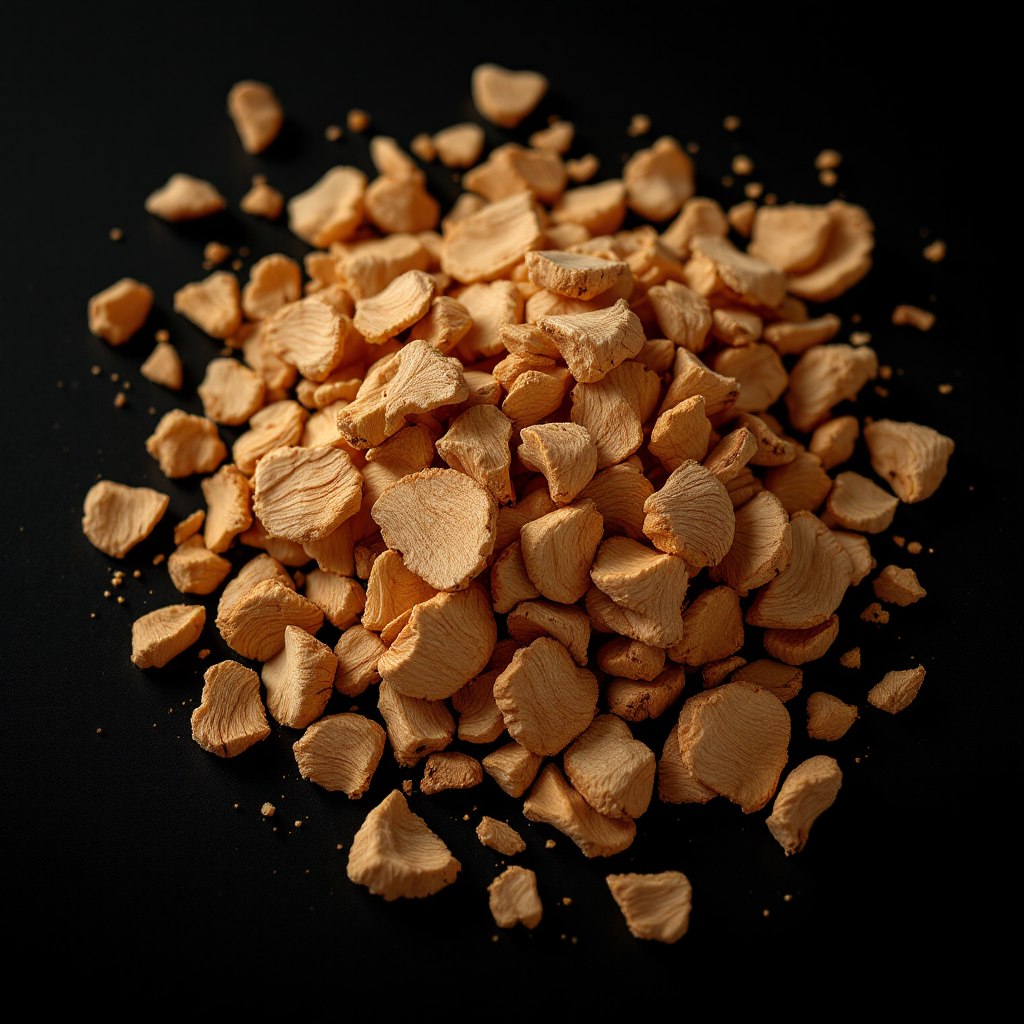
Colombian Gaiac Wood
Colombian Gaiac Wood delivers a smoky, tea-like warmth with hints of honeyed resin. Sourced from South American heartwood, it anchors masculine and unisex compositions with quiet depth.
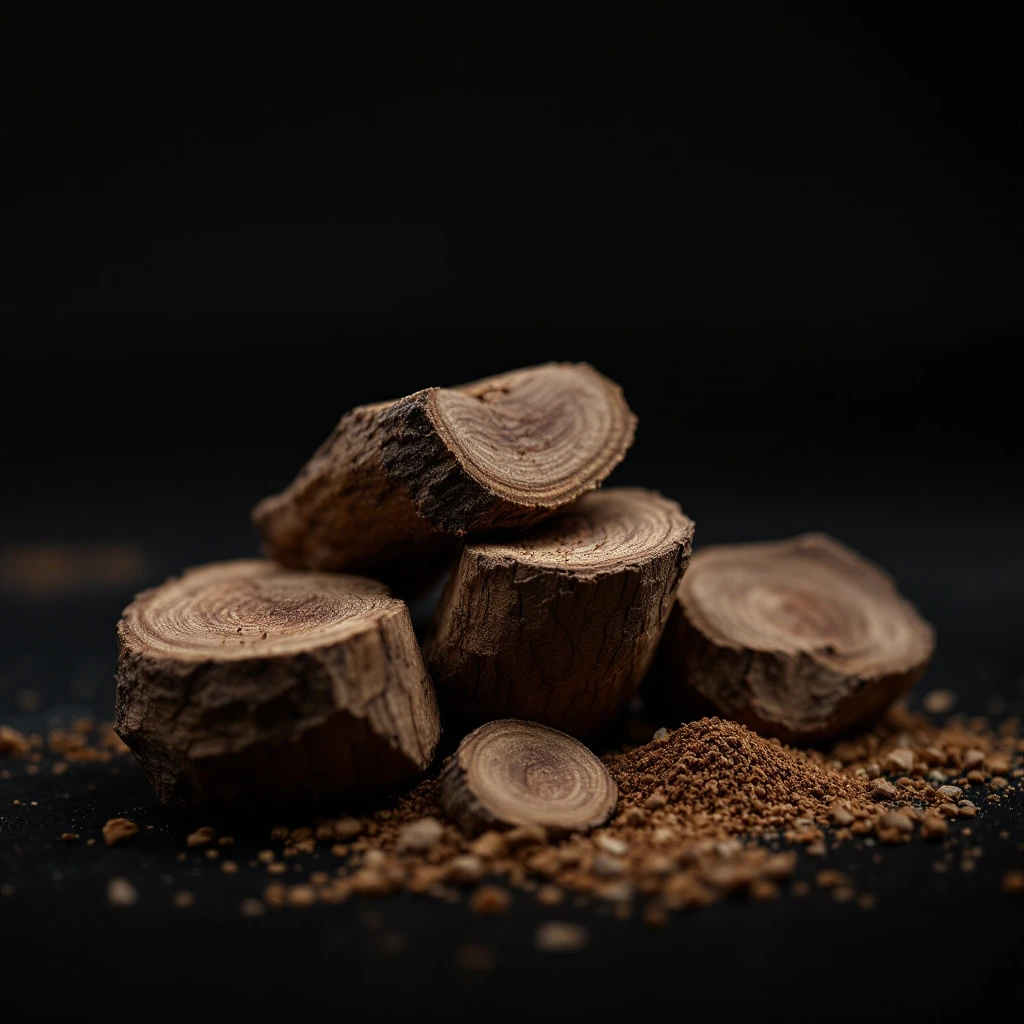
Character
How it smells
Smoldering heartwood with quiet sophistication
Guaiac wood has treated ailments among Indigenous peoples since the 16th century, long before perfumers discovered its aromatic gifts.






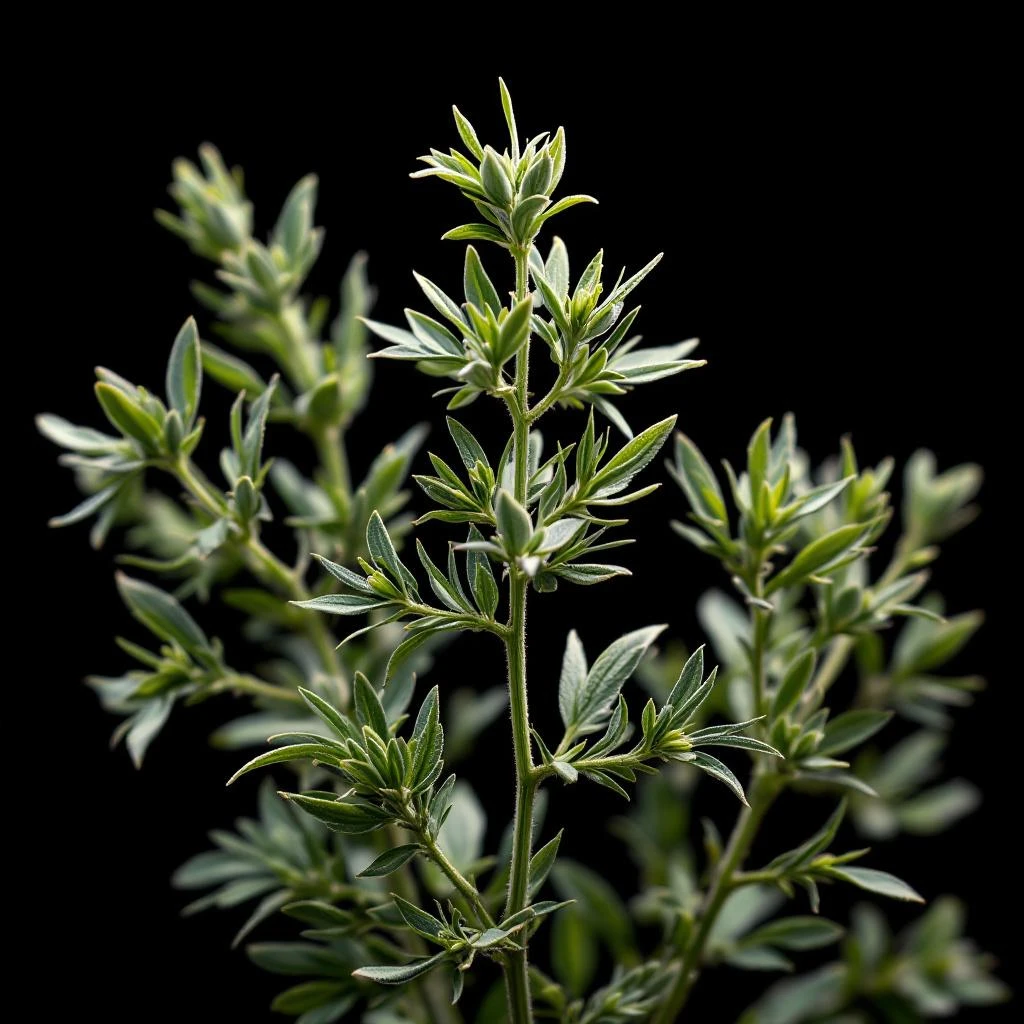
Origin
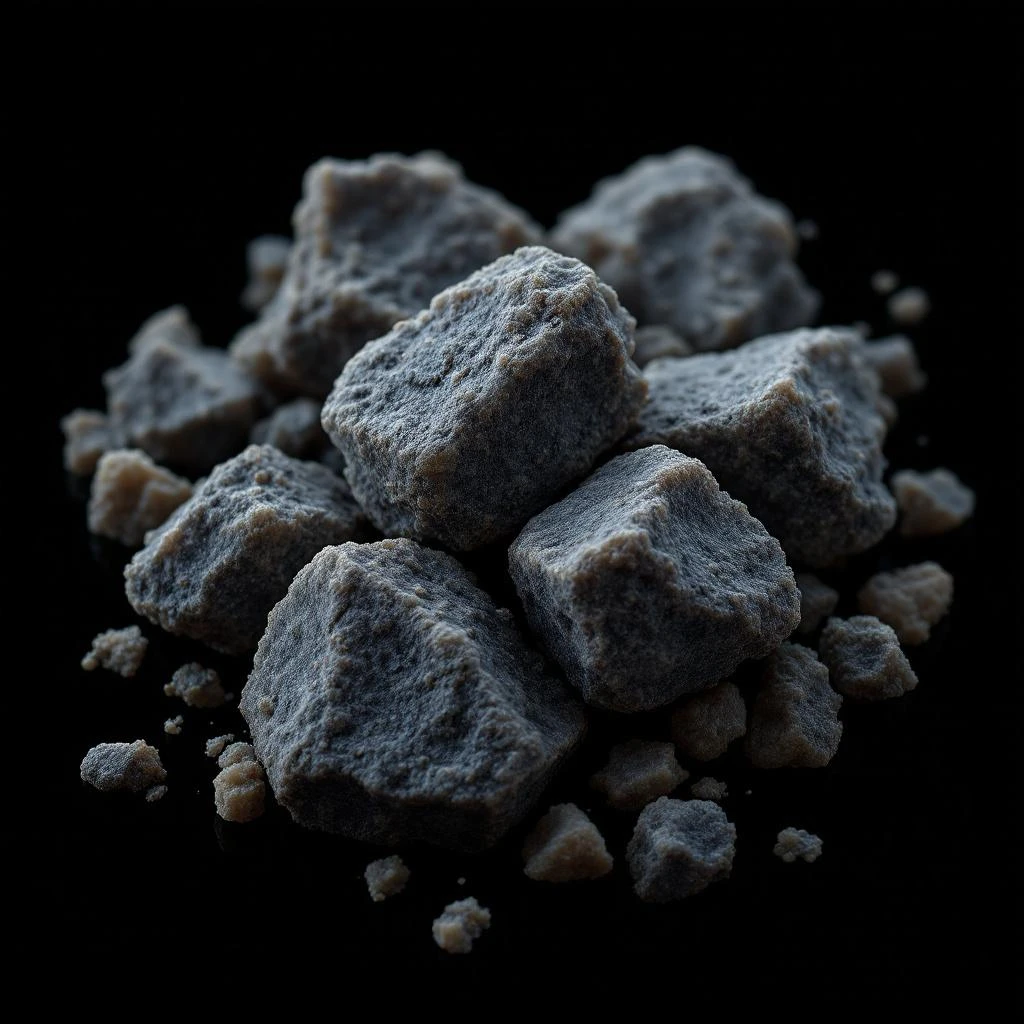
Colombia
Guaiac wood entered European awareness in the early 1500s, when Indigenous communities across Central and South America had already relied on it for treating serious illnesses, including syphilis, which Spanish physicians attempted to combat with imported timber. The wood earned a reputation as a near-miraculous remedy, and demand surged across Europe. Pharmacists and apothecaries stocked guaiac blocks alongside other medicinal imports.
By the 19th century, the aromatic qualities of the heartwood caught the attention of perfumers seeking novel base notes. Steam-distilled guaiacwood oil became a fixture in masculine fougères and oriental compositions, valued for its tenacious, slightly sweet smokiness. The Bulnesia sarmientoi species became the preferred source, distinct from Palo Santo, which belongs to a different botanical genus.
Today, Colombian and Paraguayan production sustains the supply, though ecological concerns have prompted stricter oversight and replanting initiatives.
Wears it best
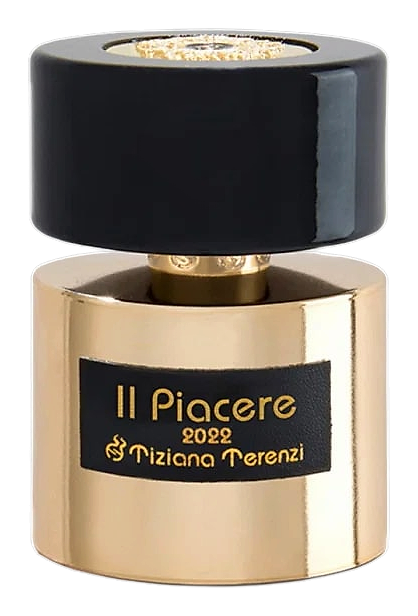
Fragrances featuring Colombian Gaiac Wood
Brands
Brands known for Colombian Gaiac Wood
Good to know
Questions, answered
The essentials on Colombian Gaiac Wood in perfumery: how it smells, where it comes from, and how it behaves on skin.
What does Colombian Gaiac Wood smell like in perfume?
It carries a smoky, woody aroma with honeyed sweetness and a faint tea-like dryness. The scent is soft rather than sharp, blending warm resinous undertones with subtle leather and balsamic facets that emerge as the oil ages on skin.
Is Gaiac Wood the same as Palo Santo?
No. Perfume-grade Gaiac Wood oil comes from Bulnesia sarmientoi, a tree native to South America. Palo Santo refers to Bursera graveolens, a different species traditionally burned as incense in spiritual ceremonies.
Why is Gaiac Wood used as a base note?
Its sesquiterpene-rich oil fixes volatile top and heart notes while extending a composition's lifespan. The dense molecular structure slows evaporation, allowing the woody warmth to linger for hours after lighter notes fade.
Where does Colombian Gaiac Wood come from?
The Bulnesia sarmientoi tree grows across the Gran Chaco, a lowland region spanning Colombia, Paraguay, and Argentina. Colombian sourcing draws from managed wild groves where sustainable harvesting practices have replaced older clear-cut methods.
Is Gaiac Wood sustainable?
Concerns about overharvesting led to CITES listing in 2010, restricting international trade. Certified operations in South America now practice selective cutting and replanting, though supply remains limited compared to synthetic alternatives.
What perfumes feature Gaiac Wood?
Gaiac Wood appears in classics like Guerlain Habit Rouge and Carven Vetiver, alongside modern releases from independent houses exploring smoky masculine accords. It frequently anchors fougère and woody oriental compositions.
Can Gaiac Wood oil be replaced with synthetics?
Synthetic guaiacol and Iso E Super approximate some facets, but lack the full depth of natural oil. Perfumers seeking authentic warmth often blend synthetics with small percentages of genuine distillate to balance cost and character.
What are the main aromatic compounds in Gaiac Wood?
Guaiol and bulnesol dominate the oil's chemical profile, both sesquiterpene alcohols contributing to its woody sweetness. Smaller amounts of guaiene and patchoulene add earthy undertones that round out the fragrance.