Cherry Plum
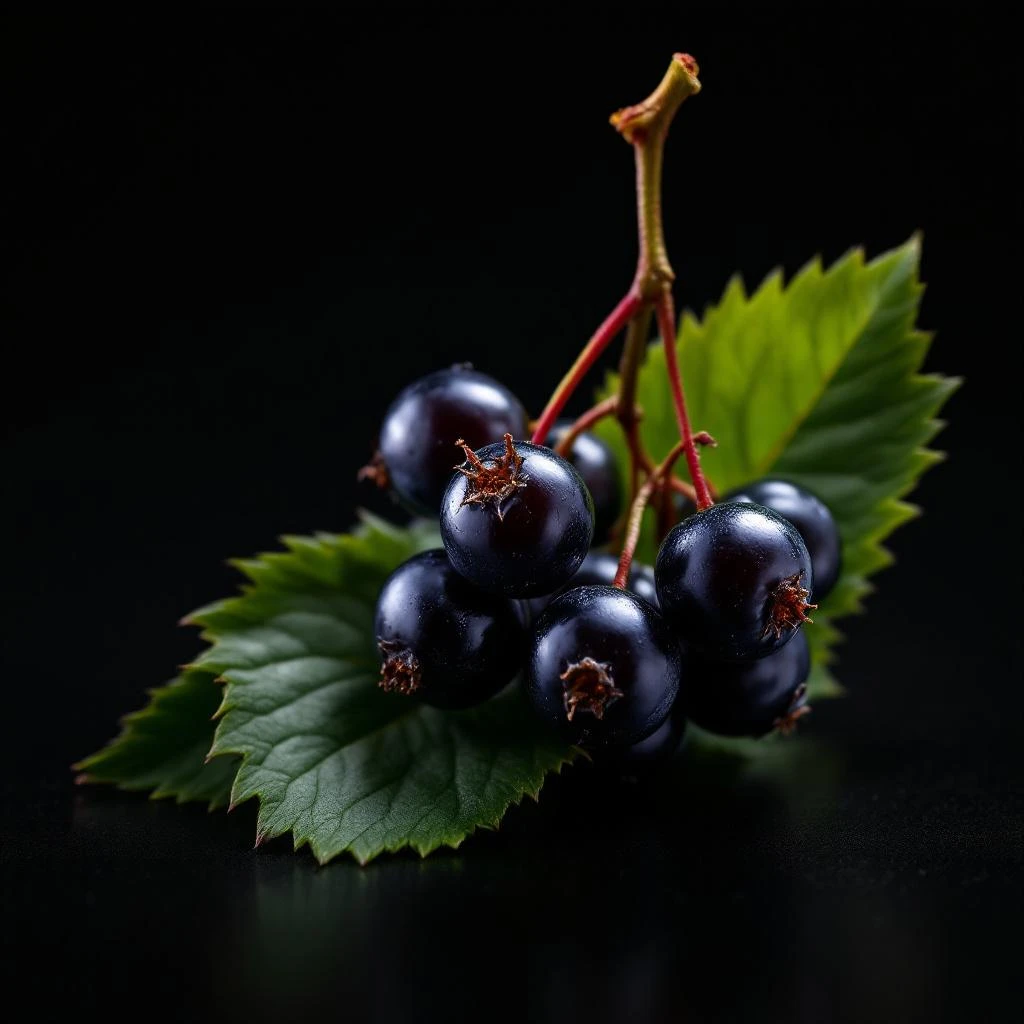
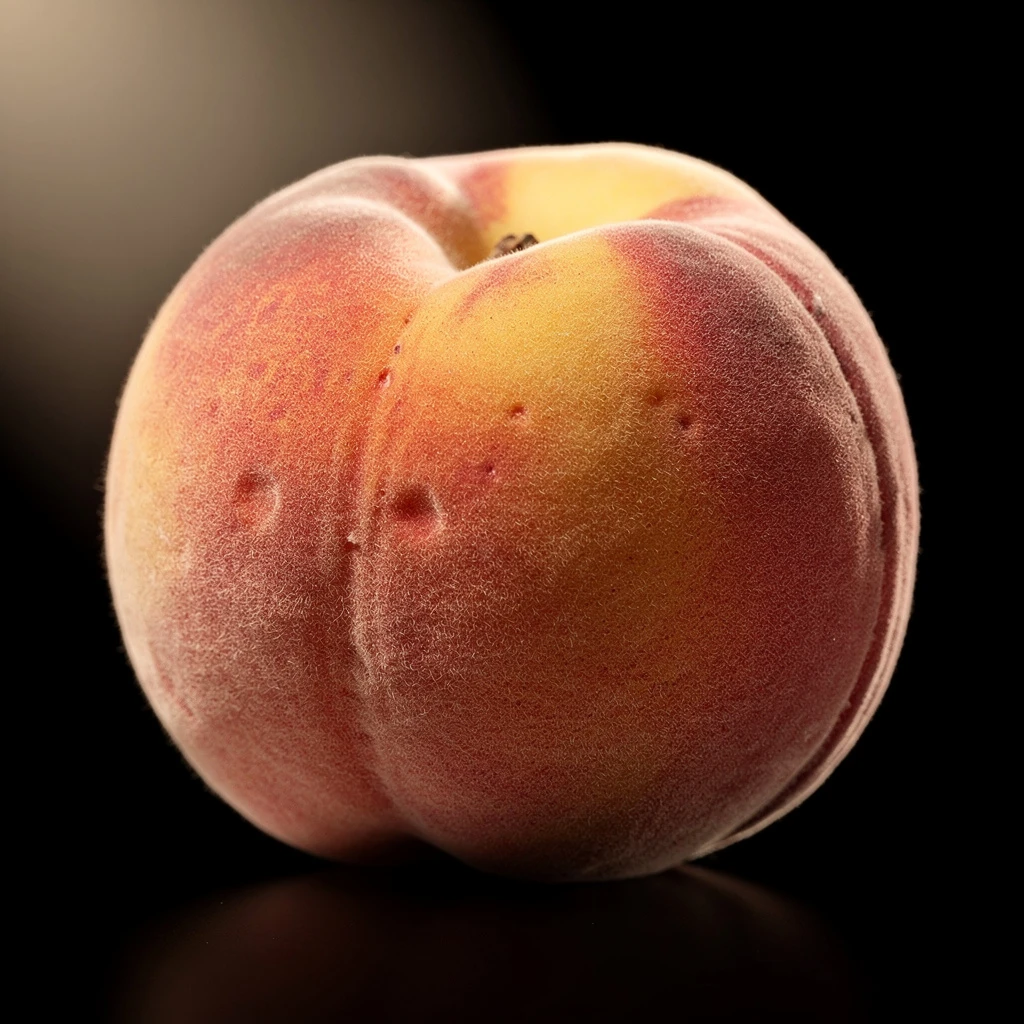
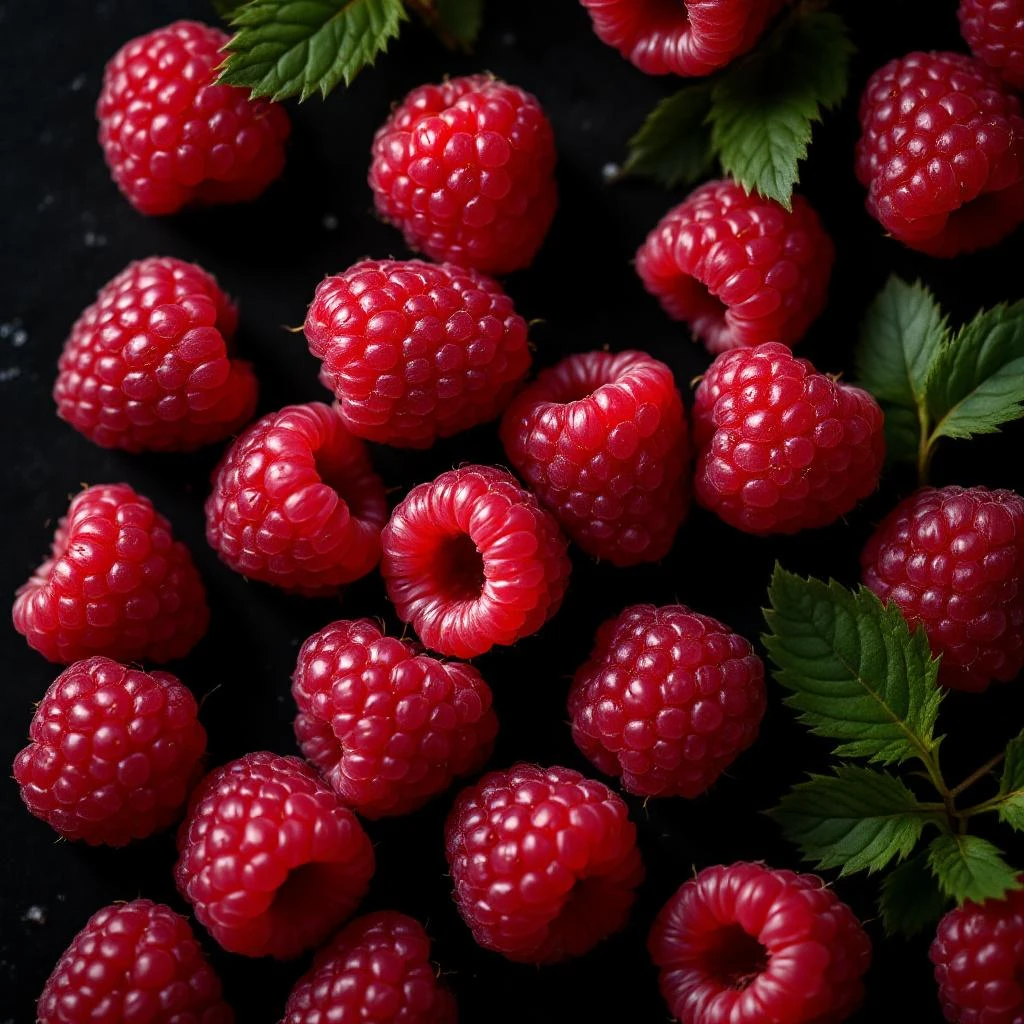
Cherry Plum blends the bright, almond-tinged tartness of cherry with plum's soft, jammy depth. The result is a warm fruit accord that reads as tender and luminous, lending sweetness that never overwhelms. This note appears across perfumery as a bridge between crisp top notes and rich heart compositions.
Character
How it smells
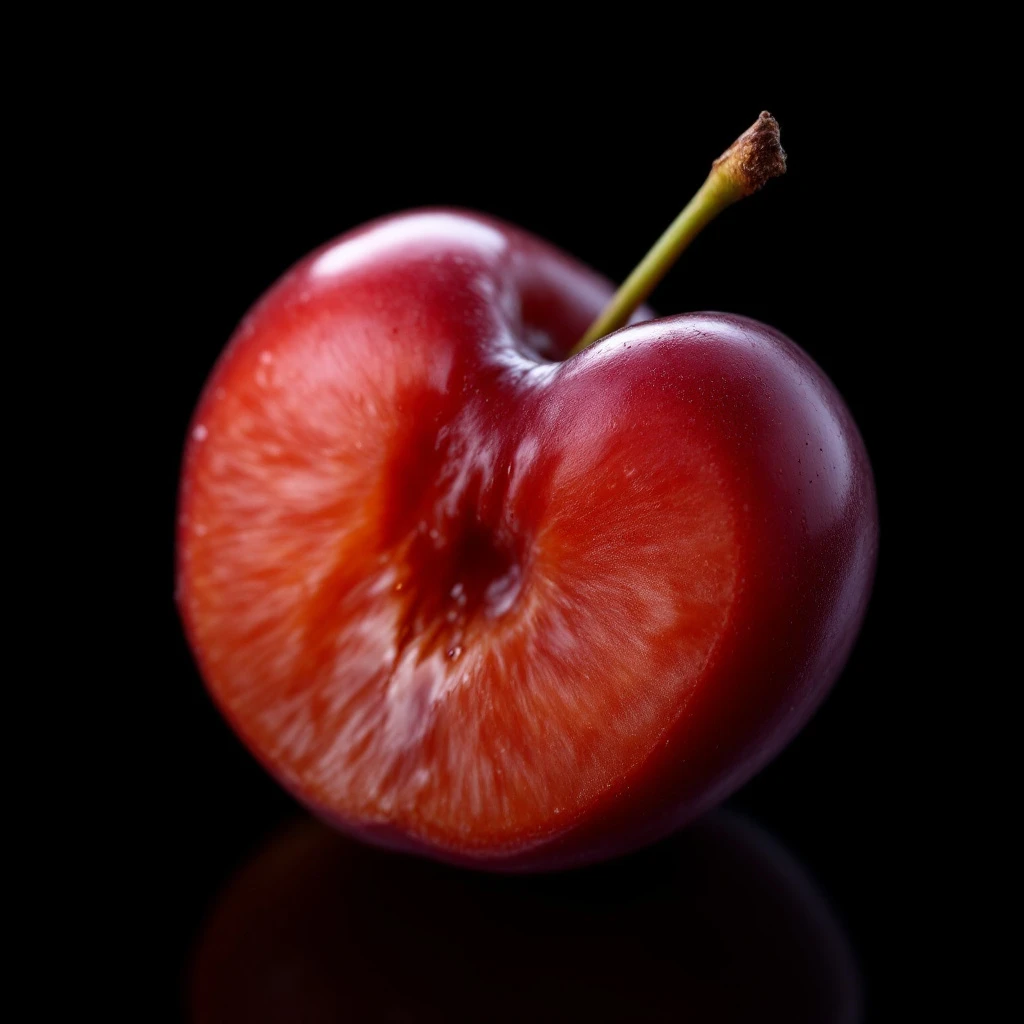
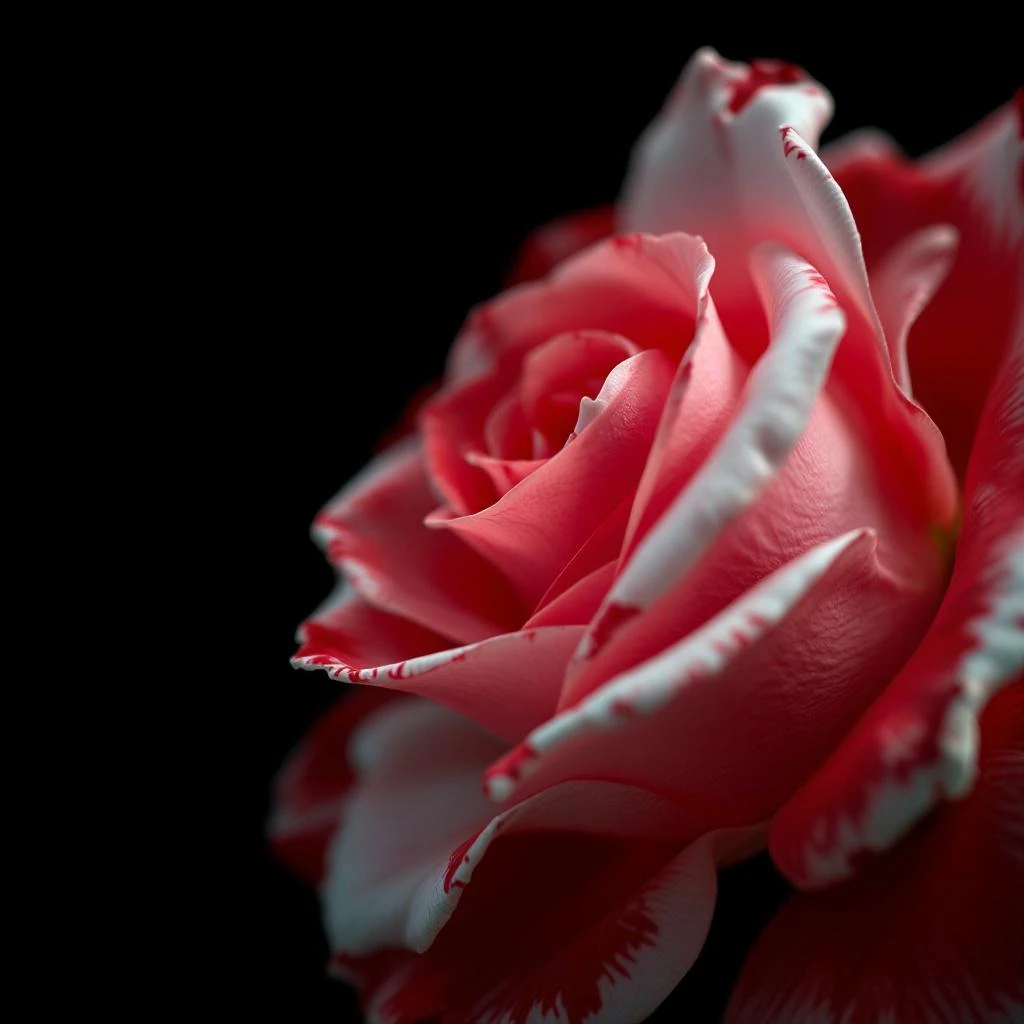
Bright cherry softened by plum's velvet depth
Neither cherry nor plum can be extracted as essential oils. Every Cherry Plum note in fragrance is lab-created from molecules like benzaldehyde.

Origin
Laboratory origin
Fruit notes entered Western perfumery as synthetic chemistry developed in the early 20th century. Before lab-created molecules, perfumers worked with natural materials that limited fruity expression. The popularization of absolutes and synthetic aromatics in the 1920s and 1930s opened new creative territory.
Cherry connected to bitter almonds and benzaldehyde, a molecule first isolated in 1832. Plum required more complex reconstruction since no single molecule captures its character. Perfumers assembled multiple aromatic materials to achieve plum's distinctive dark, jammy quality.
Today Cherry Plum appears across fragrance families from bright florals to deep orientals, adding fruit warmth without the instability of natural extracts. The accord represents modern perfumery's ability to recreate nature's complexity through scientific precision, giving perfumers consistent, workable materials that hold true across batches and time.
Wears it best
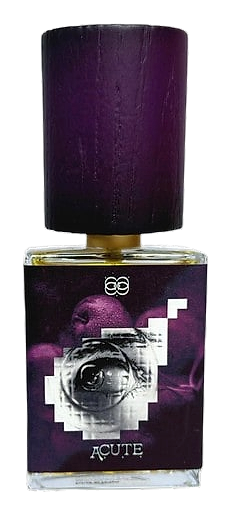
Fragrances featuring Cherry Plum

Brands
Brands known for Cherry Plum
Good to know
Questions, answered
The essentials on Cherry Plum in perfumery: how it smells, where it comes from, and how it behaves on skin.
Is Cherry Plum a natural or synthetic ingredient?
Cherry Plum is synthetic. Direct extraction from either fruit is not feasible due to high water content and insufficient aromatic compounds in the raw material.
What molecules create the Cherry Plum scent?
The accord centers on benzaldehyde for cherry's almond character, benzyl acetate for sweet floral lift, and benzyl alcohol for warm softness that ties the composition together.
How does Cherry Plum smell?
The note reads as bright and tart with an almond undertone from cherry, balanced by plum's velvety, jammy depth. It feels warm and fruity without being saccharine.
When did fruit notes become common in perfumery?
Fruit notes became prominent in Western perfumery during the early 20th century as synthetic aromatic chemistry developed, particularly in the 1920s and 1930s.
Which fragrance families use Cherry Plum?
Cherry Plum appears across fruity, floral, and oriental families. It works particularly well with rose, jasmine, vanilla, and woody base notes.
How does synthetic Cherry Plum compare to natural fruit?
Synthetic versions offer consistency and longevity that natural fruit extracts cannot. Natural extracts lack stability and fade quickly in fragrance applications.
What olfactory family does Cherry Plum belong to?
Cherry Plum belongs to the fruity family, one of twenty fragrance families recognized in modern perfumery classification.
What does Cherry Plum pair well with?
The note pairs well with florals like rose and jasmine, warm resins like benzoin and vanilla, and woody materials including sandalwood and cedar.