Champagne Grape
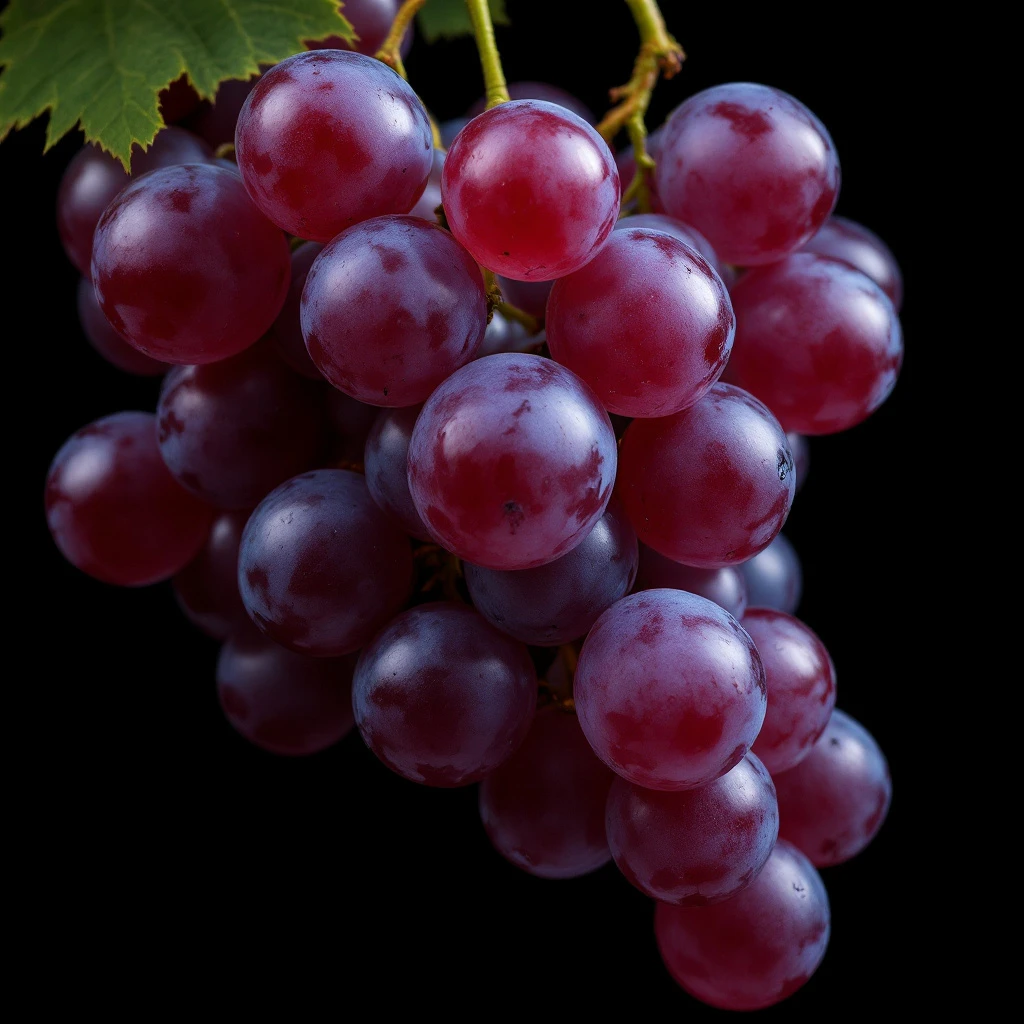
Champagne Grape delivers a sparkling, effervescent sweetness with green fruity brightness and a subtle floral whisper. Imagine biting into a crisp grape still cool from the vine, with all its sugar lifted by an airy fizz.
Character
How it smells
Sparkling sweetness, crushed and cold
Champagne Grape is almost always recreated in the lab, since real grapes yield almost no essential oil through conventional extraction.





Origin
France
Grapes appear in perfumery records stretching back to ancient Egypt, where they featured among early botanical preparations and unguents. The Romans planted vineyards across the Champagne region of northeastern France over two thousand years ago, though sparkling wine itself did not emerge until the 17th century, when secondary fermentation inside the bottle created the characteristic bubbles. This effervescent quality, crisp, cold, and slightly yeasty, eventually inspired perfumers searching for novel fruity accents.
By the late 20th century, as synthetic aroma chemistry matured, grape notes transitioned from rare novelties into accessible accords. Champagne Grape specifically emerged as a distinct fragrance concept in the 1990s, riding the wave of gourmand and sparkling-aquatic trends. It captures not just the fruit but the entire sensory ritual: a celebratory burst of cold fizz on the tongue.
Today it remains a popular choice in youthful, energetic compositions.
Wears it best
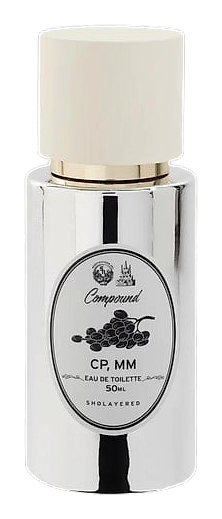
Fragrances featuring Champagne Grape

Brands
Brands known for Champagne Grape
Good to know
Questions, answered
The essentials on Champagne Grape in perfumery: how it smells, where it comes from, and how it behaves on skin.
What does Champagne Grape smell like in perfume?
Champagne Grape smells crisp, sweet, and sparkling, with green fruity brightness, a subtle floral lift, and a cool effervescent quality reminiscent of bubbly wine rather than plain grape juice.
Is Champagne Grape a natural or synthetic note?
Champagne Grape is almost always synthetic. Grapes contain very little volatile oil, so perfumers reconstruct the scent using aroma molecules like ethyl 2-methylbutyrate and isoamyl acetate.
Where does Champagne Grape originate?
The Champagne region in northeastern France is the geographic origin of the grape and sparkling wine tradition, though the modern fragrance accord was developed by perfumers in the late 20th century.
Which fragrance families use Champagne Grape?
Champagne Grape appears most often in fruity, gourmand, and sparkling floral compositions, where its effervescent sweetness complements citrus, white florals, and musky bases.
Is Champagne Grape the same as regular grape in perfumery?
No. Regular grape notes tend to lean jammy or wine-like, while Champagne Grape specifically emphasizes sparkling, crisp, slightly yeasty brightness that mimics actual bubbly.
When was Champagne Grape first used in perfumery?
Champagne Grape as a distinct fragrance concept emerged in the 1990s, though grapes generally have appeared in perfumery since ancient Egyptian times.
Can Champagne Grape be extracted naturally?
Not practically. Conventional methods like steam distillation yield almost no usable oil from grapes, which is why the note relies on synthetic reconstruction.
What scents pair well with Champagne Grape?
Champagne Grape pairs naturally with citrus oils, white florals like jasmine and lily of the valley, green notes, soft musks, and light woody bases such as cedar.





