Lemonade
Lemonade is a modern fragrance accord that captures the bright, sweet-tart character of the classic beverage. In perfumery, it functions as an uplifting citrus-sweet composition that adds sparkle and refreshment. It combines effervescent lemon oil with sugary nuances to evoke summer days, appearing in contemporary fragrances as a cheerful top note that energizes and brightens compositions.

Character
How it smells
Bright lemon sparkle meets summer sweetness
The lemonade note in perfumery originated from flavor compounds designed for scented cosmetics that could be safely worn while eating or drinking, eventually crossing over into actual fragrance formulations.









Origin
Italy
The lemonade note emerged as perfumery began intersecting more closely with flavor design in the late 20th century. While lemon itself has been used since antiquity, the specific beverage-inspired interpretation developed when fragrance houses started creating accords that translated culinary experiences into wearable scents. This trend accelerated in the 1980s and 1990s as consumer preferences shifted toward fresh, accessible fragrances.
The note draws from the same citrus tradition as Eau de Cologne, established around 1750, which first demonstrated how lemon could serve as a fragrance centerpiece rather than just an accent. Today, lemonade-inspired fragrances appear across gender categories and fragrance families, reflecting how beverage-inspired accords have become a sophisticated element of modern perfumery.
Wears it best
Fragrances featuring Lemonade
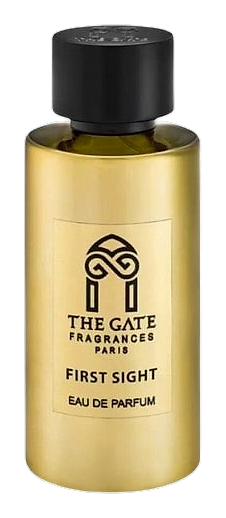
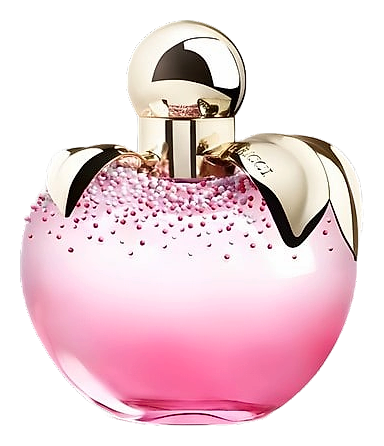

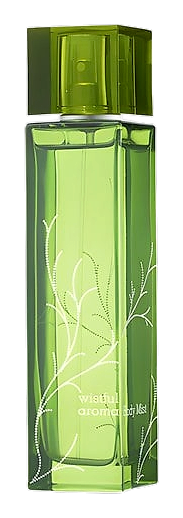



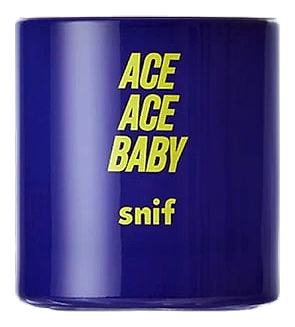

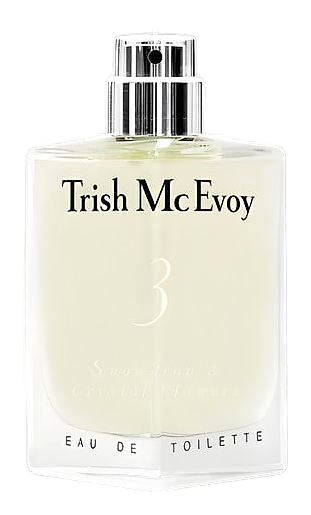
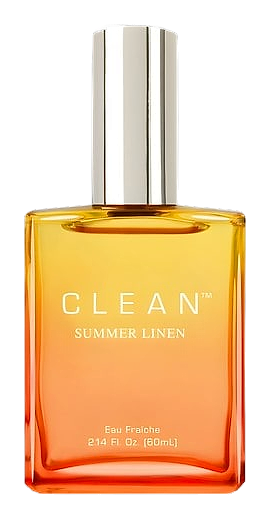

Brands
Brands known for Lemonade
Good to know
Questions, answered
The essentials on Lemonade in perfumery: how it smells, where it comes from, and how it behaves on skin.
What does Lemonade smell like in perfume?
Lemonade in perfume smells like bright, effervescent lemon with a sweet finish. It combines sharp citrus top notes with sugary, almost sparkling nuances to evoke the refreshing beverage. The accord typically features 70-90% limonene from cold-pressed lemon oil balanced with sweet undertones.
Why is Lemonade used in perfumery?
Lemonade accord provides an uplifting, approachable citrus character that adds freshness and energy to fragrances. Perfumers use it as a top note to create an immediate bright impression, then layer it with heart and base notes for complexity. It works particularly well in summer fragrances and gender-neutral compositions.
Is Lemonade in perfume natural or synthetic?
Lemonade fragrance notes typically blend natural and synthetic ingredients. The lemon oil component is natural, extracted via cold expression from lemon peel. The sweet components that complete the beverage character, such as vanillin or heliotropin, are often synthetic. This combination achieves consistency and food-safe formulation.
What famous perfumes contain Lemonade?
Lemonade as a conceptual note appears in bright, contemporary fragrances across many brands rather than being limited to specific famous perfumes. It became particularly prominent in the 2000s as fresh, aquatic, and fruity-floral fragrances grew popular. Specific formulations vary by house and perfumer.
Is Lemonade a top note, heart note, or base note?
Lemonade functions primarily as a top note in perfumery. The citrus component evaporates quickly, providing an immediate bright impression upon application that lasts 15-30 minutes. The sweet elements may linger slightly longer, contributing to the fragrance's opening phase.
What notes pair well with Lemonade in perfume?
Lemonade pairs well with aquatic notes, white musk, green tea, jasmine, and mint. It also complements other citrus fruits like bergamot and grapefruit. For warmer compositions, it combines with vanilla, tonka bean, and light florals like peony. These pairings extend the fresh, summery character.
Where does Lemonade come from?
Lemonade fragrance notes source lemon oil primarily from Sicily, California, Argentina, Brazil, and Spain. The Mediterranean climate of Sicily produces particularly prized lemon oil with balanced citrus character. Fragrance houses then blend this oil with synthetic or nature-identical sweet molecules to complete the beverage accord.
Is Lemonade used in men's or women's fragrances?
Lemonade note appears in both men's and women's fragrances, though it is particularly common in gender-neutral and fresh feminine scents. Modern perfumery increasingly bridges traditional gender categories, and bright citrus-sweet accords like lemonade work across demographic preferences for fresh, contemporary fragrances.