






Heritage
A house, in its own words
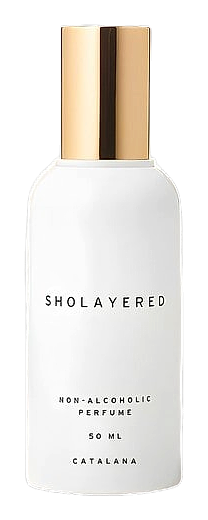
Sholayered was established in 2013 in Tokyo by Sho Ishizaka, a founder who approached fragrance with a clear point of view. The brand emerged from Japan's long-standing relationship with scent, a tradition that includes centuries of incense culture and kōdō, the ceremonial appreciation of fragrance. Ishizaka drew on this heritage while simultaneously looking forward, building a contemporary line that speaks to modern urban life rather than historical recreation. The company opened its flagship in Ebisu, a neighborhood in Tokyo known for its creative energy and design-forward retail. This physical space became central to the brand's identity, serving as both a boutique and a creative hub. Over time, Sholayered expanded beyond its domestic market, reaching markets in Southeast Asia and Europe, including Singapore and France. A notable moment in the brand's evolution came with the introduction of NAMI BLUE, a fragrance described in the brand's own communications as 'a fragrance memory of freedom,' evoking salt-dried skin, reading, and the Pacific horizon. This kind of narrative-driven scent development has become a signature of the house. The 2023 release of No.2 marked another step in the brand's maturing catalog, signaling continued creative output a full decade after founding. Sholayered's creative vision centers on the idea that fragrance is deeply personal, something to be layered, adapted, and lived with rather than simply worn. The brand's name itself reflects this: 'layered' suggests composition, dimensionality, and the possibility of building a scent wardrobe that reflects mood, season, or moment. Founder Sho Ishizaka has spoken about embedding philosophy and spirituality into the creative process, a conviction that distinguishes the house from purely market-driven fragrance companies. The approach draws from Japanese aesthetic principles, particularly the values of tranquility, simplicity, and quiet intentionality. Rather than overwhelming the wearer, Sholayered's compositions aim to create a sense of calm presence, an olfactory space that supports rather than demands attention. The brand also embraces the concept of co-creation with its customers, as evidenced by its DIY fragrance service launched at the Ebisu flagship. This service allows visitors to blend their own scents from a library of over 30 base components, treating fragrance creation as an accessible, participatory art form rather than a closed, expert-only domain. Underpinning all of this is a belief that scent connects to memory, place, and emotion. Whether the reference is a Pacific coastline, a Tokyo evening, or a glass of champagne, each fragrance is built around a specific sensory impression. This narrative anchoring gives the collection coherence while leaving room for individual interpretation.